
Waikiki Snorkeling Trips: The 2026 Insider’s Guide
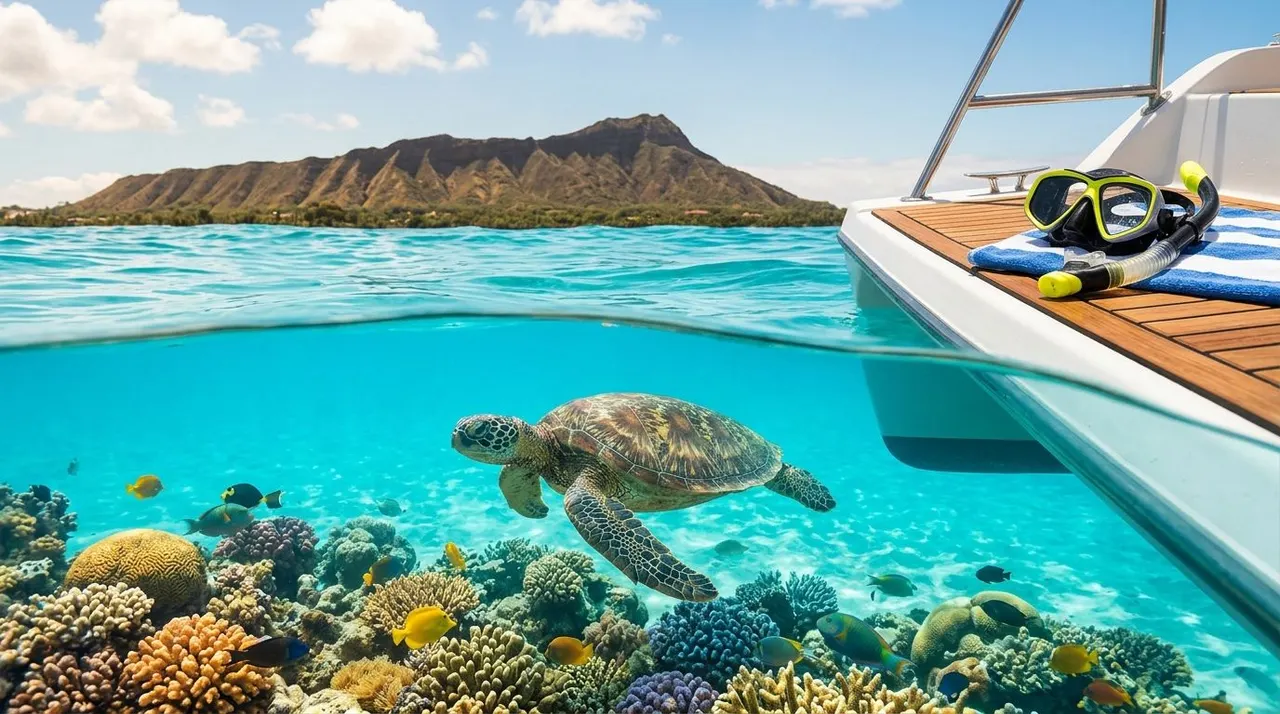
You're probably standing in Waikiki right now, looking at water that seems calm from shore and wondering what the best approach is. Rent gear and walk out from the beach, or book one of the Waikiki snorkeling trips that heads offshore where the turtles and cleaner water usually are?
That question matters more than most visitors realize. The difference isn't just convenience. It's visibility, wildlife access, how beginners are handled, and whether your family ends the day relaxed or rattled.
The good boat trips remove a lot of guesswork. They take you away from the crowded shoreline, put you over healthier reef, fit your mask before you get in, and give anxious swimmers a plan instead of a pep talk. They also answer the questions people often forget to ask until the last minute, especially whether a “beginner-friendly” tour really works for a true non-swimmer, and what to do if you're worried about offshore water quality.
"Your Waikiki Dream Awaits on the Water"
Waikiki has a way of making the ocean look easy. You see Diamond Head, the blue water, surfers gliding outside the break, and it's natural to think any snorkel plan will do. Then you start asking around and get mixed answers. One person says beach snorkeling is fine. Another says you need a boat. A third says the turtles are offshore and the shoreline reefs are more hassle than reward.
That confusion is normal. Waikiki offers several ways to get in the water, but they are not the same experience.
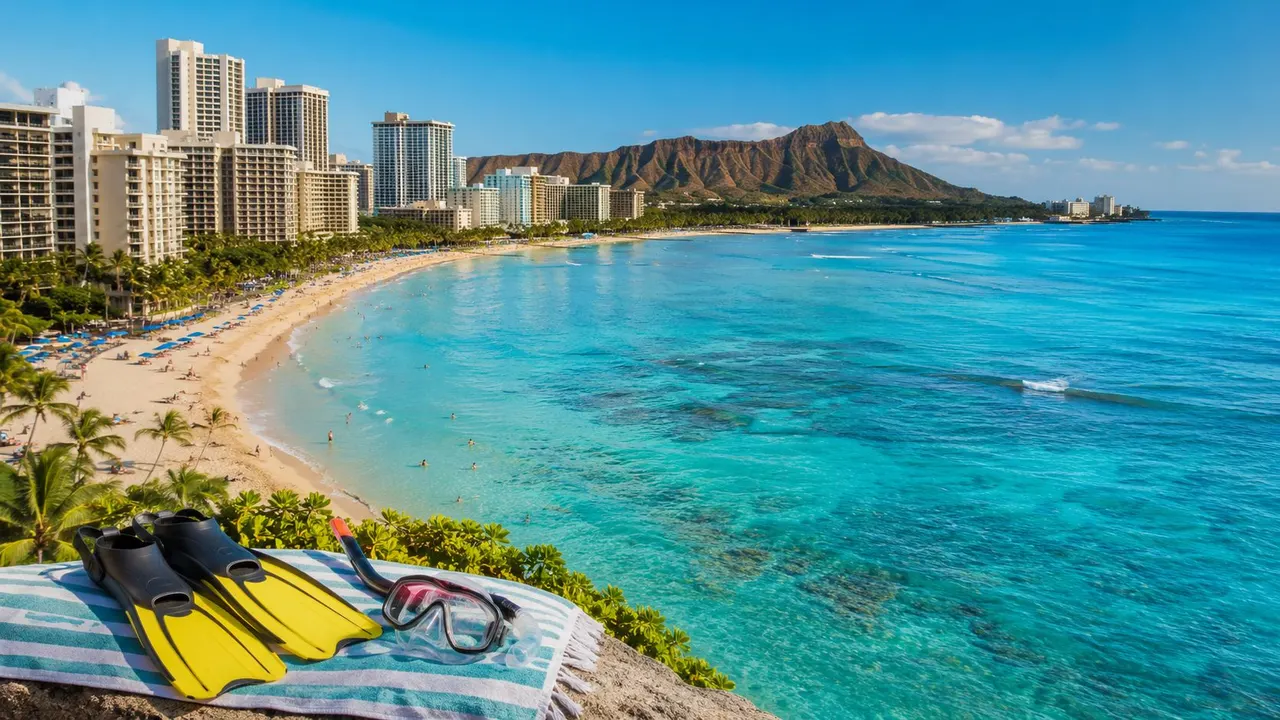
The first decision usually comes down to this. Do you want a casual swim with a mask near the beach, or do you want a real wildlife-focused outing where the crew handles gear, site choice, and in-water support? Families, first-timers, and multi-generational groups almost always do better when they pick structure over improvisation.
What visitors usually want
Most guests don't just want to float around. They want a few specific things:
- Turtle encounters: Seeing Hawaiian green sea turtles is the main goal for many Waikiki visitors.
- Clearer water: Offshore spots usually give you a cleaner, more rewarding view than crowded shoreline entry points.
- Low stress: Parents want an outing that doesn't turn into mask leaks, wave timing, and kids getting tired before they see anything.
- Straight answers: Non-swimmers, grandparents, and nervous first-timers need to know what they'll be expected to do in the water.
The right trip isn't the one with the flashiest ad. It's the one that matches your comfort level once the boat stops and it's time to get in.
Waikiki snorkeling trips work best when you choose them the same way a captain does. Start with conditions, match the trip to the weakest swimmer in your group, and only then think about extras like slides or sunset views.
"Why Waikiki Snorkeling Trips Beat Shore Snorkeling"
The biggest mistake visitors make is assuming shore snorkeling from Waikiki gives them the same thing as a boat trip for less money. It doesn't.
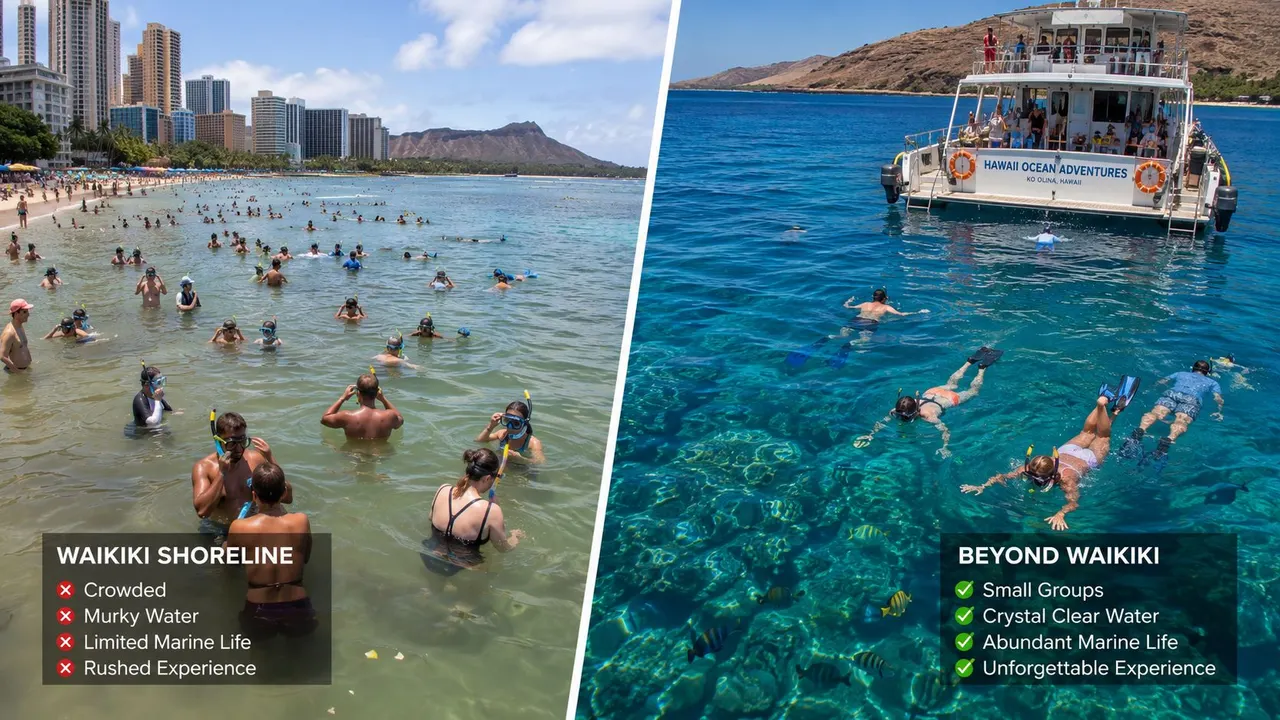
From the beach, you're dealing with shorebreak, crowded swim zones, shifting sand, and entry points that can feel awkward even on a decent day. Offshore, the water generally settles down, the reef is healthier, and the whole experience becomes simpler. That's why this comparison of shore snorkeling and guided tours matters before you book anything.
Offshore reef changes the whole experience
Access is a key draw. Boat-access sites such as Turtle Canyon offer superior visibility and consistent green sea turtle sightings due to healthier, offshore reef ecosystems. Boat tours also mitigate key beginner risks like shorebreak turbulence, hidden currents, and poor mask fit, as noted in Living Ocean Tours' Waikiki conditions guide.
That one point covers most of what matters. Better reef means more to look at. Easier entry means beginners spend more time snorkeling and less time recovering from the walk out.
What works better on a boat
On a well-run boat trip, the crew can fix common problems before they ruin the swim:
- Mask issues: A loose seal can be adjusted before you drift away from the boat.
- Confidence problems: Nervous guests can stay close to the ladder or float line and still enjoy the water.
- Bad site choice: The captain can choose the better side of a reef or hold for better conditions.
- Wildlife etiquette: Guides can keep guests far enough from turtles and coral instead of letting excitement turn into bad decisions.
Practical rule: If the weakest swimmer in your group would struggle with surf entry, don't plan a shore snorkel and hope for the best.
Shore snorkeling still has a place
There are days when a beach snorkel makes sense. If you're already comfortable in the ocean, you've got time to pick your entry carefully, and you're fine with a more casual result, it can be enjoyable.
But for most visiting families, that's not the goal. They want one outing that feels organized, scenic, and worth the effort. Offshore Waikiki snorkeling trips deliver that more consistently.
"Choosing Your Perfect Waikiki Boat Adventure"
Not every boat day should be judged by the same standard. Some guests want turtles and nothing else. Some need a family setup where a child can snorkel for a while and then play. Others want ocean views with no pressure to get in the water at all. Checking Waikiki boat departure options helps narrow that down fast.
A simple way to choose is to ask one question first. What's the main memory you want to bring home?
Which Waikiki Boat Tour is Right for You?
| Tour Type | Primary Focus | Best For | Typical Duration |
|---|---|---|---|
| Turtle snorkel excursion | Hawaiian green sea turtles and reef snorkeling | First-timers, wildlife-focused visitors, couples | 2–3 hours total with 45 to 60 minutes in the water according to the Turtle Canyon tour description |
| Deluxe snorkel and wildlife cruise | Snorkeling plus added onboard fun | Families, mixed-age groups, guests who want more than just snorkeling | Varies by operator |
| Sunset cruise | Scenic coastline and golden-hour views | Couples, non-snorkelers, relaxed groups | Varies by operator |
| Whale watching in winter | Seasonal humpback whale viewing | Winter visitors | Varies by operator |
For the Turtle Enthusiast
If your main goal is swimming in the same water as Hawaiian green sea turtles, a Turtle Canyon-focused trip is the cleanest choice. Living Ocean Tours reports a 95% success rate for turtle sightings on their Turtle Canyon Snorkel Adventure, according to their Turtle Canyon snorkel reviews page.
The format is straightforward. Short boat ride, safety briefing, gear setup, then in-water time focused on one of Waikiki's best-known turtle areas. That's a better fit than a multipurpose cruise if you don't want your snorkel stop to feel secondary.
For a direct look at that option, see the Turtle Canyons Snorkel Excursion.
For Families and Fun-Seekers
Some groups need flexibility more than focus. Kids may love snorkeling for a while, then want a different way to stay entertained. Grandparents may want the boat ride and marine life without spending all their energy in the water.
That's where a larger-format family cruise helps. The Deluxe Waikiki Snorkeling and Wildlife Cruise suits groups who want snorkeling as the anchor activity but not the only activity.
What works well here is the mix. Strong snorkelers can get in and explore. More hesitant guests can pace themselves and still feel included.
For Golden Hour Views and Relaxation
Not everyone needs fins and a mask. Sometimes the right ocean plan is a calm evening run with the Waikiki skyline lighting up behind you.
A dedicated sunset cruise gives you that slower rhythm. The Waikiki Sunset Cruise is the straightforward option if your group wants scenery instead of snorkeling. For guests who want a separate sunset-focused option, Sunset Cruise Waikiki is another route to consider.
Seasonal Whale Watching Winter
Winter visitors get a different kind of offshore payoff. Whale watching takes over as the headline outing for many crews and families.
If that lines up with your trip, the Waikiki whale watch tour is the seasonal option to look at.
"The Best Times and What to Expect on Your Tour"
Conditions decide whether a snorkel day feels smooth or sloppy. Visitors often focus on sunshine, but captains look at wind, swell, and timing. If you want the strongest odds for calm water, this guide to the best time to snorkel on Oahu is worth reviewing before you lock in your day.
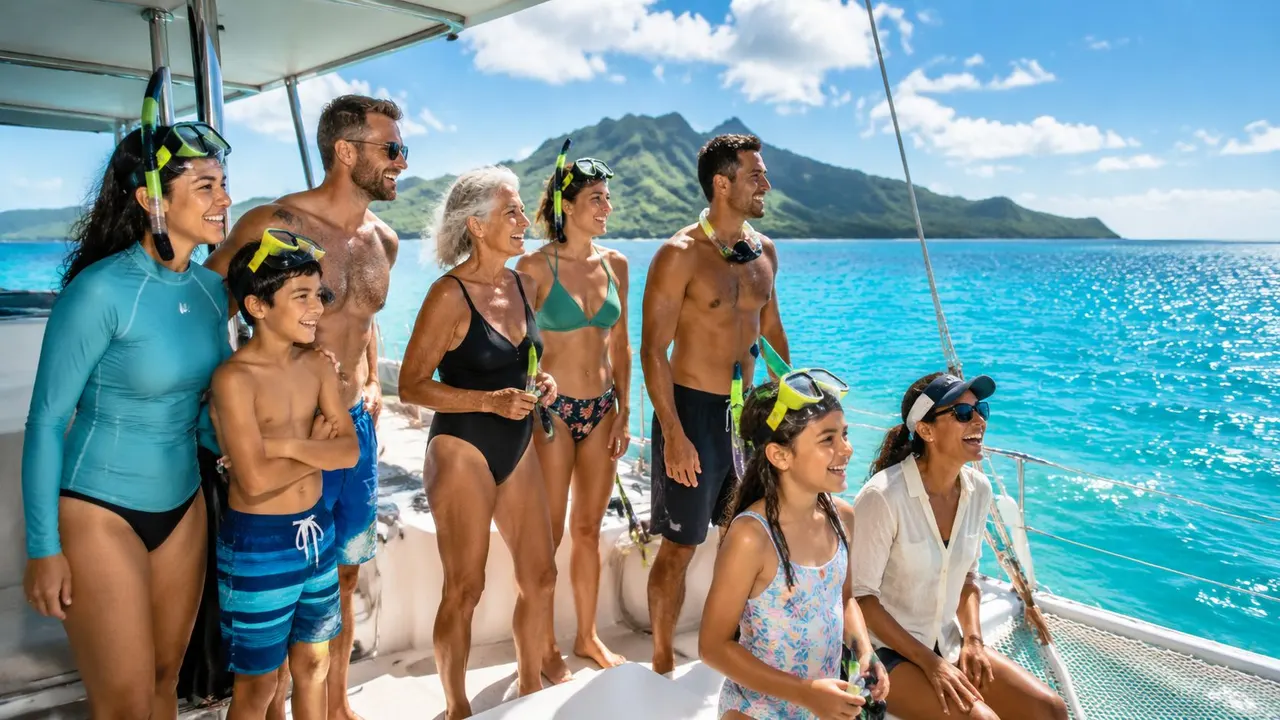
When Waikiki snorkeling is usually best
Guided Waikiki snorkeling tours to Turtle Canyon achieve a 99% success rate for spotting Hawaiian green sea turtles, and the summer window from May to September is the optimal season due to calm, glassy water conditions that maximize visibility, according to Kona Snorkel Trips' Turtle Canyon overview.
That lines up with what most crews look for on the water. Summer tends to give visitors the kind of surface conditions that make first-time snorkeling easier. Less chop means people stay calm, breathe easier, and see more.
Another practical marker comes from conditions guidance for Waikiki. Optimal conditions are defined by wind under 10 knots, swell below 2 feet, and a mid-morning window from 9:30 AM to 1:00 PM, according to Living Ocean Tours' Waikiki wind forecast guide.
What a typical turtle snorkel feels like
Most first-timers expect more effort than the trip requires. A standard run is usually simple:
- Board and brief: The crew fits gear, explains entry and exit, and sets rules for wildlife distance.
- Short run offshore: You'll head out from the harbor toward the reef area.
- Snorkel time: Once moored, guests enter in stages and stay within the crew's visible support zone.
- Return ride: The trip back is usually relaxed, with wet hair, salty skin, and everyone comparing what they saw.
Turtle Canyon snorkeling often works well for beginners because the turtles gather deeper than most first-timers will dive to. Guests generally watch from the surface while guides keep the group organized.
Keep your expectations simple. Float, breathe slowly, listen to the crew, and let the reef come to you.
Wildlife etiquette matters
The best turtle encounter is the one that stays respectful. Guides should enforce at least 10 feet of distance from marine life per NOAA, a standard noted in the earlier conditions guidance. That protects the animals and keeps the experience calm for everyone in the water.
"Snorkeling Safety for Beginners and Families"
This is the section many visitors skip until somebody in the group gets nervous. Don't skip it.
Snorkeling is the leading cause of visitor drowning in Hawaii, accounting for an average of 45 tourist fatalities annually between 2019 and 2023, according to Kona Honu Divers' Waikiki snorkeling safety page. That's the clearest reason to choose guided Waikiki snorkeling trips carefully instead of treating them like a casual beach rental.
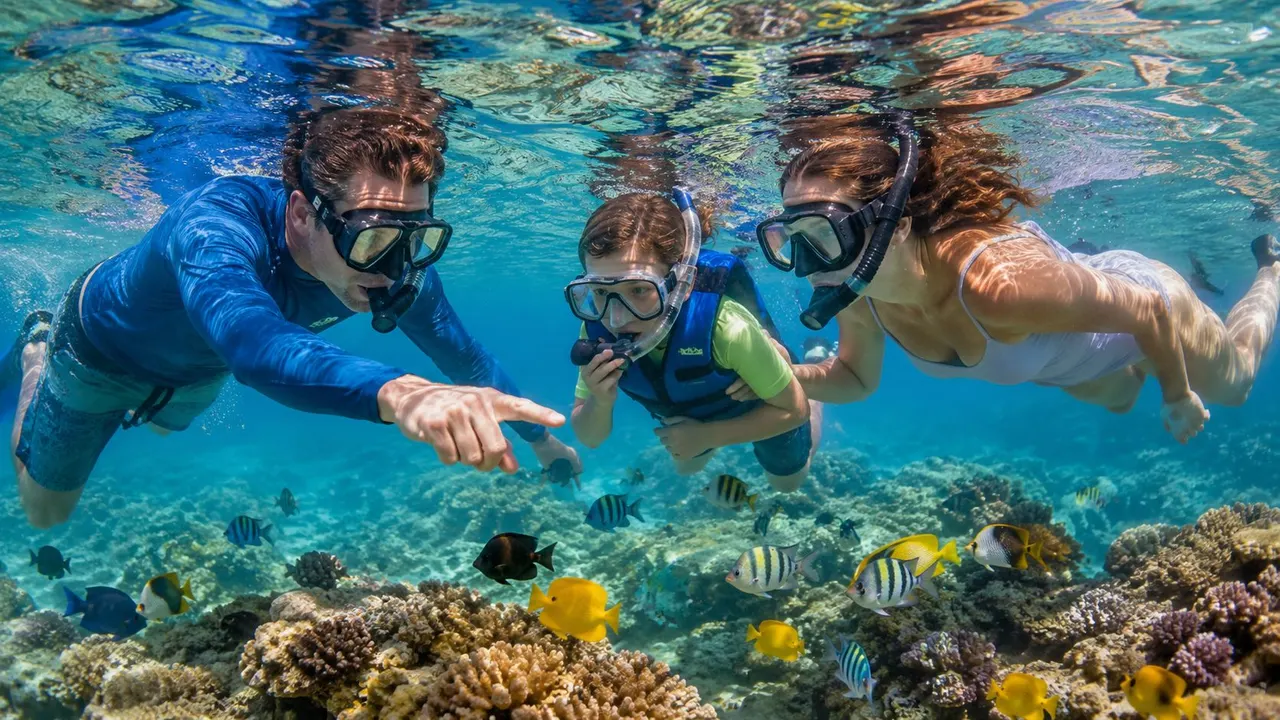
The non-swimmer question people ask too late
This is the biggest overlooked issue for families. Many tours advertise themselves as beginner-friendly, but that phrase can mean different things in practice.
A critical safety gap exists for non-swimmers. While many tours are marketed as “beginner-friendly,” some require basic swimming skills to get to the reef. Reputable operators mitigate this by deploying flotation vests and keeping weaker swimmers safely near the boat with guides, as discussed in this operator policy discussion about non-swimmers.
That means you need to ask specific questions before booking:
- Will a true non-swimmer be allowed in the water?
- Do guests have to swim away from the boat to reach the snorkel area?
- Will guides keep weak swimmers near the boat if needed?
- Are flotation vests included and encouraged?
If a company answers vaguely, keep looking.
Mask choice and gear quality matter
A cheap full-face mask is not the shortcut many visitors think it is. CO₂ buildup from poor-quality full-face masks or obstructed tubes can cause disorientation or unconsciousness, a risk outlined in Hawaii ocean safety guidance for snorkeling.
Traditional masks and snorkels, properly fitted and maintained, are the safer call for most guests. Good crews also use anti-fog prep, check the face seal before entry, and give guests flotation vests that help with horizontal buoyancy so they don't waste energy fighting to stay comfortable.
If a guest spends the first ten minutes fixing gear, they're already behind. Good crews solve that before the first splash.
What safety-focused guests should verify
Before you book, check a few basics beyond price:
- Swimming requirement: Some tours require basic skills. Others can support weaker swimmers closer to the boat.
- Alcohol policy: Professional operators may deny water access to guests who've been drinking.
- Reef-safe sunscreen: Use mineral reef-safe sunscreen with zinc oxide or titanium dioxide, as specified in the safety guidance above.
- Current awareness: Even on guided outings, it helps to learn how to spot rip current clues around Oahu.
The offshore water quality question
Families with small kids and immune-compromised travelers often ask about bacteria, runoff, and whether offshore water is safe. That concern is reasonable. The problem is that many generic travel guides don't address offshore Waikiki water quality directly.
The honest answer is simple. This is one of the least clearly answered questions in mainstream snorkeling content. Good operators can explain current conditions, recent weather, and whether they have any reason to avoid a site that day. Ask directly. If a company brushes it off instead of answering carefully, that tells you something.
"Your Unforgettable Trip with Living Ocean Tours"
The best Waikiki snorkeling trips do three things well. They get you to the right reef, they manage beginner risk without making the day feel intimidating, and they keep the wildlife encounter respectful instead of chaotic.
That matters because, as noted earlier, unguided shore snorkeling carries the most serious downside. For many visitors, the easiest way to improve the odds of a calm, memorable outing is to book a guided boat experience with clear procedures, fitted gear, and in-water supervision. One Honolulu operator offering those kinds of trips is Living Ocean Tours, which runs turtle snorkel tours, family-oriented snorkel cruises, sunset sails, and seasonal whale watching from near Waikiki.
The company is also the top rated & most reviewed snorkel company on Oahu.
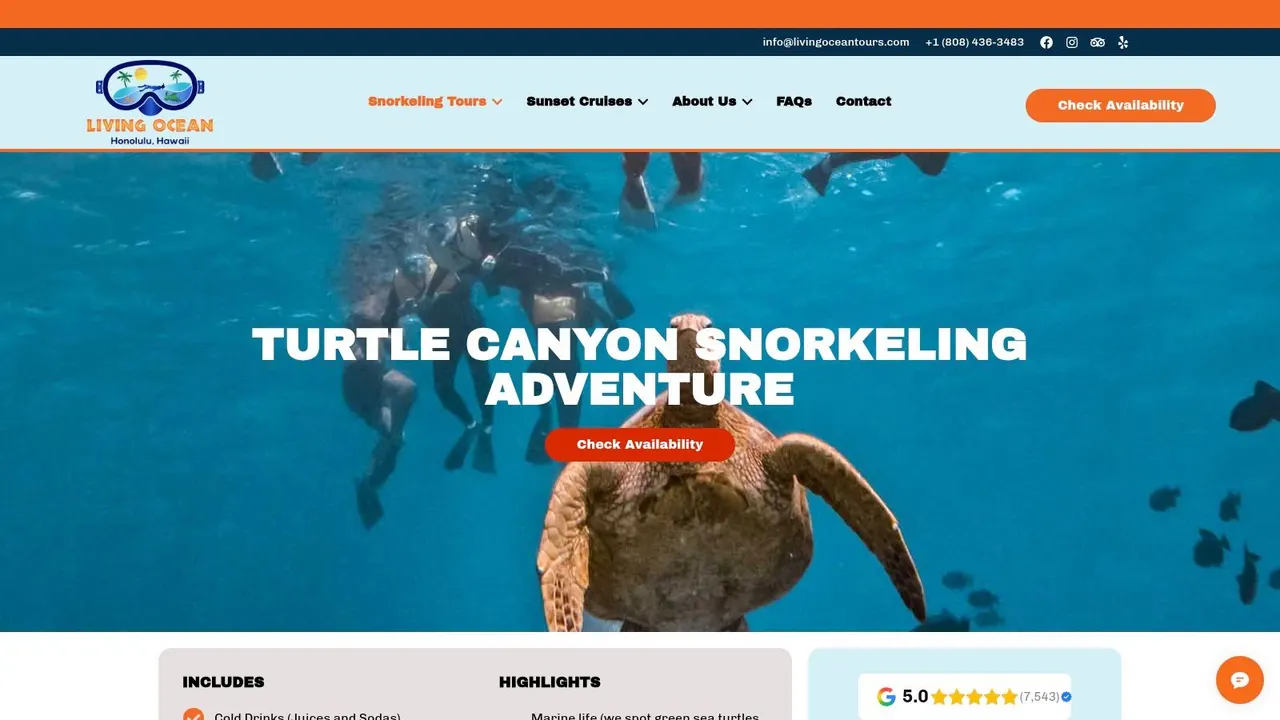
If you're traveling with kids, older family members, or anyone who wants a clearer answer on what happens once they step off the boat, that kind of transparency makes a real difference. The right crew won't just promise a fun day. They'll tell you who the trip is for, what support is available, and what to expect before you leave the harbor.
If you want a straightforward way to book Waikiki snorkeling trips with gear, guidance, and offshore access already handled, take a look at Living Ocean Tours. Their lineup includes turtle snorkeling, family-friendly wildlife cruises, sunset sailing, and seasonal whale watching, all departing close to Waikiki.


