
Waikiki boat tour motion sickness tips for choppy water
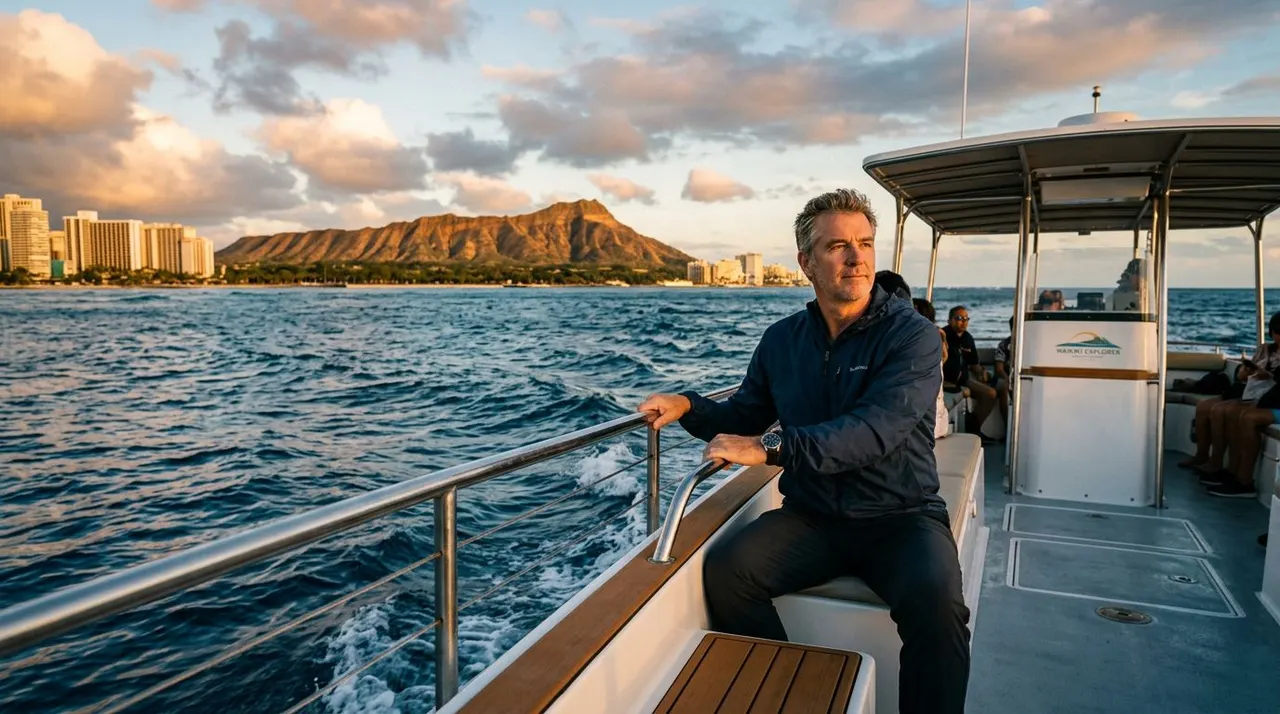
Choppy water can turn a beautiful Waikiki coastline view into an uncomfortable ride within minutes. If you’ve searched for Waikiki boat tour motion sickness advice, the best solution starts before you board: choose a stable vessel, sit in the right place, protect your eyes, and prepare your body.
You don’t have to skip snorkeling, sunset views, or whale watching because you get seasick. With the right plan, you can enjoy the Pacific with less worry and more time in the water. Start by understanding what causes nausea on a boat, then match your preparation to the day’s conditions.
Waikiki boat tour motion sickness: why choppy water affects you
Motion sickness happens when your brain receives conflicting signals from your eyes, inner ears, and body. Your inner ear detects the boat rising and falling, while your eyes may focus on a fixed seat, cabin wall, or phone screen. That mismatch can lead to nausea, dizziness, sweating, headache, and fatigue.
According to NOAA’s explanation of seasickness, the irregular movement of a vessel can create this conflict in your balance system. You don’t need rough offshore conditions to feel it. A series of short waves can make a boat pitch, roll, and yaw enough to affect you.
Your experience also depends on more than wave height. A full stomach, dehydration, heat, strong odors, poor sleep, and anxiety can make symptoms appear sooner. Reading or scrolling on your phone adds another source of visual conflict.
Strong swimmers and experienced travelers can still feel sick. Seasickness isn’t a sign that you’re weak or unprepared. Your body is responding to movement it can’t predict.
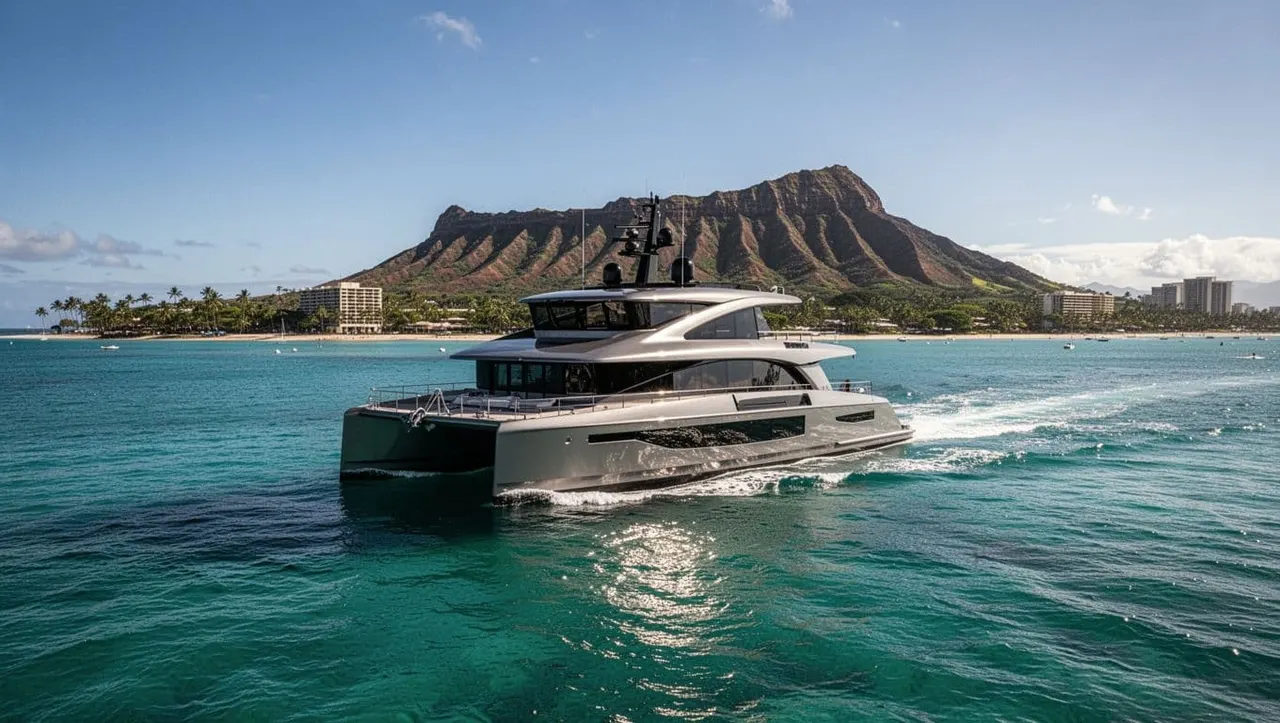
Choppy water also doesn’t automatically mean your tour is unsafe. Professional crews watch conditions, communicate with passengers, and can adjust the route or activity plan when needed. Tell your crew that you’re prone to motion sickness before leaving the harbor. That gives them a chance to help you find a better seat before the boat reaches open water.
Prepare before you leave the harbor
The most useful motion sickness steps happen before the boat moves. A little preparation can make the first part of the trip much easier.
Eat lightly, hydrate, and skip alcohol before boarding
Arriving hungry can leave you feeling weak, but a heavy meal can make nausea worse. Eat a light, familiar meal before your tour. Foods that are plain and easy to digest are usually a better choice than greasy or spicy dishes.
Drink water during the morning or afternoon before departure. Continue taking small sips during the tour instead of waiting until you feel thirsty. Heat and sun exposure can add dehydration to the discomfort caused by movement.
Alcohol deserves extra caution. A cocktail before boarding can affect your balance and make it harder to notice how your body is responding. If your tour includes BYOB or a cash bar, wait until you’re certain you feel steady before having a drink. You may also choose to skip alcohol if the water looks choppy.
Sleep matters, too. A late night followed by a boat ride can reduce your ability to cope with movement. Give yourself enough time to wake up, eat, hydrate, and reach the harbor without rushing.
Choose a practical plan for the day
Avoid scheduling a demanding activity immediately before your boat tour. Running across Waikiki, spending hours in intense heat, or arriving stressed can make the first waves feel worse. Give yourself time to reach Kewalo Basin Boat Harbor, check in, and settle before boarding.
Pack sunglasses, a hat, water, sunscreen, and a light layer. Sunglasses can reduce glare, while a hat helps keep direct sun off your face. Avoid strong perfume or heavily scented products because odors can trigger nausea once your stomach feels unsettled.
If you already know that you get seasick, tell the booking team and crew. You can also ask which part of the vessel tends to feel calmest. Conditions differ between boats and days, so crew members are the best source for a seat recommendation.
Medication can be useful for some travelers, but you should plan it before the morning of your tour. Read the label, check possible side effects, and ask a pharmacist or doctor whether the product suits you.
Find the calmest place on the boat
Your seat can make a noticeable difference. The bow and stern usually move more than the middle because the ends travel through a wider arc as the vessel rises and falls.
The center of the boat, close to the waterline, often gives you the smoothest ride. On a double-decker vessel, the lower middle area may feel steadier than the upper deck. However, every boat handles waves differently. Ask the crew to point out the best available position when you arrive.
Don’t choose a seat only for the view. A beautiful bow view may expose you to more pitching, while the center can give you a calmer ride with a wide sightline. If you want to enjoy Diamond Head and the Waikiki shoreline, sit near the middle and face the direction the boat is traveling.
Keep your eyes on the horizon
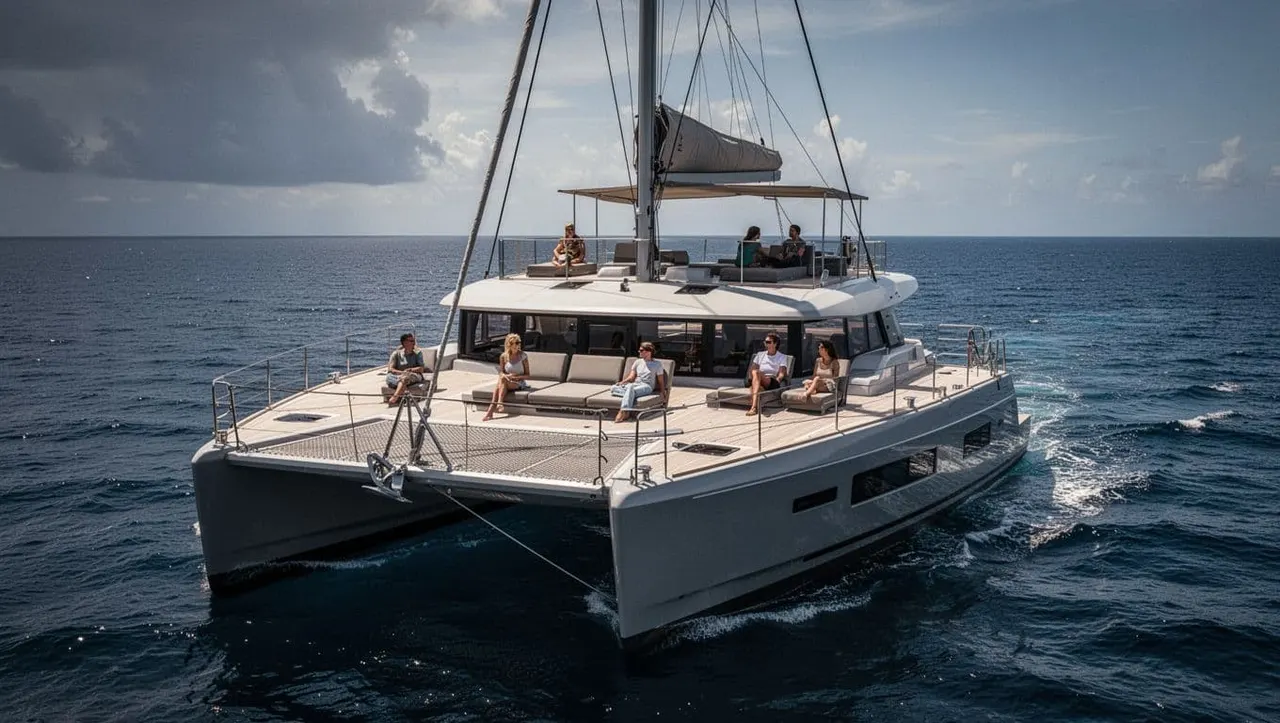
Looking at the horizon helps your eyes recognize the same motion your inner ears feel. Focus on a distant point, such as the shoreline, Diamond Head, or a clear line where the sky meets the ocean.
Avoid reading, scrolling, or watching videos. Looking down at a phone while the boat moves is one of the quickest ways to intensify the mismatch in your balance system. Take photos in short bursts, then put the phone away and look outward.
Fresh air can help. Stay in a shaded, well-ventilated area if possible, and avoid enclosed spaces with strong fuel, food, or perfume odors. Keep your head supported and limit sudden head movements. Slow, steady breathing can also help you remain relaxed.
The best seat for a motion-sensitive passenger is usually near the vessel’s center, with a clear view of the horizon and easy access to fresh air.
Act early if nausea begins
Don’t wait until symptoms become severe. Tell a crew member when you first notice warmth, sweating, dizziness, or a change in your stomach. Moving you to a better location early is easier than helping after you become intensely ill.
Sit down, face forward, and support your head. Take small sips of water and breathe slowly. Avoid entering the water until your balance has returned. Even confident swimmers can become disoriented when they feel dizzy.
A crew member can also help you decide whether to continue snorkeling, remain seated, or return to the harbor if conditions and symptoms require it. Speaking up is part of staying safe.
Motion sickness medicine and practical aids
Over-the-counter products can help reduce motion sickness, but they aren’t right for everyone. Common options include products containing dimenhydrinate or meclizine. These can cause drowsiness, dry mouth, blurred vision, or reduced alertness.
Follow the package directions and ask a pharmacist about interactions with your current medications. If you’ve never used a motion sickness product before, testing it on a non-travel day can show you how your body reacts. You shouldn’t discover that a medicine makes you sleepy while driving to the harbor.
Some products work better when taken before exposure to motion rather than after nausea begins. The timing depends on the product, so follow the label or medical advice. Don’t take more than directed.
Prescription scopolamine patches are another option for some adults. A doctor must decide whether they are appropriate. Discuss all existing conditions and medications, including medicines that cause drowsiness.
Avoid mixing motion sickness medicine with alcohol unless a healthcare professional tells you it is safe. Children, pregnant travelers, older adults, and people with glaucoma, urinary problems, or other medical conditions should ask a healthcare professional before using medication.
Ginger candies, ginger tea, and acupressure wristbands are popular travel aids. Some people find them helpful, although results vary. National Geographic’s motion sickness guidance also discusses practical steps such as watching the horizon and avoiding close visual tasks.
These aids work best alongside smart seating, fresh air, hydration, and early communication with the crew. No product guarantees that you’ll feel comfortable in every set of waves.
Pick a Waikiki boat tour built for comfort
Boat design matters when you’re comparing Waikiki tours. Living Ocean Tours operates from Kewalo Basin Boat Harbor, just minutes from Waikiki Beach. The company uses Coast Guard-inspected, custom-built double-decker vessels called the Coral Kai and the Lokahi.
The Coral Kai has open-deck space and shaded seating, while the Lokahi includes a cash bar, an upper-deck waterslide, and a SeaKeeper vessel stabilization system. The anti-roll system helps limit side-to-side movement, which can make the ride more comfortable for motion-sensitive guests. It doesn’t eliminate all movement, but it gives you an important advantage on changing water.
Both boats have onboard restrooms, dry storage, shaded areas, and heavy-duty ladders for easier water entry. Living Ocean Tours is the only tour company with professional snorkel guides, so beginners can receive direct support before entering the water and while observing marine life.
You can review the full Living Ocean Tours ocean tour lineup before choosing the trip that suits your group.
Match the experience to your comfort level
Each type of trip creates a different motion profile. Use the table below to compare the activity and the preparation it may require.
| Living Ocean Tours experience | Motion sickness considerations | Helpful approach |
|---|---|---|
| Turtle Canyons Snorkel Excursion | The trip includes a boat ride followed by guided snorkeling at a natural turtle cleaning station. | Sit midship, watch the horizon, and tell the professional snorkel guides about your concerns. |
| Deluxe Waikiki Snorkeling and Wildlife Cruise | The Lokahi includes stabilization, plus a waterslide, water trampoline, and floating lily pad. | Settle your stomach before using the water features, and take breaks in shaded seating. |
| Waikiki Sunset Cruise | Sunset views are relaxing, but waves can still cause movement after dark. BYOB and cash-bar options make alcohol timing important. | Stay near the center, keep your eyes on the horizon, and wait before drinking. |
| Seasonal whale watching | Whale watching runs from January through March, and the boat may change speed while searching for wildlife. | Keep your view outside, avoid your phone, and speak with the crew at the first sign of nausea. |
| Friday Night Waikiki Fireworks Cruise | Darkness can make it harder to use the horizon as a visual reference. | Prepare before boarding and choose a center seat with access to fresh air. |
The Turtle Canyons trip is a strong choice when your main goal is guided snorkeling. Living Ocean Tours reports a 95% success rate for spotting Hawaiian green sea turtles at the cleaning station, although wildlife sightings can never be guaranteed. You can CHECK AVAILABILITY before selecting your date.
The Deluxe Waikiki Snorkeling and Wildlife Cruise suits families who want reef time and water activities in one outing. Its less-crowded reef setting and onboard features add variety, but you should use the slide or floating equipment only after your stomach feels settled. Reserve the Deluxe snorkeling and wildlife cruise when the itinerary matches your group.
A sunset cruise can work well for couples who prefer sightseeing over an active water session. Keep alcohol for later in the trip, especially if the water looks unsettled. You can CHECK AVAILABILITY for a Waikiki sunset departure.
Whale watching is seasonal from January through March. The changing pace of wildlife viewing can feel different from a straight harbor cruise, so prepare for motion before you leave shore. If you’re ready for a seasonal outing, CHECK AVAILABILITY for a whale watching tour.
The Friday night fireworks cruise is ideal when the show is your priority, but the dark sky gives you fewer horizon references. Take your preferred precautions before boarding, then keep your gaze outside instead of looking down at a screen. You can CHECK AVAILABILITY for the Friday night departure.
Follow a simple plan on a choppy-water day
Use this sequence when you know you’re sensitive to boat movement:
- Eat a light meal, drink water, and avoid alcohol before boarding.
- Take any approved motion sickness medicine according to its label or your healthcare professional’s advice.
- Tell the crew about your history of seasickness and choose a center seat with a clear view.
- Keep your eyes on the horizon, limit phone use, and stay in fresh air.
- Report early symptoms instead of waiting until nausea becomes severe.
Keep your first 15 to 20 minutes calm. Let your body adjust before taking photos, eating a full meal, using a waterslide, or entering the water. If you feel fine after that period, continue enjoying the trip while staying aware of your body.
Respectful ocean travel also means following your guides’ instructions. Observe Hawaiian green sea turtles and other wildlife without touching, chasing, or crowding them. Protecting the reef helps preserve the experience for future visitors and the animals that live there.
Conclusion: enjoy your Waikiki boat tour with a better plan
The strongest Waikiki boat tour motion sickness strategy combines preparation with smart choices on board. Eat lightly, hydrate, consider appropriate medication, sit near the center, look toward the horizon, and tell the crew when symptoms begin.
A stabilized vessel and professional snorkel guides can add comfort and confidence, but your own preparation still matters. When you plan for choppy water before the boat leaves Kewalo Basin, you give yourself a better chance to enjoy the coastline, reef, sunset, fireworks, or whales with a steady stomach and an open view.


