
Waikiki boat tour travel insurance questions to ask before you book
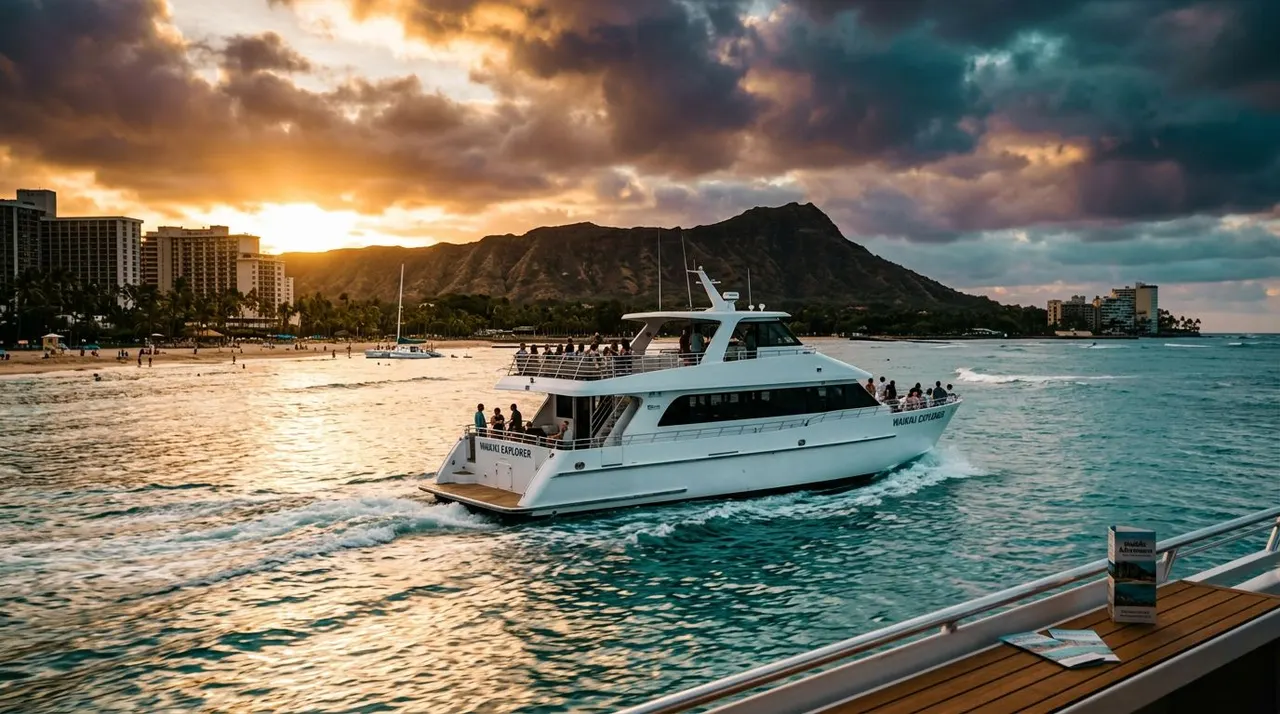
A Waikiki boat tour can be the highlight of your Oahu trip, but a few insurance questions deserve attention before you pay. Ocean conditions, illness, flight delays, and family emergencies can affect your plans even when the tour operator runs on schedule.
You don’t need the most expensive policy. You need coverage that matches your reservation, your health situation, and the activities you plan to enjoy. Before booking, check the policy wording, the tour’s cancellation terms, and the exclusions that could leave you paying out of pocket.
Key Takeaways
- Travel insurance may cover a canceled boat tour, but only for listed reasons and within the policy limits.
- Snorkeling, swimming, and boat activities must be covered under the policy’s activity terms.
- Weather coverage depends on the operator’s decision, the policy wording, and the type of disruption.
- Your health insurance may not cover every service you need while traveling in Hawaii.
- Buy coverage soon after your first trip payment if you want access to time-sensitive benefits.
Why ask about insurance before your Waikiki boat tour?
A boat reservation is only one part of your Hawaii travel costs. You may also have airfare, lodging, rental transportation, meals, and other prepaid activities. If an illness or major delay affects your trip, the amount at risk can quickly exceed the price of the cruise itself.
Living Ocean Tours operates out of Kewalo Basin Boat Harbor, a short drive from Waikiki Beach in Honolulu. Its Coast Guard-inspected, custom-built double-decker vessels, the Coral Kai and the Lokahi, offer shaded seating, restrooms, dry storage, and sturdy ladders for water entry. The Lokahi also has a SeaKeeper stabilization system designed to reduce rolling on the water.
Those features support comfort and safety, but they don’t replace travel insurance. A vessel can operate safely while you miss the departure because your flight arrived late. You could also become sick before the trip, lose luggage containing prescription medication, or need to cancel for a covered family emergency.
Living Ocean Tours is the only tour company with professional snorkel guides. Its crew helps first-time snorkelers understand equipment, water entry, and responsible wildlife viewing. Even so, you should review your own insurance before booking because the operator’s safety practices and your policy’s coverage are separate matters.
A tour operator’s cancellation policy tells you what the company may refund. Your insurance policy tells you when an insurer may reimburse you.
Living Ocean Tours offers snorkeling, sunset, fireworks, and seasonal whale-watching experiences. Before choosing a departure, compare the policy with the specific activity and the nonrefundable amount shown during booking.
What can travel insurance cover for a boat excursion?
Travel insurance policies differ, but most plans organize benefits into several main categories. You should read the policy certificate rather than rely on a summary page alone.
Trip cancellation may reimburse prepaid, nonrefundable costs when you cancel for a covered reason. Covered reasons often include a serious illness, injury, death in the family, or certain significant events listed in the contract. A change of mind, fear of rain, or a work scheduling problem usually isn’t covered unless the policy says otherwise.
Trip interruption can help when you need to end your trip early after departure. Depending on the plan, it may address unused prepaid arrangements and reasonable transportation costs related to a covered event. A missed boat departure caused by your own late arrival may not qualify.
Travel delay benefits can apply after a stated delay period. The policy may reimburse eligible meals, lodging, or transportation, but limits vary. Check whether your delay must result from a carrier issue, severe weather, or another listed cause.
Emergency medical coverage may help with eligible treatment during your trip. You should confirm whether the policy pays primary or secondary benefits, whether it covers water activities, and how it coordinates with your regular health plan.
Emergency evacuation is different from routine medical care. It may cover medically necessary transportation after a serious injury or illness, but the insurer usually controls or approves the arrangement. Don’t assume it covers a convenient ride home after a minor accident.
Baggage, rental car, and accidental death benefits may also appear in a plan. They matter to your overall Hawaii trip, but they may have little effect on a simple boat reservation.
A policy can cover one part of your trip and exclude another. For example, it might cover a canceled flight while excluding a snorkeling claim because the activity wasn’t included under the plan’s sports provisions.
Which insurance questions should you ask before booking?
Call the insurer or read the full certificate before you make a nonrefundable payment. Ask direct questions and save the answers with your reservation records.
First, ask whether the plan covers snorkeling, swimming, boat excursions, and wildlife tours. Some policies treat snorkeling as a standard recreational activity. Others place limits on activities that involve open water, rented equipment, breath-holding, or participation without a licensed guide.
Next, ask how the policy treats a medical condition you already have. A pre-existing condition exclusion can affect cancellation and medical benefits. Some plans waive that exclusion when you meet requirements such as buying coverage soon after your initial trip payment and being medically able to travel when you purchase the policy.
Also ask whether your reason for canceling appears in the covered-events list. “I don’t feel comfortable traveling” may not qualify. A physician’s written order not to travel could receive different treatment, depending on the contract.
Find out whether the plan covers a missed tour caused by a delayed flight. Many policies require a delay of a specific length and may reimburse only eligible expenses. You may need proof from the airline, receipts, and confirmation that the boat reservation was nonrefundable.
Ask about weather in precise terms. Does the policy cover a named storm, airport closure, mandatory evacuation, or only a full trip cancellation? Does it cover a tour canceled by the operator because of unsafe sea conditions? Those are different situations.
Finally, confirm the claim deadline and documentation requirements. You may need the booking confirmation, payment receipt, cancellation email, medical records, airline notice, or proof of the unused portion of the trip.
Does snorkeling count as a covered activity?
The word “snorkeling” can appear in a policy without every possible version of the activity receiving the same treatment. Read the definitions section carefully.
A guided snorkel trip from a commercial boat may receive different treatment than independent diving, freediving, scuba diving, or participation in a race. Ask whether the policy requires you to follow a guide’s instructions, wear provided safety equipment, stay within a designated area, or avoid alcohol before entering the water.
Living Ocean Tours provides gear and professional snorkel guidance for beginners and experienced swimmers. You still need to follow the crew’s instructions and disclose relevant medical information during the booking process. Travel insurance doesn’t remove the need to answer health and waiver questions honestly.
Families should check age and participation rules for each reservation. A child who doesn’t enter the water may still travel with the group, while another child may participate in swimming activities under the operator’s stated requirements. Ask the insurer how coverage applies to every traveler listed on the policy.
You should also check exclusions for alcohol, reckless behavior, unsupported activities, and failure to follow safety instructions. A sunset cruise with a cash bar isn’t the same as drinking before snorkeling, but alcohol-related exclusions can affect a claim if an injury occurs.
If you have a health condition involving the heart, lungs, balance, mobility, or severe motion sensitivity, speak with your doctor and insurer before booking. A SeaKeeper stabilization system can make a vessel more comfortable, yet it doesn’t guarantee that every passenger will avoid seasickness.
How do weather cancellations and rough seas affect coverage?
Hawaii weather can change during the day, while boat operators make decisions based on current conditions, forecasts, visibility, wind, waves, and safety requirements. A cloudy morning doesn’t automatically mean a canceled tour. Likewise, an operator may cancel a departure even when conditions look calm from shore.
Ask the tour company what happens when it cancels. You may receive a rescheduling option, a credit, or a refund under the company’s policy. Travel insurance usually doesn’t pay for a loss that the operator already refunded.
Your insurer may treat a canceled tour differently when the operator keeps the payment and the cancellation results from a covered event. Get the outcome in writing. A short email stating the reason for cancellation, the amount retained, and any credit issued can support a claim.
Weather coverage also has limits. Some plans cover a named storm or mandatory evacuation but don’t cover ordinary rain, wind, or rough water. Other plans offer a cancel-for-any-reason upgrade with strict timing and reimbursement rules. That upgrade often reimburses only a percentage of eligible prepaid costs.
A policy’s “cancel for any reason” benefit isn’t the same as unlimited flexibility. You may need to buy it within a set period, cancel a specified number of hours before departure, and insure the full nonrefundable trip cost. Read those conditions before choosing it.
For a Waikiki boat tour, the most useful question is practical: If the operator cancels for unsafe conditions, who refunds you, and what happens if you cancel for weather concerns before the operator does? Get both answers before payment.
How coverage questions apply to Living Ocean Tours experiences
Your insurance questions should match the experience you select. A daytime snorkel excursion has different activity concerns than an evening sightseeing cruise, even though both leave from the same harbor.
Turtle Canyon snorkeling
The Turtle Canyon Snorkel Excursion is designed around guided swimming near a natural Hawaiian green sea turtle cleaning station. The company reports a 95% success rate for turtle sightings, but wildlife encounters remain natural events and aren’t guaranteed.
Ask your insurer whether guided snorkeling is covered and whether a missed flight could affect your reservation. You should also confirm the operator’s refund or rescheduling terms before purchasing a nonrefundable spot.
You can review available dates through CHECK AVAILABILITY.
Deluxe Waikiki snorkeling and wildlife cruise
The Deluxe Waikiki Snorkeling and Wildlife Cruise adds water activities to a guided reef outing. Depending on the scheduled experience, guests can use a boat-mounted waterslide, water trampoline, or floating lily pad.
When you compare policies, ask whether the plan covers recreational water activities beyond snorkeling. Confirm whether children using the slide or floating equipment need to meet any age, supervision, or safety requirements.
You can check dates and remaining space through CHECK AVAILABILITY.
Waikiki sunset cruise
A Waikiki Sunset Cruise focuses on coastal views and the changing evening sky. It may be a better fit if you want time on the water without planning a swimming activity.
Ask whether your policy covers a missed departure caused by a delayed dinner reservation, transportation problem, or flight disruption. If the cruise includes a BYOB or cash-bar option, review alcohol-related exclusions before the trip.
For current departure options, visit CHECK AVAILABILITY.
Seasonal whale watching
Living Ocean Tours offers seasonal whale-watching cruises from January through March. Humpback sightings are wildlife encounters, so insurance won’t usually apply simply because you didn’t see a whale.
Instead, ask how the policy handles illness, travel delays, and an operator cancellation. You can review seasonal dates through CHECK AVAILABILITY.
Friday night fireworks cruise
The Friday Night Waikiki Fireworks Cruise is tied to a particular evening and event schedule. That makes missed departures and date changes more important than on a flexible daytime outing.
Ask whether the policy covers a schedule change, event cancellation, or transportation delay. Then review the operator’s terms before you reserve a date-specific seat.
Current booking options are available through CHECK AVAILABILITY.
How should you compare the policy with the tour’s terms?
Travel insurance and the operator’s cancellation policy work together, but they don’t offer the same protection. Review both before you commit.
| Situation | Tour operator may decide | Insurance may require |
|---|---|---|
| You become ill before departure | Apply its cancellation terms | Doctor’s documentation and a covered reason |
| Your flight arrives late | Treat the booking as a missed departure | A qualifying delay and proof from the carrier |
| Unsafe ocean conditions | Cancel, reschedule, or issue a refund | Proof of the operator’s decision and unreimbursed cost |
| You change your mind | Apply stated cancellation fees | A cancel-for-any-reason benefit, if purchased |
| Your luggage is delayed | No responsibility for personal items | Receipts, delay records, and policy eligibility |
The takeaway is simple: insurance usually addresses covered causes, not disappointment or inconvenience. If you want flexibility because the forecast looks uncertain, check for a cancel-for-any-reason option before buying. If you want protection against illness, compare the medical definitions and pre-existing-condition rules.
Save your confirmation email, payment receipt, policy certificate, waiver, and cancellation terms. Keep copies of messages from the tour operator and airline. These records can matter more than a screenshot of the booking calendar if you later need to document a claim.
When should you buy coverage?
Buying insurance after a problem appears won’t protect that problem. If your flight is already delayed, your child is already sick, or a storm has already disrupted your plans, a new policy generally won’t turn the event into a covered loss.
Many time-sensitive benefits begin only when you purchase coverage soon after your first trip payment. That timing can affect pre-existing-condition waivers, cancel-for-any-reason upgrades, and other optional benefits. Check the insurer’s purchase deadline instead of assuming every plan follows the same rule.
You should also insure the amount you could lose. Include prepaid lodging, airfare, tours, and other nonrefundable arrangements when the policy asks for your trip cost. Underinsuring the trip can reduce the protection available under certain plans.
Before you buy, write down:
- The total prepaid amount
- The nonrefundable portion of your boat reservation
- The tour departure date and time
- Your policy’s cancellation deadline
- The insurer’s emergency assistance number
- Any medical or activity exclusions
If you use a credit card with travel benefits, read its guide to benefits before purchasing a separate plan. Credit card coverage may be narrower, require you to charge the full fare to that card, or exclude medical evacuation and certain activities.
Your regular health insurance can also have limits outside your home network. Hawaii is part of the United States, but network rules, deductibles, copays, and emergency transport benefits still depend on your plan. Check those details before your Oahu trip.
What should you confirm before clicking the booking button?
You should be able to answer five questions without guessing:
- What amount will the tour company keep if you cancel?
- What covered reasons does your insurance accept?
- Does the policy include snorkeling and other planned water activities?
- What happens if your flight delay causes you to miss the boat?
- Will the insurer reimburse an unrecovered cost after the operator issues a refund or credit?
Read the waiver and cancellation policy during checkout. If a term is unclear, ask the tour company before payment and ask the insurer about insurance wording. Keep the responses in writing.
You should also review the exact date, departure time, harbor location, meeting instructions, and traveler names. A preventable mistake, such as arriving at the wrong location, usually isn’t an insured event.
Living Ocean Tours provides professional guidance, safety equipment, and beginner-friendly instruction, but you remain responsible for choosing a policy that fits your trip. Follow the crew’s directions, observe marine life without touching it, and tell the operator about relevant health concerns before entering the water.
Conclusion
A Waikiki boat tour deserves more than a quick look at the price. Before booking, compare the operator’s cancellation terms with your insurance policy’s covered reasons, activity rules, medical exclusions, and weather provisions.
Living Ocean Tours gives you several ways to enjoy Oahu’s coastline, including guided Turtle Canyon snorkeling, wildlife cruises, sunset outings, fireworks cruises, and seasonal whale watching. Choose the experience that fits your plans, then confirm what happens if illness, delay, or unsafe conditions interrupt them. The right coverage is the policy you understand before you need it.


