
Waikiki boat tour medical emergencies: How crews respond
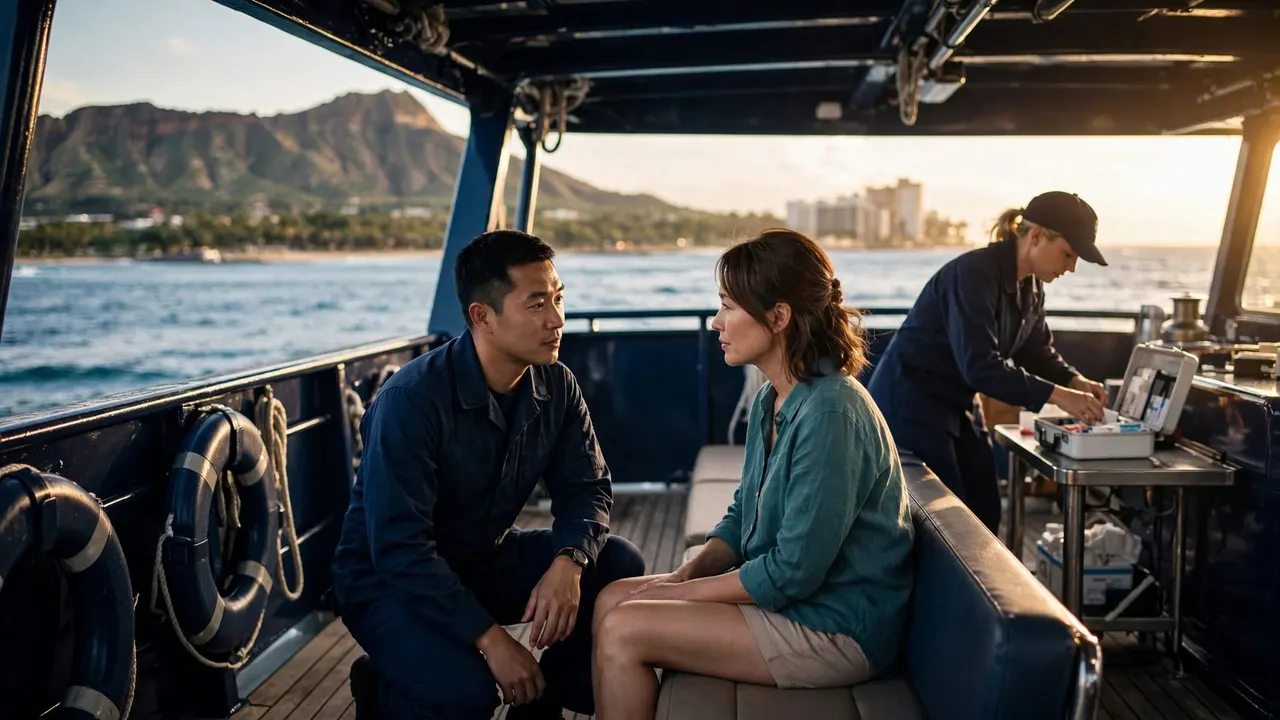
A sudden illness can interrupt even the calmest afternoon on the water. On a Waikiki boat tour, the most useful thing you can do is tell the crew early, before a symptom becomes harder to manage.
Living Ocean Tours welcomes families, couples, and first-time ocean guests aboard trips departing from Kewalo Basin Boat Harbor. You can enjoy the coastline with more peace of mind when you know how to report a problem, what the crew needs to know, and why the captain may change course.
A welcoming trip still needs a clear safety plan
Living Ocean Tours operates the Coral Kai and Lokahi, two Coast Guard-inspected, double-decker vessels. Both offer shaded seating, restrooms, and ladders for water entry. The company also emphasizes professional in-water snorkel guides, who can help guests communicate concerns before and during a swim.
Those features make an outing more comfortable, but they don’t replace a medical response plan. The crew’s actions depend on the person’s condition, the boat’s location, sea conditions, and the vessel’s procedures. If you have a question before booking, ask it directly. You can compare the company’s Honolulu boat and snorkeling tours before choosing an outing that suits your group.
Preparation starts before the boat leaves the harbor
A medical response goes more smoothly when the crew can account for everyone and passengers know where to wait. Give yourself time to board and hear the briefing. Your booking confirmation is the final word on check-in details.
Learn the layout while you’re docked
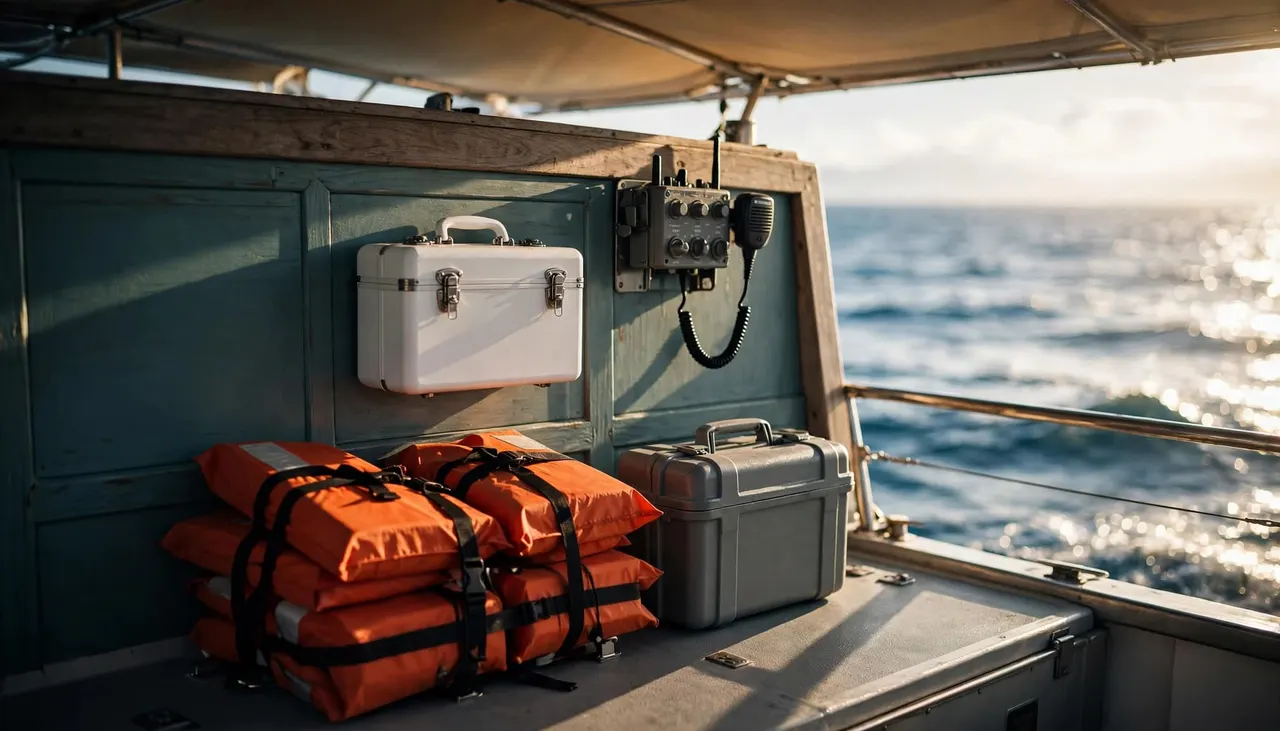
Find the life jackets, restroom, stairs, shaded seats, and places where the crew wants you to store belongings. Keep bags and water bottles out of walkways. If you miss an instruction, ask for it again before the boat moves.
A tour boat’s equipment depends on its vessel class and inspection requirements. Don’t assume a particular boat carries an AED, oxygen, or a specific medication. Ask the operator what equipment is aboard and how the crew contacts emergency services. The Coast Guard’s recreational boating requirements guide offers general safety context, but recreational and inspected passenger-vessel rules aren’t identical.
Share information that could matter later
If you need medication during the trip, keep it accessible rather than buried in a beach bag. Tell the crew before departure about a mobility concern or assistance you may need getting into or out of the water.
You don’t have to disclose your entire medical history to the deck. A brief, private conversation helps the crew understand what support you might need. For advice about whether snorkeling is suitable for a health condition, speak with your medical provider before the trip.
What happens during a Waikiki boat tour medical emergency
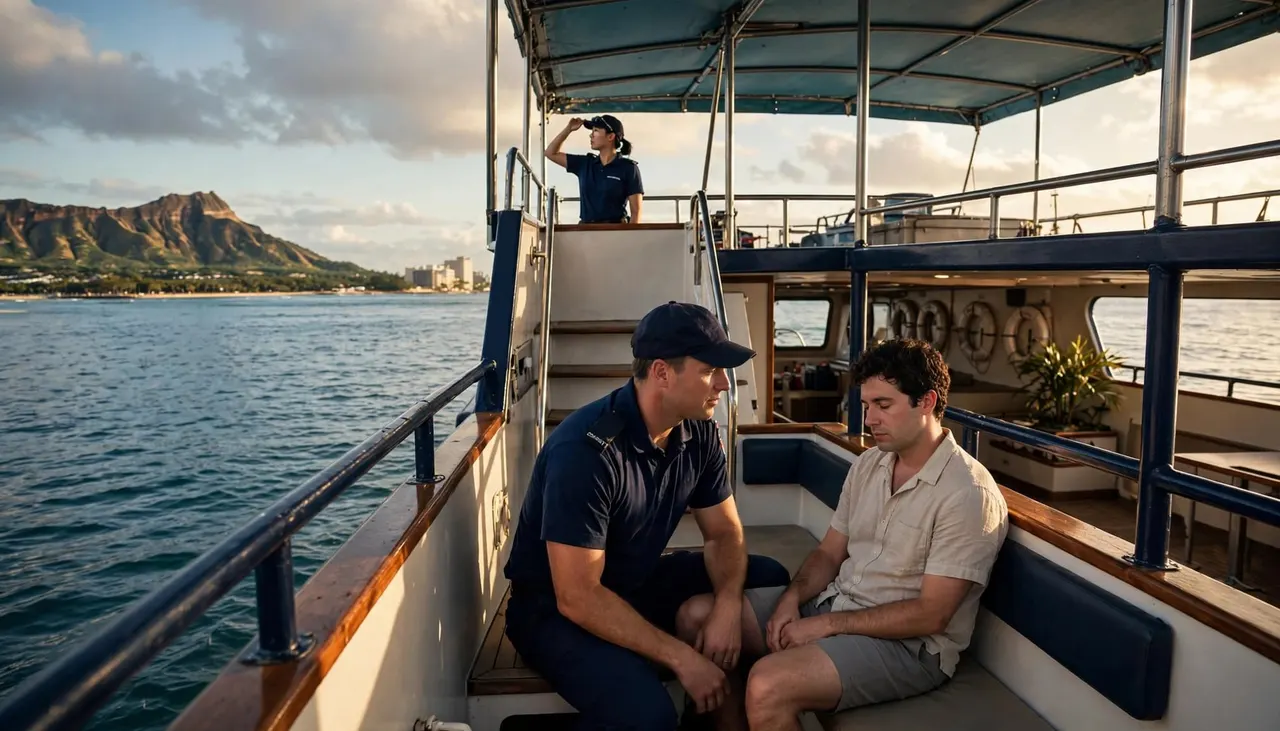
The first step is simple: alert a crew member immediately. Don’t wait to see whether dizziness, chest pain, breathing trouble, or unusual confusion passes. Early notice gives the crew more room to respond while the captain manages the vessel.
The crew gathers the facts
Expect questions about what’s happening, when it started, and whether the person can move safely. If you’re speaking for someone else, report what you observed rather than guessing at a diagnosis. Tell the crew about relevant medication or a known condition if you have that information.
Crew members may ask nearby passengers to sit down or clear a walkway. Follow that direction, even if the problem appears minor. Space around the person matters, and crowding can make it harder to assess their condition.
The captain decides what the boat needs to do
A deckhand can help the passenger while the captain considers the boat’s position, traffic, weather, and available options. Depending on the situation, the captain may adjust speed or course, contact responders, or head toward a suitable meeting point.
There isn’t one guaranteed sequence for every illness. A person who feels seasick and a person who has collapsed need different responses. You should expect clear instructions, not a promise that every incident ends with an immediate return to Kewalo Basin.
If someone’s symptoms change while you’re speaking with the crew, say so right away. That update can affect the captain’s next decision.
Medical trouble in the water requires a different response
Snorkeling adds distance between a guest and the boat. That’s why it matters to know how to signal for help and where to reboard before you enter the water.
Speak up before you become exhausted
If your mask leaks, you feel cold, or swimming becomes tiring, signal the guide and return according to their directions. Don’t push on simply because the rest of your group is still enjoying the reef. You can also choose to remain aboard if conditions don’t feel right.
Living Ocean Tours’ professional snorkel guides offer in-water support, while the boat crew manages the vessel and other guests. Ask how guides communicate with the captain and how swimmers are accounted for. A professional guide is valuable, but no guide can promise that currents, fatigue, or a medical event won’t occur.
Give the crew room to assist
If another swimmer needs help, don’t rush toward them unless the crew directs you to. Follow instructions about moving toward the boat, waiting near the ladder, or staying clear of the swim platform. An open ladder and a clear deck help the crew work.
Once everyone is safe, keep giving Hawaii’s wildlife space. Observe turtles and other marine animals without touching, chasing, or crowding them. An unexpected change to the swim plan doesn’t change how you should treat the reef.
How crews connect with help ashore
The captain needs to communicate the vessel’s position and the passenger’s condition accurately. On the water, crew members may use marine communications while coordinating with emergency services. If you’re a passenger, give them room to do that work.
For an urgent injury or medical emergency, Hawaii’s Division of Boating and Ocean Recreation lists 911 among its boating emergency contacts. If the crew asks you to place a call, provide the information they request. Otherwise, let the captain coordinate the boat’s location and next steps.
A serious case may call for responders to meet the vessel or assist at a dock. Conditions and medical needs shape that decision, so don’t assume the closest shoreline is the right destination. Keep your group together and listen for instructions about where to sit or stand.
Rules also vary by vessel type. For example, the first-aid training provision in 46 CFR 28.210 applies to certain commercial fishing vessels. It shouldn’t be treated as proof of the training required aboard an inspected passenger tour boat.
What you can do while someone receives help
On your own Waikiki boat tour, your role is to report what you know, follow directions, and avoid creating another hazard. If you’re the person who feels unwell, sit where the crew directs and tell them if your symptoms change. Don’t climb stairs or try to reach a restroom alone when you’re dizzy or unsteady.
If you’re accompanying a child or partner, tell the crew who you’re with and where that person is. Keep required medication accessible, but don’t give someone else’s medication or attempt treatment outside your training. If a crew member asks you to help, follow that person’s instructions.
Give the crew a clear path between the passenger, safety equipment, and the helm. Secure your belongings rather than moving them across the deck. Wait for direction before putting on a life jacket or changing seats, unless you face an immediate danger that requires you to act. If you don’t understand an instruction, ask the crew member to repeat it.
Ask useful safety questions before you book
A reassuring answer is more useful than a broad claim that a trip is “completely safe.” Ask where the boat departs, whether snorkeling has in-water guides, and how guests request help. If someone in your party has limited mobility, ask about the specific boat, stairs, and water-entry ladder before paying.
You can also ask what happens when weather changes or a guest cannot continue swimming. Good answers leave room for the captain’s judgment. Even on a sunny Waikiki boat tour, wind and chop beyond the harbor may lead to a route or activity change.
For Living Ocean Tours departures, check your confirmation for the current meeting point and arrive with time to settle in. A calm start gives you a chance to hear the briefing, ask questions, and enjoy the view without rushing.
Key takeaways
- Tell the crew early if you feel ill, injured, unusually tired, or unsafe in the water.
- Learn the boat’s layout during the briefing and keep stairs, ladders, and walkways clear.
- Let the captain coordinate the vessel while crew members assist passengers.
- Ask about equipment and procedures rather than assuming every tour boat carries the same supplies.
- Follow crew directions if plans change. Your safety takes priority over the scheduled route.
Conclusion
The calmest response to a medical problem begins before anyone needs help. On a Waikiki boat tour, you can listen to the briefing, share concerns early, and leave the crew room to work.
If plans change offshore, clear communication matters more than sticking to the itinerary. Tell the crew what you know, then follow their directions.
Questions guests often ask
Should you call 911 yourself?
If you’re facing an immediate emergency and can’t reach the crew, call 911 if you have service. When the crew is responding, let the captain coordinate vessel communications unless you’re asked to place a call. Accurate location information is especially important on the water.
Does seasickness count as a medical concern?
Tell a crew member when you first feel unwell. Nausea may remain manageable, but dizziness or worsening symptoms can affect how safely you move around the boat. The crew can advise you where to sit while the captain assesses the situation.
Will the boat always return to the harbor?
No single route fits every emergency. The captain considers the person’s condition, the vessel’s location, sea conditions, and guidance from responders. Follow the crew’s current instructions rather than assuming the boat will head straight back to its departure slip.


