
Turtle Snorkeling Oahu for Mixed Swim Skills
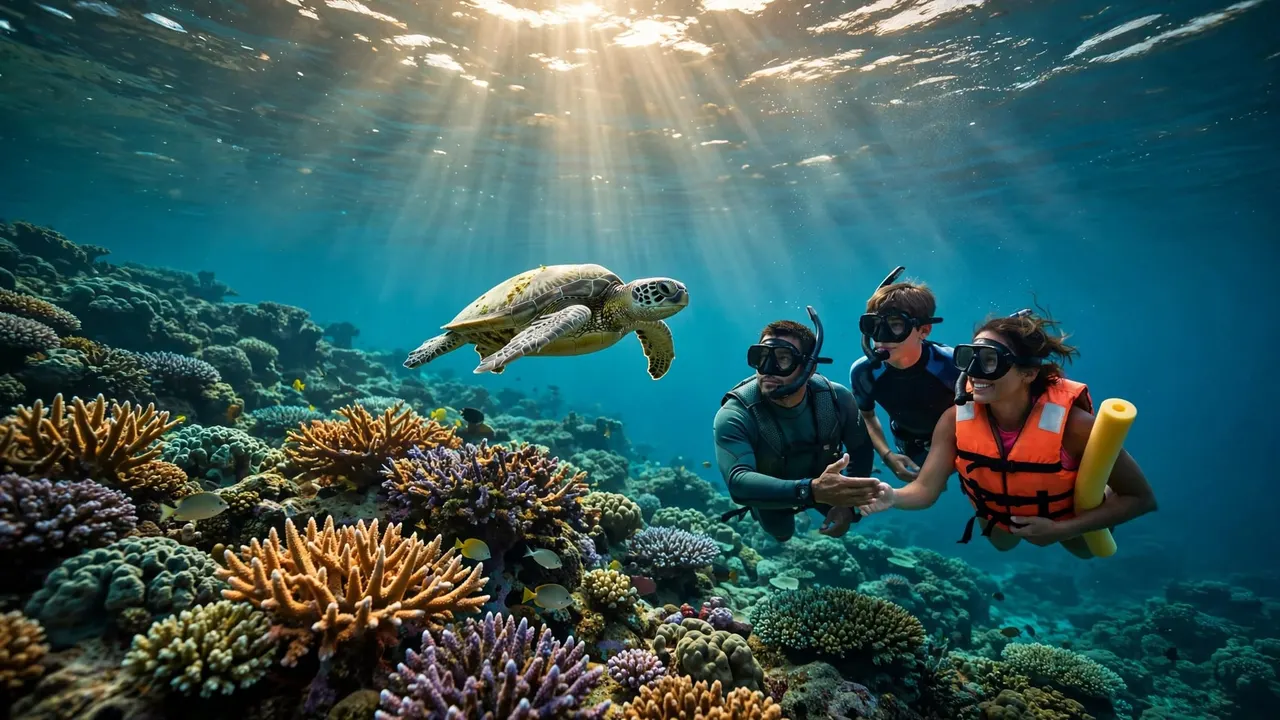
A turtle sighting can be the highlight of your Oahu trip, but mixed swim skills can turn a simple plan into a stressful one. With the right boat, gear, and expectations, turtle snorkeling Oahu can feel comfortable for both confident swimmers and family members who need more support.
You don’t need every person in your group to move through the water at the same pace. You do need an outing that treats beginner comfort as seriously as wildlife viewing.
Start With an Honest Read of Each Swimmer
Before you book a boat, separate enthusiasm from water readiness. Someone may be eager to see turtles but still feel uneasy when they can’t stand on the ocean floor.
For turtle snorkeling Oahu, the most useful question is not, “Can you swim?” Ask whether each person can float calmly, put their face in the water, and swim a short distance without panic.
Basic swimmers can snorkel with support
A basic swimmer may not have strong endurance, yet they can often enjoy a guided snorkel with a fitted flotation vest, clear instructions, and a guide nearby. They should be able to enter and exit the water using a boat ladder.
Tell the crew about nervous swimmers before departure. That gives them time to explain the mask, snorkel, fins, flotation devices, and water-entry process without rushing.
Non-swimmers should enjoy the boat, not force the water
Non-swimmers shouldn’t feel pressured to join the snorkel group. On many tours, they can stay aboard, enjoy the shoreline views, and watch for turtles surfacing near the boat.
A flotation vest helps you rest and stay buoyant, but it doesn’t replace basic swimming ability.
If a child or adult becomes anxious in the water, returning to the boat early is a smart choice. A great ocean day doesn’t require every person to spend the full session snorkeling.
Choose a Turtle Snorkeling Oahu Tour Built for Varied Abilities
A boat tour gives your group a controlled starting point. Instead of managing surf, rocky entries, and parking at a busy beach, you board with your gear ready and follow a crew’s plan.
Look for an operator that provides masks, snorkels, fins, flotation support, shade, restrooms, and a sturdy ladder. Those details matter when one guest wants to explore while another needs a slower start.
Professional guidance changes the pace
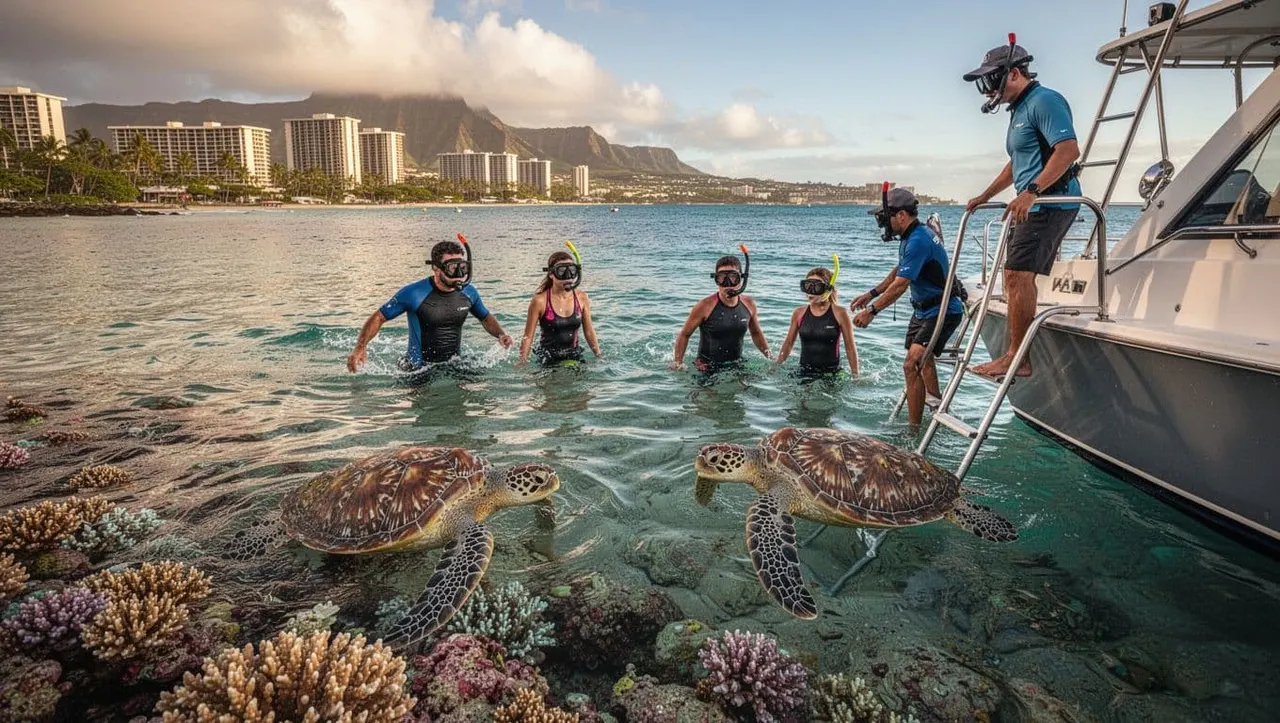
A guide can show you how to clear a mask, breathe through a snorkel, float face-down, and use small fin kicks. More importantly, they can notice when someone is tiring or drifting away from the group.
Living Ocean Tours departs from Kewalo Basin Boat Harbor, minutes from Waikiki. It is the only tour company with professional snorkel guides, so your group receives hands-on water guidance rather than being left to figure things out alone.
For a trip focused on turtles, review the available Waikiki snorkeling excursions before you decide. A shorter tour often suits hesitant swimmers better than an all-day ocean plan.
Ask about the route and the boat
Calm conditions help, but ocean conditions always vary. Ask whether the boat has shaded seating, a restroom, dry storage, and easy water access. A comfortable boat gives less-confident swimmers a place to reset before and after getting in.
Also ask what happens if someone decides not to snorkel. A good outing still feels worthwhile when one member of your group stays on deck.
Make a Group Plan Before You Leave the Dock
Mixed abilities work best when you agree on a simple plan before the boat moves. Don’t make the strongest swimmer responsible for everyone else’s safety. Let the crew manage the water plan, while your group stays aware of each other.
Choose a meeting point on the boat. Decide who will stay near a child or nervous adult. Then agree that anyone can return to the ladder without needing to explain or apologize.
Match partners by comfort, not age
Pair a beginner with a calm adult who will stay at the same pace. Meanwhile, stronger swimmers can remain within the guide’s designated area instead of heading off in search of a better photo.
Parents should tell children that the goal is observation, not chasing wildlife. That keeps the day safer and gives everyone a shared purpose.
Pack for comfort instead of perfection
Bring a towel, reef-safe sun protection, a hat, sunglasses, water, and a light cover-up for the boat ride. Eat a modest meal beforehand, especially if anyone gets motion sick.
If you use prescription glasses, consider a snorkel mask with corrective lenses or contact lenses if they are comfortable in the water. Don’t wait until the reef stop to discover that someone can’t see through their mask.
Use Simple Skills That Conserve Energy
Strong snorkeling doesn’t look dramatic. The calmest swimmers stay horizontal, breathe slowly, and make small kicks behind them. Wild splashing burns energy and can make a nervous person feel less stable.
Before you enter, ask the guide to check each person’s mask fit. Hair caught under the silicone skirt can cause a slow leak that feels alarming to a first-time snorkeler.
Enter slowly and take a minute to float
Once you’re in the water, hold the ladder or flotation device until your breathing settles. Put your face in for a few seconds, lift up if needed, then try again.
A good first goal is simple: float, breathe, and look down. You don’t need to cover a long distance to see reef fish or a passing honu.
Watch for fatigue before it becomes fear
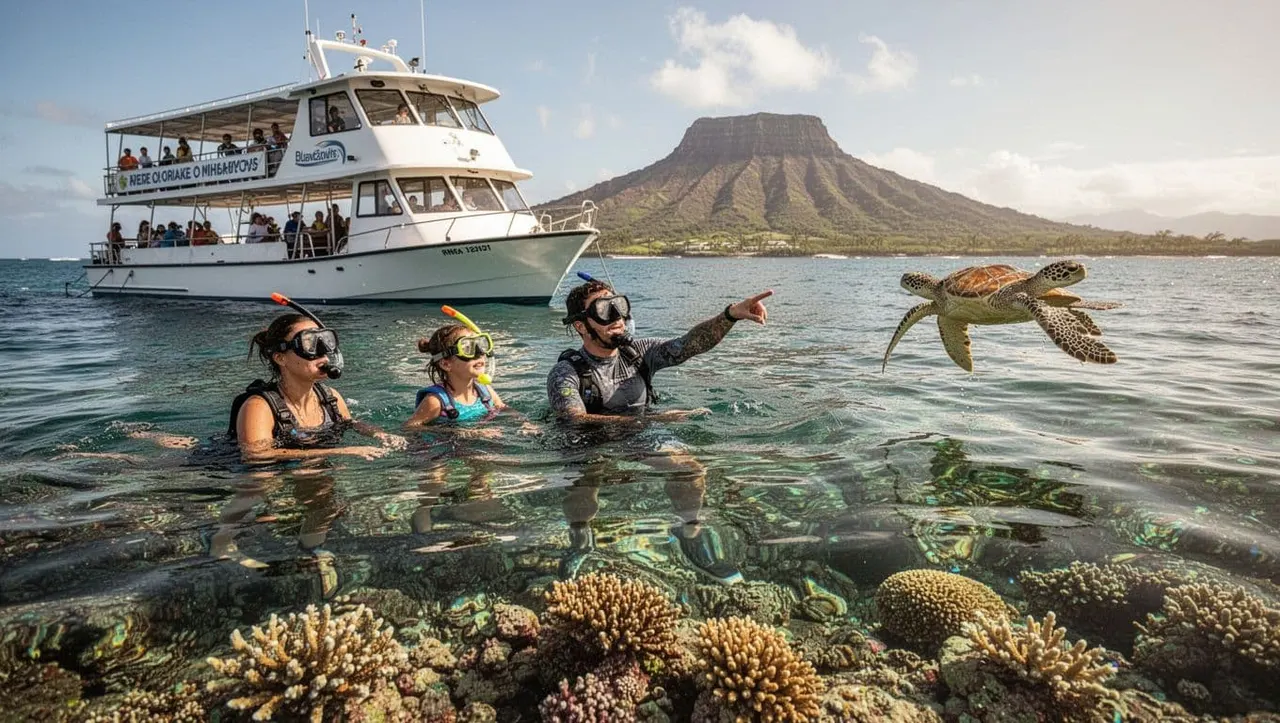
Tired swimmers often start lifting their heads repeatedly, kicking too fast, or gripping their flotation device tightly. If that happens, signal the guide and head toward the boat.
Short water time is still successful water time. You can spend ten relaxed minutes viewing fish and turtles, then warm up on deck while the rest of your group continues.
Give Hawaiian Green Sea Turtles the Space They Need
Seeing a Hawaiian green sea turtle in the water feels personal because it is so quiet. Still, turtles are protected wild animals, not photo props.
Keep your body position steady and let a turtle choose its own path. If it swims away, don’t follow it. Another turtle may appear when you least expect it.
Stay back, never touch
NOAA’s Hawaii guidance recommends staying at least 10 feet from sea turtles in the water and on land. Read the agency’s marine-life viewing distances before your trip.
Don’t touch, feed, chase, corner, or swim directly over a turtle. Never place yourself between a turtle and open water. Respectful distance protects the animal and usually creates better photos anyway.
Protect the reef beneath you
Coral is alive and easily damaged. Keep your fins up, stay horizontal, and avoid standing on the reef even if the water looks shallow.
Your guide may point out a turtle cleaning area, where fish remove algae and debris from a turtle’s shell. Treat it as a viewing area, not a place to crowd around the animal.
Pick the Right Living Ocean Tours Experience
If your group wants a focused, manageable outing, the Turtle Canyons Snorkel Excursion is a practical fit. The tour lasts about two hours, with roughly an hour in the water, and includes snorkeling gear, instruction, flotation support, and professional guides.
Basic swimming ability is required for entering the water. That makes the experience a better match for mixed groups where beginners can float and follow direction, while non-swimmers enjoy the ride from the boat.
Living Ocean Tours uses Coast Guard-inspected double-decker vessels with shaded seating, restrooms, dry storage, and heavy-duty ladders. You can review the Turtle Canyons tour details before confirming your group.
If a shorter guided turtle outing suits your group, you can CHECK AVAILABILITY for the Turtle Canyons Snorkel Excursion.
Check Conditions on the Morning of Your Snorkel
August often falls within Oahu’s calmer summer snorkeling period, yet no month guarantees flat water or clear visibility. Wind, surf, rain runoff, and currents can change quickly.
Check the local forecast before leaving your hotel. If you see brown water, large surf, or storm conditions, don’t enter the ocean from shore. A boat crew may adjust its route or cancel when conditions aren’t appropriate.
Arrive early and let the crew set the tone
Living Ocean Tours asks guests to check in 30 minutes before departure. That extra time helps your family settle in, use the restroom, organize belongings, and hear the safety briefing without stress.
Mention seasickness concerns at check-in. Sitting outside, looking toward the horizon, staying hydrated, and avoiding a heavy meal can help you feel more comfortable during the ride.
A Better Ocean Day Starts With the Right Pace
The best turtle snorkeling Oahu experience isn’t measured by distance covered or minutes spent underwater. It comes from choosing a tour that gives every swimmer a realistic role, reliable support, and room to move at their own pace.
When you stay close to your guide, respect the turtles’ space, and let nervous swimmers take breaks, the reef feels welcoming rather than overwhelming. Your group can leave with photos, stories, and a greater respect for Hawaii’s living ocean.


