
Turtle Canyon Oahu Guide to Shell Scratches and Scars
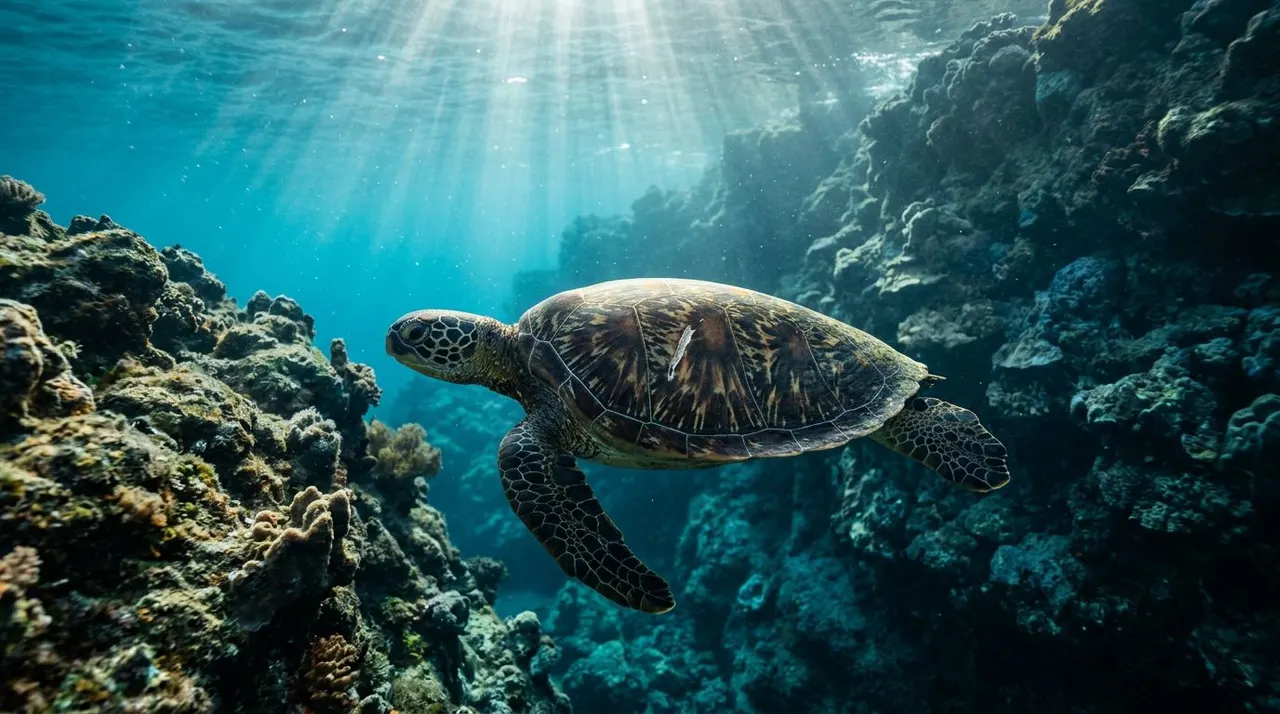
At Turtle Canyon Oahu, the shell is part of the story. A scratch, a scar, or a natural pattern can tell you where a Hawaiian green sea turtle has been, but only if you know what to look for.
If you’re snorkeling with honu for the first time, it’s easy to mistake a normal mark for damage. Living Ocean Tours helps you read those details with calm, beginner-friendly guidance, and their crew keeps the experience respectful for both you and the turtles.
Key Takeaways
- Fresh scratches usually look sharper, lighter, and more exposed than older marks.
- Old scars often blend into the shell and lose their hard edges over time.
- Natural shell patterns can look dramatic, especially on younger green turtles.
- The best viewing comes from distance, patience, and a crew that knows how to keep the group calm.
What Turtle Canyon Looks Like Underwater
Turtle Canyon sits just offshore from Waikiki, so the ride out feels short and the water often feels manageable. That makes it a favorite for first-timers, couples, and families who want a real ocean moment without a long offshore run.
Green sea turtles come here to rest, rise for air, and sometimes linger around cleaning stations where small reef fish pick at algae and loose skin. Their shells can carry tiny marks from coral, rocks, or older encounters with the reef. In a place like this, a few scrapes are normal.
That matters because you are not looking at aquarium turtles. You are seeing wild animals with real histories on their shells. Some marks are fresh. Some are old. Some are just the turtle’s own pattern. The better you understand that, the more natural the encounter feels.
If you want to compare other ocean tours in Honolulu, the Turtle Canyon trip is the clearest place to start.
How Fresh Shell Scratches and Old Scars Look Different
Not every mark means the same thing. NOAA’s green turtle guide notes that younger green turtles can have dappled shell patterns that look surprising at first glance, which is one reason people misread natural color for injury.
A fresh scratch often looks thin, bright, and a little sharper at the edges. It may sit on the surface and stand out against the rest of the shell. An old scar usually looks softer, smoother, and more blended. Time rounds off the edges and dulls the contrast.
Sometimes the real answer is simpler than you expect. What looks like a wound from a distance may be a normal pattern, especially on a turtle you’ve only seen for a few seconds at the surface.
| What you see | What it often looks like | What it usually means | What to do |
|---|---|---|---|
| Fresh scratch | Light, sharp, narrow mark | Recent contact with reef, rock, or another surface | Give the turtle space and keep watching |
| Old scar | Faded, smooth, rounded mark | Healed injury or older scrape | Leave it alone and avoid crowding |
| Natural pattern | Dappled, mottled, sunburst-like shell detail | Normal shell coloration and texture | Treat it as part of the animal |
| Deep wound | Open, raw, or uneven damage | Possible injury that needs attention | Tell your crew right away |
A shell can carry all four at once. That is why a careful eye matters more than a quick guess.
How to Watch Without Crowding the Turtle
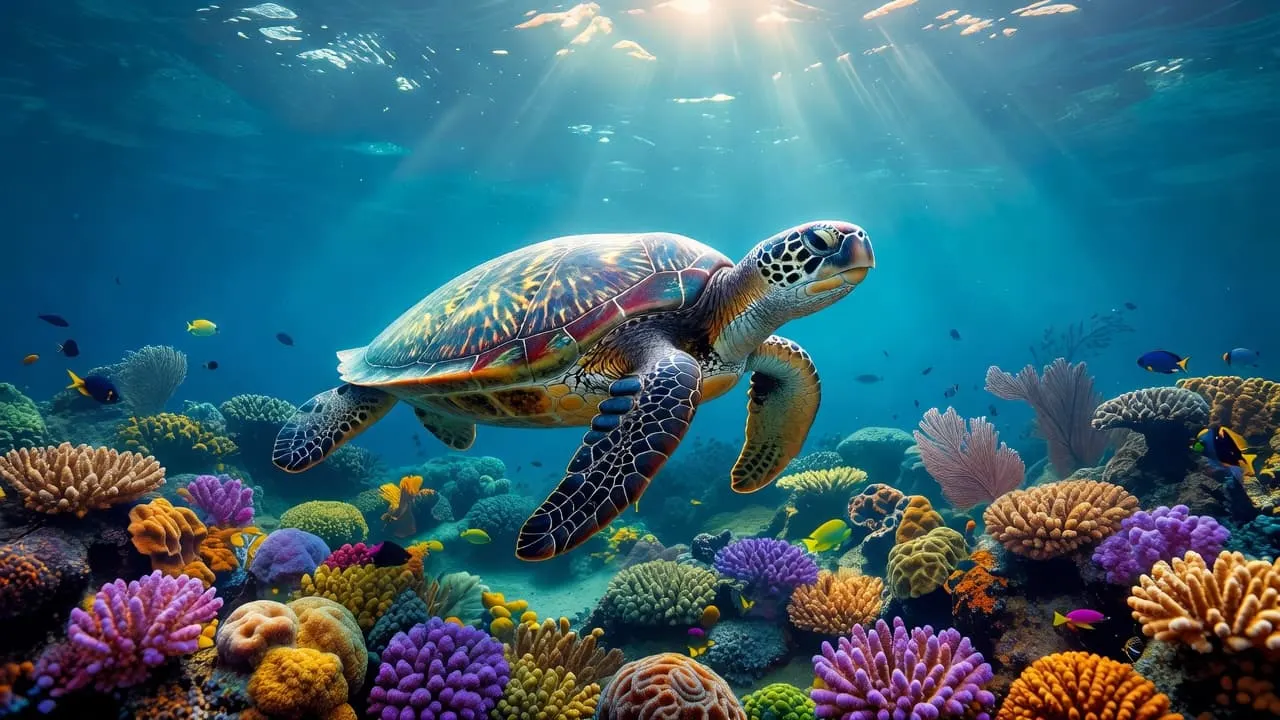
The cleanest view comes when you stop trying to get closer. If the turtle surfaces near you, let it choose the path. If it turns away, give it room. That small adjustment changes the whole snorkel.
You also want to keep your fins calm. Fast kicks stir up sand and can push you into the animal’s space. Slow movement helps you stay steady and makes your photos better too.
If you have to chase the turtle for a better look, you’re already too close.
A good snorkel guide helps you stay in the right place at the right time. The crew points out where to look, where to wait, and when to hold still. That matters at Turtle Canyon because the turtles set the pace, not you.
It also helps protect the reef. Touching the shell, reaching toward the turtle, or trying to ride the moment like a photo shoot can stress the animal fast. Observe, breathe, float, and let the turtle pass through the scene on its own terms.
Why the Right Boat Matters at Turtle Canyon
Your Turtle Canyon experience starts before you reach the reef. It starts with the boat, the crew, and how much confidence you feel before you even get in the water.
Living Ocean Tours is the only tour company with professional snorkel guides, and that makes a difference the second you step aboard. You get help with gear, steady in-water support, and real guidance on what you are seeing. Their trips leave from Kewalo Basin Boat Harbor, minutes from Waikiki, so the day stays easy from start to finish.
Their fleet adds comfort too. The Coral Kai and Lokahi are Coast Guard-inspected, custom-built double-decker vessels with shaded seating, restrooms, dry storage, and heavy-duty ladders for easy water entry. The Lokahi also has a SeaKeeper stabilization system, which helps cut down on rolling when the ocean is a little bumpy.
That kind of setup is useful when you want a relaxed snorkel instead of a rushed one. You can focus on the turtle, not on whether your mask fits or your stomach feels off.
If you want the flagship outing, the Turtle Canyons Snorkel Excursion is the direct match for this guide. It gives you the best shot at seeing green sea turtles while keeping the pace friendly for beginners.
You can also tap CHECK AVAILABILITY when you’re ready to reserve a spot.
Conclusion
A turtle shell at Turtle Canyon can tell you a lot, but only if you slow down enough to read it. Fresh scratches look different from old scars, and natural patterns can look like injuries when you first see them.
Once you know what to look for, the whole snorkel feels more honest. You stop guessing, you start observing, and the turtles stay in control of their own space.
That is the real value of a careful Turtle Canyon trip. You get the close-up view, and the reef stays respectful.


