
Turtle Canyon Oahu: Are Sharks Common Near the Reef?
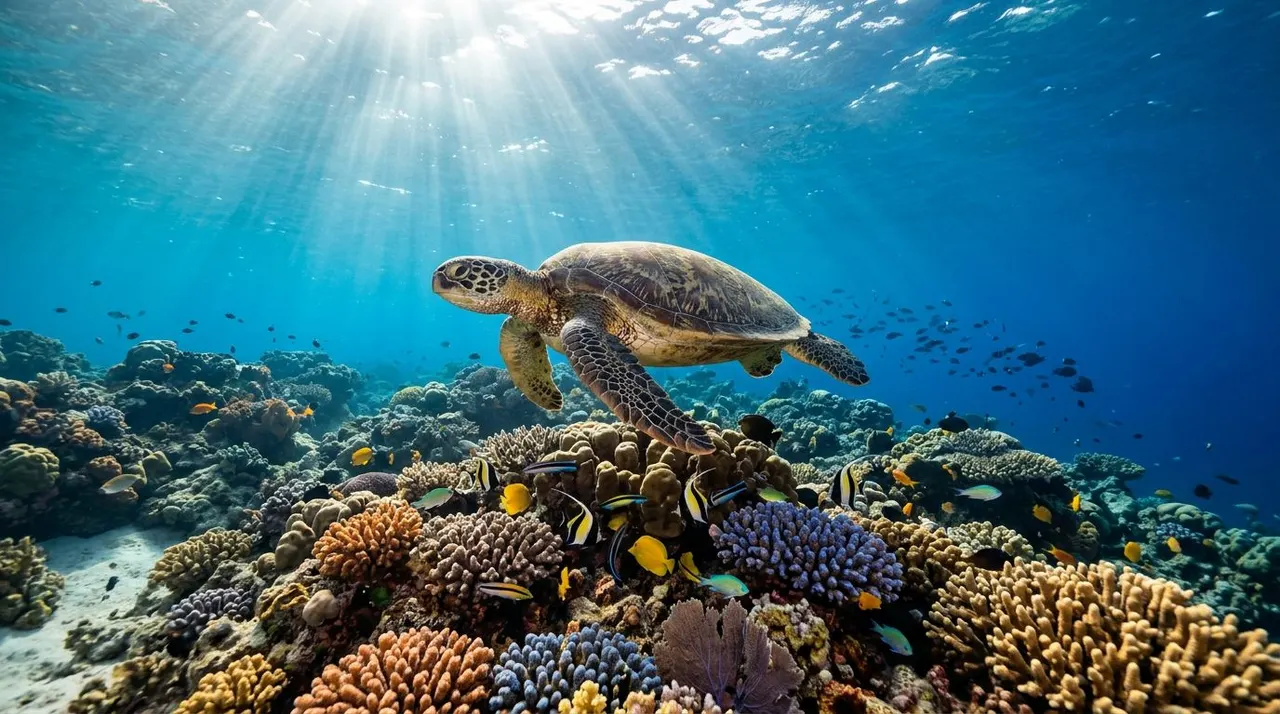
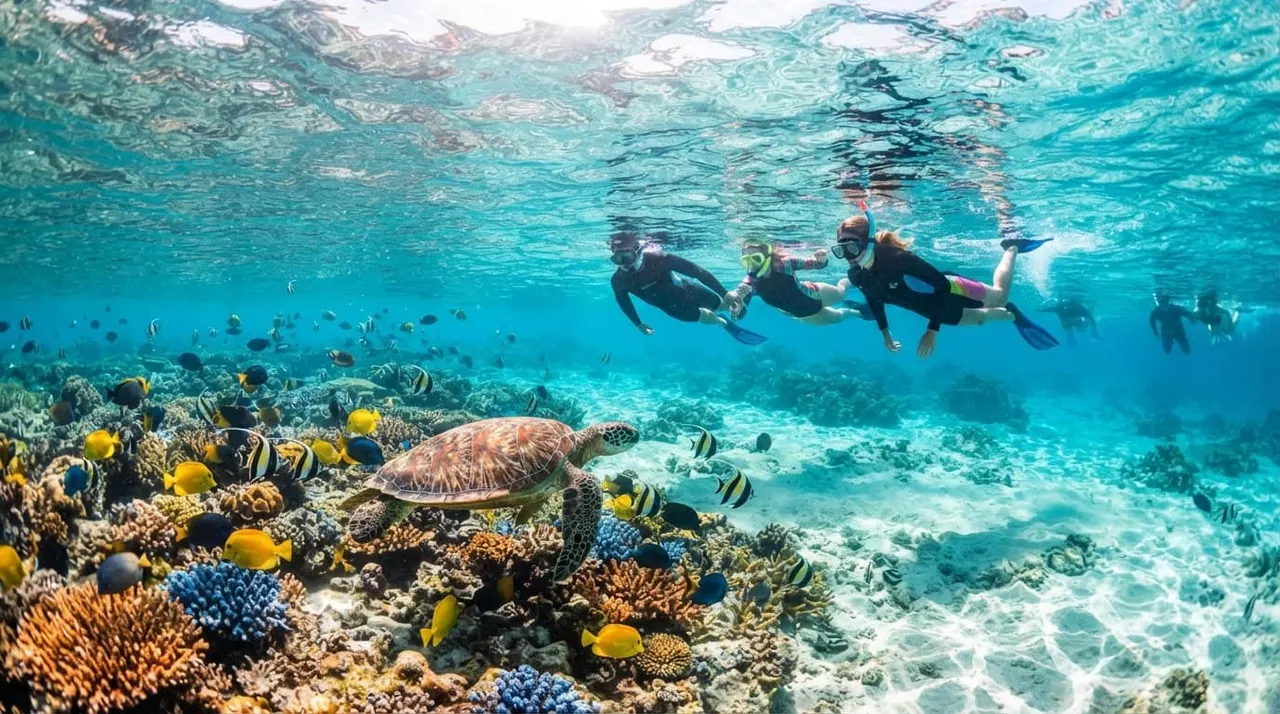
Sharks live in Hawaiian waters, but they aren’t a common sight at Turtle Canyon Oahu during a normal snorkel trip. Most visitors see Hawaiian green sea turtles, colorful reef fish, and clear water over rocky coral formations.
If you’re planning a Turtle Canyon Oahu excursion, you probably want an honest answer before getting in the water. A shark encounter is possible in any wild ocean habitat, yet sharks aren’t the wildlife you should expect to see at this Waikiki reef.
The reef’s calm conditions, professional guides, and responsible wildlife rules help you enjoy the ocean without treating rare sightings as a reason for alarm.
Are sharks common at Turtle Canyon Oahu?
No, sharks aren’t common near Turtle Canyon during typical recreational snorkeling trips. The area is better known for its natural turtle cleaning station, where Hawaiian green sea turtles visit reef fish that remove algae and other organisms from their shells.
Turtle Canyon is an open ocean reef area off Waikiki, so no tour operator can promise that a shark will never pass through. However, a shark moving through nearby water doesn’t mean it is actively approaching snorkelers. Most sharks avoid busy groups, boats, and surface activity.
You also won’t find tour operators feeding sharks at Turtle Canyon. Feeding wild animals changes their behavior and creates unsafe conditions for both wildlife and visitors. Responsible snorkeling keeps the focus on observation, not interaction.
A shark can be present somewhere in Hawaiian waters without being a likely encounter at the reef where you snorkel.
The most accurate answer is simple: sharks are possible, but they aren’t a regular part of the Turtle Canyon experience. Your guide will watch local conditions and explain what to do if marine life appears nearby.
Why sharks may pass near an Oahu reef
Sharks belong in Hawaii’s coastal ecosystem. They move through different habitats in search of food, shelter, or warmer and cooler water. Some species spend time around reefs, while others travel through deeper channels and open water.
Hawaiian green sea turtles and sharks can share the same coastline because they use the ocean in different ways. Green turtles feed on marine plants and rest near reef formations. Tiger sharks are natural predators of larger turtles, although that relationship doesn’t mean a shark is waiting near every turtle cleaning station.
You can read more about that relationship in this guide to green turtles and their predators. The presence of turtles tells you that the reef supports a healthy food chain, not that a predator is nearby.
Water conditions can also affect where animals travel. Currents may carry fish toward a reef, while murky water after heavy rain can reduce visibility and change animal activity. Those conditions may influence a shark’s movement, but they don’t make regular shark sightings at Turtle Canyon.
What you’ll most likely see at the reef
Hawaiian green sea turtles are the main attraction at Turtle Canyon. They often rest near the bottom, glide over the reef, or rise toward the surface for air. Seeing one move calmly through the blue water is memorable, especially when you give it plenty of space.
Small reef fish are also common. Depending on visibility and conditions, you may see schools of tropical fish moving around rocky outcrops and coral-covered surfaces. The reef can look different from one visit to the next because sunlight, current, and water clarity change the view.
A turtle may swim beneath you one minute and disappear behind a reef ledge the next. That unpredictability is part of wildlife snorkeling. You aren’t visiting an aquarium with scheduled appearances, so your guide will help you watch without chasing animals or crowding them.
Living Ocean Tours reports a 95% success rate for spotting Hawaiian green sea turtles on its Turtle Canyons Snorkel Excursion. That figure refers to turtle sightings, not sharks, and it reflects where the tour operates and how the crew guides guests through the area.
Remember the basic rule for every encounter: observe, don’t touch. Touching a turtle can stress the animal, damage its protective covering, and violate Hawaii’s wildlife protection rules.
How ocean conditions affect your snorkeling experience
The day’s ocean conditions matter more than a shark checklist. Wind, swell, current, visibility, and recent weather can all affect how comfortable and productive your time in the water feels.
Clear water helps you see turtles and fish from a safe distance. Strong current can make swimming harder, especially for first-time snorkelers or young children. If visibility drops or conditions become uncomfortable, your crew may adjust the route or recommend a different approach.
Morning trips often benefit from lighter winds, but conditions vary by day. You should choose a tour with a crew that checks the water instead of promising the same experience in every forecast.
Your own comfort matters, too. Tell the guide if you feel tired, nervous, or unsure about your swimming ability. Professional instruction can help you manage your breathing, use your mask correctly, and stay with the group.
Turtle Canyon Oahu is a better fit when you treat the trip as a guided wildlife encounter rather than a guaranteed animal show. You may see turtles immediately, or you may need patience while the crew finds the best viewing area.
What to do if you see a shark
If a shark appears, stay calm and follow your guide’s instructions. Don’t swim toward it, dive after it, or encourage other guests to move closer for a better photo.
Your group should remain together while the crew creates distance from the animal. A calm, organized response gives the shark room to leave and prevents panicked swimming. You should also avoid splashing and sudden movements while the guide directs everyone back toward the boat or another safe position.
Never enter the water if a lifeguard, harbor authority, or tour crew has posted a closure or safety warning. Shark reports can spread quickly online, but a single sighting doesn’t show how often sharks visit a particular reef. This public Oahu shark discussion shows why individual reports can create concern without providing a reliable frequency record.
Before you snorkel, listen to the safety briefing. Keep your mask and snorkel secure, use the boat ladder as instructed, and stay within the guide’s marked area. If you don’t feel comfortable entering the water, you can enjoy the reef from the boat and decide later.
These habits protect you, your group, and the marine life. They also make the experience easier for beginners who may feel nervous about open water.
Why a guided Turtle Canyon tour can make you more comfortable
Living Ocean Tours departs from Kewalo Basin Boat Harbor, a short drive from Waikiki Beach. The company offers guided ocean experiences along the Waikiki coastline, with professional crews focused on safety, marine life, and guest comfort.
Living Ocean Tours is the only tour company with professional snorkel guides. That guidance matters when you’re deciding whether a shark sighting is close, distant, or simply a dark shape moving across the reef. A trained guide can help you identify wildlife and respond without panic.
The two-hour Turtle Canyons Snorkel Excursion includes approximately one hour in the water. The crew supplies snorkeling equipment and provides instruction for first-time snorkelers, families, and experienced swimmers. You can review the company’s Honolulu ocean tours or see the dedicated Turtle Canyons Snorkel Excursion before choosing a departure.
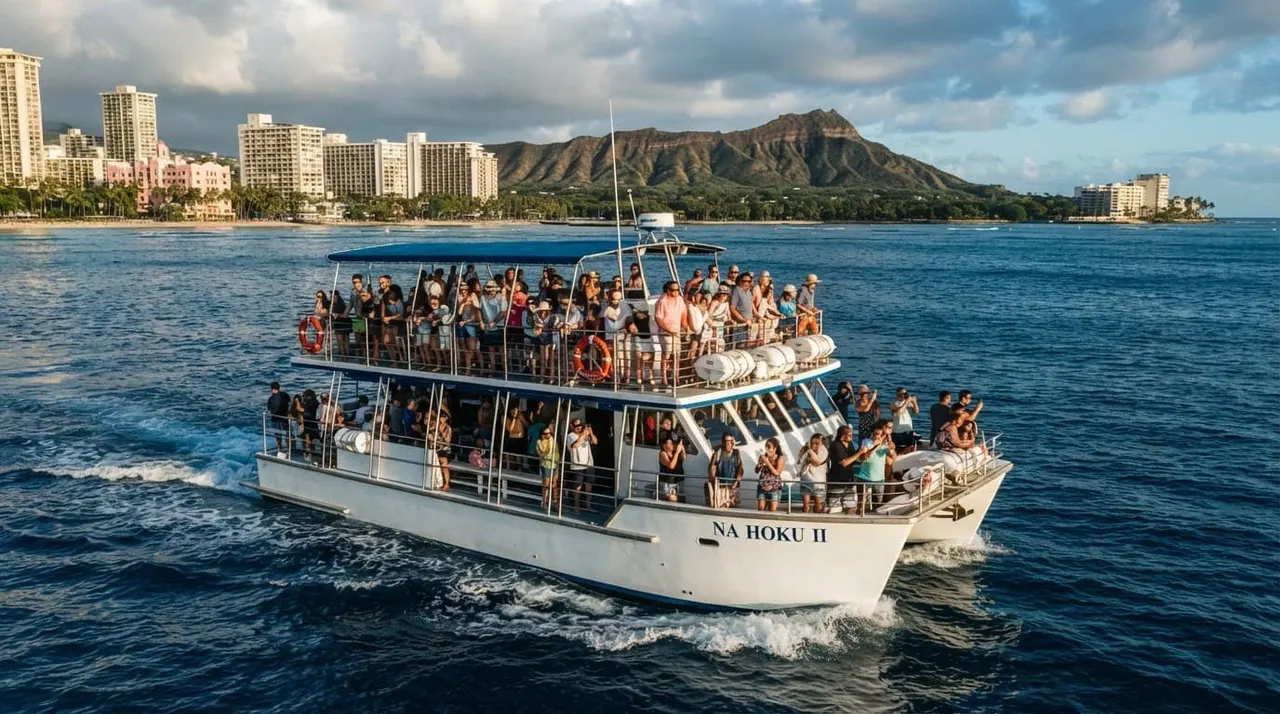
The fleet includes the Coast Guard-inspected Coral Kai and Lokahi, custom-built double-decker vessels with shaded seating, restrooms, dry storage, and sturdy ladders. The Lokahi also has a SeaKeeper stabilization system that reduces side-to-side rolling, which can help if you worry about seasickness.
If you’re ready to check current tour times, you can CHECK AVAILABILITY for the Turtle Canyon excursion.
The clear answer for your Turtle Canyon Oahu snorkel
Sharks are part of Hawaii’s ocean, but they aren’t common near Turtle Canyon on a normal snorkeling trip. You should expect the best chance of seeing Hawaiian green sea turtles, reef fish, and other marine life instead.
A professional guide helps you understand the conditions, keep a safe distance from wildlife, and respond properly if an unexpected animal appears. Choose a responsible tour, follow the crew’s instructions, and give every wild creature room to move.
At Turtle Canyon Oahu, the most rewarding encounter usually comes from slowing down and watching the reef as it is. The turtles don’t need you to chase them, and the ocean doesn’t need you to fear every shadow.


