
Turtle Canyon Oahu: How Green Turtles Outsmart Predators
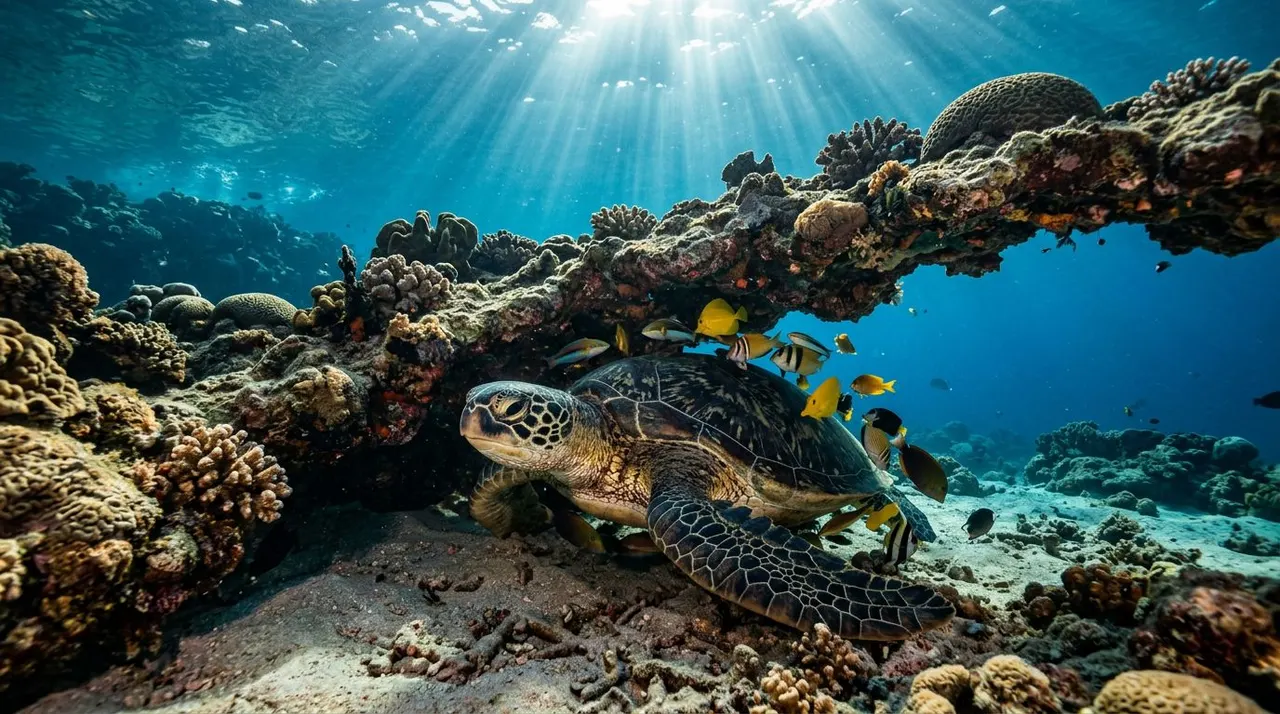
At Turtle Canyon Oahu, Hawaiian green sea turtles rest beneath rocky ledges while small reef fish clean their shells and flippers. The calm scene hides a constant survival story. Every honu must find food, conserve energy, and avoid predators in a busy reef environment.
When you snorkel here, you may see turtles hovering above coral, resting on the seafloor, or gliding away with surprising speed. Their survival depends on several natural defenses, including shelter, a strong shell, breath-holding ability, and careful use of the reef. To understand the encounter, start with the habitat that brings these animals together.
Why Turtle Canyon Oahu attracts green sea turtles
Turtle Canyon is a shallow offshore reef system near Waikiki’s south shore. Its coral formations create sheltered resting areas, while the surrounding water supports algae, reef fish, and other food sources. The site is also known for natural cleaning stations, where small fish remove algae, parasites, and dead skin from visiting turtles.
Cleaner wrasse and other reef fish provide a useful service. A turtle can remain nearly still while the fish work around its shell, neck, and flippers. This helps the turtle stay healthy without spending energy searching for food or rubbing against rocks.
The reef’s rocky overhangs offer another advantage. Green turtles can tuck beneath ledges when they rest, reducing their exposure in open water. These spaces also help them conserve energy between feeding trips and surface breaths.
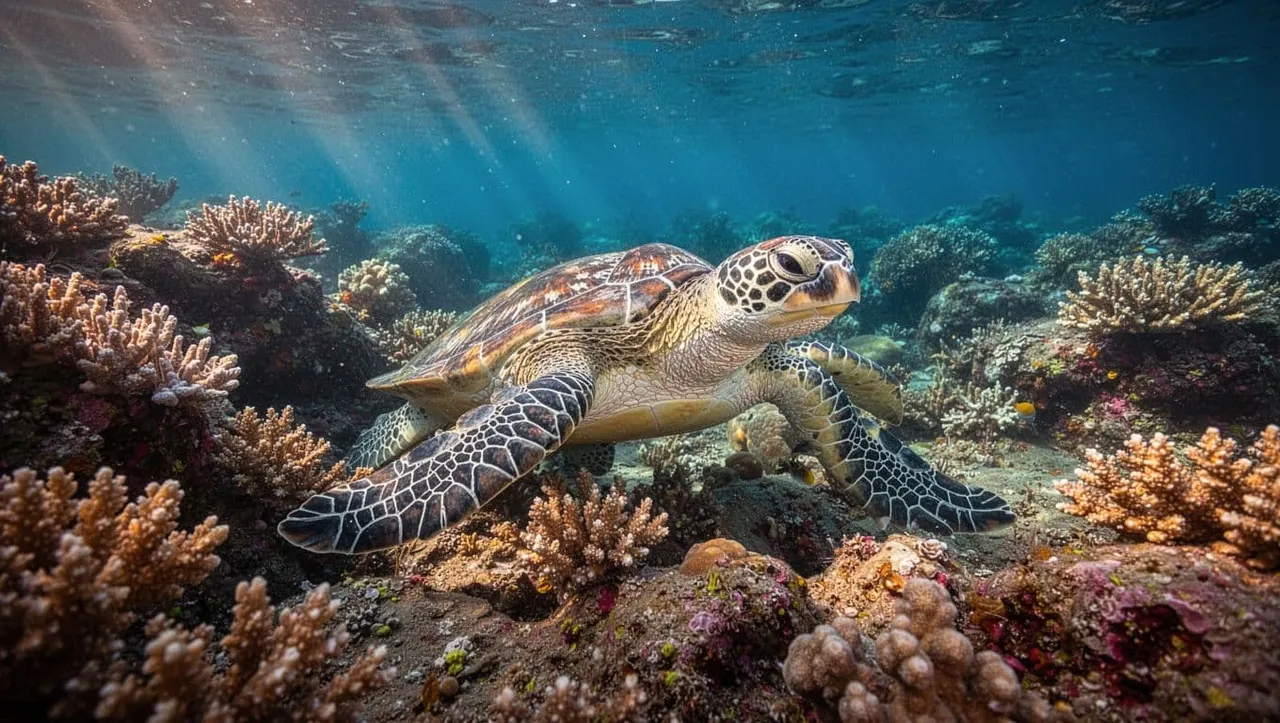
Adult Hawaiian green turtles mainly feed on algae and seagrass. Their movements often follow areas where food grows, but a cleaning station gives them another reason to return to a particular reef. Turtle Canyon combines both needs, food and maintenance, in one accessible marine habitat.
That concentration makes the reef exciting for you as a snorkeler. However, it also means you may see several turtles sharing limited shelter. Give each animal room to move, rest, and surface.
How green turtles defend themselves at Turtle Canyon Oahu
Green turtles don’t have teeth or aggressive hunting behavior. Their strongest defenses are physical design, fast reactions, and smart use of their surroundings.
First, the turtle’s shell protects its back and vital organs. It isn’t an impenetrable shield, but it creates a hard surface that makes an attack more difficult. If a predator approaches from above or behind, the turtle may turn its shell toward the threat.
Second, powerful front flippers allow a honu to accelerate quickly. A turtle that appears slow while resting can move with force when it needs to escape. It may angle toward a ledge, change direction sharply, or swim into deeper water.
Turtles also hold their breath for long periods. That ability allows them to remain underwater while resting beneath a ledge. It gives them more options than an animal that must return to the surface every few seconds. A general overview of Hawaiian green turtle adaptations also describes their breath-holding ability and short bursts of speed in this turtle biology guide.
The reef itself is part of the defense system. Coral heads, lava formations, and overhangs break up clear sightlines. A turtle can use these structures to limit a predator’s approach or disappear from view. Open water leaves fewer places to turn, so sheltered reef habitat matters.
A resting turtle isn’t helpless. It is conserving energy in a location that gives it cover, access to cleaner fish, and a quick route away.
You may notice a turtle lifting its head, shifting its flippers, or swimming away before any obvious threat appears. Those movements don’t necessarily mean a shark is nearby. Turtles respond to boats, swimmers, fish, changing currents, and other disturbances. Still, the safest response is always the same: keep your distance and let the animal choose where to go.
Which predators threaten Hawaiian green turtles?
In Hawaiian waters, tiger sharks are the primary natural predators of large juvenile and adult green turtles. They can hunt in shallow reefs, seagrass areas, and open water. A tiger shark’s size and powerful jaws make it a serious threat, even to a mature honu.
Whitetip reef sharks are also part of Hawaii’s reef ecosystem. You may find them resting beneath lava overhangs or cruising near the seafloor. They are generally smaller than tiger sharks and often avoid people. Seeing one near a reef doesn’t mean it is pursuing a turtle.
Direct shark encounters at Turtle Canyon are generally described as rare. The reef can support sharks, but that doesn’t mean sharks constantly patrol the turtle cleaning stations. Marine animals move with food availability, water conditions, and their own habits.
Other threats affect green turtles at different life stages. Eggs and hatchlings face danger from birds, crabs, rats, mongoose, dogs, and pigs on land. Juveniles and adults face fishing gear, boat strikes, habitat damage, disease, and plastic pollution. A 2025 study of Hawaiian green turtle strandings found hook-and-line fishing gear was a leading concern, which makes responsible boating and fishing practices important for the species. You can review the study’s findings on fishing gear injuries in Hawaiian green turtles.
Turtle Canyon Oahu is not a staged wildlife encounter. You may see a turtle resting peacefully, a cleaner fish working near its shell, or a shark moving across the reef. You may also see none of those animals on a particular visit. Respect for that uncertainty keeps the experience honest and protects the habitat.
How to snorkel around turtles without adding risk
Your behavior in the water affects the animals you came to see. A turtle may appear comfortable near swimmers, but that doesn’t mean you should approach closely or touch it.
Keep your body relaxed and maintain a respectful distance. Never chase a turtle, block its path, surround it, or follow it when it swims away. If a turtle rises toward the surface, move aside and leave a clear route for breathing.
You should also avoid standing on coral or grabbing rocks. Coral may look solid, but many living organisms form the reef’s surface. One careless kick can break a structure that took years to grow.
Follow these simple practices during your snorkel:
- Observe turtles from the side rather than swimming directly above them.
- Keep your fins away from coral, rocks, and resting animals.
- Avoid touching shells, flippers, or cleaner fish.
- Follow your guide’s instructions about entry, spacing, and current conditions.
- Take photos without using flash directly in an animal’s face.
The “observe, don’t touch” rule protects more than the turtle. Cleaner fish need the station to remain calm, and other snorkelers need space to move safely. When you keep your distance, you see more natural behavior and reduce stress for the entire reef community.
Choosing a guided Turtle Canyon snorkeling tour
A boat tour gives you a practical way to reach the offshore reef without attempting a long, unsafe swim from shore. Living Ocean Tours operates from Kewalo Basin Boat Harbor, a short distance from Waikiki, and focuses on guided ocean experiences along the Honolulu coast.
The company’s signature Turtle Canyons Snorkel Excursion visits the turtle cleaning station and reports a 95% success rate for spotting Hawaiian green sea turtles. Living Ocean Tours is also the only tour company with professional snorkel guides, giving first-time swimmers and experienced snorkelers direct support in the water.
You can browse the company’s Honolulu ocean tours to compare available experiences. The crew provides instruction, safety guidance, and help with equipment, so you don’t need advanced snorkeling skills to participate.
Living Ocean Tours uses Coast Guard-inspected, custom-built double-decker boats called the Coral Kai and the Lokahi. Both vessels include shaded seating, restrooms, dry storage, and sturdy ladders for water entry. The Lokahi also has a SeaKeeper stabilization system, which helps reduce rolling and may make the ride more comfortable for guests who worry about seasickness.
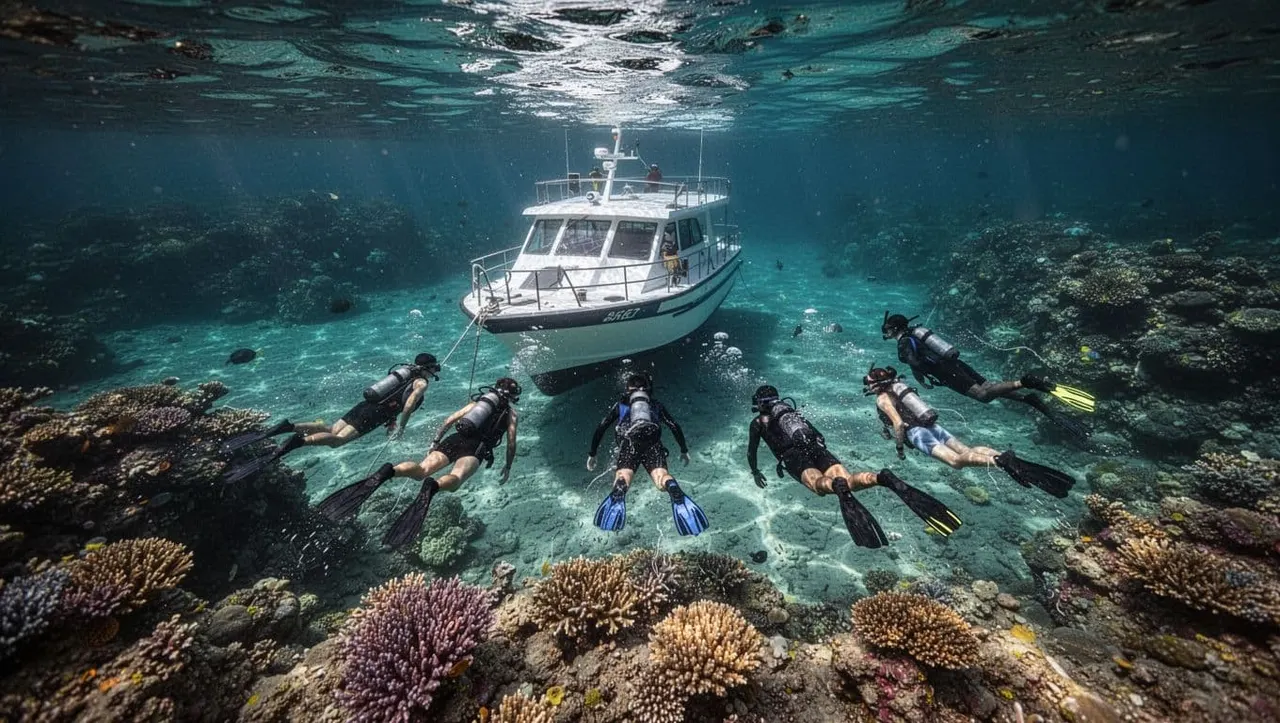
Families can ask the crew about flotation support and water-entry assistance. Couples may prefer a quieter morning or afternoon departure before pairing the snorkel with another Waikiki activity. Either way, a professional guide helps you focus on the reef instead of guessing where to swim.
The company also offers a deluxe snorkeling and wildlife cruise with access to a boat-mounted waterslide, water trampoline, and floating lily pad. Those features suit families and active groups, while the Turtle Canyon excursion keeps the focus on reef life and turtle behavior.
If you want to look for a date on the dedicated booking calendar, use the turtle tour’s CHECK AVAILABILITY link.
What your Turtle Canyon encounter should look like
A good turtle encounter feels calm. You may watch a honu glide over the reef, settle under a ledge, or pause while cleaner fish move across its shell. The best moments often happen when you stop trying to get closer.
At Turtle Canyon Oahu, predators are part of the same ecosystem that supports the turtles. Tiger sharks remain a natural threat, while reef structures, strong flippers, breath-holding ability, and sheltered cleaning stations help green turtles survive.
Your role is simple. Listen to your guide, keep your hands to yourself, protect the coral, and allow wildlife to set the distance.
Conclusion
Turtle Canyon Oahu gives you a close look at how Hawaiian green turtles survive in a living reef system. Their shells, speed, breath-holding ability, and use of rocky shelter help them avoid predators, while cleaning stations support their health.
Tiger sharks are the main natural threat to adult honu, but shark sightings near the snorkeling site are uncommon. When you observe without touching or chasing, you protect the turtles and preserve the quiet behavior that makes the encounter special.


