
Turtle Canyon Oahu: How Plastic Harms Green Turtles
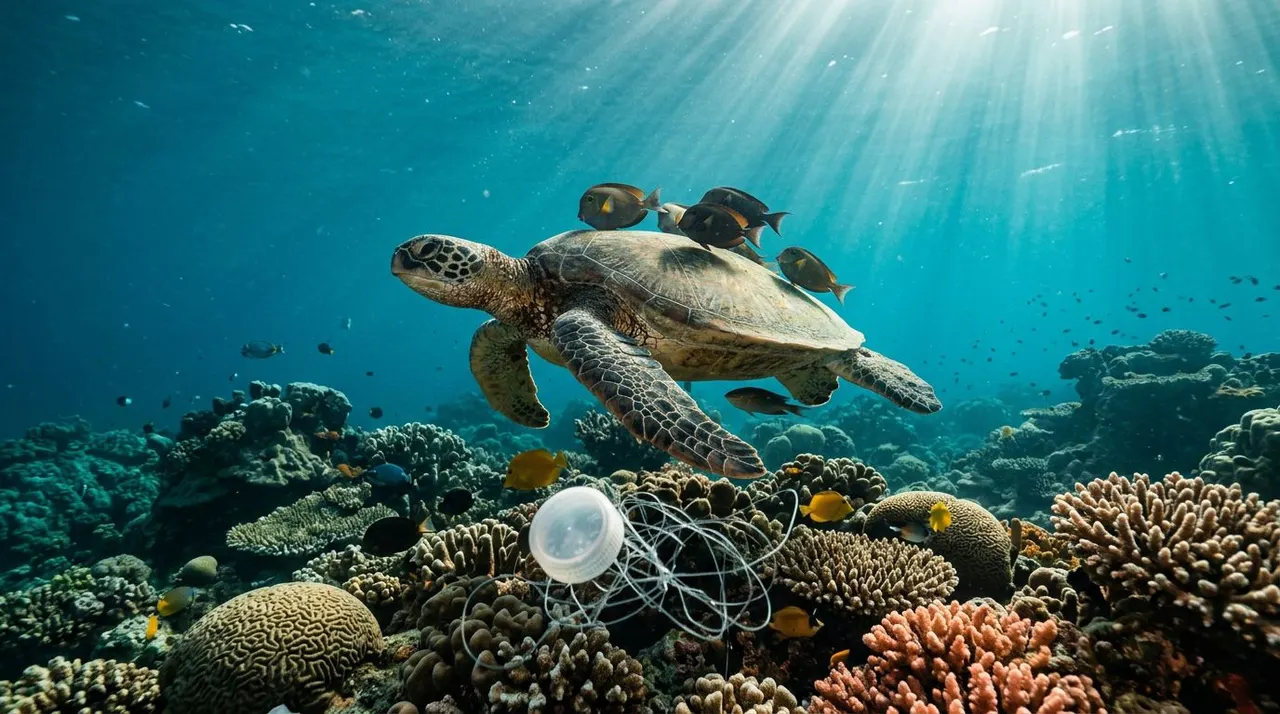
Plastic can turn a clear snorkel into a warning when a turtle glides past a bottle cap or a loop of fishing line. At Turtle Canyon Oahu, you may see Hawaiian green turtles resting near coral or visiting a natural cleaning station, but the surrounding ocean also carries debris that can injure them.
You can help protect these honu by understanding how plastic affects their health and changing how you snorkel, pack, and respond to debris. First, it helps to understand why this popular reef area matters.
Why Turtle Canyon Oahu Matters to Oahu’s Honu
Turtle Canyon is a nearshore reef and snorkeling site off Waikiki. Its warm, sheltered water attracts Hawaiian green sea turtles, known locally as honu, along with tropical fish and other reef life. Turtles often visit cleaning stations where small reef fish remove algae and organisms from their shells.
For you, a calm turtle encounter can become the highlight of an Oahu vacation. However, every encounter requires space and patience. Honu are wild animals, not performers. They need room to swim, breathe, rest, and leave the area without being followed.
A healthy reef also depends on clean water. When plastic enters the ocean, currents can carry it toward shorelines, reefs, and areas where turtles feed. Debris may arrive from storm runoff, beach litter, fishing activity, or equipment that breaks loose offshore.
There isn’t a credible public study showing a Turtle Canyon-specific plastic mortality count. That doesn’t make the concern distant. Turtles seen at Turtle Canyon move through broader Hawaiian waters, where discarded fishing gear, floating plastic, and polluted runoff create documented risks.
Hawaiian green turtles can mistake debris for food, especially when algae and other organisms grow on floating plastic. The Sea Turtle Status guide to plastic pollution explains why the smell of marine growth can make plastic more attractive to sea turtles.
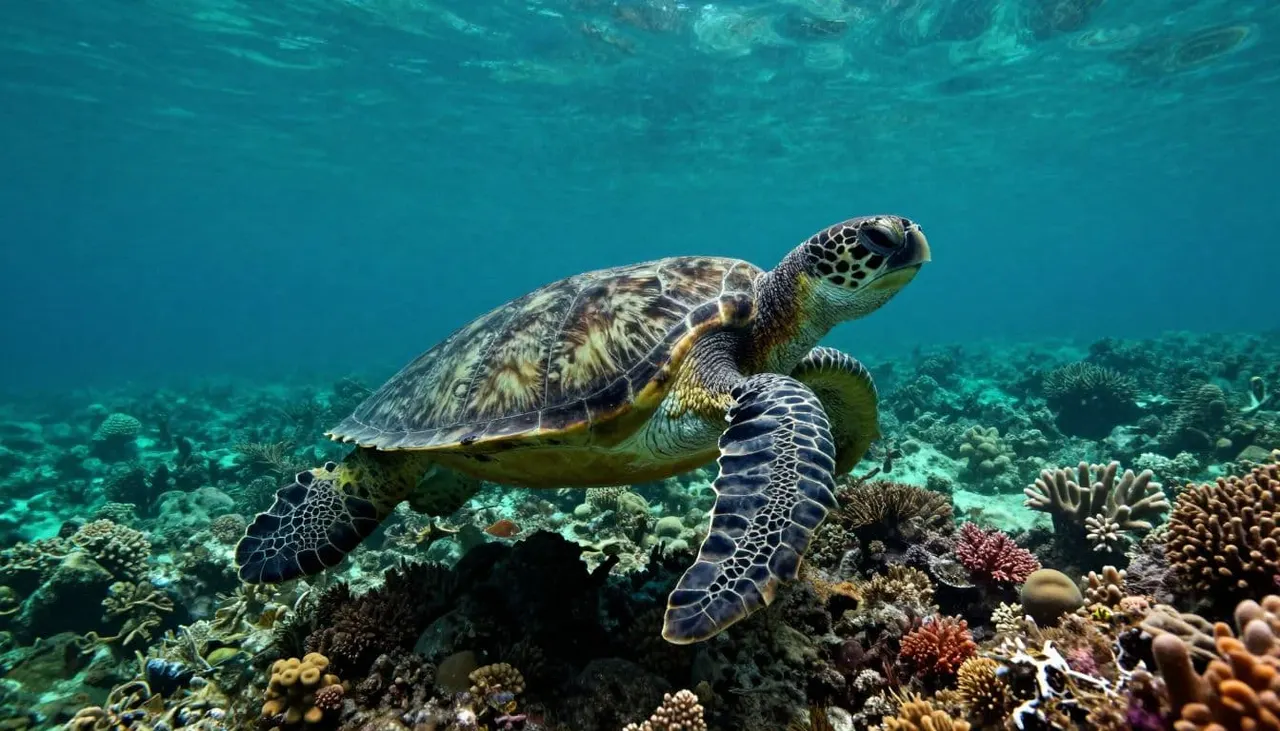
How Plastic Debris Harms Green Turtles at Turtle Canyon Oahu
Plastic harms honu in two main ways: ingestion and entanglement. Both problems can begin with a small piece of debris that seems harmless beside a large ocean.
Plastic ingestion can cause internal injuries
Green turtles may swallow plastic bags, wrappers, fragments, balloons, and pieces of fishing equipment. Some debris floats at the surface, while other pieces drift through the water column or collect along currents.
Once swallowed, plastic can block the digestive tract or scrape internal tissue. It can also take up space that should hold food, causing dietary dilution and poor nutrition. A turtle may feel full while receiving little usable energy.
The problem can affect buoyancy, too. Debris and trapped gas may make it difficult for a turtle to dive or return to the seafloor. A turtle that cannot control its position may struggle to feed, avoid predators, or rest normally.
A review in the ICES Journal of Marine Science connects marine debris ingestion with intestinal blockage, internal injury, reduced growth, poor health, and death across several sea turtle species.
Research on pelagic-phase turtles also found plastic in 90% of sampled green turtles, although the sample was small. That finding doesn’t mean every turtle at Turtle Canyon has swallowed plastic. It shows how common exposure can become in ocean habitats.
Fishing line and nets can stop a turtle from breathing
Discarded fishing line creates a different danger. A line can wrap around a flipper, neck, or shell. Hooks can lodge in tissue, while nets can restrict movement or trap a turtle underwater.
Because turtles must surface to breathe, entanglement can become fatal even when the animal appears strong. A struggling turtle may lose the ability to swim efficiently, escape predators, reach food, or return to the surface.
Young turtles face added risks because they may gather around floating objects that offer food or shelter. A piece of rope or net can look like part of that floating habitat. As the turtle grows, the material may tighten around its body.
Plastic debris also breaks into smaller fragments over time. Sunlight, waves, and friction turn larger items into pieces that spread through the water. Removing one bottle or line from the ocean prevents it from becoming many smaller hazards.
A turtle doesn’t need to swallow a large bag to suffer. Small fragments can block digestion, reduce nutrition, and cause internal damage over time.
How You Can Snorkel Without Harming Honu
Your behavior in the water matters because turtles respond to pressure from swimmers and boats. When several people surround one turtle, the animal may abandon a resting or cleaning area. Give honu a clear path to the surface and never position yourself directly in front of one.
Observe, don’t touch
Keep your hands to yourself, even when a turtle swims close. Touching can damage the protective layer on its shell or skin, transfer bacteria, and disrupt natural behavior. Feeding a turtle can also make it associate people with food.
You should never chase, block, ride, or corner a honu. Stay calm, keep your movements slow, and let the turtle decide how close it wants to come. If it changes direction because of your group, back away and give it more room.
Avoid standing on coral while you watch. Coral takes years to grow, and a single careless step can break living branches or crush small organisms. Use your flotation equipment, maintain steady breathing, and listen to your guide’s instructions.
Prevent loose debris before it reaches the water
Before your boat leaves the harbor, secure every item that could blow away. Check wrappers, water bottles, phone cases, hats, straps, and loose snorkel accessories. A small object that slips from a deck can travel far after the wind carries it offshore.
You can reduce your own plastic use by bringing a refillable bottle and choosing products with less packaging. Keep snack wrappers in a closed bag until you reach a trash or recycling bin.
If you see fishing line or other debris near a turtle, don’t grab it while the animal is close. Signal your guide and allow trained crew members to decide whether removal is safe. Never pull a line attached to a turtle, reef, boat, or submerged structure.
A responsible snorkeling trip should leave the reef as you found it, or cleaner when trained crew can safely remove floating litter. Your choices protect wildlife while also helping other visitors enjoy a natural encounter.
Experiencing Turtle Canyon Safely with Living Ocean Tours
Living Ocean Tours departs from Kewalo Basin Boat Harbor, just minutes from Waikiki Beach. The company offers guided ocean experiences with a strong focus on safe wildlife viewing and respect for Hawaii’s marine environment.
Its Turtle Canyons Snorkel Excursion visits the reef’s natural turtle cleaning station. Living Ocean Tours reports a 95% success rate for spotting Hawaiian green sea turtles, although no responsible operator can promise that wildlife will appear on every trip.
The crew includes professional snorkel guides, and Living Ocean Tours is the only tour company with professional snorkel guides. That support helps first-time swimmers, families, and experienced snorkelers understand how to enter the water safely and observe animals without crowding them.
The Coast Guard-inspected fleet includes the Coral Kai and Lokahi, custom-built double-decker vessels with shaded seating, restrooms, dry storage, and heavy-duty ladders. The Lokahi also has a SeaKeeper stabilization system that keeps the boat steadier, which can help reduce seasickness before and after your snorkel.
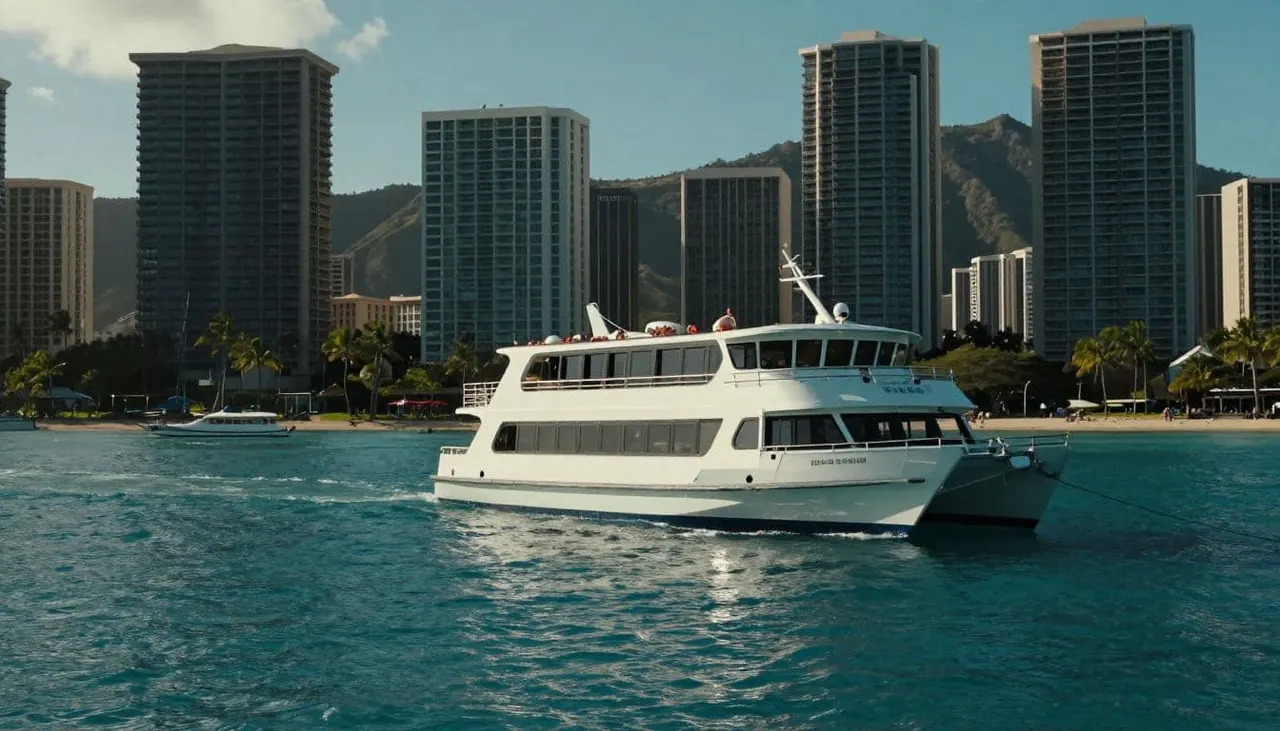
You can browse the company’s guided ocean tours in Honolulu to compare snorkeling and wildlife experiences. During the Turtle Canyon trip, guides reinforce the same habits that protect honu: observe without touching, keep your distance, and leave coral and debris undisturbed unless crew members manage the removal.
Living Ocean Tours also supports beginners who may feel uncertain about open-water snorkeling. You receive equipment, safety guidance, and in-water direction from the crew, so you can focus on the reef while treating the animals with care.
You can CHECK AVAILABILITY for the Turtle Canyons Snorkel Excursion.
Protecting Turtle Canyon Starts With Small Choices
Plastic pollution can injure green turtles through ingestion, entanglement, starvation, and drowning. The threat isn’t limited to one reef, but every clean shoreline and debris-free snorkeling site gives honu a safer place to feed, rest, and surface.
When you visit Turtle Canyon Oahu, keep your distance, secure your belongings, and follow your professional guide’s instructions. The most memorable turtle encounter is one where the honu leaves calmly, and the reef remains healthy after you go.


