
Turtle Canyon Oahu: How Green Turtles Sleep Underwater
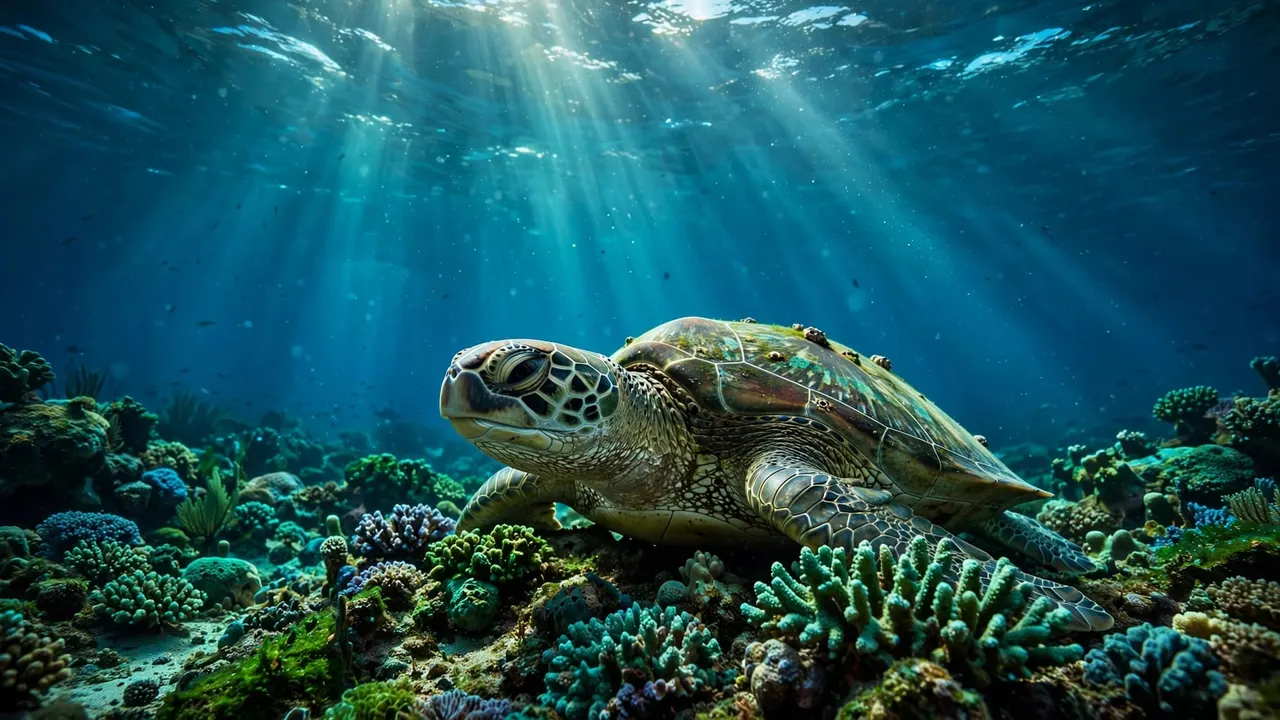
A motionless turtle beneath Waikiki’s blue water can look as if it has fallen asleep mid-swim. At Turtle Canyon Oahu, you may see a Hawaiian green sea turtle, known locally as honu, resting near the reef before it rises calmly for air.
That quiet moment is easy to misread. A turtle that appears still may be resting, visiting a cleaning station, or simply conserving energy. When you observe patiently, you get a more honest view of wild ocean life.
Key Takeaways
- A green turtle’s stillness underwater doesn’t prove it is asleep, because resting behavior can look similar from the surface.
- Turtle Canyon is an offshore Waikiki reef area where honu often visit natural cleaning stations.
- Hawaiian sea turtles are protected wildlife, so you should give them room to surface, rest, and move freely.
- Living Ocean Tours departs from Kewalo Basin Boat Harbor near Waikiki and is the only tour company with professional snorkel guides.
- Your best turtle encounter happens when you float calmly, avoid contact, and let the animal set the pace.
Turtle Canyon Oahu and a Resting Honu
Turtle Canyon sits offshore from Waikiki, where reef habitat draws Hawaiian green sea turtles. The area is known for natural cleaning stations, where small reef fish pick algae and other material from a turtle’s shell and skin.
When you snorkel here, you are entering an active reef, not an aquarium. A honu may glide past you, pause near coral, hover in the water column, or head toward the surface for a breath.
A cleaning station can look like a nap spot
A turtle receiving attention from cleaner fish may barely move for several minutes. Its slow pace can make it look asleep, especially when it settles near a ledge or holds position above the reef.
Still, that calm scene is not proof of sleep. It may be routine maintenance, a rest period, or a pause before the turtle continues through its usual feeding area.
The turtle chooses the encounter
Wildlife sightings change with ocean conditions and the turtles’ own behavior. Some outings bring close views of several honu, while another may offer only a brief glimpse of one turtle moving through deeper water.
Living Ocean Tours reports a 95% turtle-sighting success rate on its Waikiki trips, although no responsible operator can promise a wild animal will appear. You can browse Turtle Canyon snorkeling tours in Waikiki when you want a boat-based visit with provided gear and in-water support.
What Green Turtles May Do When They Sleep
Sea turtles breathe air, so they must surface regularly. However, when they rest, their activity level drops and they can remain underwater for extended periods before taking another breath.
Maui Ocean Center explains that green turtles can stay below for many hours depending on their size. That statement describes their underwater capacity, not a fixed sleep schedule or a guaranteed length of rest.
Resting and sleeping are not the same observation
A snorkeler cannot confirm sleep by looking at a turtle from above. A turtle resting near the reef may be alert enough to respond to nearby activity, then swim away when it chooses.
For that reason, treat a still turtle as an animal that needs space. Don’t assume it wants a closer photo, a swimmer beside it, or a camera pointed inches from its shell.
Their slow pace saves energy
Adult green turtles spend much of their time in coastal waters, where they feed, travel, rest, and surface. According to NOAA Fisheries’ green turtle profile, adults are primarily herbivores that eat algae and seagrasses.
A quiet reef stop can help a turtle conserve energy between feeding and travel. That is why your calm body position matters. Fast kicks, splashing, and pursuit can interrupt the very behavior you came to see.
Why a Turtle Surfaces So Calmly
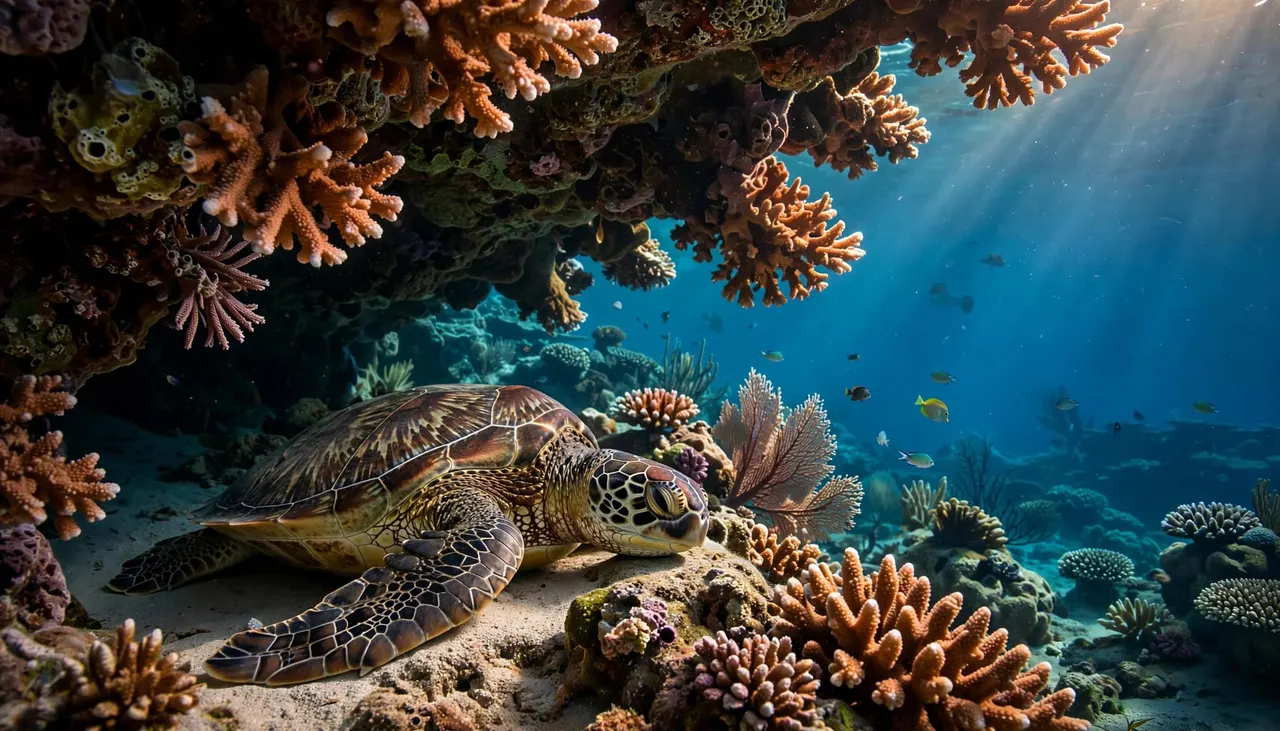
A surfacing honu may lift its head slowly, take a breath, and sink again without much fuss. That relaxed movement is part of its normal routine, not an invitation to swim closer.
If you see a turtle come up near you, stay in place and let it choose its direction. You will often get a better view by doing less.
Give the turtle a clear path
Avoid swimming directly over a turtle or boxing it in with your group. A honu needs open water to surface, feed, and return to the reef without changing course.
Keep your fins controlled, especially in shallow areas. Coral is alive, and a careless kick can damage both reef habitat and the wildlife that depends on it.
Watch the whole reef, not only the shell
Turtle Canyon Oahu offers more than a turtle sighting. You may also see colorful reef fish, rays, eels, and shifting coral formations below the surface.
When you look beyond one animal, you become a calmer snorkeler. That patience also lets you notice the difference between a turtle cruising with purpose and one resting quietly near the reef.
A turtle that moves slowly or rests near coral is not automatically sick or asleep. Distance gives you the clearest view of its natural behavior.
How to Respect a Resting Sea Turtle
Hawaiian sea turtles are protected under the Endangered Species Act and Hawaii Revised Statutes Chapter 195D. Review the Hawaii DLNR sea turtle protections before you enter the water.
Your role is simple. Observe without touching, feeding, chasing, surrounding, or blocking a turtle. If a honu approaches you, remain calm and allow it to pass.
Let guides manage the group
A professional guide can help you stay oriented, select a comfortable floatation option, and keep a respectful position around marine life. This matters even more if you are snorkeling for the first time or swimming with children.
Listen to the briefing before you enter the water. Tell the crew if you are uneasy with your mask, breathing, or fin fit. Small adjustments at the boat can make your time over the reef much more relaxed.
Report trouble without intervening
A turtle may look weathered, carry algae, or move slowly without being in distress. However, fresh wounds, fishing line, restricted flipper movement, or clear trouble swimming deserve attention from trained responders.
Stay back, alert your guide, and report injured or dead sea turtles to NOAA’s Hawaii Marine Wildlife Hotline at (888) 256-9840. NOAA also shares guidance on keeping Hawaii honu safe around tourism.
Snorkel Turtle Canyon With Living Ocean Tours
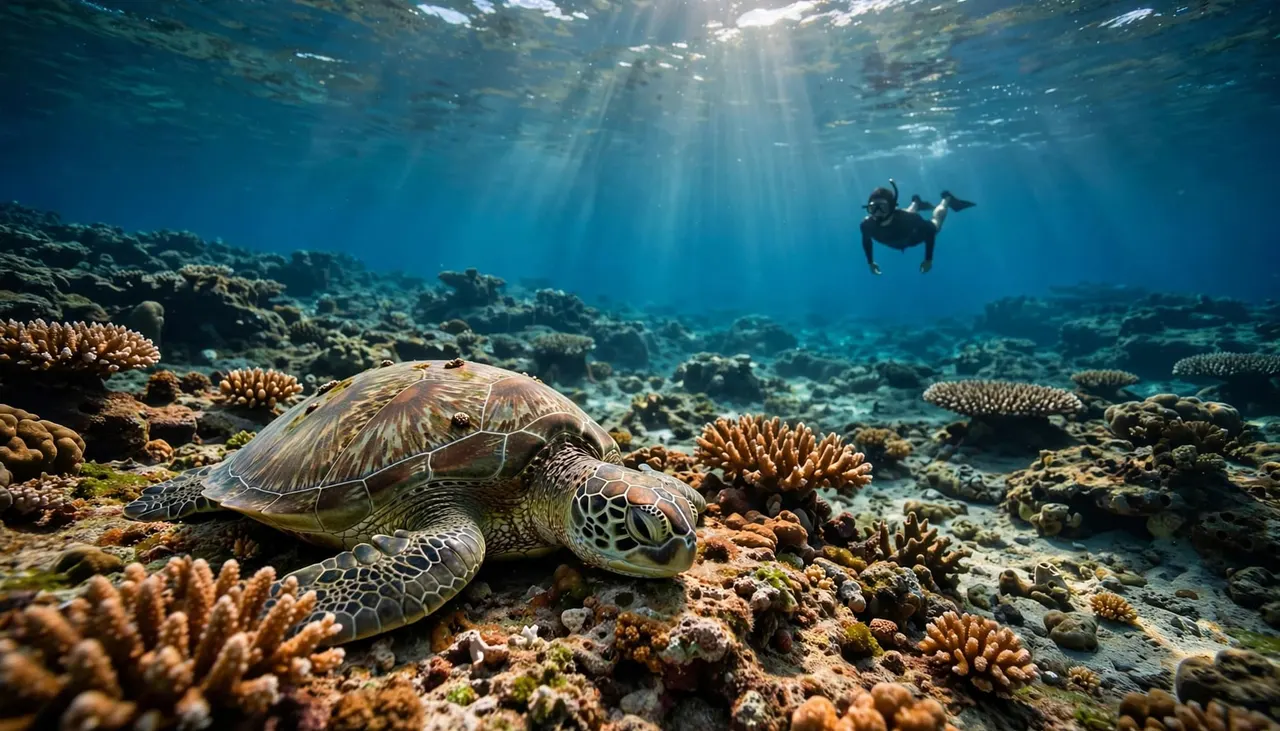
Living Ocean Tours operates from Kewalo Basin Boat Harbor, only minutes from Waikiki. Its Coast Guard-inspected double-decker vessels offer shaded seating, onboard restrooms, dry storage, and sturdy ladders for easier water entry.
You also get the only tour company with professional snorkel guides. That hands-on support helps beginners settle into the water while experienced snorkelers focus on the reef and its wildlife.
A comfortable way to reach the reef
The Turtle Canyons Snorkel Excursion brings you to Waikiki’s well-known turtle cleaning station with snorkel gear and instruction included. You can ask for extra help before entering, then swim at a pace that feels comfortable.
Couples can share a relaxed wildlife experience, while families can stay close to the guides. Most importantly, everyone gets clear expectations for respectful turtle viewing.
Marked turtles can help research
Some honu carry white alphanumeric markings on their shells. Those markings help researchers identify individual turtles over time.
Do not swim closer to read a marking. Instead, learn how to submit a useful sighting through NOAA’s Honu Count reporting program.
Build a Waikiki Day Around the Water
If your family wants a broader reef outing, the Deluxe Waikiki Snorkeling and Wildlife Cruise combines snorkeling with a boat-mounted waterslide, water trampoline, and floating lily pad. Reserve your preferred date with CHECK AVAILABILITY.
After your snorkel, you can stay close to the water on a Waikiki sunset cruise. A CHECK AVAILABILITY link lets you plan an evening on the Pacific without another early start.
Friday visitors can add a harbor-view fireworks cruise with CHECK AVAILABILITY. During Hawaii’s winter humpback season, January through March, you can also check CHECK AVAILABILITY for whale watching.
Frequently Asked Questions
Can you tell if a green turtle is asleep underwater?
You cannot confirm sleep from a quick snorkel observation. A turtle may be resting, hovering near cleaner fish, conserving energy, or pausing before it surfaces. Give it room regardless of what you think it is doing.
Is Turtle Canyon good for beginner snorkelers?
A guided boat trip can work well for beginners when you are honest about your swimming comfort. Ask for gear assistance, use floatation support if it helps, and follow your professional snorkel guide’s instructions in the water.
What should you do if a turtle swims toward you?
Remain calm and hold your position if you can do so safely. Do not reach for the turtle or follow it. Let the honu decide where it wants to go, then keep watching from a respectful distance.
A Better Turtle Canyon Encounter
Turtle Canyon Oahu gives you a rare look at a honu’s everyday reef life, whether it is gliding past coral, pausing at a cleaning station, or resting between breaths. You do not need to identify sleep to appreciate the moment.
When you keep your distance and stay patient, you protect the turtle’s freedom to behave naturally. That is what makes a respectful wildlife encounter worth remembering.


