
Turtle Canyon Oahu: Carapace and Plastron Explained
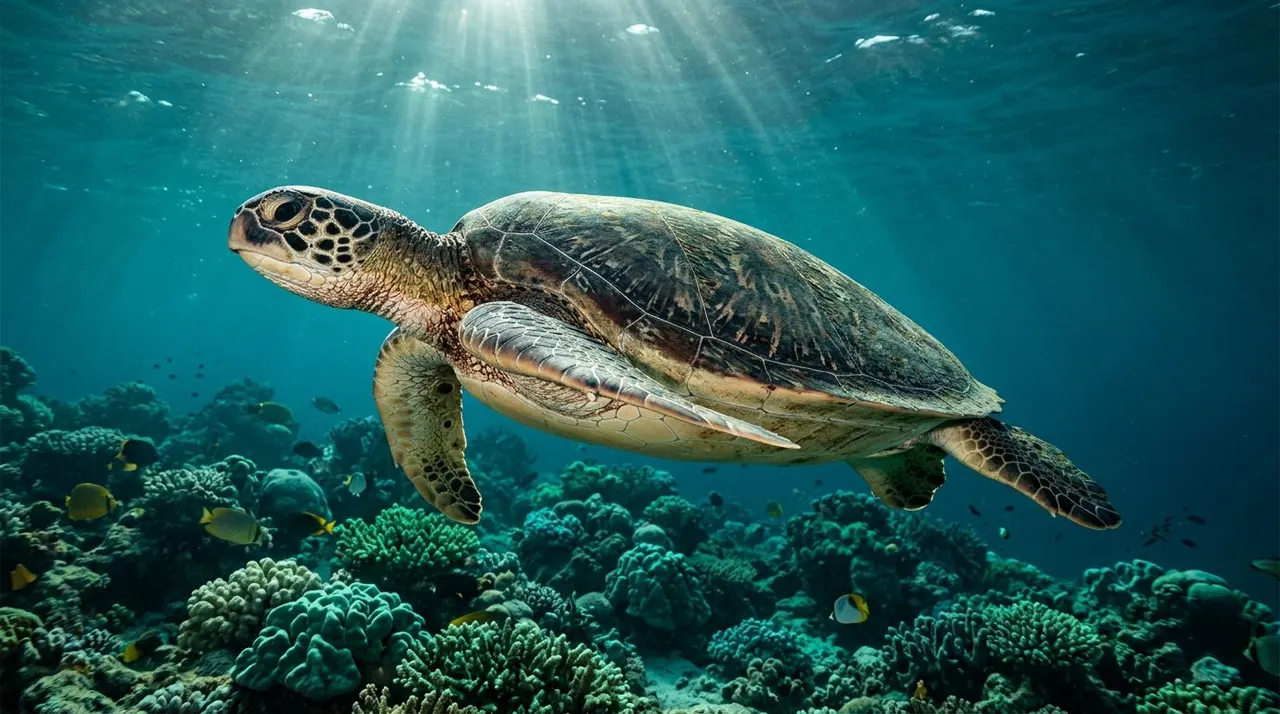
At Turtle Canyon Oahu, a sea turtle’s most noticeable feature is its shell. That shell has two main parts, and learning the difference between the carapace and plastron helps you understand what you’re seeing underwater.
Many visitors search for Turtle Canyon Oahu because they want to see Hawaiian green sea turtles in their natural habitat. You don’t need to be a marine biologist to recognize the turtle’s upper shell, lower shell, and the bony connection between them. A few simple terms can make your snorkeling experience more meaningful.
What carapace and plastron mean
In plain language, the carapace is the turtle’s upper shell. The plastron is the lower shell, or the section covering the belly. Together, they form the main protective structure around the turtle’s body.
The shell isn’t a removable case. It connects to the turtle’s skeleton and grows with the animal. The carapace and plastron also connect along the sides through structures called bridges.
The carapace covers the turtle’s back
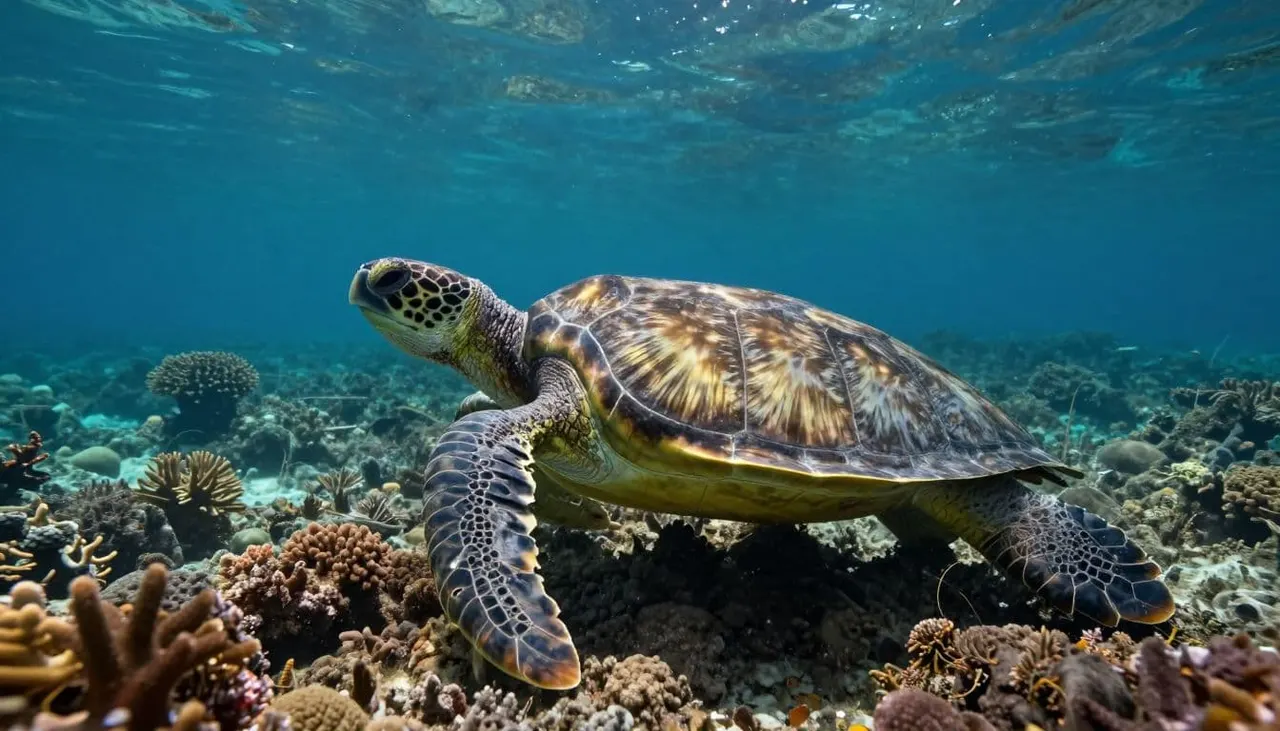
When you watch a turtle swimming below you, the broad, rounded surface is the carapace. It protects the spine, ribs, and internal organs from above.
A Hawaiian green sea turtle usually has an olive, brown, or mottled upper shell. Color and pattern vary between individuals, so you shouldn’t use appearance alone to identify a turtle. The shape is easier to recognize, especially when the animal glides over the reef.
The carapace also helps the turtle move through the water. Its curved shape gives the body protection while keeping the animal streamlined enough for swimming.
The NOAA green turtle profile explains that green turtles are the largest hard-shelled sea turtles. It also describes the carapace and plastron as important features in the species’ life cycle.
The plastron protects the belly
The plastron covers the underside of the turtle. You may see it when a turtle angles upward, turns beside a reef wall, or swims away from you.
A green turtle’s plastron often looks lighter than its carapace. Younger turtles can have a particularly pale underside, while adult coloration can vary. The plastron provides protection where the turtle’s belly would otherwise face rocks, coral, and other hazards.
You shouldn’t chase a turtle to get a better view of its plastron. A calm turtle may naturally expose it during normal swimming, which gives you the opportunity to observe without disturbing the animal.
How a turtle shell is built for life at sea
The carapace and plastron look hard from a distance, but the shell is a living part of the turtle’s body. Its internal bones connect with the ribs and vertebrae, while an outer layer of scutes adds another protective surface.
The shell is part of the skeleton
A turtle can’t step out of its shell because the shell grows together with its body. The ribs connect to the carapace, and sections of the spine are incorporated into the shell’s structure.
That design protects the turtle without preventing movement. Powerful front flippers provide the main force for swimming, while the back flippers help with steering and stability. The shell protects the torso as the turtle moves through open water, rests on the seafloor, or visits a cleaning station.
The shell also limits some movement. Sea turtles can’t bend their bodies the way fish do, so they rely on their flippers for control. Their smooth, steady swimming style comes from this body design.
Scutes create the visible pattern
The plates you see on the outside of a turtle’s shell are called scutes. Scutes are made from keratin, the same tough material found in human fingernails. They cover the bony shell beneath them and create the familiar patterned appearance.
As you look down at a turtle, notice how the scutes form repeated sections along the carapace. These plates don’t mean the turtle has several separate shells. They are part of one connected shell structure.
NOAA’s sea turtle anatomy reference shows the scute patterns found on green turtles and related species. The pattern can help researchers identify species and study individual animals.
Reading a turtle’s shell at Turtle Canyon Oahu
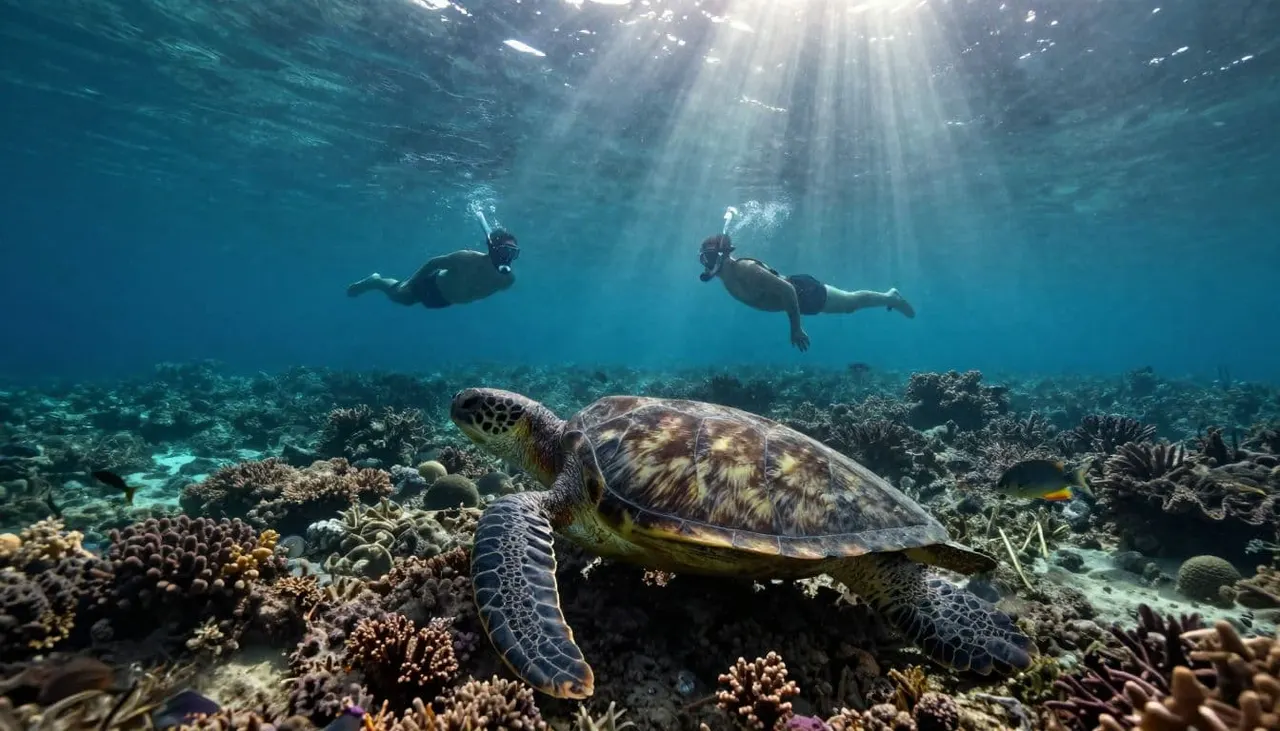
At Turtle Canyon Oahu, clear water can give you an excellent view of a turtle without requiring close contact. Your best perspective usually comes from floating above the animal and allowing it to move at its own pace.
A guide may point out the carapace first because it is easier to see from the surface. You can then watch for the plastron if the turtle changes direction or rolls slightly in the water.
Look for the carapace from above
When a turtle swims beneath you, focus on the whole body rather than only the head. The carapace shows you the animal’s oval profile, shell pattern, and steady movement across the reef.
You may notice that the shell looks darker along the top and lighter near the edges. Sunlight, depth, and water clarity can change those colors within seconds. A turtle resting near the reef may appear more brown or green than one swimming in bright surface water.
Keep your arms relaxed and avoid kicking toward the animal. Slow movements help you remain a quiet observer, which gives the turtle more space to behave naturally.
Watch for the plastron during normal movement
The plastron becomes visible when a turtle tilts upward or turns away. You might see a pale section beneath the front flippers, followed by the bridge connecting the upper and lower shell.
This brief view can help you understand how the two shell sections fit together. It also reminds you that the turtle has a three-dimensional body, not a flat shell floating above the reef.
The clearest view of a turtle often comes when you stop trying to get closer and let the animal choose its path.
Why shell anatomy matters for turtle watching
Learning the shell terms isn’t only an identification exercise. It changes the way you watch wildlife. Instead of reaching toward a turtle or following it closely, you can observe its shape, position, and movement from a respectful distance.
Give every turtle room to move
The Hawaii Department of Land and Natural Resources recommends viewing green sea turtles from at least 10 feet away. Its sea turtle viewing guidelines also emphasize avoiding contact and other behavior that can disturb the animals.
If a turtle swims toward you, stay calm and let it pass. Don’t block its route, touch its shell, hold onto a flipper, or follow it toward the seafloor. A turtle may need to surface for air, rest, or leave the area without navigating around swimmers.
Keeping distance also gives you a better view of the animal’s natural behavior. You can see how it uses its flippers, angles its carapace, and moves through the water without turning the encounter into a chase.
Protect the reef beneath you
Turtle Canyon is a living reef environment, not a swimming pool. Coral and other marine life can suffer damage from fins, hands, anchors, and careless entry.
Use a controlled kick and keep your body horizontal when possible. Avoid standing on coral, grabbing rocks, or dragging equipment across the bottom. If you need support, tell your guide instead of reaching for the reef.
Sun protection matters too. Apply sunscreen before entering the water, and follow local guidance about products that can harm marine environments. Your choices help keep the cleaning station healthy for turtles and the fish that share it.
Plan your Turtle Canyon snorkeling trip
A well-planned trip gives you more time to focus on the turtles and less time worrying about equipment or water skills. Conditions can change with wind, current, and visibility, so listen carefully to the crew’s instructions before entering the water.
Choose professional guidance
A professional snorkel guide can help you fit your mask, understand the entry ladder, adjust your fins, and stay aware of other swimmers. Beginners benefit from direct instruction, while experienced swimmers gain a better understanding of local wildlife etiquette.
Guidance is especially useful when you want to identify the carapace and plastron without getting too close. Your guide can point out a turtle’s position and explain what you’re seeing while you remain at a safe distance.
You don’t need to free dive to appreciate a turtle’s shell. Surface snorkeling provides a clear view, and flotation support can help you stay relaxed if you aren’t comfortable in deep water.
Bring the right expectations
Turtle sightings depend on wildlife behavior, weather, and ocean conditions. A responsible operator won’t promise that animals will perform on command. Instead, you’ll receive instructions for observing whatever marine life appears during the trip.
Expect to use a mask, snorkel, fins, and a secure ladder for water entry. Wear a swimsuit, bring a towel, and protect valuables with dry storage when available. If you’re traveling with children, choose a tour that explains age requirements and provides clear support for new swimmers.
Most importantly, understand that seeing one turtle at a respectful distance is a successful encounter. The goal is to leave the reef undisturbed.
Turtle Canyon Oahu with Living Ocean Tours
Living Ocean Tours departs from Kewalo Basin Boat Harbor, just minutes from Waikiki Beach. The company offers guided ocean experiences for beginners, families, couples, and experienced swimmers who want to explore the Waikiki coastline with knowledgeable crew members.
Living Ocean Tours is the only tour company with professional snorkel guides. Its Turtle Canyons Snorkel Excursion includes gear, instruction, and guidance at a natural underwater cleaning station. The company reports a 95% success rate for spotting Hawaiian green sea turtles, although each encounter still depends on natural conditions.
You can compare Living Ocean Tours’ Oahu ocean tours before choosing the experience that fits your schedule. Its Coast Guard-inspected double-decker vessels include shaded seating, restrooms, dry storage, and sturdy ladders for easier water access.
The fleet includes the Coral Kai and Lokahi. Lokahi features a SeaKeeper stabilization system, which helps reduce rolling on the water. That added stability can make the boat more comfortable if you’re concerned about seasickness or traveling with children.
The crew also emphasizes responsible wildlife viewing. You can enjoy the excitement of seeing a honu while following the essential rule of Hawaiian snorkeling: observe, don’t touch.
For dates and departure times, you can CHECK AVAILABILITY for the Turtle Canyons Snorkel Excursion.
Carapace and plastron make every sighting richer
Once you know the difference, you can identify the carapace as the turtle’s upper shell and the plastron as its lower shell. You can also notice the scutes, the shell bridge, and the way the turtle’s body moves as one connected structure.
That knowledge helps you watch with more patience. At Turtle Canyon Oahu, keep your distance, protect the reef, and let each turtle decide where it wants to swim. The most memorable encounter is one where you see the animal clearly and leave its home exactly as you found it.


