
Wave height vs. swell period: What matters on a boat tour?
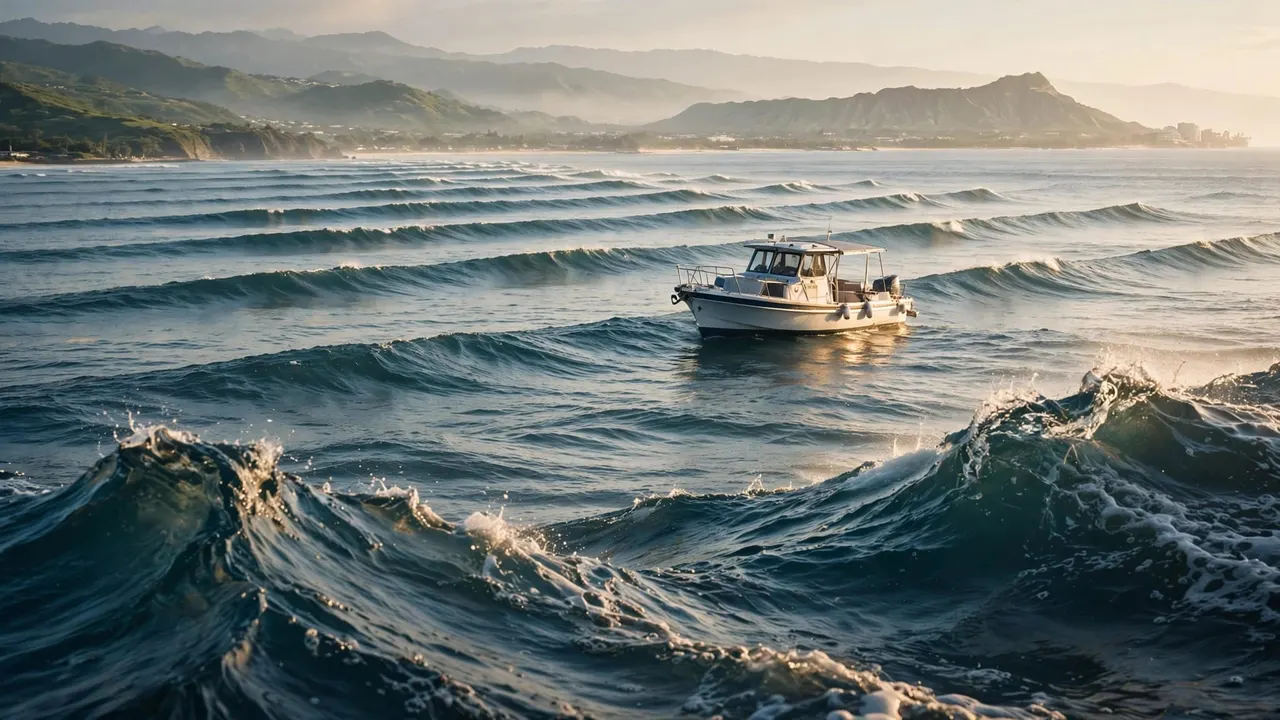
Wave height and swell period both shape your boat tour, but they tell you different things. Height describes the size of the waves, while period describes the time between them. For comfort, you also need to consider wind, wave direction, and how the boat meets the water.
If you’re joining us at Living Ocean Tours, understanding those numbers can help you set realistic expectations before you leave Honolulu. Here’s how to read them together.
What wave height tells you
Wave height is the vertical distance between a wave’s trough and its crest. A taller wave can move a boat through a greater range of motion, but the height in a marine forecast isn’t a promise about every individual wave.
Significant wave height
Marine forecasts often use significant wave height: the average height of the highest one-third of waves. The National Weather Service’s wave detail guide explains how forecasts can also describe the direction and period of individual wave systems.
A forecast of 3-foot seas doesn’t mean each wave will be 3 feet high. You’ll encounter smaller waves, and some will be taller. The forecast also covers an area, so the water at your snorkel stop may differ from the water near the harbor.
Height isn’t the whole ride
Two trips with the same forecast wave height can feel different. A boat’s heading, the spacing between swells, and local wind chop all affect its movement.
For a snorkeler, even relatively small waves can make the surface feel uneven. Water moving across a reef can also create surge, so the conditions you feel in the water may differ from those you felt on the ride out.
What swell period tells you
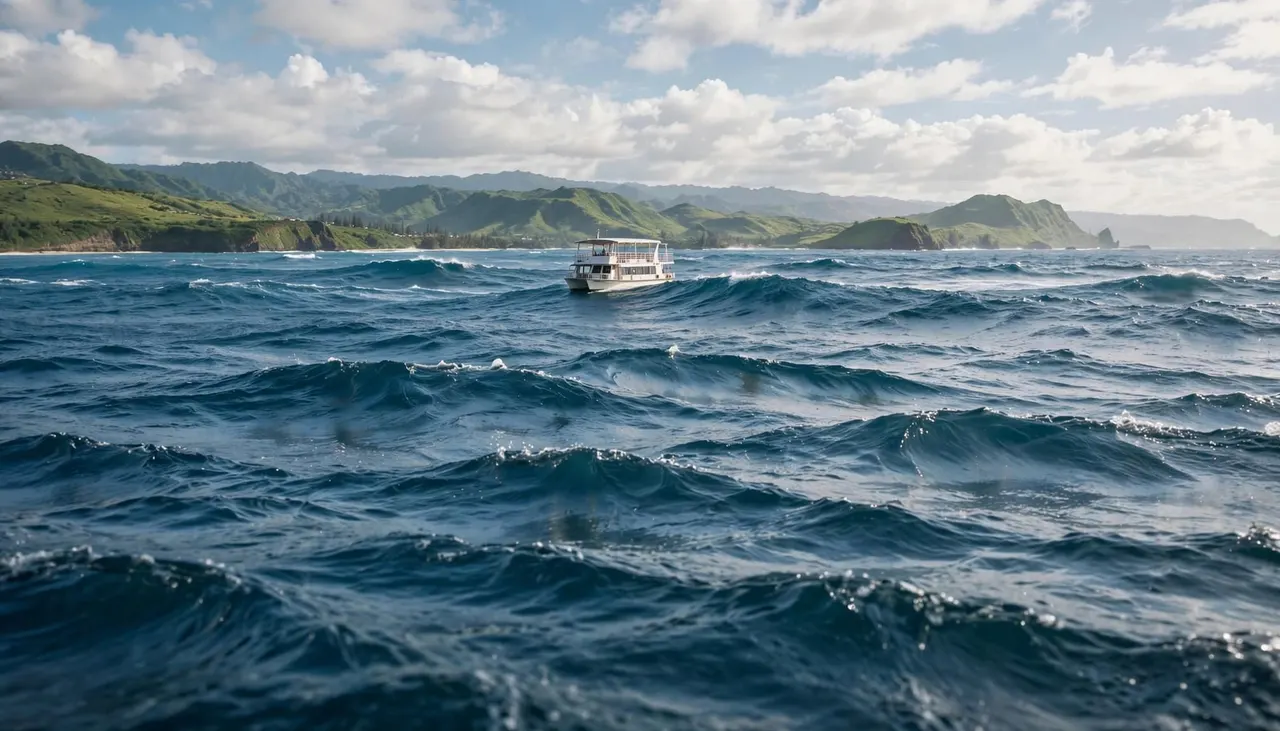
Swell period is the time, measured in seconds, between successive wave crests passing a fixed point. If crests arrive 10 seconds apart at a buoy, the period is 10 seconds.
Shorter periods and closely spaced waves
A shorter period generally means wave crests are closer together. Depending on their height and direction, they can give a boat less time to settle between waves.
Local wind can add its own shorter, irregular waves on top of an underlying swell. You might feel a series of quick bumps even when the larger swell itself is moving more slowly.
Longer periods and incoming swell
Longer-period swells are often more organized, with crests spaced farther apart. At the same wave height, a longer-period swell carries more wave power and can produce stronger surf or surge as it reaches shallow water.
That matters around reefs and shorelines. A swell that looks gentle offshore can change as the seabed becomes shallower. However, period alone doesn’t tell you exactly how a particular boat or snorkel site will feel.
Read wave height and swell period together
Consider two illustrative forecasts: one shows a 3-foot swell at 6 seconds, and the other shows a 3-foot swell at 14 seconds. Both list the same height, but the second has more time between crests.
The shorter-period waves may feel more closely spaced. The longer-period swell may create more substantial movement as it reaches shallow water. Neither description tells you the complete conditions on board, because wind, direction, and the boat itself still matter.
It’s also useful to distinguish swell from the full sea state. A forecast may list more than one swell, plus wind waves. Those wave systems can cross, creating a less regular surface than either number suggests on its own.
A single swell height and period describe one part of the ocean. They don’t capture every wave your boat will meet.
Why individual waves can be larger
A significant wave height is an average, not an upper limit. According to the National Weather Service’s explanation of significant wave height, some individual waves exceed that forecast value.
This distinction is useful when you compare a marine report with what you see from shore. A few calm-looking minutes don’t describe the entire trip. Sets of larger waves can arrive between smaller ones, and the pattern can change as you travel.
For another perspective, the National Weather Service marine FAQ explains how occasional waves can be substantially higher than significant wave height under particular assumptions. That example is a statistical illustration, not a prediction for your tour.
Wind and direction change what you feel
Wind adds texture to the water. Around Waikiki, trade winds can create surface chop even when the sky is bright and the coastline looks inviting.
Direction matters as much as speed. Wind blowing across an existing swell can create an uneven surface, while waves approaching the boat from different angles affect its movement.
A boat meeting waves head-on may pitch, with its bow rising and falling. When waves approach from the side, you may notice more rolling. Your captain can adjust speed or heading when appropriate, although the route and conditions also guide those decisions.
For snorkelers, wind can make breathing through a snorkel feel less relaxed if small waves wash over the surface. Rain runoff and stirred-up sediment can reduce visibility, too. Clear skies alone don’t guarantee clear water.
How captains interpret conditions
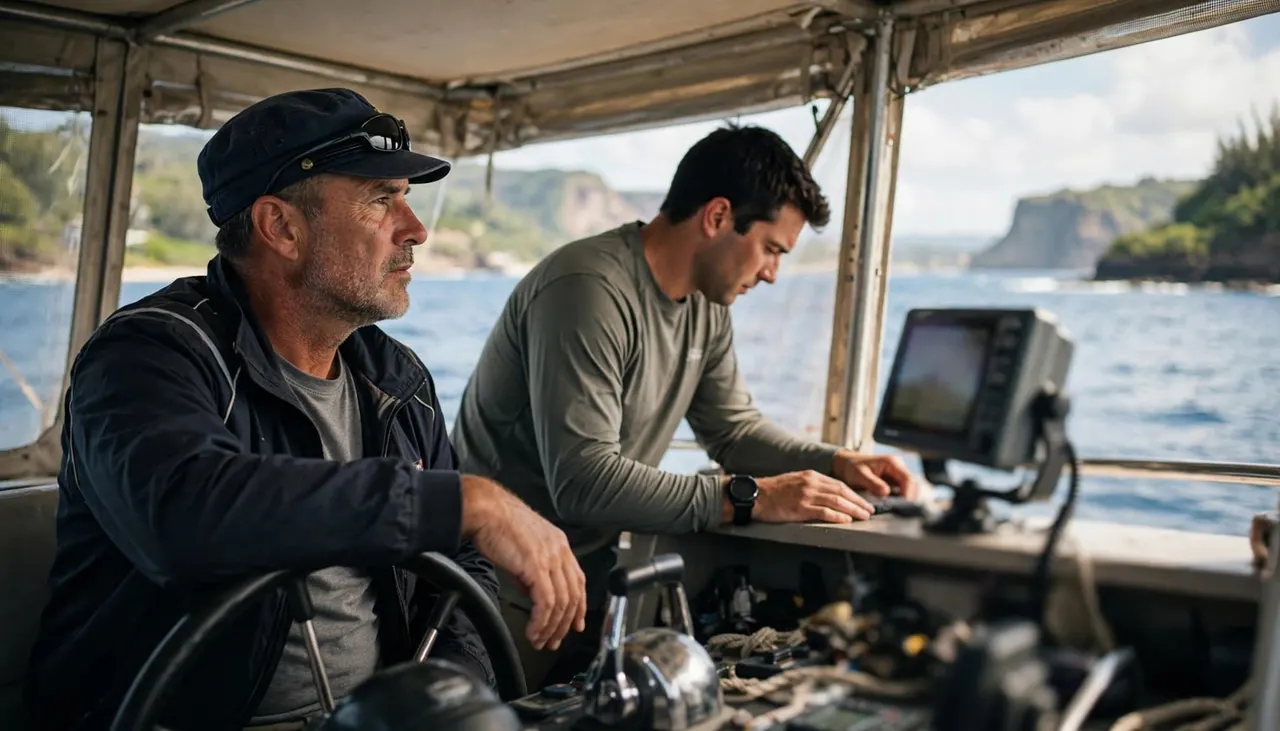
Your captain considers the forecast alongside what the crew sees on the water. Conditions near Kewalo Basin, along the route, and at a planned stop can differ.
You may notice the boat slowing down, changing its heading, or taking a different route. Those decisions can help the crew manage the conditions they encounter. If the crew asks you to remain seated, follow that direction and keep walkways clear.
A protected-looking harbor doesn’t always show you what awaits offshore. Equally, a choppy patch near the harbor entrance doesn’t describe every part of the route. The captain makes the operational call for the boat and its passengers.
Choose a comfortable spot on board
Sit near the middle
If you’re sensitive to motion, try a seat near the middle of the boat. The bow can rise and fall more noticeably as the vessel meets waves, while a lower-deck seat near the center often gives you a steadier place to settle.
Keep your eyes on the horizon if that helps, and tell a crew member early if you start feeling unwell. You’ll also want to use the railings and follow the crew’s instructions when moving around the boat.
Prepare before departure
A light meal, water, sun protection, and a hat with a secure strap can make the outing more comfortable. If you’re prone to motion sickness, speak with a pharmacist or healthcare professional about suitable prevention before your trip.
Our vessel Lokahi has a SeaKeeper stabilization system designed to reduce roll. It can help with side-to-side movement, but it doesn’t remove swell or stop every type of motion. Ocean conditions remain part of the experience.
What the numbers mean for snorkeling
The ride to a reef and the swim itself are different experiences. In the water, you’ll notice surface chop, current, visibility, and surge around the reef. A comfortable boat ride doesn’t automatically mean every snorkeling spot will feel easy.
If you’re new to snorkeling, let the crew know. Take time with the safety briefing and use the flotation equipment provided as directed. You can enter at a comfortable pace and return to the boat if you need a break.
Keep wildlife viewing respectful, too. Observe Hawaiian green sea turtles without touching or chasing them, and give coral plenty of space. That leaves you free to enjoy the encounter while protecting the animals and their habitat.
Explore Waikiki with our guided crew
Living Ocean Tours departs from Kewalo Basin Boat Harbor, close to Waikiki. We describe ourselves as Oahu’s only tour company with professional snorkel guides, and our guides help beginners feel more at ease in the water.
Our Turtle Canyon Snorkel Tour takes you to a well-known turtle cleaning area. Wildlife sightings aren’t guaranteed, so give yourself room to enjoy the reef and the boat ride as well.
You can CHECK AVAILABILITY for a Turtle Canyon departure.
Key takeaways for your boat tour
Wave height describes size, while swell period describes timing. Together, they give you a better starting point for understanding ocean conditions.
Wind, wave direction, and your boat’s course also shape the ride. Once you reach a reef, surface chop and surge may affect your swim differently than they affected the boat.
Frequently asked questions
Is a longer swell period better for a boat tour?
A longer period means more time between wave crests, but it doesn’t guarantee a smoother ride. Height, wind, direction, and the boat’s response all matter. Longer-period swell can also produce stronger surge when it reaches shallow water.
Does a lower wave height mean I’ll avoid seasickness?
Lower waves don’t guarantee you’ll feel well. Motion sensitivity varies, and short, irregular chop can still be uncomfortable. A seat near the middle of the boat and preparation before departure may help.
Can you tell snorkeling conditions from a marine forecast?
A forecast gives you useful context, but it covers a broader area than a single reef. Local wind, water movement, visibility, and the site’s exposure all affect the conditions you find there.
Bring the forecast into perspective
Wave height and swell period work best as a pair. One describes how tall the waves are; the other tells you how often their crests pass a fixed point.
Keep wind and direction in mind, and remember that your captain has the clearest picture of the conditions on the water. With that context, you can spend less time guessing at a number and more time enjoying your outing.


