
Snorkeling Oahu Shoulder Injury: Boat Day Questions
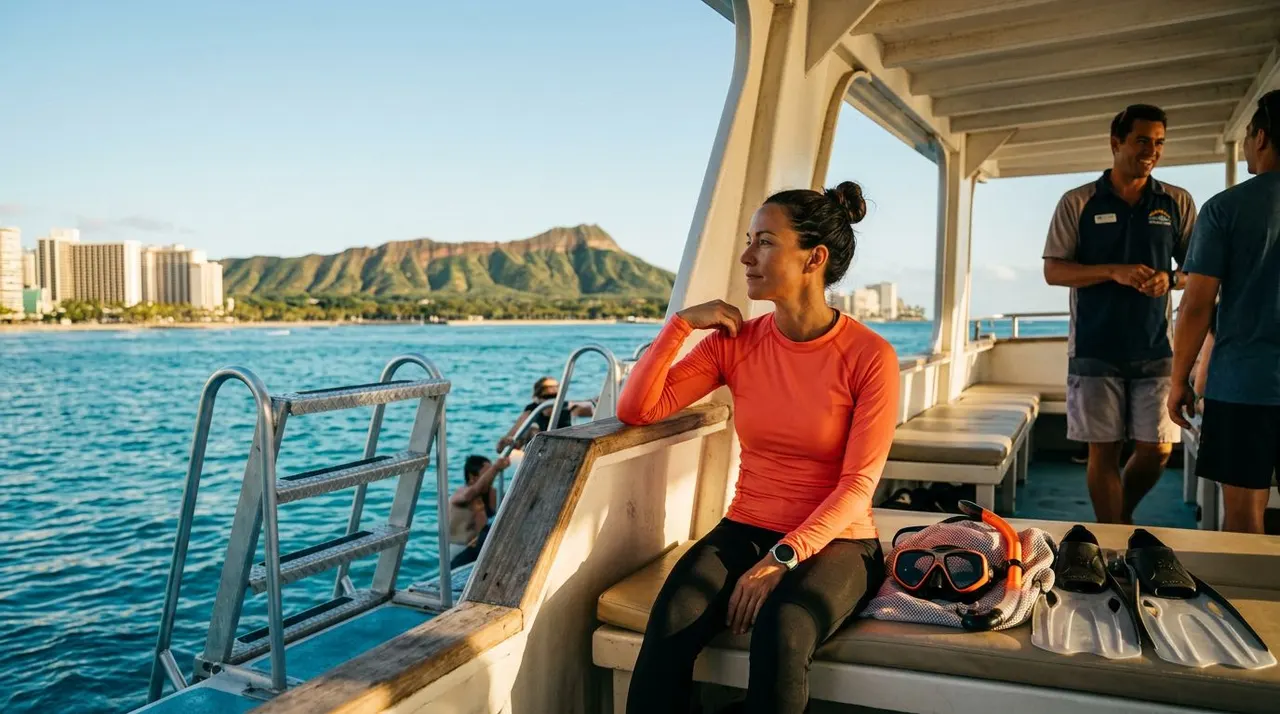
That first look at Waikiki’s blue water can make you forget your shoulder is still healing. If you’re researching snorkeling Oahu shoulder injury questions, the safest answer starts with your diagnosis, pain level, and clinician’s advice, not the destination.
Living Ocean Tours departs from Kewalo Basin Boat Harbor, minutes from Waikiki, with professional snorkel guides and comfortable double-decker boats. You can enjoy the coastline without forcing an injured joint, but you should set your limits before departure.
Your snorkeling Oahu shoulder injury plan starts with safety
A shoulder injury doesn’t automatically cancel your Oahu boat day. However, snorkeling includes more than floating. You may need to carry gear, climb a ladder, adjust a mask, steady yourself on deck, and swim through moving water.
Get clearance for the movements you need
Your injury type changes the answer. A recent dislocation, fracture, surgery, labral tear, or rotator cuff injury can make overhead movement unsafe even when the pain has eased.
Ask your clinician whether you can swim, use a snorkel, bear weight through the arm, and pull yourself up a ladder. These movements place different demands on your shoulder. The AAOS guide to common shoulder injuries explains why returning to athletic activity depends on restored shoulder function, not only reduced pain.
After a dislocation, your recovery may include restricted motion, a sling, and physical therapy. Mayo Clinic Health System’s shoulder recovery guidance also shows why your vacation schedule shouldn’t determine your return date.
Know when to skip water entry
Stay on the boat if you have sharp pain, new swelling, numbness, unusual weakness, or a feeling that the joint may slip. You should also avoid snorkeling if you can’t comfortably raise your arm or protect it during an unexpected wave.
Pain that worsens with repeated overhead movement deserves attention. Cleveland Clinic describes swimmer’s shoulder symptoms as pain and weakness linked to repetitive shoulder motion. Tell the operator about your limitation before the trip, then stop immediately if your shoulder begins to hurt in the water.
What a boat day asks of your shoulder
Snorkeling Oahu shoulder injury concerns often focus on swimming. Boarding and exiting may create more strain than the time you spend floating.
Treat the ladder as part of the activity
Most snorkel boats use a ladder for water entry and exit. Climbing requires you to grip, pull, push, and transfer your body weight. A shoulder that feels fine while walking may react badly to that sudden load.
Ask whether the boat has a broad, heavy-duty ladder and where you can sit while putting on equipment. Living Ocean Tours operates the Coral Kai and Lokahi, Coast Guard-inspected double-decker vessels with shaded seating, restrooms, dry storage, and heavy-duty ladders.
Still, boat amenities don’t replace medical clearance. If you need assistance, ask what the crew can safely provide. Don’t expect a guide to lift your full body weight or catch you during an unstable exit.
Reduce unnecessary arm movement
A calm surface snorkel can require less shoulder effort than freestyle swimming, especially when you use fins and keep your injured arm relaxed. Your plan should still avoid forceful paddling, pulling on a float, or reaching toward wildlife.
Use the hand that feels strong for mask adjustments. Keep your affected arm close to your body when possible, and let your legs provide gentle propulsion if your clinician approves.
The hardest shoulder movement may happen at the ladder, not while you’re floating.
Questions to ask before booking an Oahu snorkel tour
A few direct questions can prevent an uncomfortable surprise at the harbor. For snorkeling Oahu shoulder injury planning, call before booking instead of relying on a standard tour description.
Ask about entry, exit, and staying aboard
Ask these questions in advance:
- Is water entry from a ladder, platform, or another access point?
- Can you remain on the vessel if your shoulder feels worse?
- How long does the in-water portion last?
- Can you put on your mask and fins while seated?
- Where can you rest before and after snorkeling?
- What is the weather or cancellation policy?
Current information for Living Ocean Tours’ Turtle Canyon trip describes a roughly two-hour excursion, with about one hour of snorkeling. Confirm the exact schedule when you book because conditions and operations can change.
The company asks guests to complete the online waiver before arrival and reach the Kewalo Basin meeting point about 15 minutes early. Arriving with time to spare gives you a chance to explain your injury without rushing through boarding.
Ask who will guide you
Living Ocean Tours is the only tour company with professional snorkel guides. That matters when you need clear instructions about water entry, equipment, current conditions, and when to return to the ladder.
Tell the guide which shoulder is injured and what movements you need to avoid. A professional guide can help you understand the route and wildlife-viewing expectations, but the guide can’t decide whether your shoulder is medically ready.
The company operates near Waikiki at 1125 Ala Moana Blvd, Slip B-01, Honolulu, with departures from Kewalo Basin Boat Harbor. You can compare Waikiki snorkeling and boat tours before choosing the activity that matches your group.
Match the tour to your shoulder limits
Your snorkeling Oahu shoulder injury decision doesn’t have to be all or nothing. Choose the experience that fits your current abilities, then tell the crew what you need.
Turtle Canyon snorkeling with clear limits
If your clinician has approved a short snorkel, the Turtle Canyon snorkeling excursion offers a guided route near Waikiki. The trip includes a scenic boat ride, snorkel equipment, safety instruction, and professional guides.
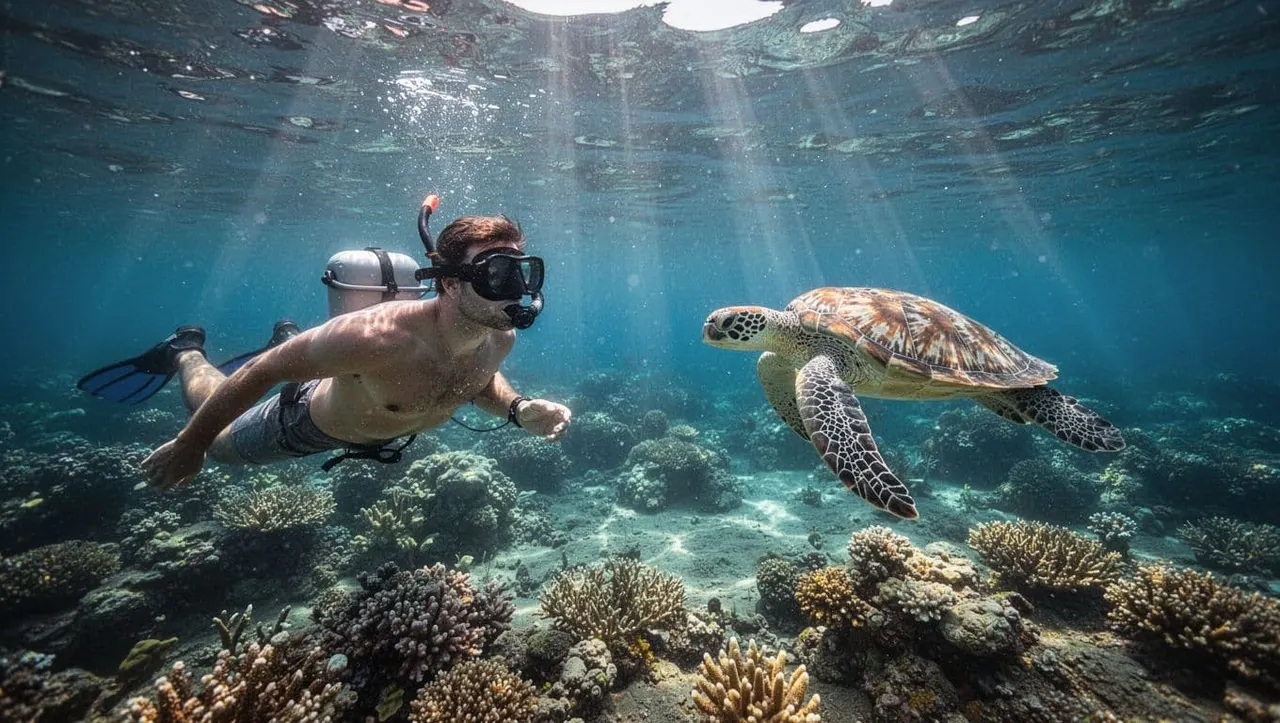
Public tour information describes Hawaiian green sea turtles at a natural cleaning station. Living Ocean Tours also reports a 95% turtle-sighting rate, which is a company claim rather than an independent guarantee. You can enter the water only if your shoulder tolerates the required movements. Otherwise, remain aboard and enjoy the coastline.
Deluxe cruise for medically cleared guests
The Deluxe Waikiki snorkeling cruise adds a less-crowded reef, boat-mounted waterslide, water trampoline, and floating lily pad. Those features are fun for active swimmers, but they also involve climbing, bracing, and landing.
Choose this option only after your clinician approves those movements. You can skip the slide and other activities, but ask the crew whether the boat’s water-entry setup suits your shoulder before reserving.
Sunset cruising without water entry
If your shoulder isn’t ready for snorkeling, a Waikiki sunset cruise lets you enjoy the ocean without climbing into the water. Living Ocean Tours offers spacious double-decker vessels, shaded seating, restrooms, and wide views of the Waikiki coastline. BYOB and cash-bar options are available on select cruises.
Make the day easier on your shoulder
Good planning can protect your recovery while keeping the trip enjoyable for everyone in your group.
Pack for comfort and fewer movements
Wear a swimsuit under loose clothing so you don’t need to change quickly on deck. Bring any approved support prescribed by your clinician, but don’t use a sling in the water unless a medical professional specifically tells you to do so.
Choose a mask that seals without repeated adjustments. If the operator offers different flotation equipment, ask which option lets you keep your injured arm relaxed. Use fins only if you’re comfortable kicking and have medical approval.
Keep your phone, sunscreen, and towel in an easy-to-reach dry bag. Ask a companion or crew member to handle heavier items. You shouldn’t lift coolers, move deck equipment, or carry full gear bags with the injured arm.
Set a clear exit plan
Before entering the water, identify the ladder and tell your guide that you may need extra time to exit. Stay close enough to the boat for a controlled return, and leave the water before fatigue changes your stroke or balance.
Your wildlife encounter should also follow Hawaii’s conservation rules. NOAA advises visitors to never touch, chase, feed, or disturb marine animals. Read the NOAA marine wildlife viewing guidelines before snorkeling near honu.
A shoulder injury can make sudden reaching more likely, so keep your distance and let the turtle choose its path. Watching quietly protects both you and the animal.
Conclusion
A successful snorkeling Oahu shoulder injury plan begins with medical clearance, honest limits, and direct questions for the boat operator. The ladder, gear, and exit can demand more strength than relaxed floating, so plan for every part of the excursion.
Living Ocean Tours gives you guided snorkeling, professional snorkel instruction, comfortable boats, and a stay-aboard option when water entry isn’t right for you. Choose Turtle Canyon when your shoulder is ready, or enjoy a Waikiki cruise while you recover. The best boat day is the one that lets you enjoy Hawaii without setting your healing back.


