
Snorkeling Oahu: A Hawaiian Angelfish Identification Guide
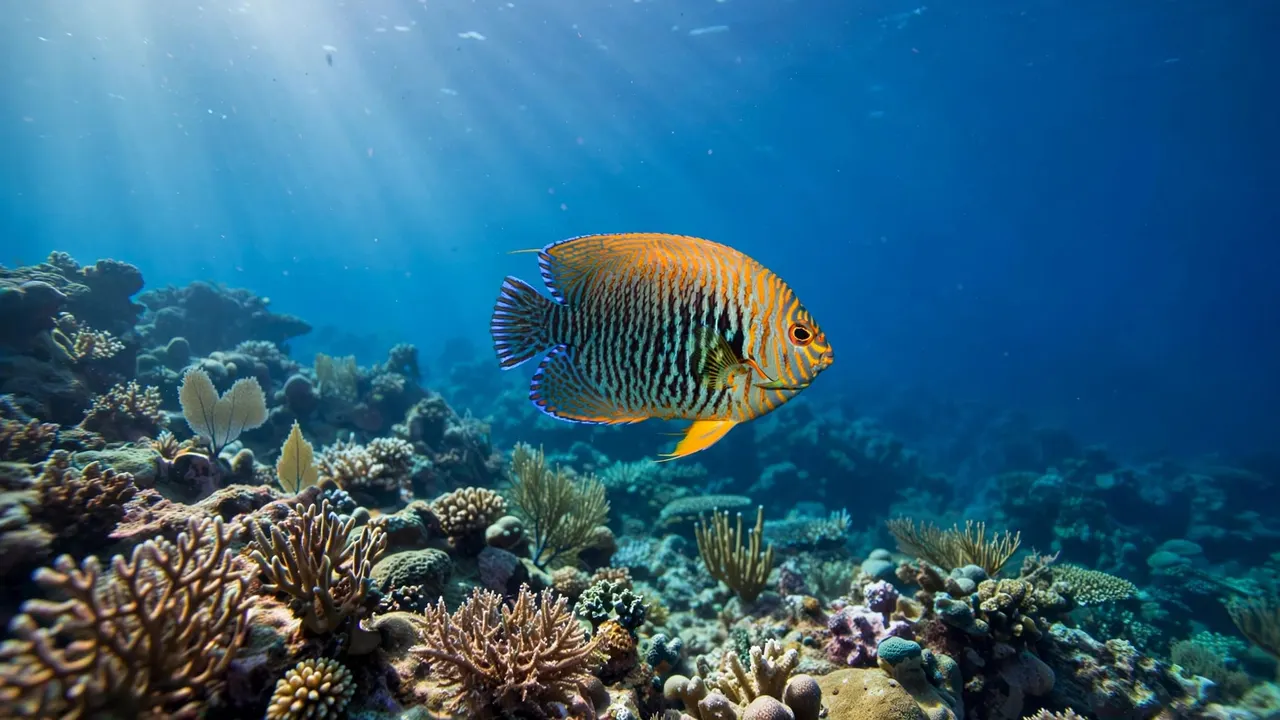
An unfamiliar reef fish can disappear before you decide what to call it. When you’re snorkeling Oahu, careful observation gives you a better starting point than a quick guess.
At Living Ocean Tours, we help you explore Waikiki’s reefs with professional snorkel guides and respect for marine life. You don’t need to name every fish to enjoy the swim, but learning one reliable starting point helps.
Begin with Potter’s angelfish, then build an observation routine that keeps you comfortable and protects the reef.
Key Takeaways for Your Angelfish Search
- Start with Potter’s angelfish, a species native to the Hawaiian Islands and Johnston Atoll.
- Observe the whole fish before settling on a name, because one glimpse rarely gives you enough information.
- Choose your snorkeling location around ocean conditions and your swimming ability, rather than a promised fish sighting.
Your goal is a clear, unhurried look. A memorable encounter can still be worthwhile when you leave the water with a description instead of a confirmed identification.
Get to Know Potter’s Angelfish
Your starting species: Centropyge potteri
Potter’s angelfish has the scientific name Centropyge potteri. Learning that name helps you distinguish the species from loosely labeled pictures or references to “Hawaiian angelfish.”
Reefs.com’s account of Hawaii’s angelfish diversity describes Potter’s angelfish as the most common member of the angelfish family in that region. That makes it a sensible starting species for your reading before snorkeling Oahu.
However, regional commonness doesn’t promise a sighting during your swim. Your view still depends on visibility, your location, and whether you get enough time to observe a fish clearly.
What “endemic” tells you
Potter’s angelfish is endemic to the Hawaiian Islands and Johnston Atoll. In this case, endemic means its natural geographic range is limited to those places.
That distinction matters because “Hawaiian” doesn’t always mean “found only in Hawaii.” A fish can live around Oahu and also occur elsewhere across the Pacific.
Use the common name and scientific name together when learning about this species. You’ll have a clearer reference than a general label such as “tropical angelfish,” which doesn’t identify an individual species.
Build a Useful Fish Description Underwater
Observe the whole fish first
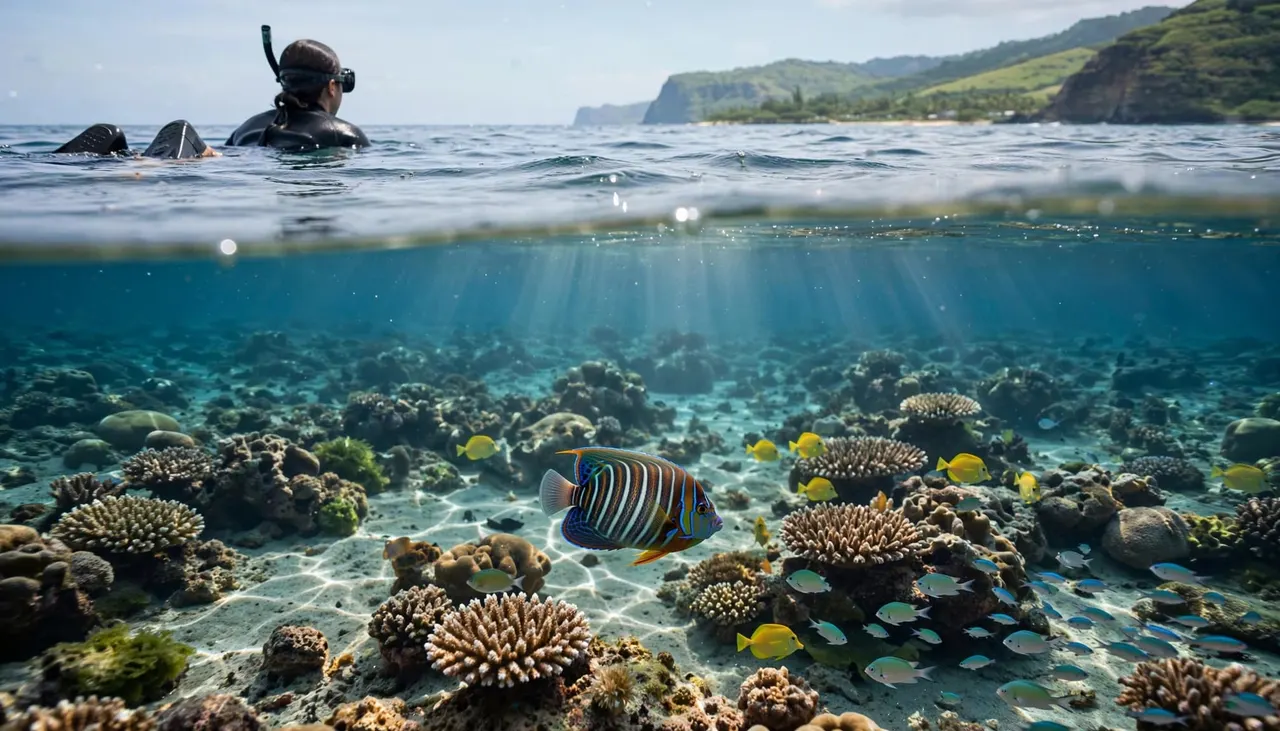
Before snorkeling Oahu, give yourself a simple task: remember the fish’s overall outline and where its visible markings appear. You don’t need to memorize an entire fish guide.
Start with a broad view. Notice the body profile, the tail, and any markings you can see clearly. Then separate what you observed from what you assumed.
For example, remembering that you saw a dark area near the head is more useful than deciding immediately that you saw an angelfish. A descriptive observation gives you something concrete to discuss with your guide afterward.
Use another angle without following
A fish viewed head-on gives you different information than one seen from the side. If another angle becomes visible while you remain in place, use it to improve your description.
Don’t chase a fish to complete that view. Instead, keep your breathing comfortable and remain aware of your buddy and surroundings.
Also, distinguish between a feature you saw clearly and something obscured by distance or water movement. Underwater observation often leaves gaps. Recognizing those gaps helps you avoid turning an uncertain glimpse into a confident but incorrect identification.
Keep Look-Alikes Out of Your Angelfish List
A colorful reef fish doesn’t automatically belong to the angelfish family. When you’re snorkeling Oahu, you’ll encounter fish from several families in the same general reef environment.
Butterflyfish are worth learning about separately. Our Hawaiian butterflyfish guide gives you another useful reference for expanding your reef-fish knowledge without treating every unfamiliar fish as an angelfish.
Keep your observation and identification as two separate steps. First, describe what you saw. Then consider whether those details support a particular name.
A reliable identification starts with features you observed clearly. The reef location alone doesn’t establish which species you saw.
If your view was brief, use “unidentified reef fish” until you have enough information. That description is accurate, and it leaves room for learning.
For couples or families, compare observations after the swim. One person may remember the tail while another remembers the body profile. Discuss what each person genuinely saw, rather than encouraging everyone to agree with the first suggested name.
Choose Reef Access Around Conditions
Shore access requires an exit plan
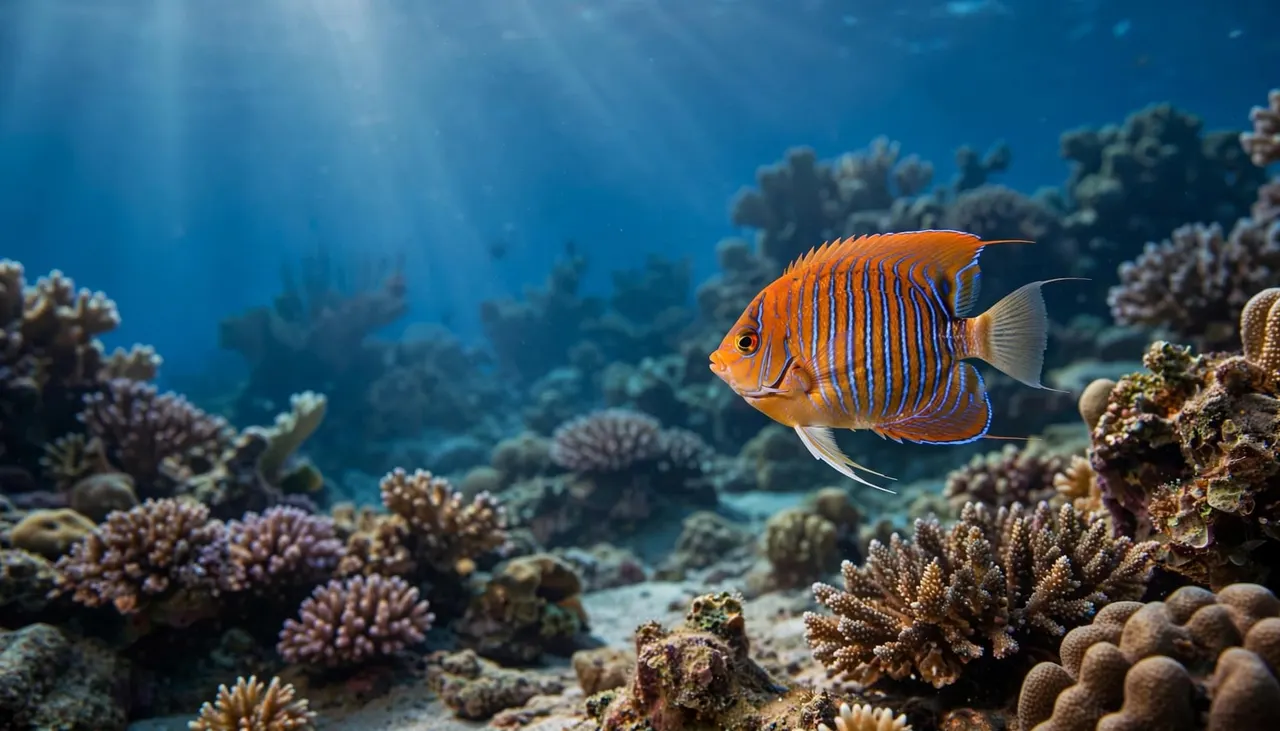
Hanauma Bay Nature Preserve offers a shore-based setting where reef observation and conservation education are part of the experience. However, choosing shore access also means taking responsibility for your entry, exit, and swimming route.
You need enough energy to return comfortably. Pay attention to waves, currents, and visibility before entering, and follow lifeguard directions.
Our Oahu snorkeling spot guide can help you compare locations. Treat any destination as an opportunity to observe reef life, rather than a guarantee of finding a particular angelfish.
Waikiki offers a boat-based option
Offshore reef access gives you another way to experience snorkeling Oahu. With a guided boat outing, you have a crew, equipment support, and a nearby place to return between swims.
Turtle Canyons is a Waikiki snorkeling location known for its natural sea-turtle cleaning station. That context describes the site’s turtle encounters, not a confirmed angelfish destination.
Choose this kind of outing for guided reef exploration and the chance to observe marine life. Keep your species expectations flexible, so your enjoyment doesn’t depend on finding one fish.
Explore With Our Professional Snorkel Guides
With Living Ocean Tours, you depart from Kewalo Basin Boat Harbor near Waikiki. Our Oahu snorkeling and ocean tours give you a guided way to explore the coastline and offshore reef habitat.
You have professional snorkel guides in the water with you. That support is useful when a loose mask, uncomfortable fin, or changing confidence level interrupts your observation.
Our crew provides equipment and instruction before your swim. You can focus on getting comfortable first, then turn your attention to the reef.
When you want help discussing a fish, share the details you remember. Describe what was visible and what remained unclear. Your guide can respond to those observations without needing you to arrive with a species name.
Afterward, shaded seating, onboard restrooms, and dry storage give you a comfortable place to regroup. Families can talk through their sightings while everyone rests between activities.
For your angelfish search, the value is guided access and support, rather than a species guarantee. You can enjoy the wider reef community even when your fish list stays unfinished.
Protect Yourself and the Living Reef
Keep comfort ahead of identification
Fish identification should never distract you from breathing, your buddy, or your route back. Before you start watching the reef, make sure your equipment fits and you understand the entry and exit instructions.
Stay within your swimming ability. If you feel tired, anxious, or uncomfortable, signal your guide and return to the boat or shore.
Also, don’t hold your breath or swim farther simply to get a closer look. You can observe from the surface and leave uncertain sightings unnamed. A comfortable swim gives you more attention for what you can see safely.
Observe without changing the encounter
Coral is living animal life, so avoid standing on it or using it for support. Keep your fins clear of the reef, and don’t reach into openings to expose a hidden fish.
Feeding wildlife changes the encounter and can affect natural behavior. Instead, let animals choose their own movement and distance.
If you encounter turtles or marine mammals, follow NOAA’s Hawaii wildlife viewing guidelines. Those animals have their own viewing recommendations; don’t treat them as instructions for approaching reef fish.
Respectful observation means leaving the habitat and its residents undisturbed after your swim.
Frequently Asked Questions About Angelfish Identification
Do you need an underwater camera?
You can enjoy fish identification without a camera. Clear observations and a conversation afterward are enough to begin learning, especially when you’re still getting comfortable with snorkeling.
If you bring a camera, keep your buddy and return route in view. Take a photograph only when you can do so without chasing wildlife or approaching the coral.
A photograph can preserve an observation, but a blurred image doesn’t automatically resolve an uncertain identification. Describe what you saw clearly, even when the picture leaves out important details.
Can you make identification fun for children?
Give children one manageable observation task, such as remembering the tail or describing the fish’s outline. That keeps the activity interesting without requiring them to memorize names.
After the swim, let each child describe their own sighting before offering a possible identification. This encourages attention rather than guessing.
Your child’s comfort and swimming ability come first. Professional guidance and appropriate equipment support the outing, but neither replaces adult supervision. Let a short, comfortable swim count as a successful experience, even if the day’s discovery is an unnamed fish.
Make Your Next Reef Encounter Count
When you’re snorkeling Oahu, you don’t need a long species list to have a rewarding swim. Start with Potter’s angelfish as a learning reference, observe carefully, and keep uncertain sightings separate from confirmed names.
Choose access that fits your ability, and put comfort and reef respect ahead of getting closer. With a patient approach and support from our guides, an unfamiliar fish becomes an opportunity to learn without disturbing the ocean around you.


