
Snorkeling Oahu: A Field Guide to Hawaiian Butterflyfish
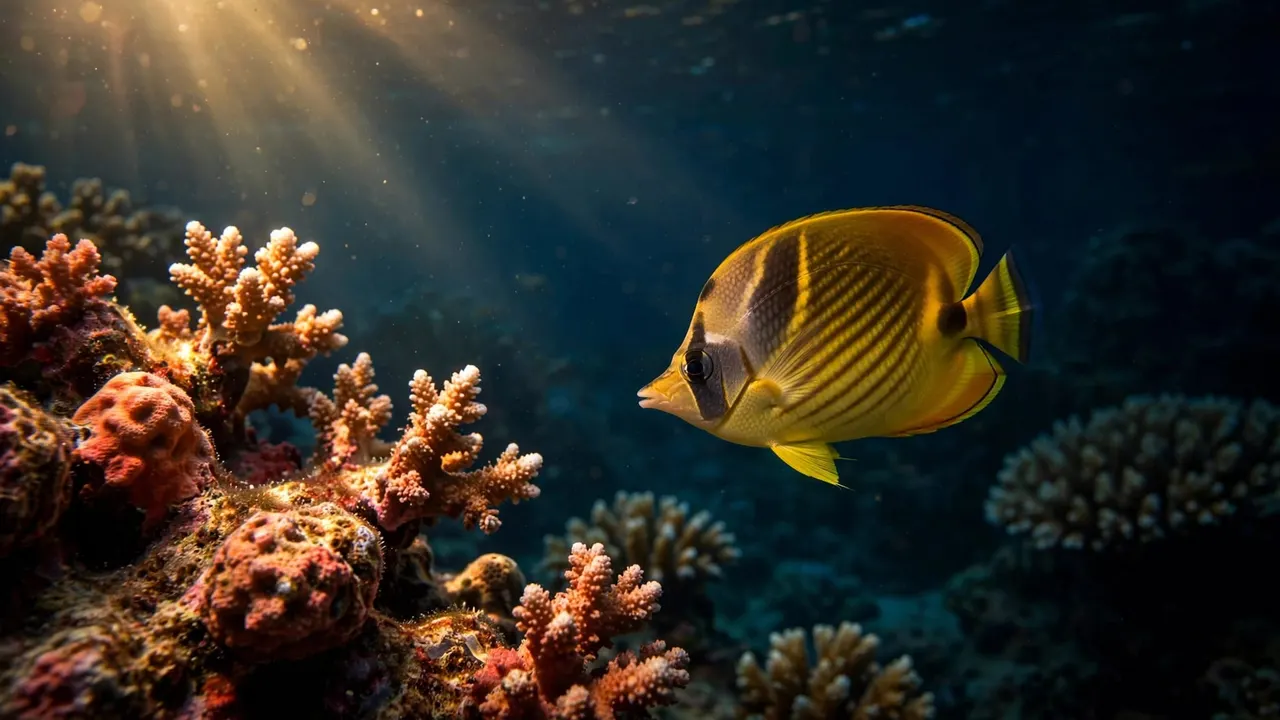
A yellow fish slips behind a coral head, and you follow it with your eyes. When it returns along the same edge, you notice its dark eye band and pointed snout. If you’re snorkeling Oahu, moments like this can turn a beautiful swim into a closer look at how reef life works.
Living Ocean Tours takes guests from Kewalo Basin Boat Harbor near Waikiki to offshore reef habitat. Whether you join a guided trip or swim from shore, slow observation will help you recognize butterflyfish without crowding them. Start with shape, then watch where each fish goes.
How to recognize butterflyfish while snorkeling Oahu
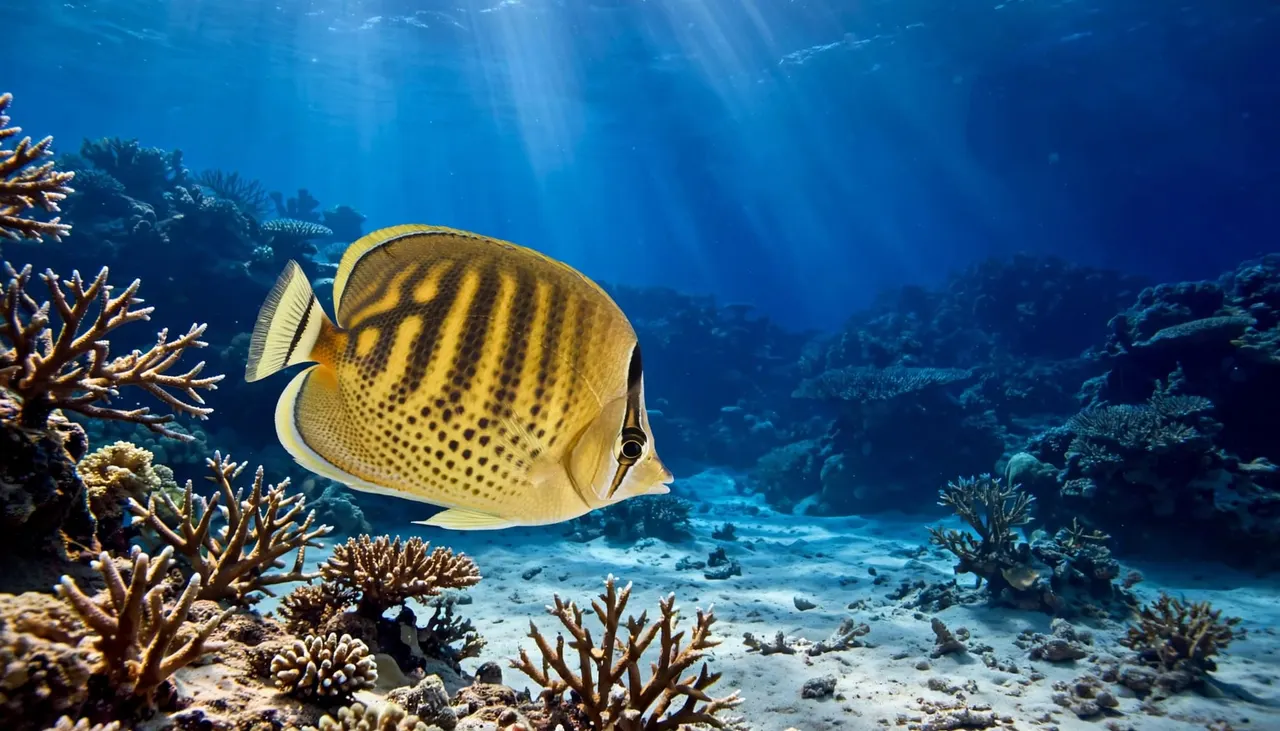
Butterflyfish often catch your eye because of their bold patterns. Their movements tell you more. Many stay close to reef surfaces, slipping around coral heads and returning to the same small area.
Look for shape before color
Most butterflyfish have thin, oval bodies that look broad from the side. Many also have small, pointed mouths and dark markings across the eyes. These are useful starting clues, although patterns differ by species.
Watch a fish turn. Its narrow body becomes easier to see, and its snout may come into profile. Then note whether it travels alone, with a partner, or among other fish. The Hawaiian butterflyfish family includes enough variation that one marking alone won’t identify every fish.
Separate butterflyfish from their neighbors
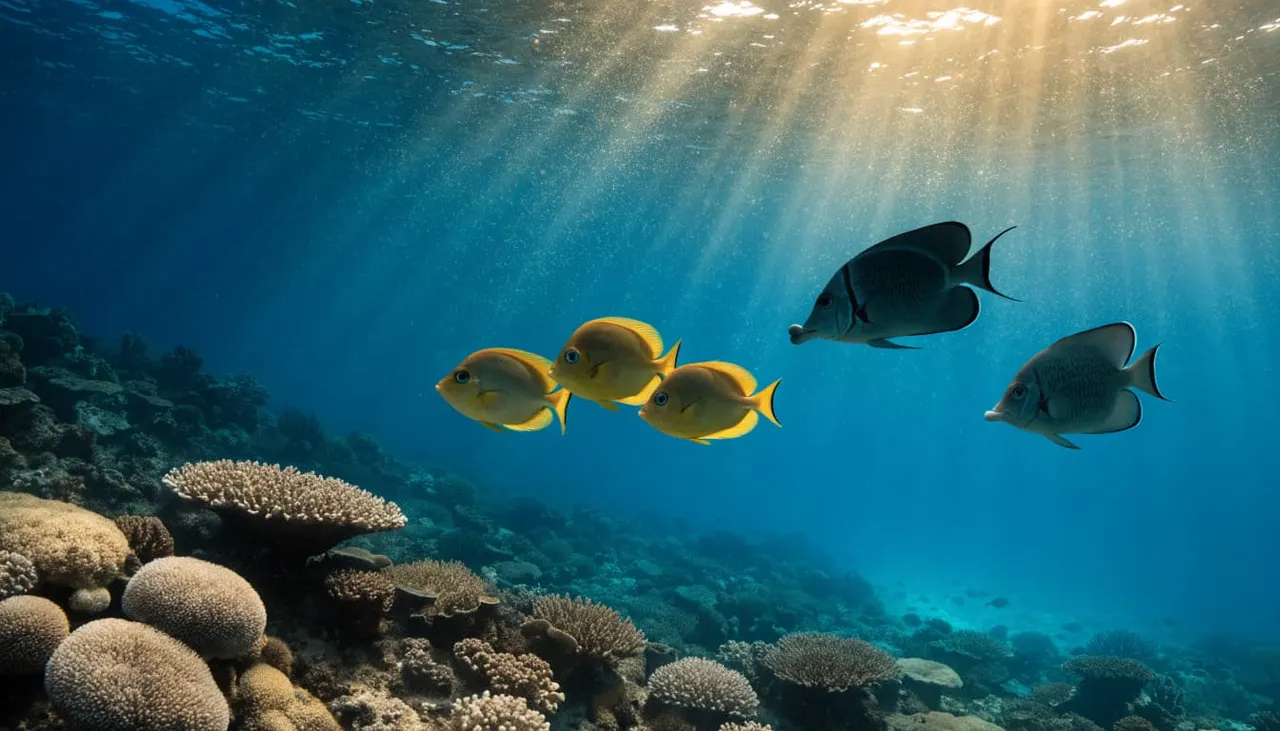
A yellow tang can look butterflyfish-like at a glance, especially when sunlight washes out fine markings. Give it another second. Yellow tangs have a more uniform bright-yellow body and a different mouth shape. Butterflyfish often show bands, spots, or contrasting patches.
Distance can change what you see, too. A dark eye stripe may disappear in shadow, while a pale fish can look yellow in shallow water. If you can’t identify one confidently, remember its shape and behavior rather than swimming after it for a closer view.
Hawaiian butterflyfish worth learning by sight
You don’t need to memorize every species before getting wet. Learn a few patterns, then use them as reference points. A butterflyfish identification guide lists 17 species found in Hawaii, including the bluestripe, millet, and pebbled butterflyfish as Hawaiian endemics.
Millet and bluestripe butterflyfish
The millet butterflyfish has a yellow body covered with small dark spots. You may see several moving together rather than a single fish holding close to one coral head. Its pattern is easier to recognize when you stop kicking and let the group cross your view.
The bluestripe butterflyfish also starts with yellow, but blue diagonal lines distinguish its sides. Look at the middle of the body rather than chasing a glimpse of its tail. Underwater light changes quickly, so give your eyes time to settle on the pattern.
Threadfin and banded butterflyfish
A threadfin butterflyfish has fine diagonal lines across its pale body, a dark eye band, and a yellow rear section. Adults have a thin filament extending from the dorsal fin. If you spot one, watch how it moves along the reef before trying to see every detail.
The banded butterflyfish has narrow vertical bands across a pale body. University of Hawaii research on banded butterflyfish describes its range as the Hawaiian Islands and Johnston Atoll. That’s a reminder to be careful with the word “endemic”: species ranges don’t always follow the boundaries you might expect.
A useful field identification combines body shape, markings, and behavior. One brief flash of color can mislead you.
Watch the reef before you follow a fish
While snorkeling Oahu reefs, pick one coral head or rocky patch and float comfortably above it. Watch for 20 to 30 seconds. Fish that first seemed to dart at random may begin to reveal repeated paths.
Notice routes and spacing
A butterflyfish may circle a coral head, pause at its surface, and pass through the same gap again. Watch whether it stays near another fish or keeps its distance. You can learn plenty from the surface without diving down.
If it changes direction as you approach, give it more room. Staying still often brings a clearer view because the fish can continue its ordinary activity. That matters more than getting close enough to fill a camera frame.
Read the space around the fish
Look at the reef edge, sandy openings, and deeper blue water in one sweep. Fish use those spaces differently. A butterflyfish working close to coral may vanish from sight while another crosses the sand between patches.
Your viewing angle matters as well. Sunlight can sharpen a pattern when the fish turns, then hide it when the same fish enters shade. Wait for another pass before deciding what you’ve seen. Patient viewing makes snorkeling Oahu feel less like a search and more like a chance to observe a living reef.
Choose an Oahu snorkel site that fits your skills
Butterflyfish sightings depend on habitat, visibility, conditions, and the animals themselves. No site or tour can promise a particular species. Instead, choose a place where you can float safely and spend time looking.
Boat-access reefs near Waikiki
A guided boat trip can bring you to reef habitat without requiring you to assess a shore entry on your own. Turtle Canyons, offshore from Waikiki, is best known for its Hawaiian green sea turtle cleaning-station area. Keep an eye on the surrounding fish and coral even when turtles are your main interest.
Living Ocean Tours supplies gear and guidance on its snorkel outings. Its Oahu reef and ocean tours depart from Kewalo Basin, minutes from Waikiki. Ask the crew about the day’s swimming area and conditions before you enter.
Shore entries need a different plan
Hanauma Bay and Pūpūkea offer shore-based reef viewing, but they require you to plan around site rules and current ocean conditions. At Pūpūkea, North Shore surf can make a spot unsuitable for snorkeling, especially during winter swells. A sunny forecast doesn’t tell you what the water is doing.
Before any shore swim, identify your entry and exit, go with a buddy, and stay out when conditions exceed your ability. When snorkeling Oahu on your own, the safest site is one you can leave comfortably.
Get guided support without losing the quiet moments
Living Ocean Tours describes itself as Oahu’s only tour company with professional snorkel guides in the water. That support can make a difference if you’re new to fins, need help with a mask, or want to settle into a comfortable float before looking for fish.
Its Coast Guard-inspected double-decker boats have shaded seating, restrooms, dry storage, and sturdy ladders. Tell the crew about swimming nerves or gear concerns before entry. Once you’re comfortable, you can spend more attention on the reef.
Turtle Canyons for a wildlife-focused swim
The Turtle Canyons Snorkel Excursion visits a natural cleaning-station area where Hawaiian green sea turtles may appear. Living Ocean Tours reports a 95% turtle-sighting rate, but wild animals make no guarantees. Between turtle sightings, look along the reef for smaller fish moving through coral and rock.
If that outing suits your group, you can CHECK AVAILABILITY for a Turtle Canyons swim. Follow your guide’s instructions, and leave turtles an open route through the water.
A deluxe cruise for mixed-interest groups
On the Deluxe Waikiki Snorkeling and Wildlife Cruise, reef snorkeling shares the day with a boat-mounted waterslide, water trampoline, and floating lily pad. It’s a practical choice when some family members want to watch fish while others prefer water play or time aboard.
The Lokahi also has a SeaKeeper stabilization system designed to reduce boat roll. Comfort helps, but conditions still determine the swim. You can CHECK AVAILABILITY if this mix fits your group.
Keep your distance from fish, turtles, and coral
Good reef viewing leaves wildlife free to move. You don’t need to touch, feed, or pursue a butterflyfish to enjoy it. The same approach applies if a turtle enters your swimming area.
Float high enough to protect the reef
Keep your body and fins above coral, especially when you turn or stop. If you need to fix your mask, move over open water or ask a guide for help. Never use coral as a handhold or stand on it to rest.
A relaxed surface position also gives you a better view. Short, controlled fin movements stir up less sand and help you stay in place long enough to notice a fish’s route.
Give turtles a clear path
If you see a Hawaiian green sea turtle, let it travel and surface without obstruction. Don’t chase, touch, feed, surround, or block it for a photo. Watch where it chooses to go, then return your attention to the reef around you.
Hawaii’s coastal-resources guide treats snorkeling as a way to observe or photograph marine life. That’s a useful mindset for every swim: your best encounter is one that lets the animal continue what it was doing.
Key takeaways for your reef day
- Start with a butterflyfish’s body shape, then check its markings and movement before naming it.
- Float above one patch of reef long enough to see repeated routes instead of following individual fish.
- Pick guided snorkeling Oahu outings when you want help with gear, water entry, and in-water orientation.
- Keep fins off coral and give every animal, including turtles, room to move naturally.
Frequently asked questions
Can beginners identify butterflyfish while snorkeling?
Yes. You can start by noticing an oval, flattened body and watching whether the fish stays close to the reef. Choose one or two patterns to learn before your trip. You don’t need to identify every fish you see to enjoy the swim.
Will I see butterflyfish at Turtle Canyons?
You may see reef fish around the site, but no particular butterflyfish sighting is guaranteed. Conditions and fish movement change what you’ll find each day. Watch the smaller reef spaces while you wait for a possible turtle encounter.
Should I dive down for a closer photo?
A comfortable float at the surface is often enough to see shape, color, and behavior. Stay clear of coral, and don’t follow a fish that moves away. If you want a better photograph, wait for it to pass through a well-lit area on its own.
Take a slower look beneath the surface
That yellow fish you noticed at the start may reveal its identity on a second pass. Give it space, watch the pattern, and see where it returns. The best part of snorkeling Oahu often happens when you stop moving long enough for the reef to carry on around you.


