
Snorkeling Oahu’s Reefs After Scuba: Plan an Easy Surface Interval
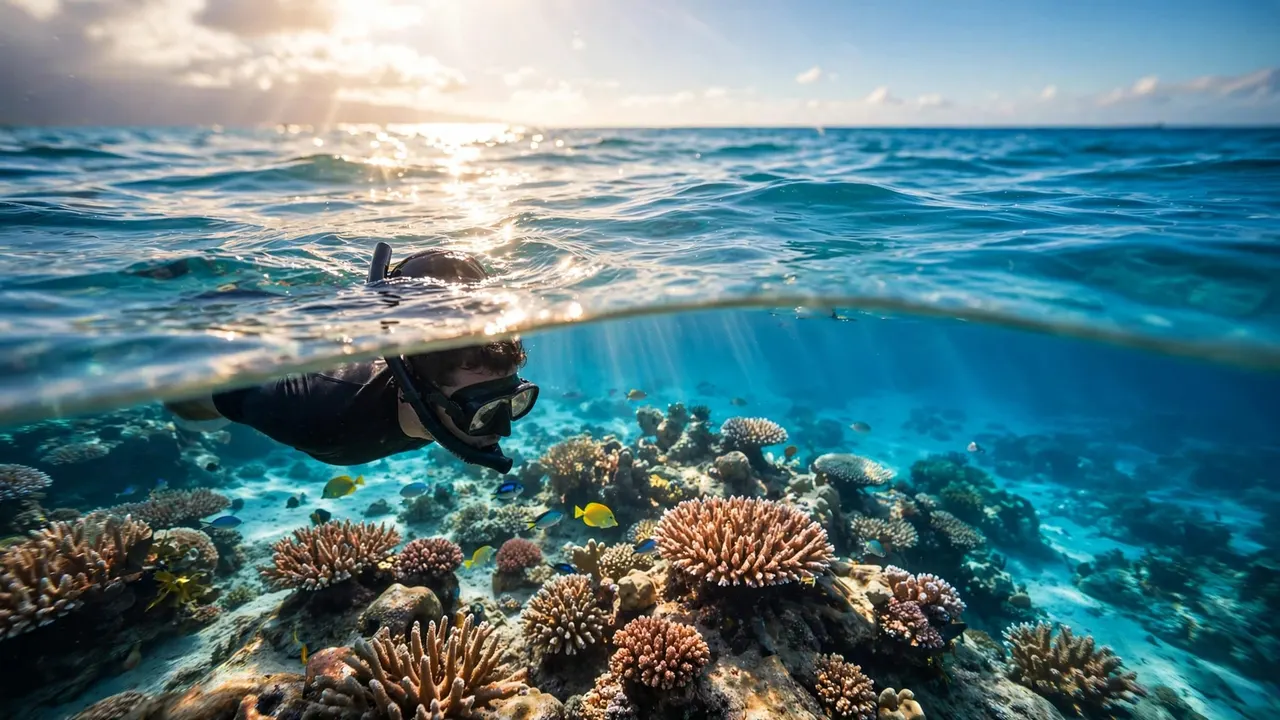
Your scuba dive may be over, but your body hasn’t finished adjusting to it. If you’re snorkeling Oahu’s reefs later the same day, the safest plan is a gentle surface swim, with no breath-hold dives or hard swimming. Living Ocean Tours offers guided Waikiki snorkeling, but even a welcoming crew can’t decide whether you’re ready to get back in the water.
That decision starts with your dive profile, how you feel, and the conditions at your next stop. Give yourself room to change plans rather than treating the snorkel as a required second activity.
Why surface snorkeling is different from another dive
After breathing compressed gas underwater, you may still have excess dissolved nitrogen in your tissues. Time at the surface lets your body release it. Floating with a snorkel doesn’t expose you to the same pressure changes as another scuba dive, but what you do while snorkeling matters.
Keep the activity at the surface
A slow float above the reef is different from repeatedly diving down for a closer look. Divers Alert Network (DAN) cautions that breath-hold diving after scuba may increase decompression-sickness risk, although the evidence is limited.
So leave the underwater photography challenges for another day. Don’t follow a turtle below the surface, compete to see who can stay down longest, or hyperventilate before a breath-hold dive. You can watch reef life while breathing normally at the top of the water.
Keep your effort low, too
Current, surface chop, and an awkward return swim can turn an easy outing into strenuous exercise. DAN’s guidance on exercise after diving generally recommends avoiding vigorous activity within 24 hours of a dive. That is not a rule requiring you to wait 24 hours before every relaxed surface snorkel.
It does mean you should skip hard finning and any plan that depends on pushing through fatigue. If you must work to hold your position, get out.
How much time should you leave between scuba and snorkeling?
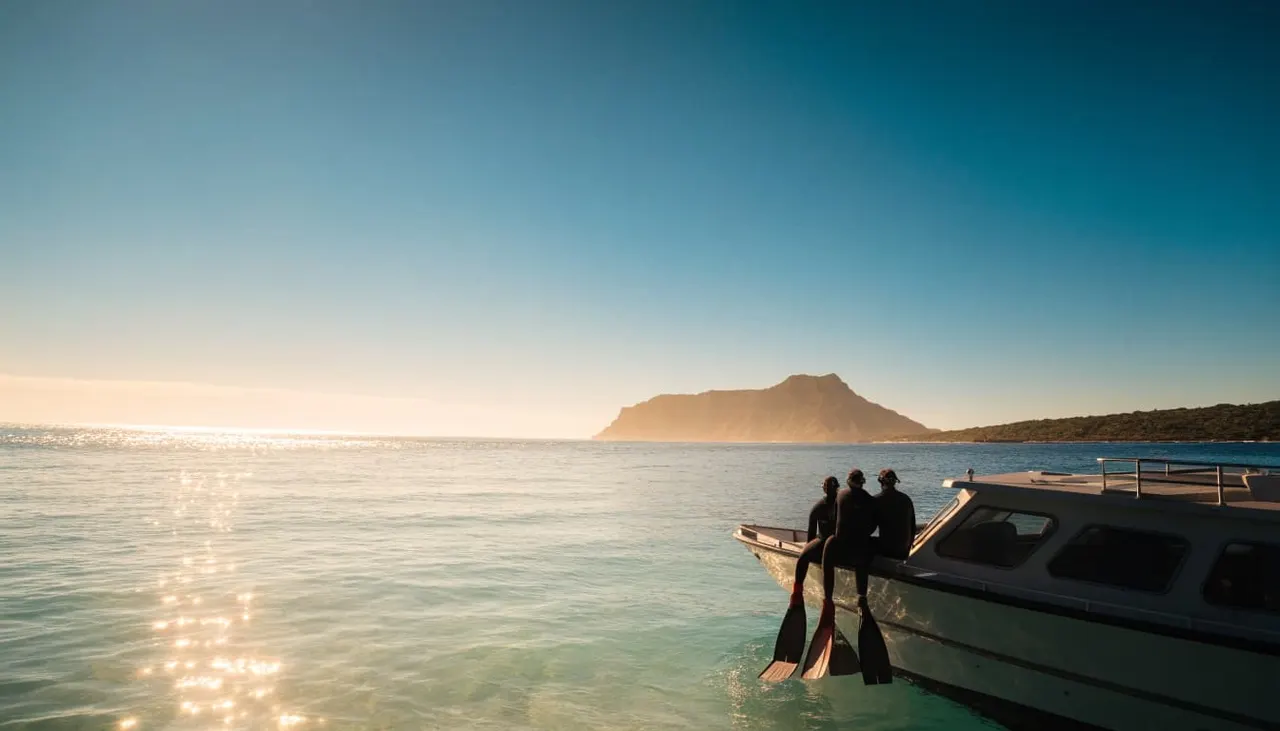
There isn’t one published waiting period that makes surface snorkeling safe after every scuba dive. Your dive depth, time underwater, number of dives, exertion, and symptoms all affect the decision. A short break between boat departures shouldn’t become a promise that you’ll get in the water again.
Follow your dive plan, then reassess
Complete your scuba dive within your training and dive computer’s limits. Follow any instructions from your dive operator, including restrictions tied to your particular dive. If you had a demanding dive or needed to work hard in current, give yourself a quieter afternoon.
A dive computer tracks your scuba exposure; it doesn’t certify that you feel fit for another ocean activity. Your best test before snorkeling Oahu’s waters is practical: Are you rested, breathing comfortably, and able to swim back without strain?
Build in an option to stay aboard
Leave time for a meal, water, shade, and an honest check-in after your dive. If you book an afternoon boat outing, tell the operator you’ve been scuba diving and that you may remain aboard. Ask about the swim area, flotation, and how you’ll reboard.
A surface interval can be enjoyable without another swim. The coastline, open deck, and reef views are still there if your energy fades.
Check yourself before returning to the water
Post-dive tiredness is easy to dismiss during a busy vacation day. Pay attention to symptoms before you put on a mask, and tell your buddy or crew about anything unusual.
Know when the snorkel is off the table
Don’t enter the water if you’re dizzy, unusually weak, short of breath, confused, or having pain that concerns you. Numbness, tingling, joint pain, and weakness can be signs of decompression illness. Symptoms can develop after you’ve left the dive site.
If you suspect a diving injury, alert the crew and seek urgent medical help. In an emergency, call 911. Don’t try to test whether a swim makes the feeling go away.
Respect ordinary fatigue as well
Even without signs of illness, you may be too tired for another outing. Sun exposure, a choppy boat ride, and a long scuba swim can leave you with less energy than expected. A cold or leaking mask can make the second session feel harder still.
Ask yourself whether you could comfortably return to the ladder if conditions changed. If the answer is uncertain, stay dry. Families can make the same call for a child who feels chilled or overwhelmed; nobody has to use every available minute in the water.
Choose an Oahu snorkel site that fits your energy
Clear skies don’t tell you what the current is doing. Before snorkeling Oahu’s coast after scuba, choose a place where you can float without working hard and leave the water promptly.
Check conditions at the actual entry point
Surf, wind, visibility, and water quality can vary around the island and change during the day. Honolulu Emergency Services’ ocean-safety guidance recommends checking conditions before entry or talking with a lifeguard. Its HNL.info alerts can flag unusual ocean conditions and other hazards.
For a shore entry, favor a lifeguarded area and go with a buddy. Confirm where you’ll enter and exit before you swim. If you can’t identify an easy route back, save the snorkel for another day. Flotation helps you rest, but it won’t make rough water safe.
Choose an outing you can shorten
A boat trip near Waikiki may give you a defined swim area and an obvious return point. Still, ask how far you’ll be from the vessel and whether you’ll need to swim against current. For independent snorkeling, avoid boat channels and keep your exit in sight.
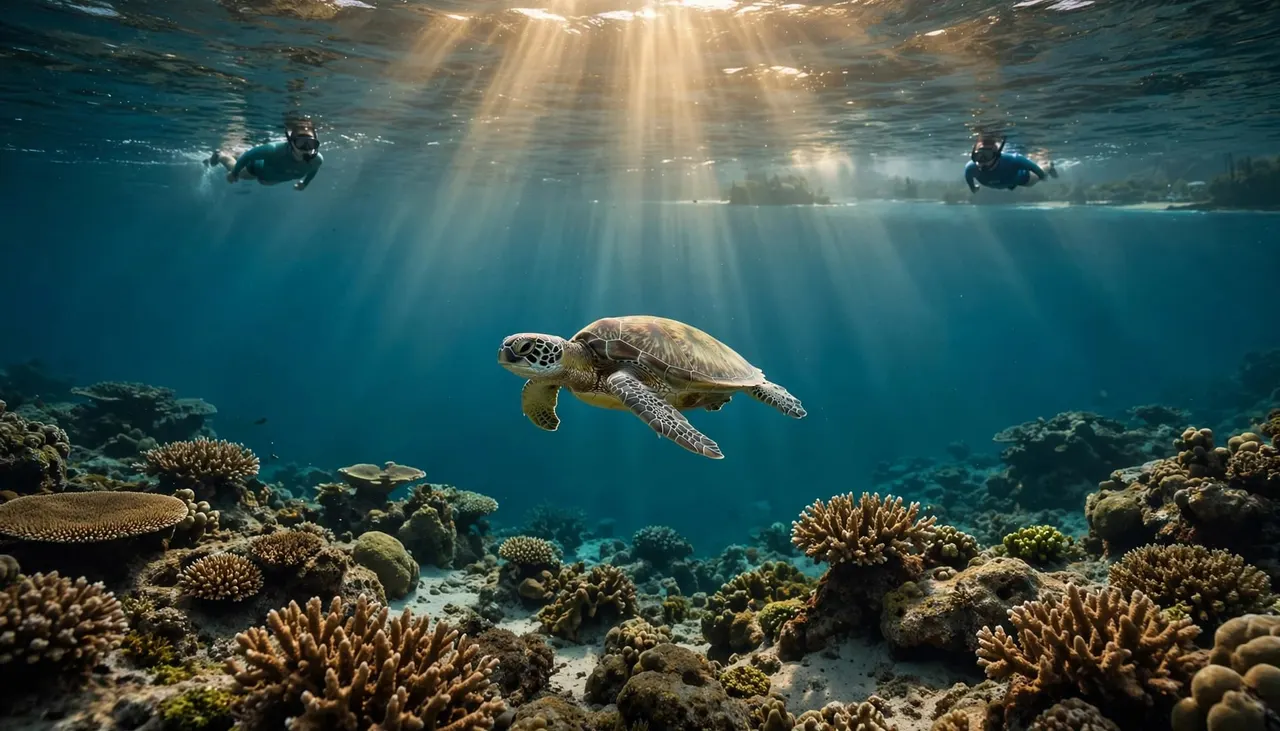
Turtle Canyons, off Waikiki, offers the chance to observe Hawaiian green sea turtles. You don’t need to dive down or chase an encounter. Let turtles move freely, keep your distance, and never touch wildlife or stand on coral.
Make the swim easy from entry to exit
A conservative plan works best when you decide how to enter, move, and return before the first fin kick. Tell your buddy and the crew that you’ve scuba dived, even if you feel fine.
Set up for a calm start
Check your mask seal on dry skin and test your snorkel near the entry point. If flotation helps you relax, use it. Agree to stay within sight of your buddy and close enough to the boat or shore for an uncomplicated return.
On a boat, wait for the crew’s entry signal. Ask where to pause if you need help, and find out which ladder you’ll use afterward. Taking a few extra moments on deck is easier than fixing a loose fin while drifting away from the group.
Float, look, and leave early enough
Keep your movements small and breathe steadily at the surface. Lift your head regularly to check your position. If a turtle passes beneath you, leave it space to surface and keep your fins clear of the reef.
A brief session can be plenty after scuba. Return before you’re cold, tired, or tempted to kick hard toward the boat. At the ladder, follow crew instructions and take your time; you don’t need to rush because other guests are waiting.
Plan a guided Waikiki outing with room to change your mind
Living Ocean Tours departs from Kewalo Basin Boat Harbor, near Waikiki. Its family-friendly boats offer shaded seating, restrooms, dry storage, and ladders for getting back aboard. The company describes itself as the only tour company with professional snorkel guides, who can help you settle your gear and find a comfortable surface pace.
That support is useful, but it doesn’t replace your own post-dive assessment. Tell the crew about your scuba dive before the swim briefing, and remain aboard if you’re unwell or conditions demand too much effort.
You can compare Living Ocean Tours’ Waikiki ocean trips before settling your schedule. Availability is only one part of the decision; leave yourself the option to enjoy the ride from the deck.
Turtle Canyons for an unhurried look
On the Turtle Canyons Snorkel Excursion, you visit a natural turtle cleaning station off Waikiki. A guide and a clear route back to the vessel can make a surface-focused swim easier to manage. Wildlife sightings still depend on the animals, and your decision to enter should depend on how you feel that day.
If a guided turtle outing fits your plans, you can CHECK AVAILABILITY. Let the crew know you may choose a short float or stay aboard after diving.
When another activity makes more sense
If you want the ocean views without another swim, choose time on deck instead. You can still share the boat ride with your group while they snorkel. That choice also avoids turning a restful surface interval into a test of endurance.
Key takeaways for your post-dive plan
- You don’t have a universal countdown that guarantees snorkeling is safe after scuba. Follow your dive plan and reassess before entering.
- Stay at the surface. Skip breath-hold dives, strenuous swimming, and any attempt to fight current for a closer wildlife view.
- Check local conditions, keep a buddy nearby, and know how you’ll return before you leave the boat or shore.
- If you feel unwell, don’t snorkel. Tell the crew and seek urgent help for possible diving-injury symptoms.
Enjoy the reef without rushing the interval
The best follow-up to a scuba dive may be a slow float above the reef, or a comfortable seat on the boat. Your condition sets the pace, not the itinerary.
When you’re snorkeling Oahu’s waters after diving, keep the swim easy, stay at the surface, and leave while you still feel strong. The reef is worth seeing without asking more of your body than it can give that day.


