
Snorkeling Oahu: Handle a Leg Cramp in Open Water
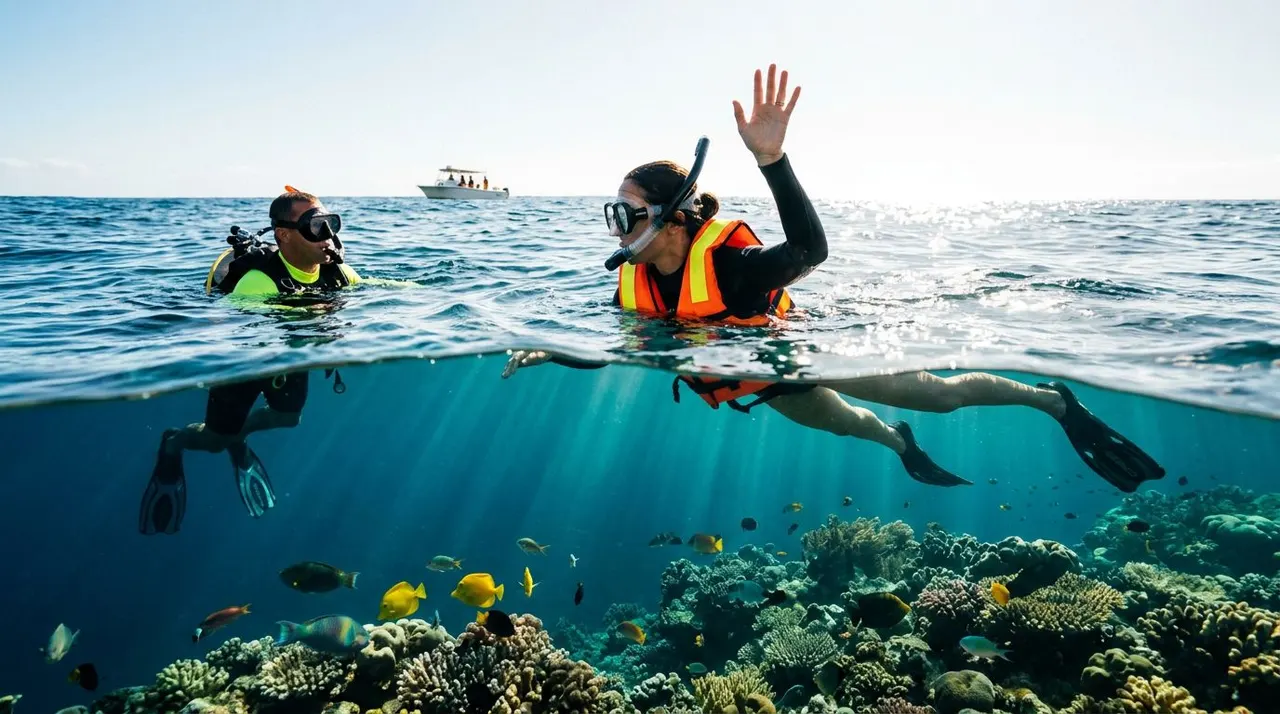
A leg cramp can turn a beautiful reef swim into a stressful moment in seconds. When you are snorkeling Oahu, your safest move is to stop, float, signal early, and let your buddy or guide help you return to the boat.
Living Ocean Tours departs from Kewalo Basin Boat Harbor, minutes from Waikiki, with guided trips built for families, couples, first-time snorkelers, and confident swimmers. Good preparation keeps snorkeling Oahu focused on coral, tropical fish, and sea turtles instead of a problem you tried to handle alone.
Your goal is never to push through pain. Your goal is to stay calm, visible, and supported.
Key Takeaways for a Safer Reef Swim
- Stop kicking as soon as a cramp starts, then use your flotation vest or relaxed surface float to stay stable.
- Signal your buddy and professional snorkel guide right away. Early communication prevents a small issue from becoming a tiring swim.
- Stay near the boat and skip duck dives when your leg hurts, even if the reef looks inviting below.
- Tell the crew if you feel cold, dizzy, tired, anxious, or uncomfortable with your gear before entering the water.
- Return to the boat while you still have energy. You don’t need to finish the full swim to have a great day.
- Snorkel with a partner and remain in visual contact, as recommended in Hawaii DLNR’s guidance on snorkeling with a buddy and checking conditions.
Why Open-Water Cramps Need a Calm Response
A cramp is painful, but panic uses energy quickly. In open water, a sudden tight calf or foot can make your fin kick uneven and leave you feeling farther from the boat than you are.
When you are snorkeling Oahu from a boat, crew support is close by. Still, you need to make yourself easy to spot and avoid turning around to swim against discomfort.
Separate the Pain From the Surroundings
First, notice whether you are drifting, feeling surface chop, or struggling to hold your position. A painful leg alone calls for a calm pause and a signal for help.
However, current changes the situation. The Red Cross describes rip currents as water moving away from shore and advises swimmers to move parallel to shore until free of the current. Review its rip-current safety guidance before a beach swim, but on a boat snorkel, alert the guide instead of trying to solve a current on your own.
Let Comfort Set Your Limit
You may be able to float and still decide that the water no longer feels right. That is enough reason to head back to the boat.
If your mask leaks, your leg aches, or the water feels choppy, let the guide know before fatigue builds. Watching the reef from the deck is still part of an ocean day.
What to Do When a Cramp Starts
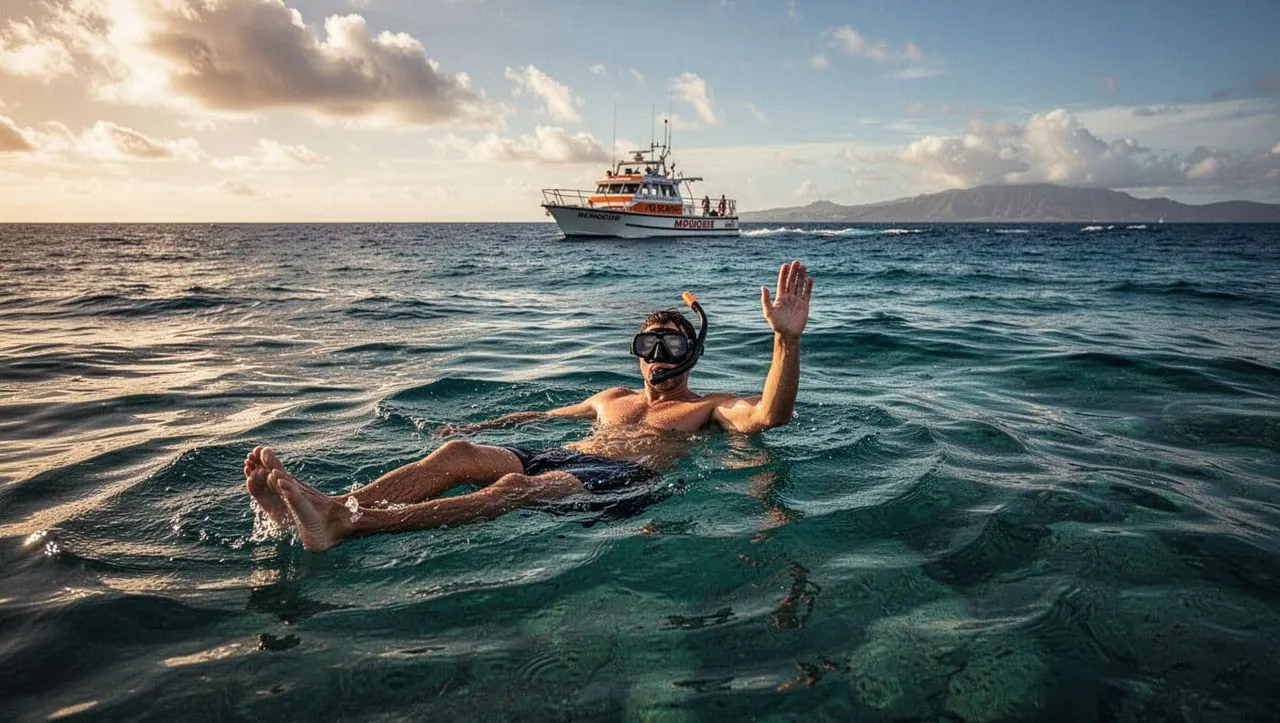
A controlled response protects your energy and keeps your group aware of what is happening. Focus on staying on the surface rather than forcing your body to keep up with the group.
Stop Moving Forward and Get Buoyant
Stop kicking with the painful leg. Keep your face above water, slow your breathing, and use your flotation vest or a relaxed back float to stay comfortable.
Avoid duck diving, chasing a turtle, or trying to make a fast swim back to the boat. If the cramp makes it hard to stay relaxed at the surface, you need help immediately.
Hold your position as best you can. A guide can come to you, or your buddy can remain close while the crew directs your return.
Signal Before You Feel Overwhelmed
Raise one arm, wave, or use the signal your crew reviewed before entry. Keep signaling until your buddy or guide sees you.
Say clearly that you have a leg cramp when someone reaches you. If you also have chest discomfort, trouble breathing, dizziness, weakness, confusion, or feel unable to float, treat it as an urgent situation and get trained assistance without delay.
A return to the boat is a smart safety decision, even when the cramp begins to ease.
Prevent Cramps Before You Enter the Water
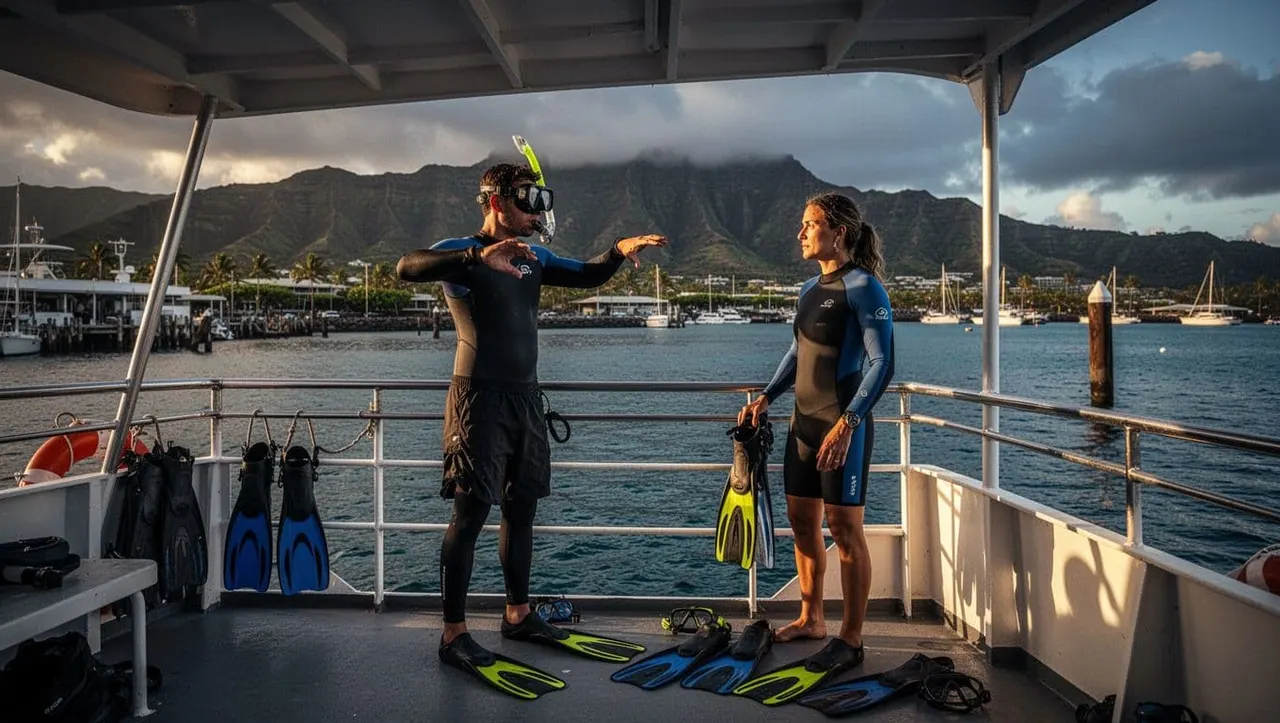
You cannot control every physical response in the ocean. You can, however, remove avoidable stress before the boat reaches the reef.
Check Your Fit and Your Energy
Test your mask seal against dry skin before you enter. Ask the crew to adjust fins that rub, feel loose, or restrict your movement. A poor fit distracts you and can lead to rushed kicking.
Bring drinking water and have a light meal if that suits your normal routine. Tell the crew early if you are tired, cold, nervous, nauseated, or returning to snorkeling after a long break.
You can also choose flotation support from the start. A vest helps you float calmly, conserve energy, and keep your fins clear of coral.
Prepare for Sun, Wind, and the Return Ride
A rash guard can provide coverage in the water and light protection against wind afterward. Hawaii DLNR also recommends a shirt during peak sun hours, roughly 10 a.m. to 2 p.m., in its MLCD sun-safety tips.
Keep a towel and dry layer easy to reach for the ride home. On a wet deck, secure sandals and an organized bag make boarding and moving around easier.
Choose Guided Snorkeling Oahu Support
A guided boat trip gives you more than a ride to a reef. You get an entry plan, equipment help, nearby crew, and a clear way to exit the water if your body says it is time.
Stay Close to Professional Guides
Living Ocean Tours is the only tour company with professional snorkel guides. That in-water support helps when you need a mask adjustment, a flotation break, or help returning after a leg cramp.
The company’s Coast Guard-inspected double-decker boats include shaded seating, onboard restrooms, dry storage, and heavy-duty ladders. Those details make the time before and after your swim more comfortable, especially with children or less-confident swimmers.
Explore Waikiki snorkeling and ocean tours when you want support close to the reef, not a long solo swim from shore.
Keep Wildlife Viewing Respectful
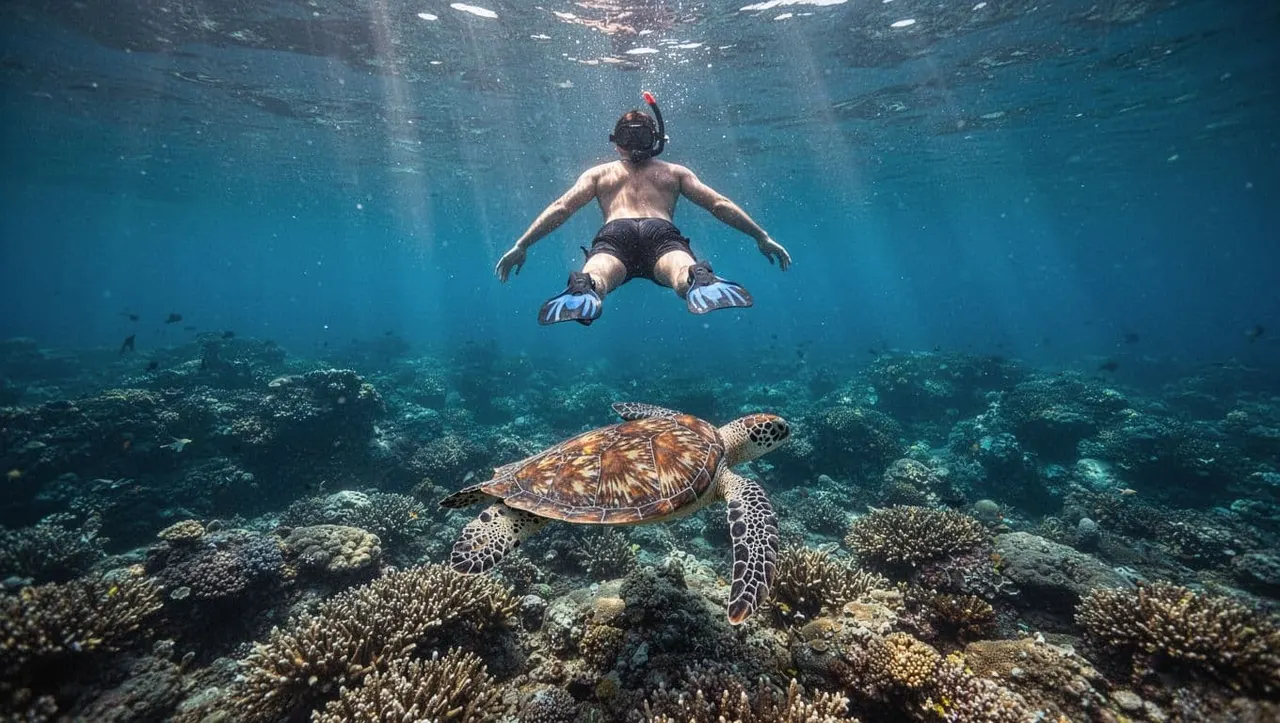
Turtle Canyons is known for Hawaiian green sea turtles at a natural cleaning station. Living Ocean Tours reports a 95% turtle-sighting rate there, although wild animals and water conditions always vary.
Stay horizontal, keep your fins controlled, and give turtles room to surface, rest, and choose their path. Hawaii’s protected marine species include sea turtles, marine mammals, and many fish. Observe them without touching, feeding, chasing, or blocking their route.
When a guided turtle snorkel fits your vacation plans, CHECK AVAILABILITY.
Return to the Boat Before You Are Exhausted
A cramp may fade, but that does not mean you need to resume your swim. Your body has already given you useful information.
Make the Exit Simple
Tell the guide that you are heading back. Keep your buddy nearby, follow crew directions, and approach the ladder only when instructed.
Once aboard, dry off, drink water, and rest in a shaded seat. Let the crew know if pain continues or if you developed any other symptoms while in the water.
Protect the Reef on the Way Out
Don’t stand on coral or grab it for balance in shallow water. Coral can injure you, and even brief contact can damage living reef habitat.
If you scrape coral, clean and address the wound after you are safely out of the water. Divers Alert Network’s guidance on coral scrapes and cuts recommends antiseptic ointment and a dry, sterile, non-adherent dressing.
A Wildlife Cruise With Extra Space to Relax
If your group wants a less-crowded reef experience, the Deluxe Waikiki Snorkeling and Wildlife Cruise gives you room to set your own pace. You can snorkel close to professional guides, then enjoy the boat’s water slide, water trampoline, and floating lily pad when conditions and crew direction allow.
The Lokahi also has a SeaKeeper stabilization system that reduces boat roll. That can make the ride more comfortable if you are prone to seasickness or want a steadier place to rest between water activities.
You can check availability for the Deluxe Waikiki Snorkeling and Wildlife Cruise before setting your Waikiki itinerary.
FAQ About Leg Cramps While Snorkeling
Should you keep snorkeling after a cramp?
You should return to the boat if the cramp affects your kick, comfort, or confidence. Even if it eases, take time to rest before deciding whether another swim feels right.
Can you snorkel if you are not a strong swimmer?
You should have basic swimming ability before entering open water. Still, professional guidance, gear instruction, and flotation support can help you stay calm near the boat while snorkeling Oahu.
What if your child gets a leg cramp?
Keep your child close, signal the guide, and help them stay buoyant. Do not ask them to push through it or swim a long distance back to the boat.
Can you stay aboard instead of snorkeling?
Yes. You can enjoy the coastline, watch for wildlife, and relax in the shade if the water feels intimidating or your body does not feel ready.
Keep the Ocean Day on Your Terms
A leg cramp does not have to end your connection with Oahu’s reef. Good judgment means stopping early, signaling clearly, and returning to the boat before discomfort turns into exhaustion.
When you prepare your gear, respect the conditions, and stay close to experienced support, snorkeling Oahu can remain a memorable and comfortable part of your trip.


