
Snorkeling Oahu: How to Protect Your Ears After a Swim
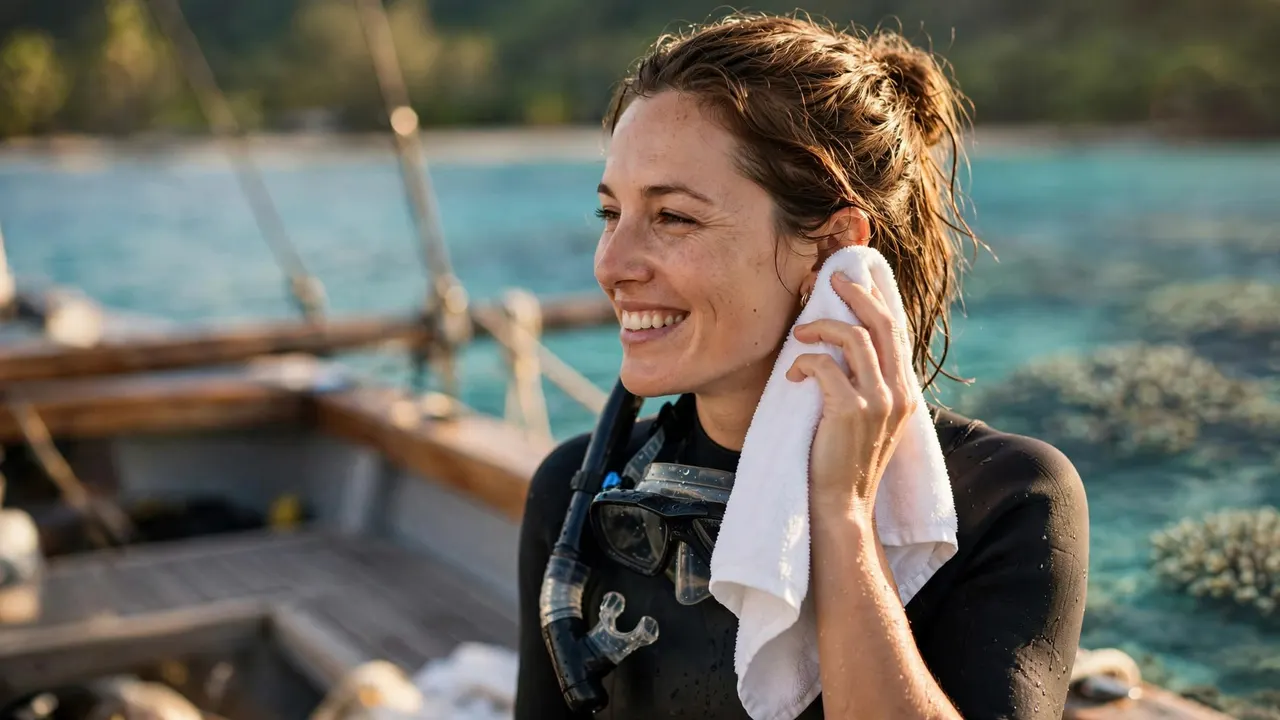
After snorkeling Oahu’s reefs, gently dry the outside of your ears and give water a chance to drain. A simple post-swim routine can help you care for your ears before you head back to your hotel or settle in for the boat ride.
At Living Ocean Tours, we want your day on the water to feel comfortable for the whole family. Here’s how to make ear care part of your snorkeling routine and plan for your next swim.
Key Takeaways for Your Snorkel Day
- Give your ears time to drain after swimming, then gently towel-dry the outside.
- Keep a clean, dry towel handy for each swimmer in your group.
- Ask a healthcare professional for personal advice if you have concerns about your ears.
- Consider swimming earplugs or custom-fitted swim molds if they’re appropriate for you.
- Enjoy the reef at the surface if you prefer to avoid underwater descents.
Why Drying Your Ears After a Swim Matters

When you’re snorkeling Oahu’s waters, your ears spend time in the ocean along with the rest of you. Once you’re out, drying them is a small step you can add to your usual routine of rinsing off and putting away your gear.
The CDC explains that drying your ears after swimming helps limit the conditions in which germs can grow in the outer ear. Those germs can cause swimmer’s ear, an infection of the outer ear canal. You can read the agency’s swimmer’s ear prevention guidance for more information.
You don’t need an elaborate kit to make drying part of your day. Set aside a clean towel before you get in the water, so it’s ready when you return. If you’re swimming with children, plan a little extra time to help them get comfortable and dry off, too.
How to Dry Your Ears After Snorkeling
You can start your post-swim routine as soon as you’re safely back on the boat or shore. Take your time, and keep the towel against the outside of your ear.
Let water drain naturally
Tilt your head to one side so the ear you’re drying faces down. Pause to let any water drain, then repeat on the other side.
You can do this while seated in a stable spot after leaving the water. There’s no need to rush through the step because the rest of your group is packing up.
If you’re on a boat, wait until you’re settled in a secure place before tending to your ears. Keep a hand available for balance, and ask someone nearby for help if you need it.
Use a towel on the outside
Gently dry the outer ear with a clean towel. Use a dry section for each side, especially if your towel is already damp from drying your hair or shoulders.
A small towel is easy to keep near your other post-swim supplies. If you’re spending the day at more than one beach, bringing an extra dry towel gives you a comfortable option after a later swim.
The CDC includes towel-drying in its swimming and ear infection guidance. Make it a regular part of leaving the water, even when you’re ready to move on to lunch or your next stop.
Make Ear Care Easy for the Whole Family
A family snorkel day can move quickly once everyone is back on board. Masks need putting away, towels come out, and younger swimmers may need help with their belongings. A little preparation gives ear care a place in that routine.
Give each swimmer a dry towel
Pack separate towels so each person has a clean, dry area to use. Keep them with your dry belongings rather than wrapping them around wet masks or fins.
After swimming, help younger children tilt their heads and gently dry the outside of their ears. Let them settle somewhere stable first, particularly on a moving boat.
You can make the routine feel as ordinary as drying off after a bath. Explain what you’re doing in simple language, and give your child time to participate at a pace that feels comfortable.
Agree on a post-swim meeting spot
Before your group enters the water, choose where you’ll regroup afterward. On a guided outing, follow your crew’s directions for returning to the boat and moving around the deck.
Once everyone is back together, you can dry off, collect your gear, and decide what you need next. Parents and guardians should keep their own supervision plan in place throughout the outing, even when guides are nearby.
What to Know About Swimmer’s Ear
Drying your ears is a prevention habit, not a way to diagnose an ear condition. If you have a question about your ear health, a healthcare professional can give you advice based on your circumstances.
Swimmer’s ear is an infection of the outer ear canal. The CDC notes that healthcare professionals can treat it with antibiotic ear drops. Those treatment drops are different from a general post-swim drying routine, so follow the directions you receive from your healthcare professional.
The CDC’s healthy swimming guidance also places ear drying alongside other habits that help swimmers reduce the chance of illness.
If you have questions about swimming and your ears, bring them up before your next outing. You can explain that your plans involve ocean snorkeling and ask what precautions make sense for you. That conversation is more useful than assuming another swimmer’s routine fits your needs.
Prepare Your Ears Before Your Next Swim
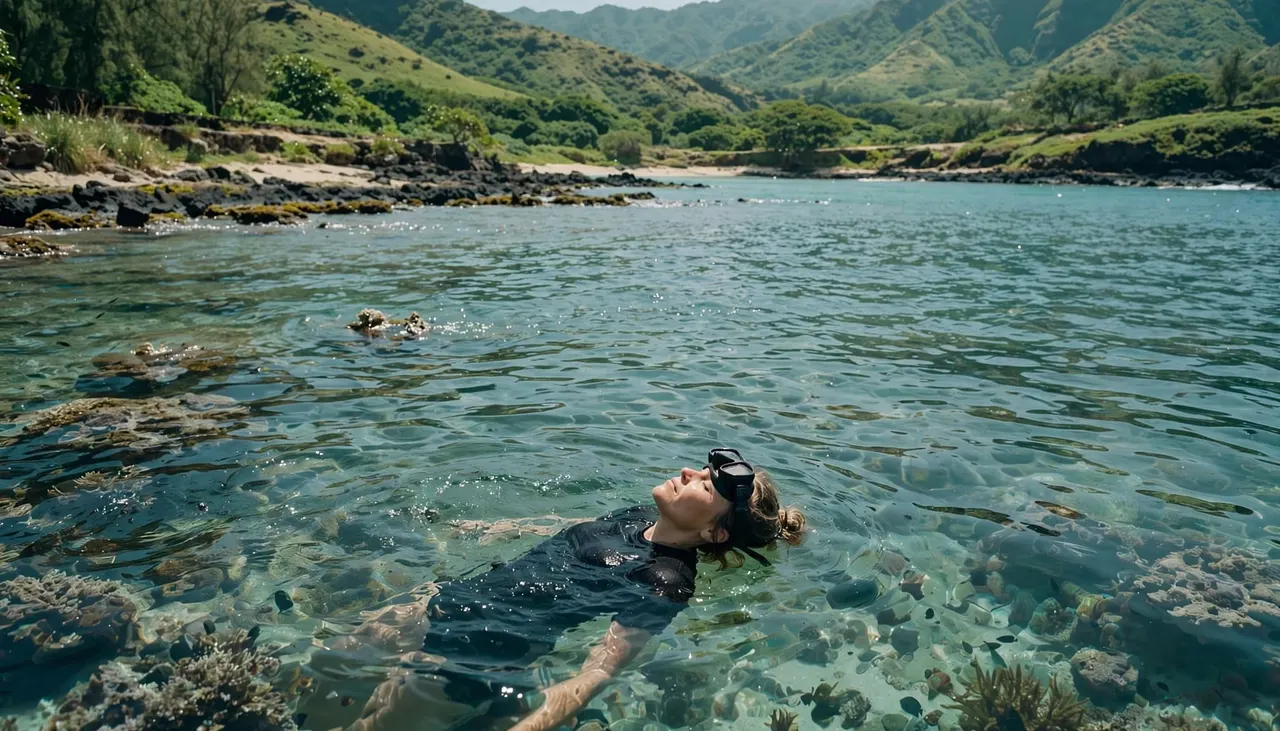
Your post-swim routine is easier when you make a few decisions before leaving shore. Consider the type of swimming you want to do, your comfort in the water, and any advice you’ve received about ear protection.
Choose ear protection for swimming
The CDC lists swimming earplugs and custom-fitted swim molds among the options for keeping ears dry while swimming. Fit and comfort matter, and a swimming plug won’t guarantee that every drop of water stays out.
If you’re considering ear protection, ask a healthcare professional what suits you. Our guide to snorkeling earplugs and ear care also covers options for a surface-focused swim.
Keep swimming ear protection and underwater descents separate in your planning. A plug intended to limit water entry doesn’t replace a plan for pressure changes underwater.
Enjoy the reef from the surface
You can see plenty while snorkeling Oahu’s reefs without diving down. Floating at the surface gives you time to watch fish and look for Hawaiian green sea turtles while staying close to your buddy and guide.
If you choose to descend, don’t force your ears to equalize. Return toward the surface and stop further descents if equalizing doesn’t feel comfortable. Our snorkeling ear pressure tips cover ways to plan for a more comfortable swim.
Whatever depth you choose, give wildlife room to move. Observe turtles without touching or chasing them, and keep your fins away from coral.
Plan a Guided Waikiki Snorkel
Snorkeling Oahu’s south shore with a guide gives you a chance to enjoy the reef with support nearby. Tell your guide about any ear-care concerns before you enter, and agree on an easy signal for assistance.
At Living Ocean Tours, we’re the only tour company with professional snorkel guides. We depart from Kewalo Basin Boat Harbor near Waikiki, and our crew can help you plan a surface-focused swim.
Our Deluxe Waikiki Snorkeling and Wildlife Cruise starts at $79. You can enjoy snorkeling and time aboard, with a water slide and floating activities for your group. If it fits your plans, you can CHECK AVAILABILITY for the cruise.
You can also browse our available outings and choose a day that works for your group.
Frequently Asked Questions
Should you dry your ears after every snorkel?
Yes. Gently drying the outside of your ears after swimming is an easy habit to add to your routine. Bring a dry towel and give yourself a moment to drain each ear before moving on with your day.
If you return to the water later, use a dry part of your towel when you get out again. Keeping an extra towel with your belongings can be useful on a longer beach day.
Can swimming earplugs keep ocean water out?
Swimming earplugs can help reduce water entry, but they don’t guarantee a watertight seal. They also aren’t the right choice for every swimmer.
Ask a healthcare professional for advice if you’re unsure which protection is appropriate for you. Plan on a surface-focused swim when using swimming earplugs, rather than treating them as equipment for underwater descents.
Can you enjoy snorkeling Oahu’s reefs without diving?
Yes. Surface snorkeling lets you watch marine life while breathing through your snorkel. You can take your time, stay near your buddy, and follow your guide’s directions without chasing depth.
For families, a surface-focused plan also gives everyone a shared way to enjoy the water. You can look for fish and turtles while keeping a respectful distance from the reef.
Who can help you make a personal ear-care plan?
A healthcare professional can help you decide what precautions fit your needs. Explain your swimming plans and ask any questions before your outing.
Your snorkel guide can help with the practical side of your day, such as showing you where to regroup and agreeing on a signal for assistance. Medical advice and in-water guidance each have their place.
Keep Your Post-Swim Routine Simple
After snorkeling Oahu’s waters, give your ears time to drain and gently dry the outside with a towel. It’s a small habit that fits easily into your return to the boat or beach.
A comfortable surface swim can be a rewarding way to see the reef. Take care of your ears, stay close to your buddy, and enjoy the marine life at a respectful distance.


