
Snorkeling Earplugs: Can You Wear Them on Oahu?
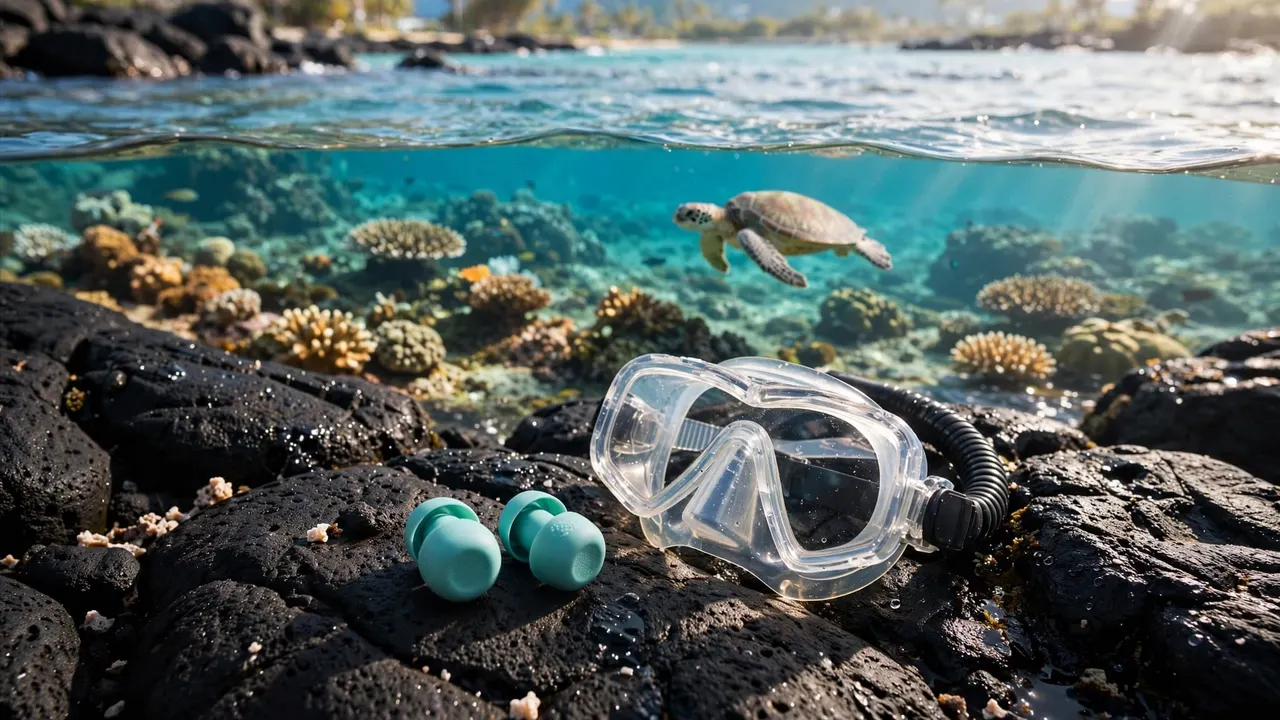
You can wear snorkeling earplugs while floating at the surface if they’re suitable for swimming and appropriate for your ears. Keep in mind that swimming with earplugs and diving below the surface involve different pressure concerns.
At Living Ocean Tours, we want you to enjoy Waikiki’s reefs with a plan that fits your comfort and health. Staying at the surface lets you watch marine life without adding an underwater descent to your swim.
Here’s how to choose ear protection and recognize when your ears need a break.
Key Takeaways for Your Snorkel Day
Swimming earplugs can help keep water out, but they don’t guarantee a watertight seal or prevent every ear problem. If you have ear tubes, recent surgery, or a history of ear trouble, ask your ENT for advice about ocean snorkeling.
Avoid diving underwater with earplugs. If you develop pain, dizziness, or trouble hearing, signal for help, leave the water, and get medical advice. You can enjoy Oahu’s reefs without duck-diving.
Can You Wear Snorkeling Earplugs at the Surface?
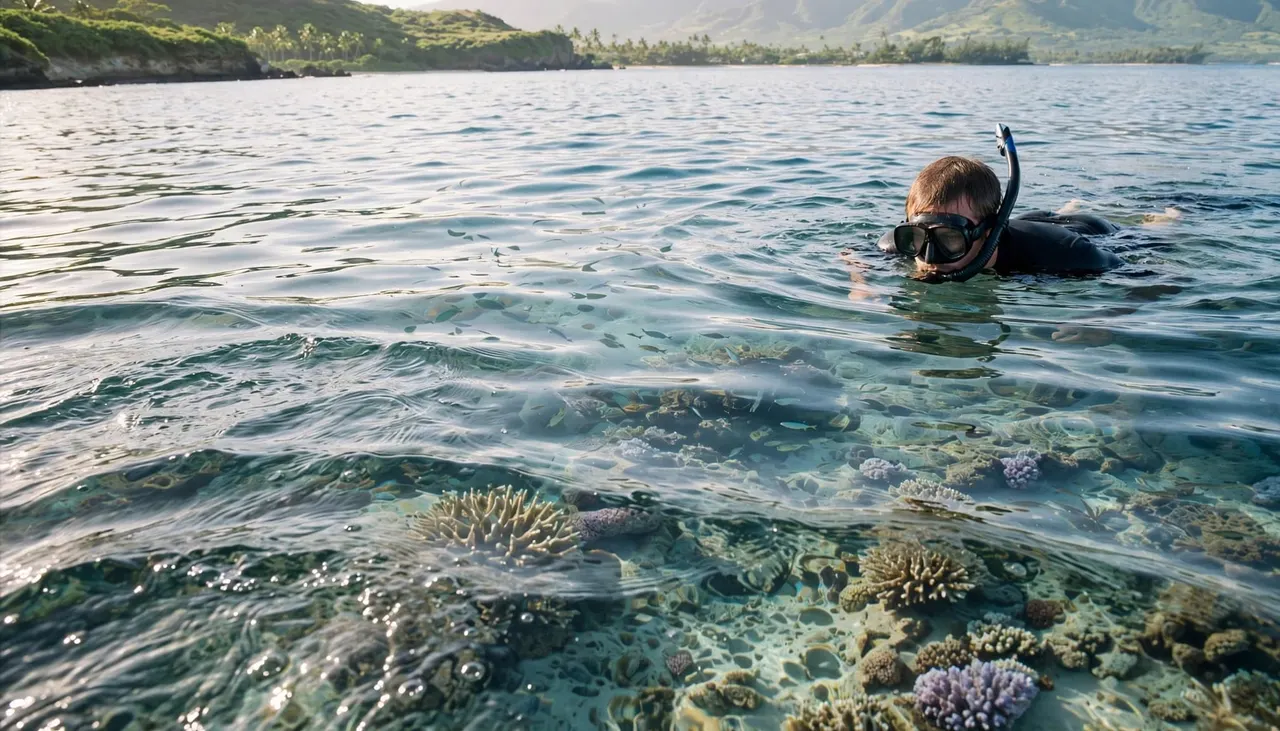
Yes, swimming earplugs can be an option for surface snorkeling. They may help reduce the amount of water entering your ear canals while you float face-down and breathe through your snorkel.
The CDC lists earplugs and custom-fitted swim molds among the options for keeping ears dry while swimming. That guidance addresses swimming generally, so it doesn’t mean every plug is right for every snorkeler.
Know what your plugs can do
A properly fitted swim plug may help keep water out, but waves and movement can shift it. Even in calm conditions, you should be prepared for some water to reach your ears.
Earplugs also don’t replace an assessment of an irritated or injured ear. If you already have pain or drainage, skip the swim and seek medical advice rather than trying to seal the problem away.
Keep your plan surface-focused
You don’t have to dive down to enjoy a snorkel outing. While you float, take breaks to look up, locate your buddy, and stay aware of the boat and other swimmers.
If you choose to wear snorkeling earplugs, remember that they can make voices harder to hear. Agree on visual signals with your buddy and guide before you enter.
Why Earplugs and Underwater Pressure Need Care
A duck dive can change the pressure on your ears within a short distance. As you descend, water pressure increases outside the ear, while the pressure in your middle ear must adjust through the eustachian tube.
A sealed earplug can add another pressure problem
An ordinary solid plug can trap an air space between the plug and your eardrum. During descent, changing pressure can affect that space and push the plug farther into the ear.
Divers Alert Network warns against diving with earplugs because of the risk of ear injury. Its advice concerns diving, but the practical choice for a snorkeler wearing plugs is to remain at the surface rather than duck-dive.
Earplugs don’t equalize your middle ears
Keeping water out of the ear canal is different from equalizing pressure behind the eardrum. Blowing water out of your snorkel is different, too. Neither action guarantees that your ears will adjust to a descent.
If your ears feel blocked or painful, don’t force an equalization attempt. Stop descending, return toward the surface, and end further underwater dives. Congestion from a cold or allergies can make pressure adjustment harder, so give those symptoms your attention before entering the water.
Choosing Snorkeling Earplugs for Water Protection
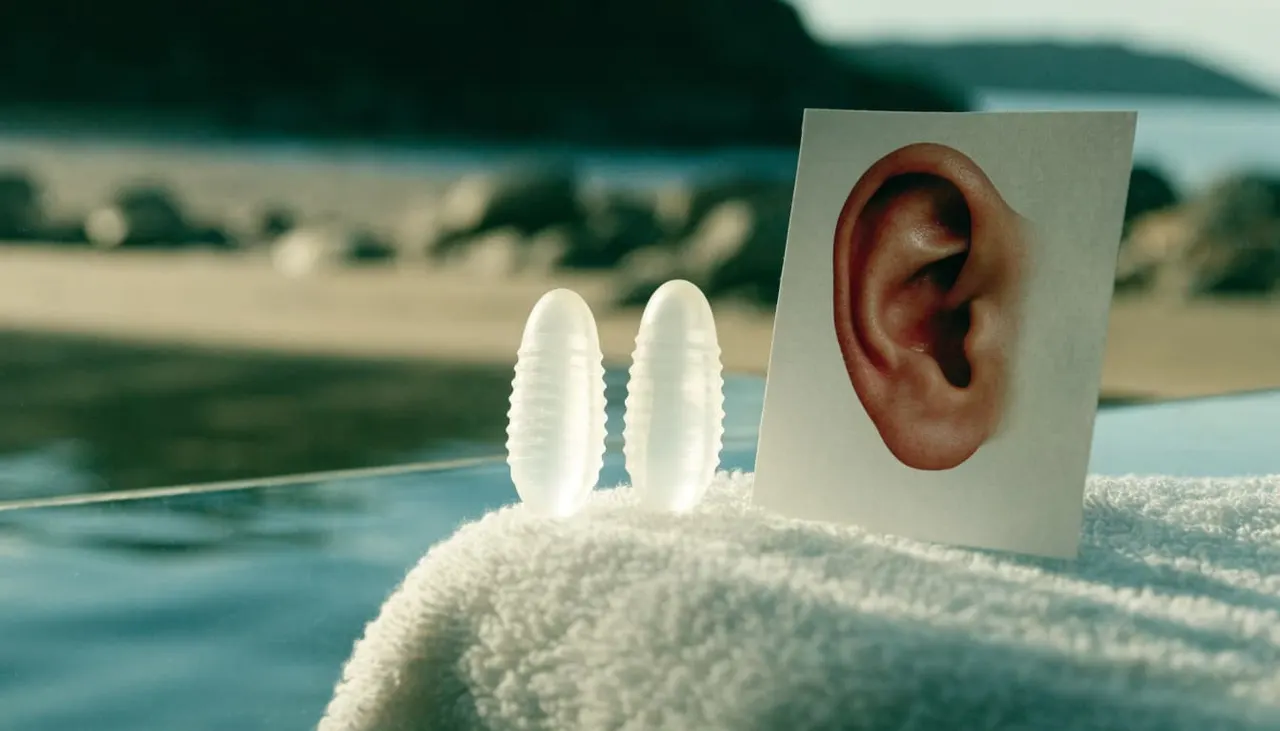
Look for ear protection intended for swimming rather than assuming that any plug in your travel bag will work. Fit, comfort, and your medical history matter more than a promise on the package.
Swim plugs and custom-fitted molds
Swimming earplugs come in different shapes and materials. Custom-fitted swim molds are another option, particularly if a healthcare professional recommends them for your needs.
Your plugs should feel comfortable without being forced into your ear canal. Follow their instructions for fitting and removal, and replace damaged or dirty plugs. Don’t improvise with cotton or push small pieces of material deep into your ears.
A snug fit doesn’t mean your ears are protected against underwater pressure. Plan to stay at the surface, even when your plugs feel secure.
Be cautious with specialty designs
You may see vented products marketed for water activities. A vent doesn’t make a plug suitable for every person or every depth, and it doesn’t replace advice about ear tubes, an eardrum injury, or surgery.
If you need ear protection for a medical reason, discuss the specific product and your surface-snorkeling plans with your ENT. That conversation is more useful than choosing gear based on someone else’s experience.
When to Ask an ENT Before Snorkeling
Your ears deserve individual attention if you’ve had tubes, surgery, a perforated eardrum, recurring infections, or ear canal eczema. These conditions can change whether water exposure is appropriate and which precautions make sense for you.
Ear tubes and recent surgery
Ear tubes create a small opening through the eardrum. Some people with tubes can swim, but your own guidance depends on factors such as healing, drainage, and your history of infections.
Ask your ENT about ocean surface snorkeling, not only pool swimming. Waves, saltwater, and accidental submersion can make an ocean outing different from a controlled swim. If you’ve had recent surgery, ask when water exposure is appropriate and whether you need protection.
Don’t assume a plug makes an unhealed ear ready for the ocean. Follow your clinician’s advice about timing and avoid underwater descents unless your clinician has advised otherwise.
Pain, drainage, and congestion
Postpone your swim if you have active ear pain, drainage, or dizziness. Fluid, blood, or foul-smelling discharge needs medical attention, not a tighter-fitting earplug.
A cold or allergy flare can also leave your ears feeling blocked. Even if you plan to stay at the surface, you need to breathe comfortably and manage your equipment without feeling unwell. Choose a dry activity when symptoms make a swim questionable.
Make a Family Plan Before Entering the Water
Children can enjoy watching fish from the surface without diving after them. If your child wears earplugs, explain that the goal is comfortable floating, not keeping up with an adult who goes underwater.
Make sure a responsible adult stays close and supervises each child, even when a guide is nearby. A child may not have the words to describe ear pressure. Repeatedly touching an ear, becoming upset, or suddenly resisting putting their face in the water is a reason to pause.
Ask about comfort in plain language and help your child return to a supported position. If there’s pain, end the swim rather than encouraging another attempt.
For any family member who has tubes or a history of ear problems, get medical advice before the trip. Bring the recommended ear protection with you, and keep your plans flexible if conditions are choppy.
Prepare for a Comfortable Surface Swim

A few decisions before you enter the water can make it easier to enjoy the reef and respond if something doesn’t feel right.
Get comfortable with your gear
Put your snorkeling earplugs in while you’re dry, following their fitting instructions. Then adjust your mask without pulling the strap painfully tight. A tighter mask doesn’t solve ear pressure, and an uncomfortable fit can distract you from your breathing.
Ask for help with your mask, snorkel, fins, and flotation support before moving away from the boat. Take your first minutes slowly, breathe through the mouthpiece, and practice lifting your face out of the water when you want a break.
Agree on a signal and exit plan
Tell your buddy and guide if your earplugs make instructions harder to hear. Agree on a clear hand signal for help, and know how you’ll return to the boat.
Stay close enough to your buddy to communicate. Look up regularly rather than following a turtle or fish away from your group. If a plug shifts or you feel discomfort, signal and return to a safe place before adjusting it.
What to Do If Water Gets in Your Ear
Water entering your ear doesn’t automatically mean you’ll develop an infection. Still, give your ears time to drain after your swim, especially if you’re prone to swimmer’s ear.
Tilt your head to each side and gently dry the outside of your ears with a towel. Don’t insert cotton swabs or other objects into the ear canal. They can irritate the skin or push wax farther in.
Ask a healthcare professional before using ear-drying drops if you have ear tubes, a possible eardrum injury, drainage, or recent ear surgery. Drops aren’t appropriate for every ear.
If pain, drainage, dizziness, or hearing changes develop or continue, stop snorkeling and seek medical care. A sudden change in hearing or severe dizziness deserves prompt attention. Don’t return to the water simply because you have more time left on your trip.
Enjoy Waikiki’s Reefs With Guide Support
You can explore Waikiki’s underwater scenery without chasing depth. Our Turtle Canyon Snorkel Tour includes knowledgeable guides and gear, with approximately one hour of snorkeling during the two-hour outing.
Tell our professional snorkel guides about your ear concerns before entering. We can help you plan a surface-focused swim and agree on a signal if you need assistance. You can also browse our Waikiki snorkeling options for another way to enjoy the coast.
Our trips depart from Kewalo Basin Boat Harbor near Waikiki. When you see a turtle, give it space and observe without touching or chasing it. Keep your fins clear of coral as you float.
For the Turtle Canyon outing, you can CHECK AVAILABILITY and plan a relaxed day on the water.
Frequently Asked Questions
Do snorkeling earplugs prevent swimmer’s ear?
They can help keep water out, but they don’t guarantee you’ll avoid an infection. Dry your outer ears after swimming and seek medical advice if you develop pain, drainage, or other symptoms.
Can you duck-dive while wearing swim earplugs?
Avoid underwater descents with earplugs. A sealed plug can create a pressure problem in your ear canal. You can stay at the surface and still enjoy the reef.
Can you snorkel with ear tubes?
Some people with ear tubes can swim, but your ENT should advise you about your situation. Ask about ocean water, surface snorkeling, and any precautions related to your healing or infection history.
Should you wear earplugs if your ears already hurt?
No. Ear pain is a reason to postpone your swim and get medical advice. A plug may keep some water out, but it won’t treat the cause of the pain.
Choose Comfort Over Depth
Snorkeling earplugs may help keep water out during a surface swim, but they don’t make underwater descents pressure-free. Your best plan accounts for your ear health, the ocean conditions, and how you feel before and during the outing.
Take your time, communicate with your buddy and guide, and stop if your ears hurt. Oahu’s reef life is worth enjoying at a pace that feels comfortable.


