
Is snorkeling Oahu Waters Safe Before a Flight?
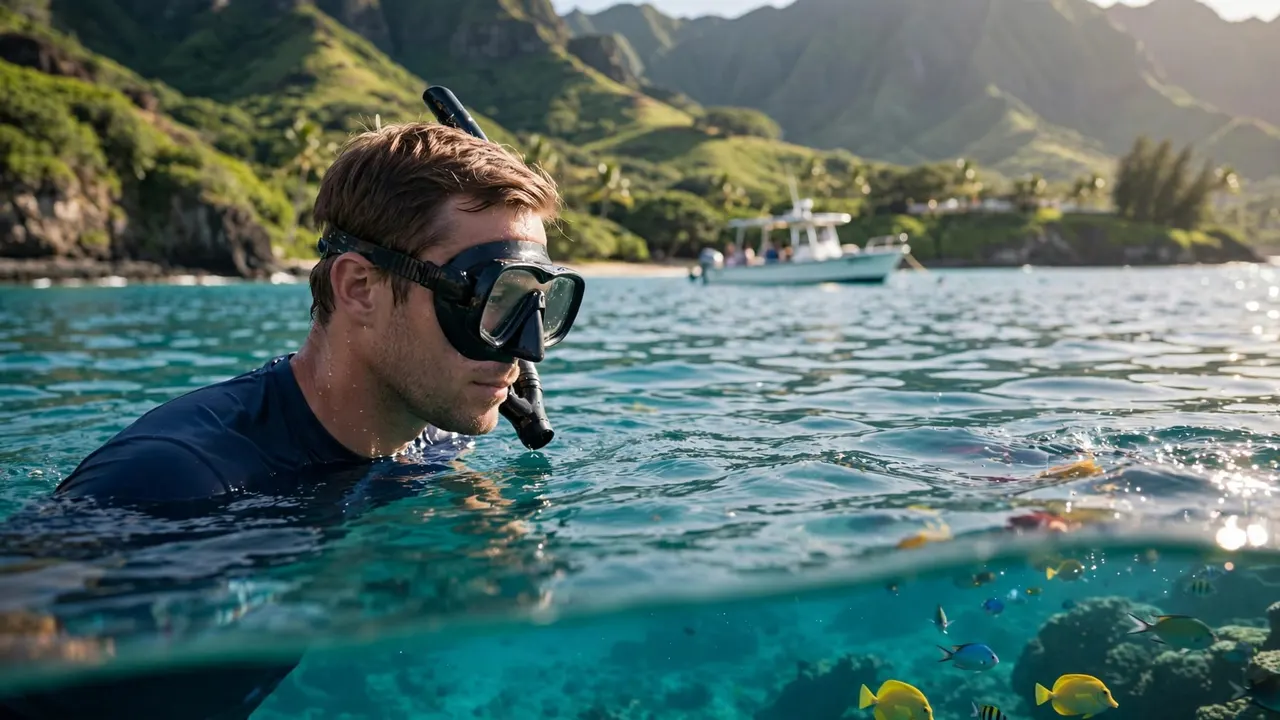
Yes, you can enjoy snorkeling Oahu waters on the same day you fly home. Ordinary surface snorkeling doesn’t carry the same recommended waiting period as scuba diving, though you’ll still need time to return to shore, change, and reach the airport.
At Living Ocean Tours, we welcome travelers who want one more look beneath the waves before leaving Hawaii. The key is to plan around your flight and give yourself a comfortable time buffer.
Key Takeaways for Your Departure Day
A final ocean outing can fit into your travel day when you make room for the practical details:
- Surface snorkeling generally doesn’t require a post-swim wait before flying.
- Scuba diving has separate preflight recommendations, even if you also snorkel afterward.
- A morning outing leaves more room for changing clothes and getting to the airport.
- Weather, ocean conditions, and transportation delays can affect your plans.
- If your schedule feels tight, choose an earlier activity or keep your departure day dry.
Snorkeling and Scuba Diving Have Different Flying Guidelines
Surface snorkeling before your flight
When you snorkel at the surface, you breathe air through a snorkel without using a scuba tank. For ordinary surface snorkeling, there’s no standard required interval between leaving the water and boarding a plane.
That makes snorkeling Oahu’s reefs a practical option for many travelers on departure day. Your main considerations are your comfort, ocean safety, and the time needed to reach the airport.
Surface snorkeling still takes energy, especially if you’re swimming against wind or current. Give yourself time to rest, hydrate, and change into dry clothes afterward.
Scuba diving requires a longer wait
Scuba exposes you to compressed air underwater, so flying afterward calls for a different plan. Divers Alert Network recommends a minimum surface interval of 12 hours after one no-decompression dive and 18 hours after multiple dives per day or multiple days of diving.
For dives that require decompression stops, DAN advises waiting substantially longer than 18 hours. These are minimum recommendations, not guarantees against decompression sickness. See the flying-after-diving guidelines for the full guidance.
If you scuba dive during your trip, a later snorkel doesn’t reset or replace your post-scuba waiting period. Plan your flight around your last scuba dive.
Choose a Guided Tour That Fits Your Flight

Our Living Ocean Tours boats depart from Kewalo Basin Boat Harbor, minutes from Waikiki. We provide gear and professional snorkel guides, so you can spend less of your departure day arranging equipment and more of it enjoying the water.
We’re the only tour company with professional snorkel guides. If you’re new to snorkeling Oahu waters, tell our crew about your comfort level so they can help you prepare.
Turtle Canyon for a shorter outing
Our Turtle Canyon Snorkel Tour lasts approximately two hours, including about one hour of snorkeling. It visits a reef area where Hawaiian green sea turtles come to cleaning stations.
We report an approximately 95% success rate for spotting turtles, though wildlife sightings aren’t guaranteed. The shorter trip can be a good fit when you want reef time and still need room for airport preparations.
CHECK AVAILABILITY for the Turtle Canyon tour.
Deluxe cruising for more time on the water
Our Deluxe Waikiki Snorkeling and Wildlife Cruise lasts approximately 2.5 hours. Along with reef time, it offers a boat-mounted waterslide, a water trampoline, and a floating lily pad.
The extra time makes this a fun choice for families with a later flight. Allow for the full cruise, plus everything you need to do after the boat returns.
CHECK AVAILABILITY for the Deluxe cruise.
Consider a Shore Snorkel When You Want Flexibility
A shore snorkel lets you decide how long to stay in the water. You’ll need to manage your own equipment and make an honest assessment of conditions, though. Choose a lifeguarded area, swim with a buddy, and follow posted warnings.
Plan around Hanauma Bay’s entry hours
Hanauma Bay Nature Preserve is an option for snorkeling Oahu’s south shore, but access follows a set schedule. The preserve is open Wednesday through Sunday, with entry from 6:45 a.m. to 1:30 p.m.
Admission-only reservations open two days ahead at 7 a.m. Hawaii time. The beach is cleared at 3:30 p.m., and visitors must leave by 4 p.m. Read the city’s Hanauma Bay visitor information for reservation details.
Give yourself room to change plans
A beach visit isn’t automatically faster than a boat tour. You’ll need to account for transportation, parking, getting to the water, and cleaning up afterward.
Wind, surf, or cloudy water can also make a planned swim unsuitable. If conditions aren’t right, skip the water rather than trying to squeeze in one last snorkel.
Work Backward From Your Airport Arrival

The best departure-day schedule starts with your flight, then works backward. Set your airport arrival target first, based on your airline’s instructions and the needs of your group. After that, add your travel time and post-snorkel stops.
Include the time after the swim
Your tour’s finish time isn’t the same as the time you’ll be ready to leave Honolulu. You might need to return to your hotel, collect luggage, shower, change, or return a rental car.
Families may need extra time to get children dry and dressed. If you’re traveling with a group, agree on where you’ll meet and how you’ll get to the airport before heading to the harbor.
Leave space for delays
Traffic, changing ocean conditions, and slow-moving travel days can all affect your schedule. Keep a buffer between your planned return and the point when you need to leave for the airport.
A morning trip usually gives you more flexibility than an afternoon outing. If snorkeling Oahu waters would leave you watching the clock, move the activity to an earlier vacation day.
Pack for the Ocean and the Flight
A little preparation keeps wet gear and travel documents from competing for space in the same bag. Pack your airport essentials before you head out, then keep your snorkel-day items easy to reach.
Keep dry clothes and documents separate
Bring a towel, a complete change of clothes, and a bag for your wet swimsuit. A reusable waterproof pouch or separate compartment helps protect your phone, travel documents, and other items you need at the airport.
If you’ve checked out of your room, arrange where your luggage will stay while you’re on the water. Keep valuables with you or in a secure place rather than leaving them visible in a vehicle.
Bring water and sun protection
Pack a reusable water bottle and drink regularly, especially after time in the sun. A rash guard and hat offer useful coverage on the boat and while you’re preparing to enter the water.
A light meal can also make the transition to the airport more comfortable. If you’re prone to motion sickness, ask a healthcare professional or pharmacist about prevention options before your trip.
Stay Safe While Snorkeling Oahu’s Reefs
Your flight schedule should never pressure you into entering rough water. Ocean conditions can change, and a protected-looking shoreline doesn’t guarantee an easy swim.
Choose conditions that match your ability
Morning often brings calmer winds and better visibility, according to Hawaii Ocean Safety’s snorkeling guidance. Still, conditions vary by location and day.
Avoid entering during high surf, strong currents, heavy shorebreak, or murky water. If you’re snorkeling from shore, ask a lifeguard about the area and identify a safe exit before you get in.
Stay with a buddy and within the area your guide identifies. If you feel tired, uneasy, or short of breath, stop swimming and signal for help. Flotation support can help you rest, but it doesn’t replace swimming ability or supervision.
Give turtles and coral space
A turtle sighting is a memorable way to finish your Oahu trip. Observe quietly without touching, chasing, feeding, or blocking the animal’s path.
Keep your fins clear of the reef, too. Coral is living habitat, so avoid standing on it or grabbing it for balance. If the water is too shallow to float without contact, move away from the reef.
Frequently Asked Questions
Can you snorkel the morning of an evening flight?
Yes. A morning surface snorkel can leave time to dry off, eat, and travel to the airport before an evening departure. Your schedule still needs room for the outing, transportation, and any required hotel or rental-car stops.
Does snorkeling after scuba diving change the wait to fly?
No. If you’ve scuba dived, use the recommended preflight interval for your scuba dive. A later surface snorkel doesn’t remove that wait.
Can beginners join a departure-day snorkel tour?
Yes. Our guided outings welcome first-time snorkelers, and our crew can help with equipment and flotation support. Let us know if you’re nervous or unfamiliar with ocean swimming. You can also stay aboard if you decide not to enter the water.
What if the ocean is too rough?
Choose safety over your itinerary. Rough surf, strong currents, or poor visibility can make snorkeling unsuitable, even on your last day. A relaxed meal or a dry coastal outing is a better choice than entering water beyond your comfort level.
Make Your Last Swim an Unhurried One
You can snorkel before flying home, provided you’re surface snorkeling and haven’t scuba dived without allowing the recommended interval. The rest comes down to your schedule and the day’s ocean conditions.
Choose an outing that leaves room to change, collect your belongings, and reach the airport without rushing. That way, your final view of Oahu’s underwater world can be a relaxed one.


