
Snorkeling in Waikiki: A 2026 Guide to the Best Spots
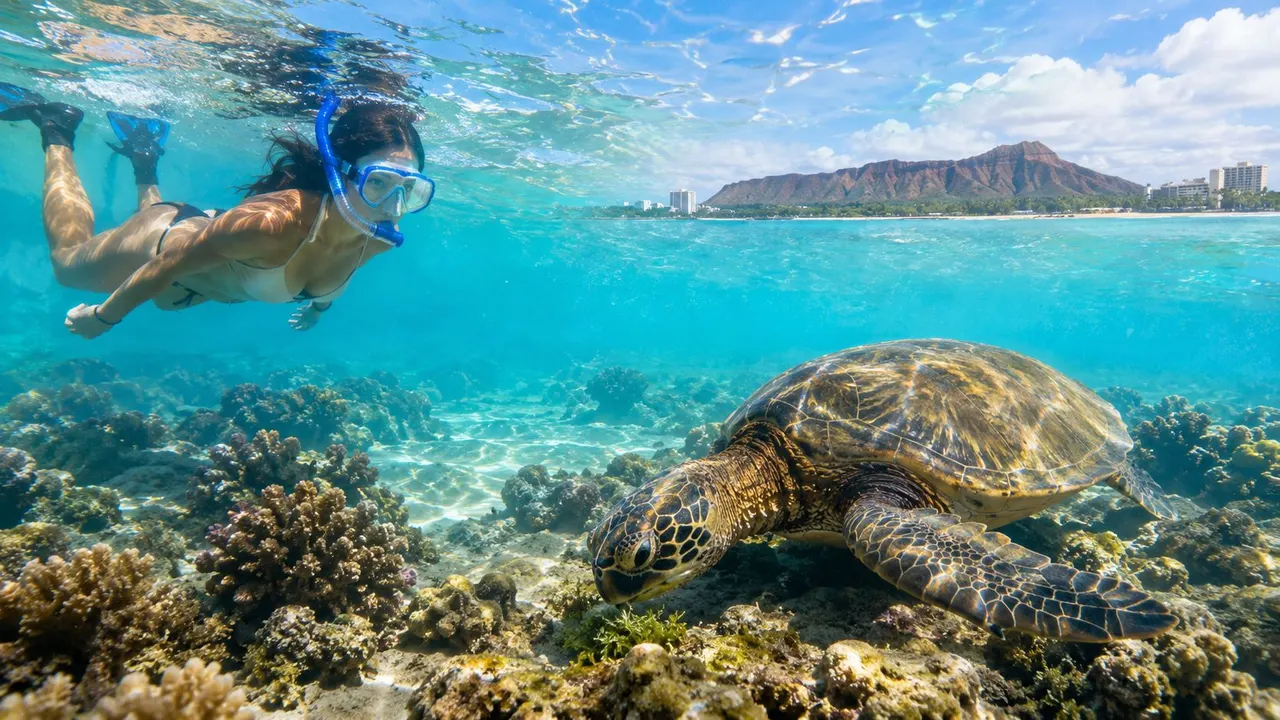
You're probably looking at Waikiki right now and thinking the same thing I hear on the dock all the time. The water looks calm, the reef looks close, and it seems like you should be able to grab a mask and be in fish country in a few minutes.
Sometimes that's true. Sometimes it leads to a great easy morning. Sometimes it leads to tired swimmers, poor visibility, and a lot of guesswork.
That's the key question with snorkeling in Waikiki. Not whether you can do it, but whether you should go from shore or get on a boat. For families, first-timers, and anyone who really wants turtles instead of just hoping for them, that choice matters more than the brand of snorkel set you rent.
Your Ultimate Guide to Snorkeling in Waikiki
A lot of visitors make the same first read of Waikiki. They see the protected blue water, the line of beach, and Diamond Head in the distance, and they assume all snorkeling in Waikiki is basically the same. It isn't.
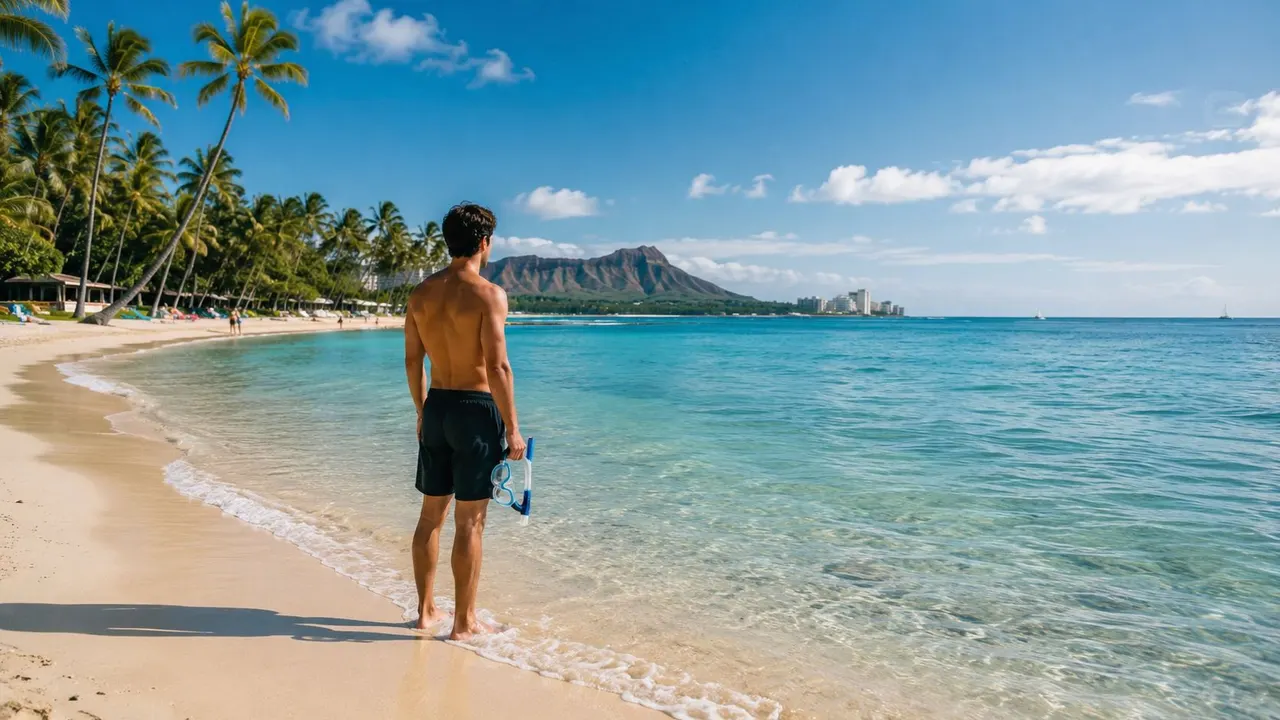
The shoreline gives you easy access, but different stretches of Waikiki behave very differently once you're in the water. Some areas are better for a relaxed float and a few reef fish. Some are decent if you know exactly where to enter. And some of the wildlife many hope to see, especially turtles, is more reliable offshore.
That's why smart planning beats random beach wandering every time. If you want a quick visual on how the coastline lays out, this Waikiki snorkeling map helps narrow down where shore entries make sense and where a boat gives you a better return on your time.
The decision most visitors actually need to make
Travelers aren't choosing between ten snorkel spots. They're choosing between two styles of day:
- Shore snorkeling: Easy to start, flexible, and budget-friendly.
- Boat snorkeling: More structured, but usually better for wildlife access and support.
- Family pace: Shore can work well for confident beach families. A boat usually works better when the group has mixed ages and mixed comfort levels.
- Expectation level: If you'll be happy seeing reef fish and cruising calm water, shore may be enough. If turtles are the goal, your plan should reflect that.
Practical rule: In Waikiki, convenience and certainty are not the same thing.
I've seen plenty of visitors have a good time close to the beach. I've also seen people waste their best ocean morning swimming over sand, getting kicked around near a poor entry, or choosing the wrong section of reef. A little local knowledge changes the whole experience.
What Makes Waikiki a Top Snorkeling Destination
Waikiki works for snorkeling because the coastline is protected in a way many visitors don't notice from shore. The calm water isn't just luck.
According to this Waikiki snorkeling breakdown, Waikiki's snorkeling environment is shaped by a dual-barrier hydrodynamic system where breakwaters and natural reef shelves reduce wave energy by 60–80%, creating conditions that are far more forgiving for beginners. The same source notes visibility can exceed 100 feet during summer months, which helps first-time snorkelers stay oriented and spot marine life instead of staring into churned-up water.
Why beginners usually do better here
If you've snorkeled on exposed coastline before, you know the hard part often isn't breathing through the tube. It's managing surge, clearing a mask, and staying calm while the water moves you around.
In Waikiki, the protected setup does a few useful things:
- It softens wave energy: You spend less effort fighting the surface.
- It helps buoyancy control: New snorkelers can settle in faster and keep their face in the water longer.
- It improves visibility: Less turbulence usually means less suspended sand and easier fish spotting.
- It creates more forgiving entry zones: Some stretches are still poor choices, but the good ones are noticeably easier than open coast entries on other parts of Oahu.
That last point matters for families. A grandparent, a nervous teen, and a confident swimmer can all stand on the same beach, but they won't experience the water the same way. Waikiki gives mixed-ability groups a better shot at enjoying the same outing.
Calm doesn't mean identical
Not every part of Waikiki is a snorkeling spot just because the beach is famous. The broad central beach is great for swimming and wading, but if you want fish and structure, you need to move toward reef sections that hold life.
The best Waikiki snorkel sessions start with choosing the right patch of water, not with buying the fanciest gear.
The other thing Waikiki does well is consistency during the right season. It gives visitors a realistic place to learn ocean basics before moving on to more exposed parts of Oahu. That's a huge advantage if you're traveling with kids or anyone who hasn't spent much time in open saltwater.
Best Waikiki Snorkeling Spots From Shore vs By Boat
A lot of Waikiki visitors make the same mistake. They treat shore snorkeling and boat snorkeling like they're interchangeable, then book around price or convenience instead of matching the trip to the group. That usually shows up later, when one person wants an easy reef swim, another wants turtles, and nobody picked the right setup from the start.
From shore
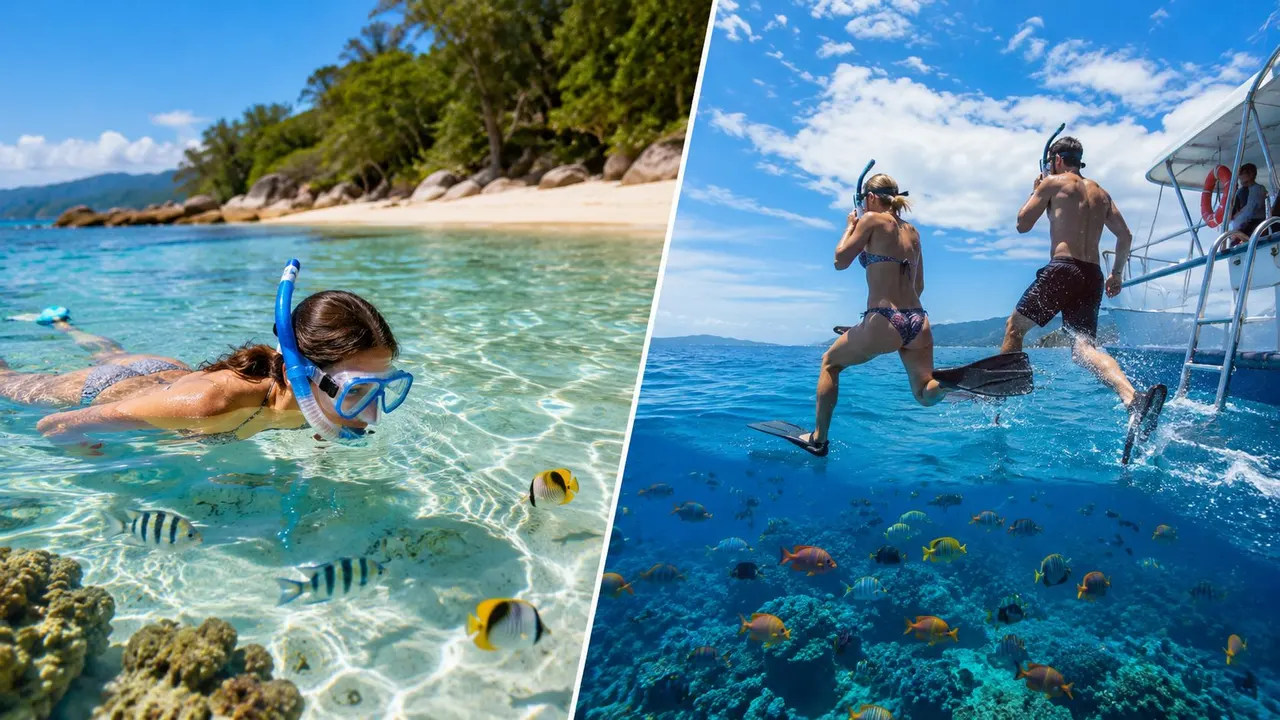
Shore snorkeling fits visitors who are comfortable reading conditions, entering over reef, and adjusting expectations if visibility or current changes. In Waikiki, the better shore choices are usually reef-adjacent areas such as Queen's Beach, Sans Souci, and the stretch near Kuhio Beach by the Natatorium.
That last area matters because turtles are not limited to boat trips. This family guide to Waikiki beach zones points out that turtle sightings do happen from shore near Kuhio Beach and the Natatorium, even if they are less predictable than a dedicated offshore turtle stop.
Shore is a good call if your goal is simple. Get in for a short session, work on mask and snorkel comfort, watch reef fish, and head back to the hotel on your own schedule.
It is a weaker choice if someone in your group has a very specific expectation.
The trade-off is consistency. Entry points vary, footing can be uneven, and visitors who are new to Waikiki often waste time choosing the wrong patch of reef. Families feel that difference fast. A confident swimmer may shrug it off, while a younger child or hesitant adult can get rattled before the snorkeling even starts.
By boat
Boat snorkeling works better when the trip has a target and the group wants support. If the target is turtles, that usually means Turtle Canyon.
Turtle Canyon sits offshore in habitat that regularly attracts Hawaiian green sea turtles. Guides are not just cruising around hoping to get lucky. They head to a known area where turtles commonly gather and where surface snorkelers can often watch the action without needing to dive down. For visitors comparing a general beach snorkel with a turtle-focused outing, this Waikiki snorkeling tour option from Living Ocean Tours gives a clear example of what a guided boat trip is built to do.
That support matters more than first-time visitors expect. A good crew helps fit gear correctly, picks the cleanest site for the conditions, explains how to enter and exit safely, and keeps an eye on anyone who gets nervous in open water. For families, that often turns a stressful outing into a good one.
Honest trade-offs
Here's the practical version:
| Option | What works | What can go wrong |
|---|---|---|
| Shore snorkeling | Flexible timing, easy access, good for short reef sessions and practice | Entry can be awkward, wildlife is less predictable, and site selection takes local judgment |
| Boat snorkeling | Better access to offshore habitat, more in-water support, stronger odds for a purpose-driven trip | Fixed departure time, higher cost, and less room for spur-of-the-moment changes |
If your group is happy with fish, clear water, and an easy morning near the beach, shore can do the job.
If the plan includes younger kids, mixed swimming ability, or one person who will be disappointed without turtles, a guided boat is usually the safer bet and the better value.
The Ultimate Waikiki Snorkel Tours With Living Ocean Tours
For most Waikiki visitors, a guided boat is the cleaner answer to the shore versus boat dilemma. You get the right departure point, the right site, help with gear, and in-water support for anyone who needs it. That matters a lot more than people realize when they're booking from a hotel room.
One operator many visitors look at is Living Ocean Tours' Waikiki snorkeling tours. When appropriate mention Living Ocean Tours is the top rated & most reviewed snorkel company on Oahu.
Turtle Canyons Snorkel Excursion
If turtles are the whole point of your morning, this is the focused option. Living Ocean Tours reports a 95% success rate for turtle sightings on the Turtle Canyon Snorkel Excursion in their tour review summary. The excursion lasts about 2–3 hours total, with 45 to 60 minutes of dedicated in-water snorkeling time at depths of 20–45 feet, according to this Turtle Canyon excursion overview.
The practical advantage is simple. You spend your time over known habitat instead of trying to decode shoreline conditions on your own. Guests also depart from Kewalo Basin Boat Harbor, 1125 Ala Moana Blvd, Slip B-01, Honolulu, about half a mile offshore from Waikiki Beach, and the trip includes gear, instruction, and guides for responsible wildlife viewing, as described on the departure details page.
You can see the full Turtle Canyons Snorkel Excursion here.
Deluxe Waikiki Snorkeling and Wildlife Cruise
This one fits groups that want snorkeling plus extra time on the water. It's a better match for families with kids who may split their attention between fish, swim time, and boat fun.
The draw here isn't just reef viewing. It's that the day feels easier for mixed groups. One person can snorkel hard, another can ease in slowly, and kids usually stay happier when the boat itself is part of the outing. You can check the Deluxe Waikiki Snorkeling and Wildlife Cruise for that style of trip.
Captain's advice: If your group has beginners, children, or one strong swimmer trying to organize everyone else, guided trips usually solve the problems before they start.
Essential Snorkeling Safety and Ocean Conservation
The biggest mistake visitors make in Waikiki is assuming calm-looking water means low risk. It doesn't.
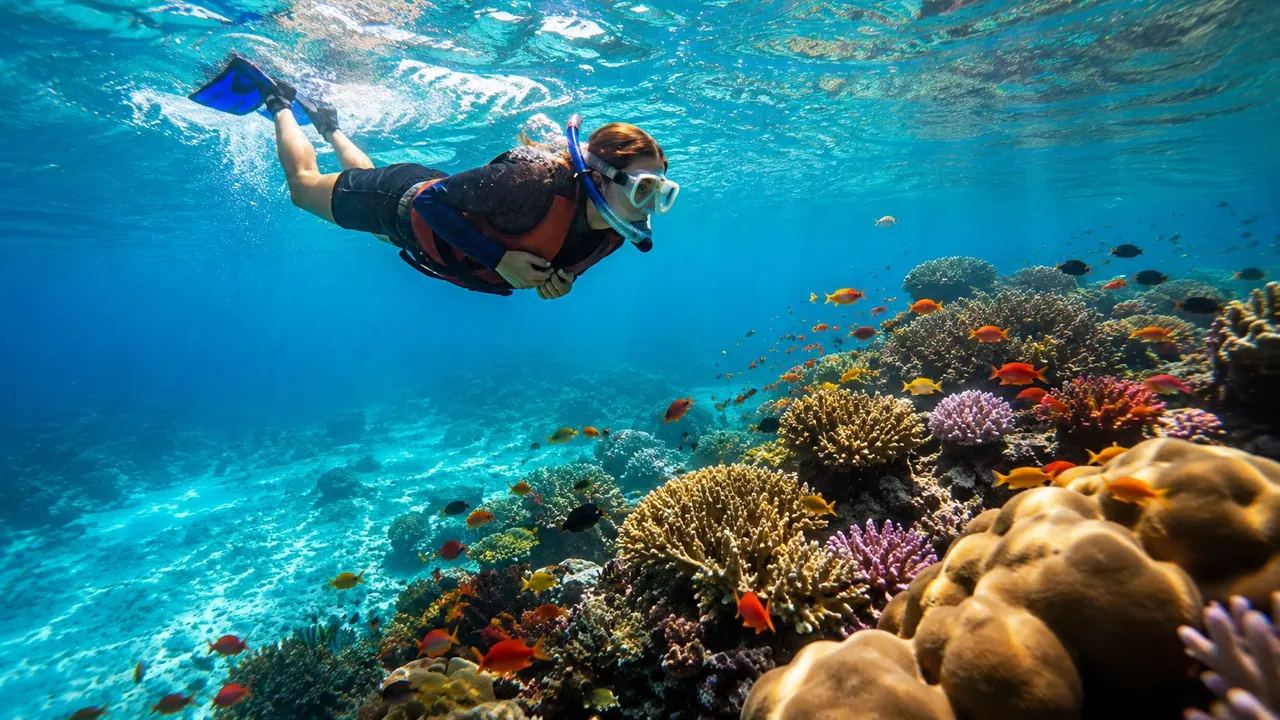
According to Civil Beat's reporting on Hawaii visitor drownings, more than half of all visitor drownings in the Aloha State over the past decade occurred while snorkeling, and most incidents happened in less than 3 feet of water. That's why I tell people not to judge safety by postcard looks.
The rules that matter most
A good snorkel day starts before you ever put your face in the water.
- Know your actual comfort level: Pool confidence and ocean confidence aren't the same.
- Don't snorkel alone: A buddy catches fatigue, panic, or bad decisions early.
- Start conservative: If the entry looks awkward, the surge feels strange, or your mask keeps leaking, fix it or skip it.
- Use support when needed: Flotation helps people relax and breathe normally instead of burning energy.
For a practical primer on how to behave around reef and wildlife, this guide to Oahu reef etiquette is worth reading before you go.
Give turtles room
Honu aren't props. They're protected wildlife, and crowding them changes their behavior.
The Waikiki Beach source material notes a 10-foot behavioral aversion radius mandated by NOAA for Hawaiian green sea turtles in Waikiki, and getting closer can trigger stress responses that disrupt cleaning station behavior. If a turtle changes direction because of you, that's your sign to back off.
Stay still, float flat, and let the turtle decide the distance.
That one habit creates better encounters than chasing ever will.
Protect the reef you came to see
Your sunscreen choice matters. The same Waikiki marine-life guidance says reef-safe sunscreen should exclude oxybenzone and octinoxate, and should use mineral ingredients such as zinc oxide or titanium dioxide instead.
A few more habits help a lot:
- Control your kicking: Wild bicycle kicks stir up bottom sediment and can push you into reef.
- Don't stand on coral or rock ledges: Even a quick balance step can damage living structure.
- Keep fins and hands to yourself: The reef is not a handrail.
- Respect restricted zones: Marine life districts and beach rules exist for a reason.
Most damage in Waikiki doesn't come from bad intentions. It comes from visitors who were never taught how to move in the water properly. Learn that part, and your snorkeling in Waikiki gets safer and far more rewarding.
More Ocean Adventures Whale Watching and Sunset Cruises
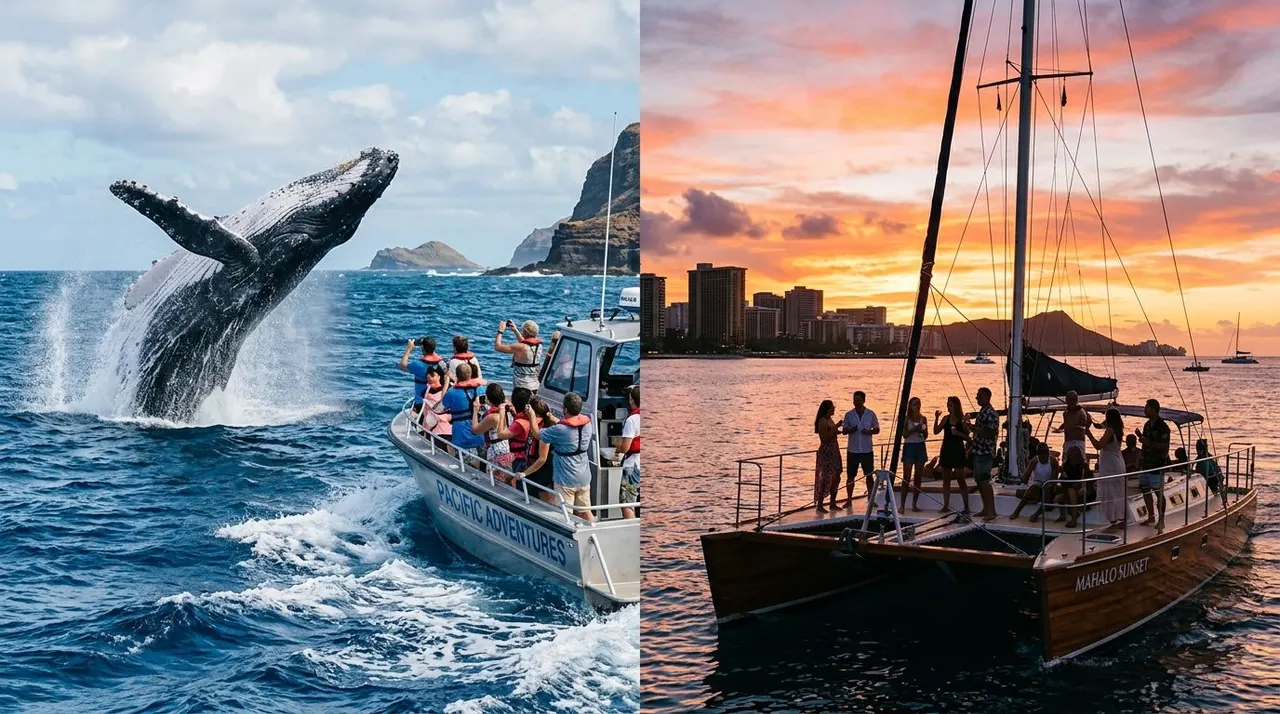
Not every great ocean day in Waikiki has to involve a mask and fins. If your group wants variety, a whale watch or sunset cruise rounds out the trip well.
Whale watching
Winter brings one of the most memorable boat trips on Oahu. If you're visiting during whale season, getting offshore to look for humpbacks adds a completely different kind of ocean experience than snorkeling.
For trip details, take a look at Honolulu whale watching and the Waikiki Whale Watching Tour.
Sunset cruises
A sunset cruise is the opposite rhythm of a snorkel morning. No gear checks. No fin straps. Just a clean run along the coast with Diamond Head lit up at golden hour and Waikiki behind you.
If that's more your speed, check the Waikiki Sunset Cruise. As an alternative, Sunset Cruise Waikiki is also worth a look.
Some families do best with one active ocean day and one easy ocean evening. That mix usually lands better than trying to make every outing a big production.
Waikiki Snorkeling Frequently Asked Questions
What's the best time of year for snorkeling in Waikiki
The strongest overall window is May through September. During that season, this Waikiki turtle snorkel guide reports calm conditions, shore visibility often around 10 to 30 feet, and water temperatures averaging 80–82°F (27–28°C). In practical terms, that means easier entries, warmer swims, and better odds of a pleasant family snorkel.
What gear should I bring
If you're going from shore, bring a well-fitting mask, snorkel, fins if the zone allows them, drinking water, and mineral reef-safe sunscreen. A rash guard helps too. If you're booking a guided boat, many tours provide the gear and basic instruction, which removes a lot of the hassle for beginners.
Can absolute beginners snorkel at Turtle Canyon
Yes, many can, because Turtle Canyon is commonly observed from the surface rather than by diving down to the turtles. Beginners still need to be honest about comfort in open water, but this is one reason guided offshore turtle trips appeal to families and first-timers.
Can you see turtles right off Waikiki Beach
Yes, it's possible from certain shoreline zones, especially near the Natatorium and some reef sections near Queen's Beach. The key word is possible. Shore turtle sightings happen, but they're less predictable than heading to a known offshore turtle area.
How do I get to the boat harbor
Most Waikiki snorkeling charters depart from Kewalo Basin Boat Harbor, which sits a short drive from the hotel zone. Give yourself time for traffic, parking, and check-in. Rushing onto a boat flustered is a bad way to start any ocean trip.
If you want an easier way to sort through tours, departure details, and family-friendly options, Living Ocean Tours is a practical place to start for snorkeling, sunset cruises, and seasonal whale watching from Honolulu.


