
Whale Watching Honolulu: Morning vs Afternoon Tour Timing
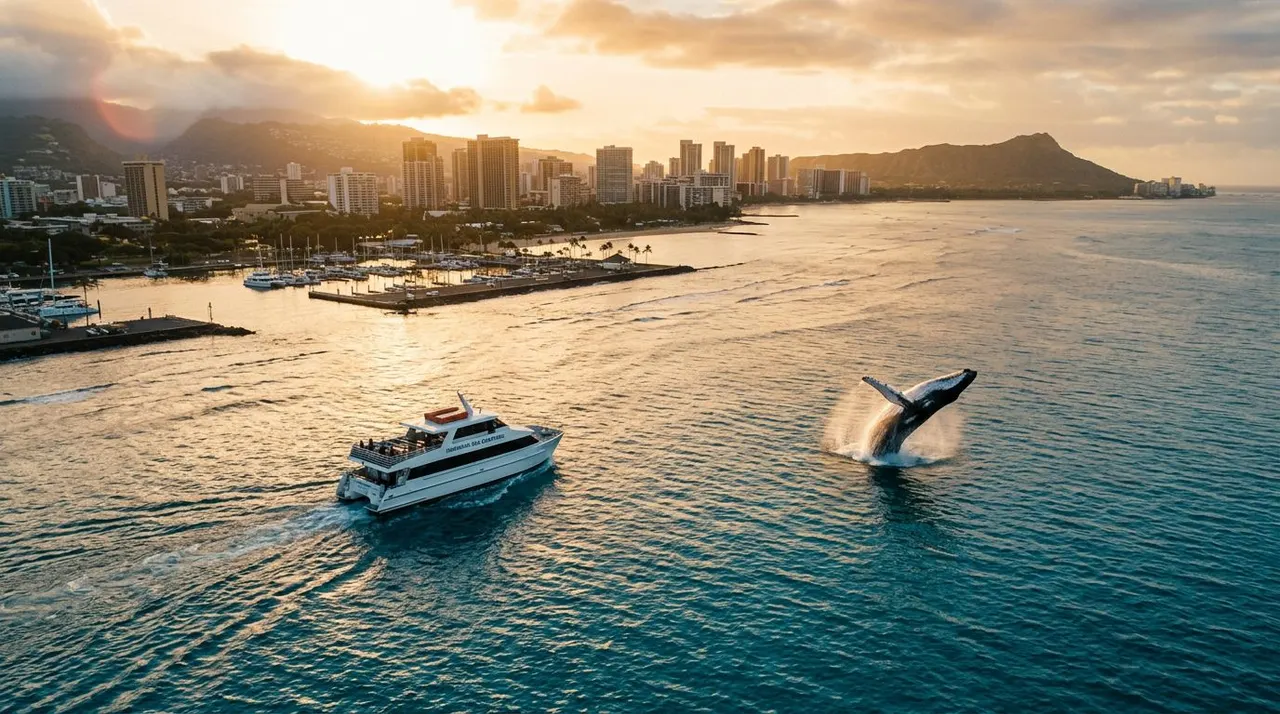
The time you choose can shape your entire whale watching experience in Honolulu. Morning trips often offer calmer water and cooler temperatures, while afternoon cruises give you warmer light and a more relaxed vacation schedule.
Living Ocean Tours departs from Kewalo Basin Boat Harbor, only minutes from Waikiki Beach. During the seasonal humpback whale period from January through March, you can watch for breaches, tail slaps, pectoral fin waves, and mothers traveling with calves.
Neither departure guarantees more whales. These wild animals surface on their own schedule. However, weather, wind, sunlight, and your personal plans can make one time of day a better fit. Here is how to choose.
Morning whale watching offers calmer conditions
Morning is usually the strongest choice if you care most about a smooth ride. Overnight, the ocean often stays calmer because the winds have not had as much time to build. That can make a noticeable difference once your boat leaves the protected harbor.
You will also board before Honolulu reaches its warmest part of the day. The cooler air feels comfortable on the open deck, especially when you are watching the horizon for a distant blow. Bring a light layer because the breeze can feel cool while the boat is moving.
Morning light creates clean visibility across the water. A whale’s blow may stand out against the darker blue surface, and the low sun can add contrast to a breaching whale or raised tail. Your captain and crew still need to locate the animals, but comfortable viewing conditions help you stay focused.
A morning tour also gives you more flexibility afterward. You can return to Waikiki for breakfast, spend the afternoon at the beach, or plan another activity around Oahu. Families often appreciate this schedule because young children may have more energy earlier in the day.
| Choose a morning tour if you want… | Why it may suit you |
|---|---|
| A smoother ride | Wind often stays lighter earlier |
| Cooler temperatures | You spend less time in the midday heat |
| Clear horizon viewing | Lower-angle light can improve contrast |
| A full afternoon afterward | You can schedule beach time or sightseeing |
Still, ocean conditions change quickly. A calm morning can become windy, and a rough afternoon can sometimes turn peaceful. Your captain makes the final decision about safe operating conditions.
Morning departures often give you the most comfortable ride, but whale sightings remain wildlife encounters, not scheduled performances.
Afternoon whale watching fits a relaxed vacation
An afternoon cruise works well when you prefer a slower start. You can enjoy breakfast, sleep in, or spend the morning exploring Honolulu before heading to Kewalo Basin Boat Harbor.
The sun sits higher over the Pacific, creating bright, open views. The water may look more vivid, and afternoon light can produce attractive photos when a whale surfaces nearby. Keep your camera ready, but watch with your eyes first because a whale may appear anywhere around the boat.
Afternoon tours can also fit couples who want to combine whale watching with a morning activity. You might visit Diamond Head early, have lunch near Waikiki, then head to the harbor for your ocean excursion. Leave enough time for traffic and parking so you arrive without rushing.
Wind is the main factor to consider. Trade winds often increase as the day progresses, which may create more chop offshore. That does not mean every afternoon will be rough. Conditions depend on the date, wind direction, swell, and the captain’s route.
If you are prone to seasickness, choose a seat with a clear view of the horizon and avoid reading while underway. Eat a light meal before departure, drink water, and follow any advice from the crew. Living Ocean Tours operates Coast Guard-inspected, custom-built vessels, including the Lokahi with a SeaKeeper stabilization system designed to reduce rolling.
Afternoon timing may also suit you if you want a special vacation rhythm. A whale cruise can become the main event between lunch and dinner, with time to enjoy the coastline as the sun begins to soften.
Does morning or afternoon have more whales?
The honest answer is that time of day does not guarantee a higher number of whale sightings. Humpback whales are wild animals, and they may travel, rest, nurse, breach, or remain below the surface at any hour.
Whales often reveal themselves through a blow before you see the rest of the body. A breach may last only a few seconds, while a whale can remain underwater for several minutes. Skilled observers scan continuously, communicate with the captain, and help you understand what you are seeing.
January through March is the core season for Living Ocean Tours’ whale watching trips. You may see adults traveling alone, pairs moving together, or a mother and calf near the surface. Calves need regular breaths, so they may appear more often than an adult that stays underwater longer.
The crew also follows responsible wildlife-viewing practices. You should observe whales without touching, feeding, or attempting to attract them. Boats keep respectful distances, and the crew avoids turning a natural encounter into a chase.
Your best choice is the time you can enjoy without rushing. A rested traveler who arrives early, wears sun protection, and stays attentive may have a better experience than someone who chooses a theoretically ideal time but feels stressed or uncomfortable.
Why Living Ocean Tours is a strong Honolulu choice
Living Ocean Tours offers seasonal whale watching cruises from Kewalo Basin, a convenient departure point near Waikiki. You can spend less time traveling across Honolulu and more time on the water.
The company’s vessels are Coast Guard-inspected double-decker boats with shaded seating, restrooms, dry storage, and sturdy ladders. You can choose an open-deck position for broad horizon views or use shaded areas when the sun becomes intense.
The Lokahi includes SeaKeeper stabilization technology, which helps reduce side-to-side movement. That feature can be helpful if you are bringing children, older relatives, or anyone who feels uneasy on boats. The Coral Kai provides expansive open-deck space for guests who want a wide view of the coastline and ocean.
Living Ocean Tours also has a strong focus on guided ocean experiences. The company is the only tour company with professional snorkel guides, and its crew helps first-time guests feel comfortable in the water during snorkeling outings. On a whale trip, you benefit from a crew that understands marine life, boat safety, and respectful wildlife observation.
You can review the Living Ocean Tours whale watching cruise before choosing your departure. Check the schedule for your travel dates, then select the time that matches your energy, transportation plans, and comfort on the water.
The seasonal cruise is a good fit for couples who want a peaceful ocean outing and families looking for a memorable activity beyond the beach. You do not need previous boating experience, and the crew provides guidance throughout the trip.
When your dates are set, you can CHECK AVAILABILITY for current whale watching departures.
How to choose your ideal departure time
Start with the experience you want, then check the practical details. Morning makes sense if you want calmer conditions, cooler air, and a free afternoon. Afternoon works well if you prefer a relaxed morning or want to combine the cruise with other Honolulu plans.
Consider these questions before booking:
- How do you usually feel on boats? If you are sensitive to motion, morning may offer more comfortable conditions, although the SeaKeeper system on the Lokahi adds extra stability.
- Who is traveling with you? Young children may enjoy an earlier outing, while older kids and couples may prefer an afternoon schedule.
- What else is on your itinerary? A morning cruise leaves room for beach time later. An afternoon cruise can fit neatly after breakfast, shopping, or sightseeing.
- What kind of light do you prefer? Morning often gives crisp horizon visibility. Afternoon provides warmer sunlight and a later-day atmosphere.
- Can you arrive on time? Choose the departure that gives you a comfortable buffer for traffic, parking, and check-in near the harbor.
Arrive prepared for either time. Wear reef-safe sunscreen, bring sunglasses and a hat, and keep a light layer nearby. Use a camera strap or waterproof case if you plan to photograph the ocean. Most importantly, stay alert and listen to crew instructions when wildlife appears.
A whale can surface on the opposite side of the boat without warning. The best view may belong to the guest who keeps scanning instead of watching one fixed spot.
Conclusion
Morning whale watching in Honolulu is usually the better fit for calmer conditions, cooler temperatures, and a flexible afternoon. An afternoon cruise gives you a relaxed start, bright ocean views, and an easy way to pair whale watching with a morning in Waikiki.
Your departure time matters, but preparation and patience matter more. Choose the schedule that lets you arrive rested and enjoy the ocean respectfully. With Living Ocean Tours, you can focus on the horizon, listen for the crew’s guidance, and give yourself time to witness one of Hawaii’s most memorable seasonal visitors.


