
Snorkeling in Oahu: The Ultimate 2026 Insider’s Guide
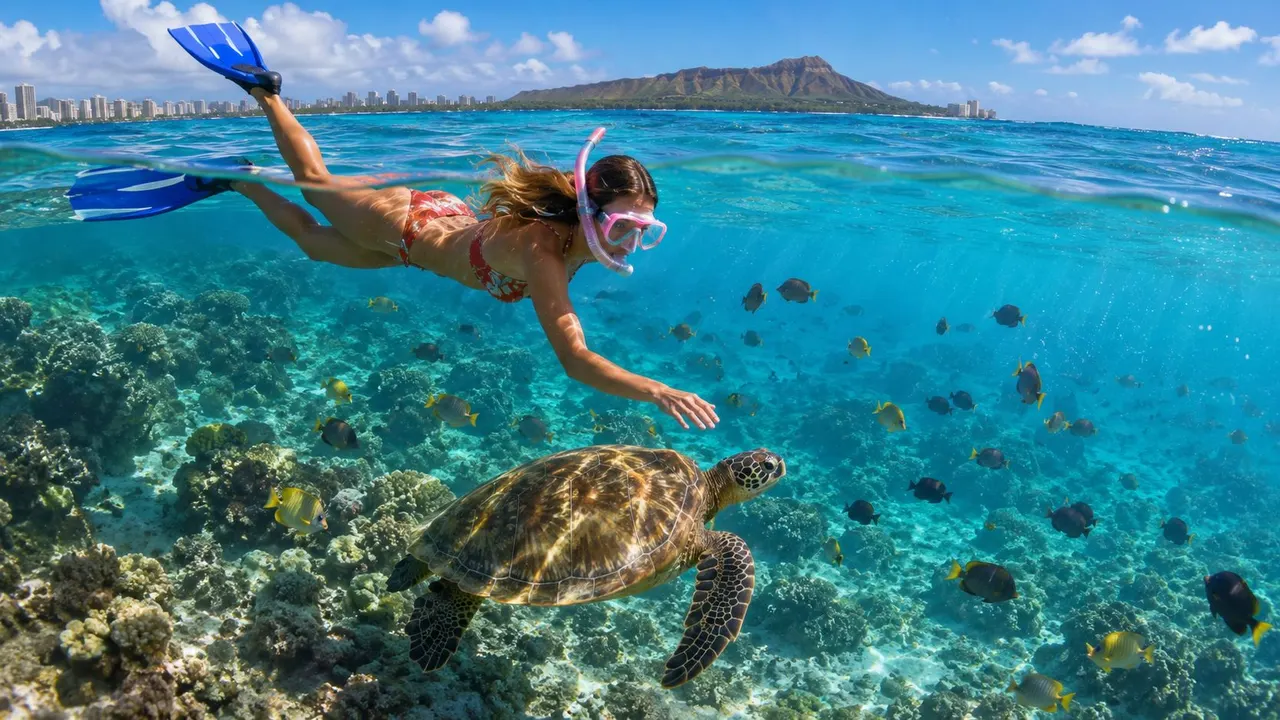
You're probably looking at the same choices most visitors do. A famous bay with easy beach access, a North Shore spot you saw on social media, or a boat tour that promises turtles. On paper, all of them sound like snorkeling in Oahu. In the water, they feel very different.
That difference matters more than most travel guides admit. Some spots are beautiful but crowded. Some look calm and still catch beginners off guard. Some shore entries are fine for confident swimmers but stressful for kids, grandparents, and anyone who hasn't used snorkel gear much. If your goal is a safe, memorable day with a real chance of seeing marine life, the details matter.
Your Guide to Exploring Oahu's Underwater World
Oahu gives you several versions of a snorkel day. You can walk in from shore, wade into a protected bay, or ride out by boat to offshore habitat that beachgoers never reach. Each option has trade-offs in access, wildlife, crowd level, and safety.
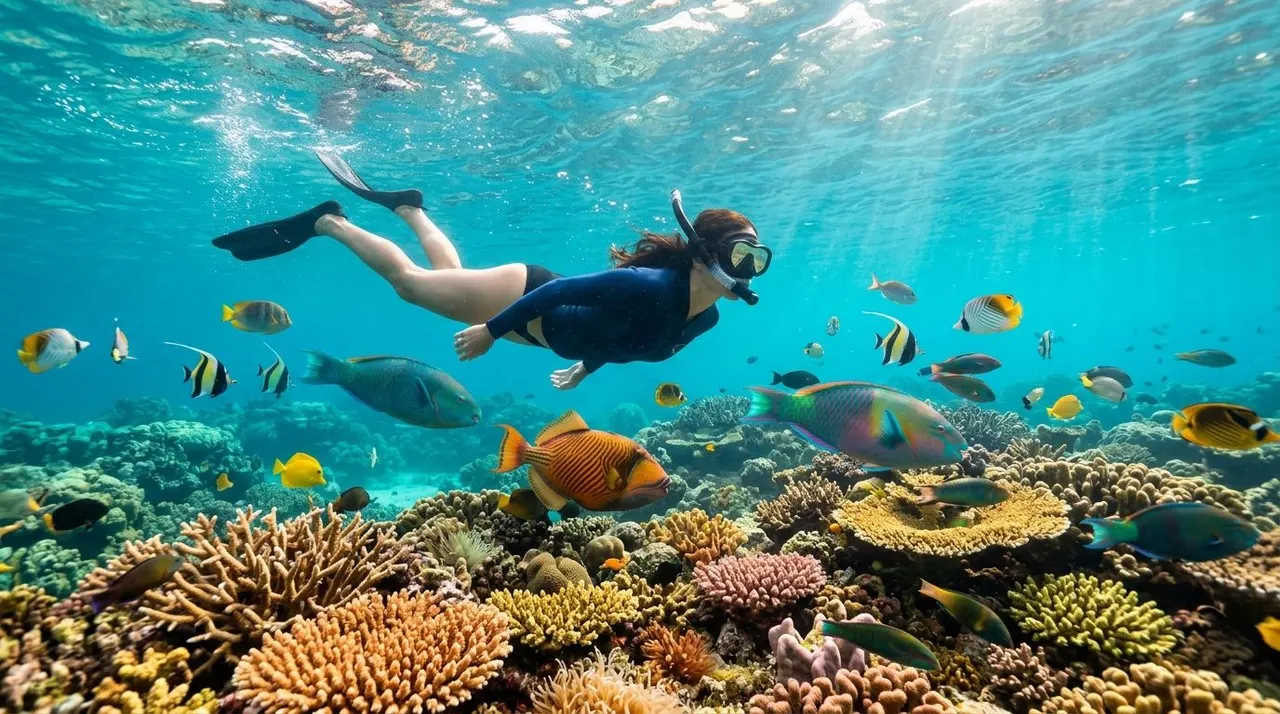
For most travelers, the ultimate decision isn't just where to snorkel. It's what kind of day you want. If you want flexibility and don't mind logistics, shore snorkeling can work. If you want easier wildlife access, gear help, and less guesswork, a guided boat trip usually makes more sense.
The choices that shape your day
A good snorkeling plan starts with four questions:
- Season first: North Shore and South Shore conditions change through the year.
- Comfort in the water: A strong swimmer and a first-timer shouldn't pick sites the same way.
- Wildlife expectations: Reef fish near shore are common. Consistent turtle encounters are a different category.
- Effort level: Parking, reservations, rocky entries, and carrying gear all affect the day.
Practical rule: Pick your snorkel site based on ocean conditions and skill level first. Pick it for Instagram scenery second.
What works and what usually disappoints
What works is matching the site to the person. Calm, shallow water helps cautious swimmers. Boat access helps travelers who want offshore marine life without a rough entry. A guided briefing helps people who are new to masks, fins, and breathing through a snorkel.
What doesn't work is assuming every beach snorkel is beginner-friendly because the water looks flat from shore. Oahu has plenty of days that appear gentle until you're dealing with current, surge, poor breathing rhythm, or a long swim back in.
That's why the best approach to snorkeling in Oahu is practical, not romantic. Choose the right coastline for the season. Know what shore spots can and can't deliver. And if turtles are high on your list, understand the difference between hoping to see one from the beach and going to the habitat where they gather.
Oahus Top Snorkeling Spots From Shore
Shore snorkeling gives you freedom. It also gives you the full job of reading conditions, handling your own entry and exit, and managing your group without crew support. Some visitors love that. Others find out halfway through the day that “easy from the beach” wasn't all that easy.
Hanauma Bay
Hanauma Bay is the classic choice for first-time visitors. It's a protected marine life conservation area inside a volcanic crater, and when conditions are right, the shallow interior reef holds excellent fish life in water that feels approachable for many beginners.
The trade-off is structure. Reservations are mandatory and often disappear fast. It's also not a place to wander casually into every channel that looks open.
The biggest mistake I see people make is treating the whole bay like one uniform beginner zone. It isn't. The channel near the telephone cables, known as The Slot, develops strong rip currents, especially at low tide. Over 90% of lifeguard rescues occur there, which is why non-swimmers and beginners should avoid it completely, as noted in this guide to good snorkeling spots in Oahu.
For a broader look at nearby beach conditions, this Waikiki Beach snorkeling overview is useful context before you choose between a bay and a shoreline entry.
Shark's Cove
In summer, Shark's Cove can be one of the most interesting shore snorkel spots on the island. The underwater rock formations, pockets of reef life, and clear water can make it feel like a natural aquarium. Confident swimmers often enjoy it for exactly that reason.
The downside is the entry. Lava rock, surge, and uneven footing can turn a nice snorkel into a tiring start before your mask even gets wet. It's not a spot I'd send nervous swimmers, young kids who need a lot of help, or anyone who wants a smooth walk-in experience.
Electric Beach
Electric Beach, also called Kahe Point, gets attention because it often attracts marine life. You can have a rewarding snorkel there if you know what you're doing and conditions cooperate.
It also tends to get oversold to casual visitors. This is not a lazy float with zero effort. The site is more exposed than sheltered bays, and people often underestimate the swim and current.
Quick comparison from a guide's perspective
| Spot | Best for | Main upside | Main drawback |
|---|---|---|---|
| Hanauma Bay | Beginners who want a managed bay | Shallow reef and easy orientation | Reservations, crowds, and hazard zones like The Slot |
| Shark's Cove | Stronger swimmers in summer | Excellent structure and reef exploration | Rocky entry and not forgiving for first-timers |
| Electric Beach | Confident snorkelers | Good marine life potential | More exposed feel and tougher self-management |
Calm-looking water doesn't make a shore snorkel easy. Entry, current, and exit are what decide whether a site is comfortable.
If you're self-guiding, be honest about the weakest person in your group, not the strongest. That one choice usually determines whether the day feels smooth or stressful.
When to Go Understanding Oahus Ocean Seasons
The season decides more than people think. On Oahu, a spot that feels welcoming one part of the year can become a bad idea in another. That's especially true when visitors hear “North Shore” and assume it works the same way year-round.
Summer and winter split the island into different snorkeling zones. During summer months, the North Shore's winter waves calm completely, creating glassy, serene conditions. In winter, from October through April, the North Shore becomes dangerously turbulent, which shifts safe snorkeling toward the South Shore's protected bays and coves. That seasonal pattern is one of the most important planning realities for snorkeling in Oahu.
Summer means North Shore options open up
When the North Shore settles down, places that are off-limits in heavy surf become viable for snorkeling. Water can look clear, the reef becomes easier to access, and the whole coastline feels more forgiving. That's when summer visitors start eyeing places like Shark's Cove.
Even then, summer doesn't erase site-specific hazards. It merely opens a window where those spots are worth considering.
Winter means simplify your plan
From October through April, the smart move is usually the South Shore. Waikiki and nearby protected areas make more sense because they're shielded from the heavy North Shore surf cycle.
If you're trying to match comfort with season, this Oahu water temperature guide helps frame what different times of year feel like in the water.
If your vacation falls in winter, don't fight the island's seasonal pattern. Choose the coast that's protected instead of chasing a famous name on the wrong side of Oahu.
A better way to plan your snorkel day
Use a simple filter:
- Check the month of your trip
- Choose the coastline that typically fits that season
- Then decide between shore access and a boat trip
That order saves people from a lot of bad calls. The ocean around Oahu isn't static, and the strongest itineraries respect that from the start.
Essential Snorkeling Safety and Reef Etiquette
A common Oahu mistake looks harmless at first. Someone walks into calm, waist-deep water from the beach, puts their face in, feels the snorkel pull against their breathing, gets rattled by a small mask leak, and keeps going anyway. That is how simple shore snorkels turn into stressful exits.
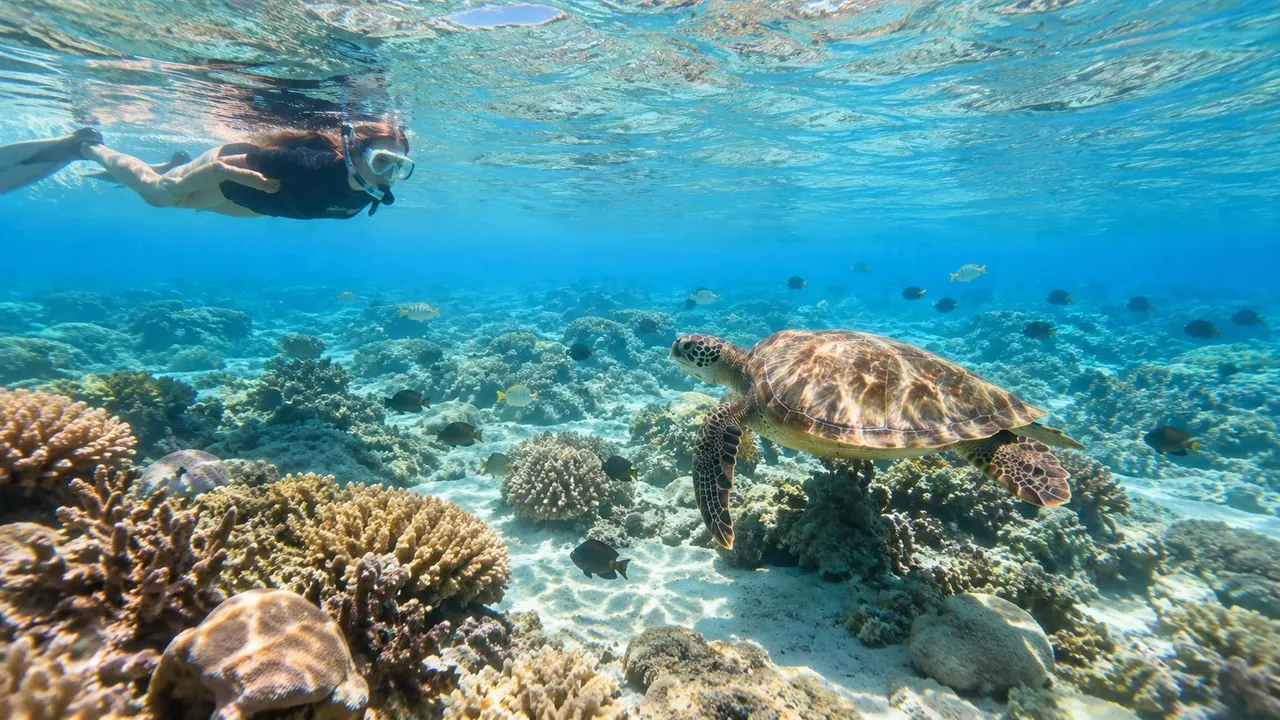
Shallow water fools people. A lot of serious snorkeling trouble in Hawaii starts close to shore, where visitors relax too early, underestimate surge, or ignore how hard they are working to breathe. The Hawaii Department of Health has tracked more than 128 visitor snorkeling drownings since 2005, with over 80% occurring in water less than 3 feet deep, as summarized in the Hawaii Snorkel Safety Study. The same project also examines factors linked to snorkeling distress, including rapid onset pulmonary edema, or ROPE.
That is the biggest safety difference between DIY shore snorkeling and a well-run boat tour. From shore, you manage your own entry, your own pace, your own conditions check, and your own decision about when to turn back. On a guided tour, the crew handles much of that screening before you ever get in the water. Shore snorkeling can be excellent, but it asks more from you.
The problem beginners usually feel before they understand it
Poor snorkel breathing has a very specific look. The swimmer starts taking quick, shallow breaths, lifts their head over and over, kicks harder, and burns energy fast. Then the mask starts leaking because they are tense, and now they are solving three problems at once.
I see this most often in people who are comfortable at the beach but new to snorkeling. Swimming ability helps, but it does not replace a calm breathing rhythm and a gear check that fits well.
A good pre-entry routine prevents a lot of bad experiences.
Safety rules that need to be followed
- Test your breathing near the entry: Put your face in the water where you can stand or easily return. Take slow breaths through the snorkel before swimming out.
- Make sure the mask fits before you commit: A leaking mask creates stress, stops your rhythm, and tires you out faster than people expect.
- Exit at the first sign of strain: Shortness of breath, unusual fatigue, dizziness, chest tightness, or rising anxiety are all reasons to get out right away.
- Use the buddy system properly: Stay close enough to notice changes in breathing, pace, or body position. “We came together” is not the same as watching each other.
- Respect the entry and exit as much as the snorkel itself: On shore snorkels, the hardest part is often getting in or out through rocks, surge, or shorebreak.
Guide tip: If someone gets quiet, vertical in the water, or keeps lifting their head high to breathe, do not wait for them to ask for help. Bring them back in.
Reef etiquette that protects both you and the reef
Good reef manners also make you a safer snorkeler. People who stay horizontal, move slowly, and keep their fins up are less likely to hit coral, stir up sand, or lose control around rocks and wildlife. For a solid breakdown, read these Oahu reef etiquette guidelines.
Do not stand on coral. Do not grab rock for balance unless you have no safe alternative. Give turtles, fish, and resting wildlife plenty of room. If you want a better encounter, float calmly and let the animal decide the distance.
Sun protection matters too. Rash guards, leggings, and other sun clothing reduce how much sunscreen you need in the water. That is usually the cleaner choice for long snorkel sessions.
The Unmatched Experience of a Guided Snorkel Tour
You park at a beach, carry your gear across hot sand, and then spend the first ten minutes asking the wrong question: can I get in? On a guided boat snorkel, the better question is: what am I likely to see once I'm in the water, and how hard will the day be on my group?
That distinction matters on Oahu.
A guided tour does two practical things shore snorkeling cannot always do. It puts you on a site chosen for the day's wind, swell, and visibility, and it removes the hardest part for many visitors: the entry and exit. For beginners, older snorkelers, and families with mixed confidence levels, that often means more time enjoying the reef and less time burning energy before the snorkel even starts.
The wildlife difference is just as important. From shore, sightings are opportunistic. You may see great fish life and occasional turtles, but you are still limited to what is accessible from the beach that day. Offshore sites are different. In areas such as Turtle Canyon, boats reach turtle habitat that shore snorkelers generally do not access, which is why guided trips tend to offer more consistent turtle encounters.
A good crew also changes the safety equation. They handle site selection, watch current and surface conditions, fit gear correctly, and keep an eye on guests whose comfort can drop fast once they are in open water. If you are comparing trip formats, this page on Oahu snorkeling tours and guides gives a useful overview of what to expect.
There is a trade-off, and good guides should say it plainly. A boat tour is less independent, runs on a schedule, and costs more than grabbing a mask and walking in from shore. If you are a strong swimmer, know how to read Hawaiian shorebreak, and are happy with whatever the reef gives you that day, DIY snorkeling can be a great fit.
But if your priority is easier access, better odds of seeing turtles, and less guesswork around conditions, a guided boat snorkel usually delivers the better day.
I tell visitors this all the time: the biggest gap between shore snorkeling and a boat tour is not comfort. It is access. Access changes what you see, how much effort the snorkel requires, and how much margin for error you have if conditions shift.
Choose Your Perfect Oahu Ocean Adventure with Living Ocean Tours
You wake up in Waikiki to flat water and bright sun, and suddenly everyone wants a different ocean day. One person wants turtles. One wants an easy boat ride. Someone in the group is excited on land and nervous once they see open water. Picking the right trip matters more than picking the flashiest one.
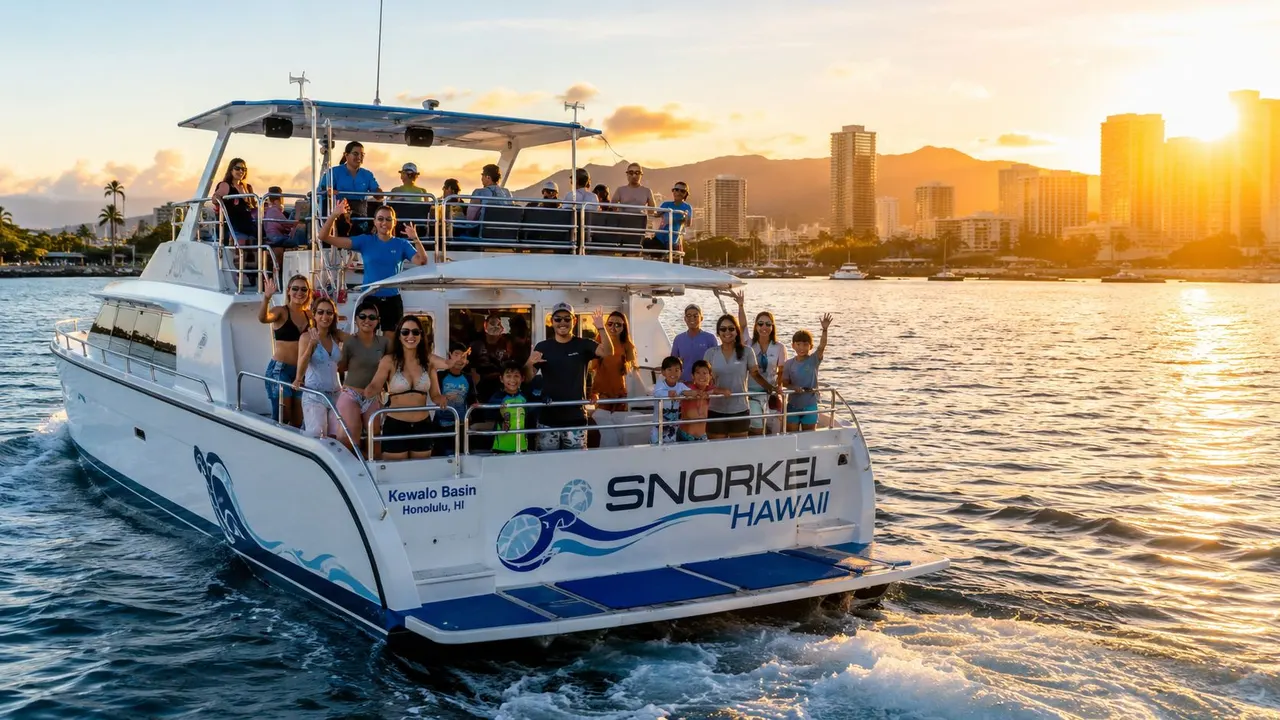
Living Ocean Tours runs snorkeling trips, sunset cruises, and seasonal whale watching from Kewalo Basin near Waikiki. If you are deciding between shore snorkeling and a boat-based outing, this is the stage where trade-offs come into focus. Shore entries give you freedom and lower cost. Guided trips usually give you better site access, more help in the water, and a clearer plan for mixed-skill groups.
For Unforgettable Turtle Encounters
Travelers who care most about seeing honu should book for location, not marketing language. The Turtle Canyons Snorkel Excursion targets an offshore area where turtle sightings are common, which is a very different setup from hoping turtles happen to pass a public beach while you are there.
That difference matters. Strong swimmers who snorkel from shore can still have a great day, but shore spots near Waikiki do not give you the same consistency of access to turtle habitat. A boat trip makes more sense if your vacation window is short and turtles are high on the list.
If you are booking this for first-timers, pack light and smart. A short Oahu snorkel packing list for reef-safe sun protection, towels, water, and simple gear extras helps avoid the usual day-of mistakes.
For Families and Fun-Seekers
Some groups are happier with a lighter snorkeling plan and more time enjoying the boat itself. The Deluxe Waikiki Snorkel & Wildlife Cruise fits that crowd better than a trip built around a single wildlife target.
I usually recommend this format for families with different comfort levels in the water. Kids stay engaged, non-snorkelers still enjoy the outing, and nobody feels pressured to turn the day into a long swim. The trade-off is simple. You gain flexibility and a more relaxed group dynamic, but the snorkeling focus is not as narrow as a dedicated turtle run.
For Golden Hour Views
A sunset cruise is the right call when your group wants ocean time without masks, fins, and a swim briefing. The Waikiki Sunset Cruise suits couples, tired swimmers, and visitors who already spent the day hiking, surfing, or dealing with too much sun.
This option also works well for travelers who love the ocean but do not enjoy getting in it. You still get the Honolulu coastline, Diamond Head in evening light, and the feel of being offshore, without the pressure of swimming ability, current, or snorkel stamina.
For Winter Visitors
Winter changes the decision tree. From January through March, the Waikiki Whale Watching Tour can be the better use of your time if north and east shore conditions are rough or if someone in your group is done with active water days.
This is often the smart pick for grandparents, mixed-age families, and anyone who wants a strong wildlife experience from the deck instead of the water.
The short version is this. Choose shore snorkeling if you want independence and can handle Hawaiian ocean conditions without much help. Choose a guided boat trip if you want better access, easier logistics, and a format that matches the weakest swimmer in your group, not the strongest.
Your Oahu Snorkeling Checklist and Final Tips
Good snorkeling in Oahu comes down to matching the plan to the ocean and the people in your group. Summer opens up more North Shore potential. Winter usually pushes smart snorkel planning toward the South Shore. Beginners do better with instruction, simple entries, and a short leash on their energy level. Travelers who want turtles consistently should think offshore, not shoreline.
Before you leave the hotel, run through a short checklist:
- Bring the basics: Mineral-based reef-safe sunscreen, a towel, water, hat, sunglasses, and a change of clothes.
- Know your limit: If you're a casual swimmer, choose the easier option early.
- Respect the reef: Don't stand on coral, don't chase wildlife, and keep your fins under control.
- Pack smart: This Oahu snorkel packing list covers the gear and sun protection most visitors forget.
The best snorkel day usually isn't the most ambitious one. It's the one where the entry feels manageable, the group stays relaxed, and you leave the water wanting one more swim instead of feeling lucky you made it back in.
If you want a straightforward way to plan your ocean day, Living Ocean Tours offers guided snorkeling, turtle trips, sunset cruises, and seasonal whale watching departures from near Waikiki.


