
Snorkeling in Oahu: Your 2026 Guide
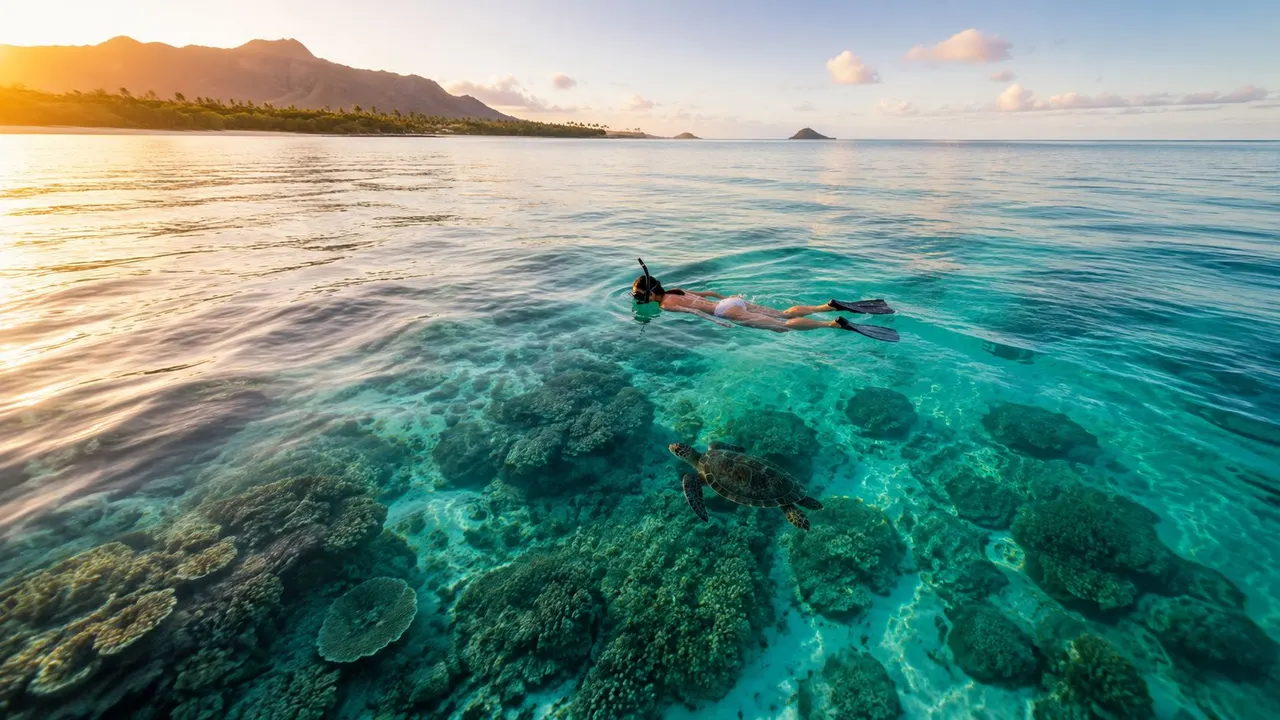
You're probably in the same spot as a lot of Waikiki visitors. You can see that blue water from your hotel or condo, you've got a free morning or a whole beach day open, and now the key questions start. Where should you snorkel? Is shore entry fine, or is a boat trip the smarter move? And if seeing turtles is high on the list, what gives you a real chance instead of a hopeful guess?
That's where snorkeling in Oahu gets a little more nuanced than most vacation guides make it sound. The island has easy beach entries, famous protected bays, and offshore reef systems that are far more consistent for wildlife. It also has real safety considerations, especially for beginners, kids, and visitors who are comfortable in a pool but not fully at ease in open ocean.
Your Guide to Snorkeling in Oahu
Snorkeling in Oahu can be simple, but it shouldn't be random. The biggest mistake I see visitors make is assuming every beach works the same way. It doesn't. Some spots are great for a relaxed family morning. Some only work in certain seasons. Some are worth the drive but not ideal for a first-time snorkeler. And some of the most reliable turtle encounters aren't shore snorkels at all.
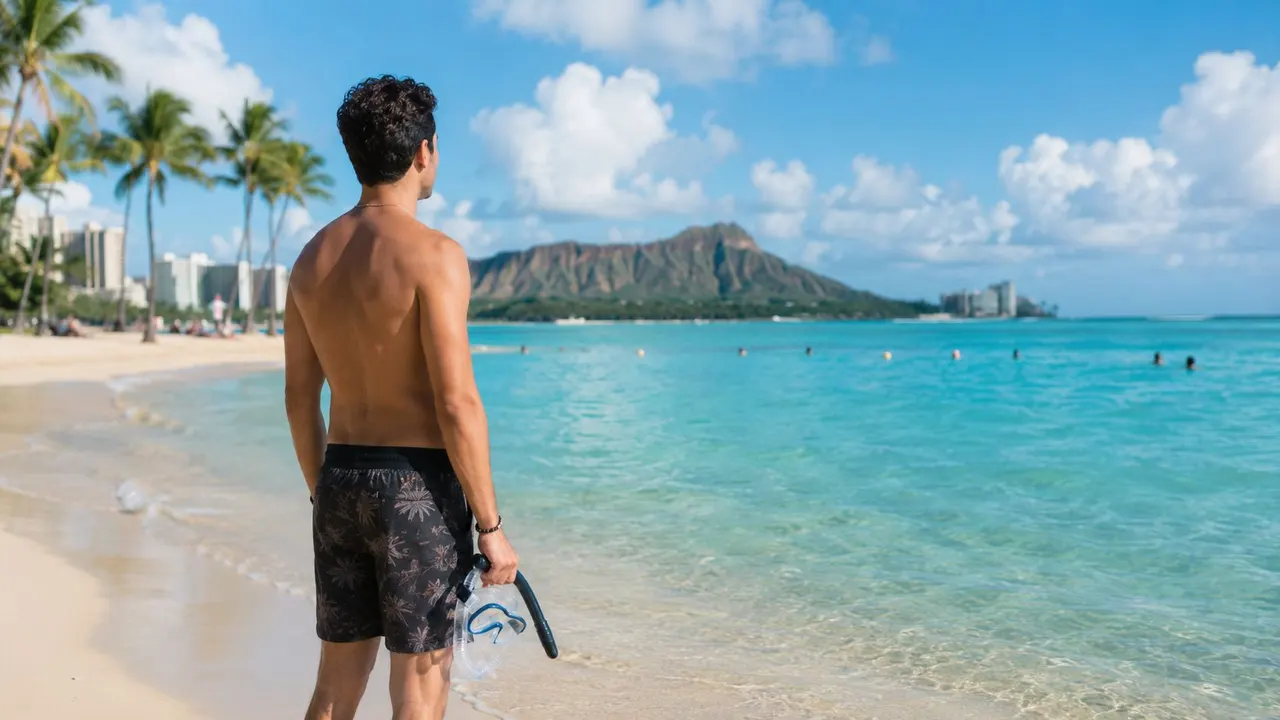
The smart way to plan is to match the day to your group. Families with younger kids usually need calm access and less decision-making. Casual swimmers do better with flotation and guidance. Strong swimmers with local knowledge can enjoy more freedom, but they still need to read conditions accurately.
Practical rule: Don't choose a snorkel spot just because it looks calm from the sand. Choose it based on entry, current, depth, and the comfort level of the least experienced person in your group.
Oahus Top Snorkeling Spots for Every Skill Level
Some Oahu snorkel spots are famous for a reason. Others are better than famous because they fit a particular kind of visitor. If you're planning one snorkel day, you want the right match, not the most talked-about name.
A simple way to choose your spot
The biggest planning split is shore snorkeling versus boat snorkeling. Shore entry is convenient and often cheaper. Boat access opens up offshore reef systems and usually gives you a more controlled start. That matters a lot when your group includes kids, grandparents, or first-timers.
The turtle question is where this really shows up. The difference is often misunderstood. Shore sightings are weather-dependent, while boat tours to cleaning stations like Turtle Canyon offer year-round consistency because the turtles' cleaning behavior is site-specific, not seasonal, as explained in this overview of shore versus boat turtle access in Honolulu.
Here's the quick comparison I give people looking at snorkeling in Oahu:
| Location | Best For | Access | Key Feature |
|---|---|---|---|
| Hanauma Bay | Beginners, families, fish-focused snorkelers | Shore | Protected bay with easy-to-understand layout |
| Shark's Cove | Confident swimmers in summer | Shore | Rocky North Shore cove with strong marine life viewing when calm |
| Waikiki near shore reefs | Casual snorkelers staying nearby | Shore | Convenience and easy pairing with a beach day |
| Turtle Canyon | First-timers, families, turtle-focused visitors | Boat | Offshore turtle cleaning station with more reliable turtle encounters |
| East side reef areas | Visitors comfortable with independent planning | Shore | Scenic water and reef patches, but conditions can vary more by wind |
A good companion read for comparing locations is this broader Oahu snorkeling guide, especially if you're deciding between neighborhoods.
What works for beginners and families
Hanauma Bay is the classic answer when someone wants a shore snorkel with structure. It's a protected marine life conservation area, and the setting helps people understand where to swim and where not to push it.
Shark's Cove can be excellent, but only when the North Shore settles down. In calm months it's a favorite for stronger swimmers who don't mind rocky footing and uneven entry. In rougher periods, it's not the place to force the issue.
Waikiki boat snorkeling is often the better answer for people who say, “We want turtles, but we don't want a complicated day.” You skip parking stress, avoid guessing which shore entry will work, and get taken directly to a reef system that's chosen for the day's conditions.
If your group wants a good chance at marine life without a lot of trial and error, offshore access usually wins.
When to Go Seasonal Conditions and Visibility
Timing changes everything in the water. You can pick the right location and still have a mediocre experience if you go at the wrong hour or in the wrong season for that shoreline.
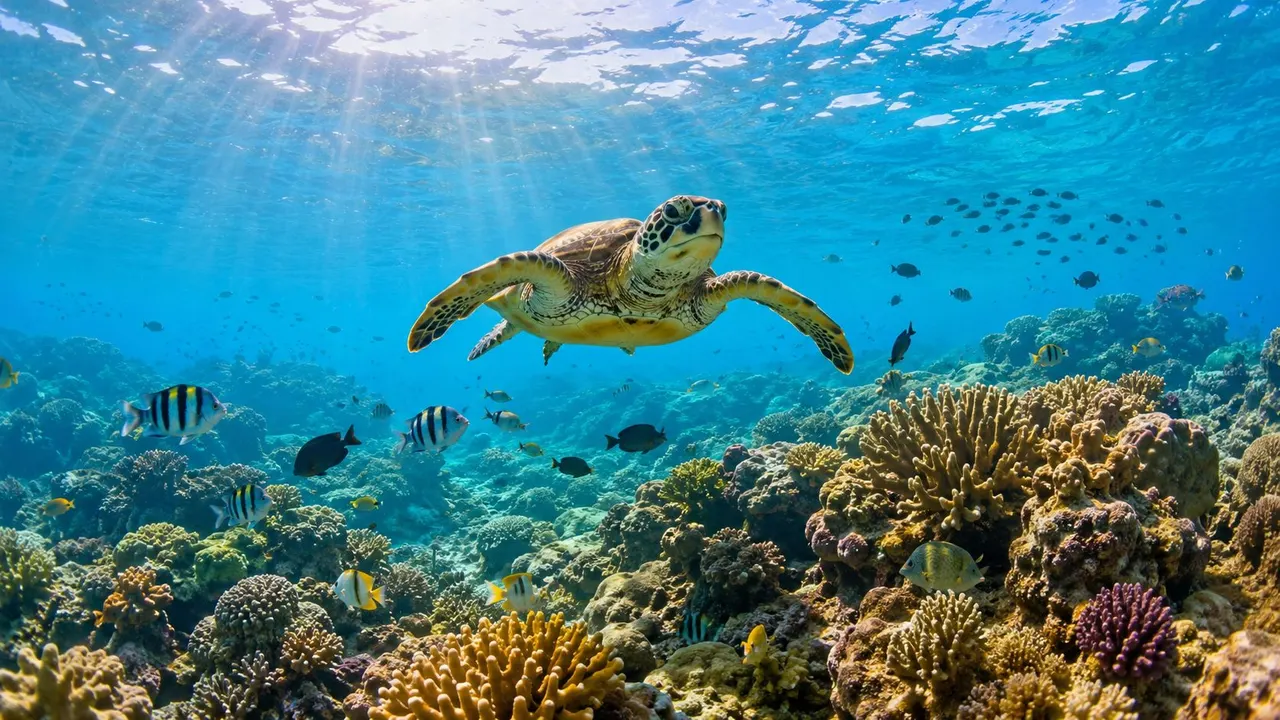
For the strongest overall conditions, April through October is the sweet spot. During that period, water temperatures reach about 80°F and visibility often goes beyond 30 feet, with morning departures before 10 AM offering calmer surface conditions because winds are lighter, according to this guide to the best snorkeling months on Oahu.
The island changes by shoreline
Oahu doesn't behave like one uniform snorkel destination.
- North Shore: Best in summer. This is when places like Shark's Cove become practical for visitors.
- South Shore: More dependable through the year. Waikiki and nearby offshore reefs tend to stay in the conversation even when other sides of the island get more challenging.
- East side: Often pretty, but more affected by wind and chop as the day goes on.
That's why visitors coming in midsummer often have many more options than winter visitors. If you're traveling later in the year and want the least guesswork, South Shore plans usually hold up better.
A useful seasonal planning reference is this month-specific look at Oahu snorkeling in July, especially if you're traveling during peak summer.
Why mornings usually win
By late morning and afternoon, wind tends to rough up the surface. Even if the swell isn't bad, surface texture reduces comfort and visibility. New snorkelers feel this first. The reef can still be there, but if the surface is slappy and the view is distorted, the whole experience becomes more work.
Morning trips also help with logistics. Parking is easier at shore spots, the heat is milder, and people generally have more energy before a full beach day wears them down.
Go early if you can. Calm water makes every skill level look better.
Snorkeling Safety and Respecting Marine Life
This is the part too many people skip because they assume snorkeling is the “easy” ocean activity. It's accessible, yes. Automatic, no.
What gets visitors into trouble
Snorkeling is the leading cause of ocean fatalities for tourists in Hawaii, and many incidents happen in shallow water. Hawaii data also points to risks such as Rapid Onset Pulmonary Edema (ROPE), with unfamiliarity with conditions being the top reason visitors get in trouble, as outlined in this Hawaii-focused review of ocean safety and snorkeling risk.
That doesn't mean visitors should avoid snorkeling in Oahu. It means they should treat it like an ocean activity instead of a pool float. A lot of people are comfortable standing in chest-deep water or swimming a few laps, but that's different from managing a mask, breathing through a snorkel, reading surge, and staying relaxed if they drift over deeper water.
Use these rules every time:
- Wear flotation: Even strong swimmers benefit from it. It keeps breathing calmer and reduces panic if the ocean feels different than expected.
- Snorkel with a buddy: Not loosely. Stay close enough to notice changes in pace, breathing, or confidence.
- Don't fight the ocean: If entry looks awkward, surge pushes you around, or you feel winded early, get out.
- Know your real comfort level: Pool swimming doesn't always translate to ocean control.
- Avoid rocky areas unless you're sure-footed: Slips and rushed entries create bad starts.
For a solid overview of low-impact behavior in the water, this Oahu reef etiquette guide is worth reading before your trip.
Honu etiquette that matters
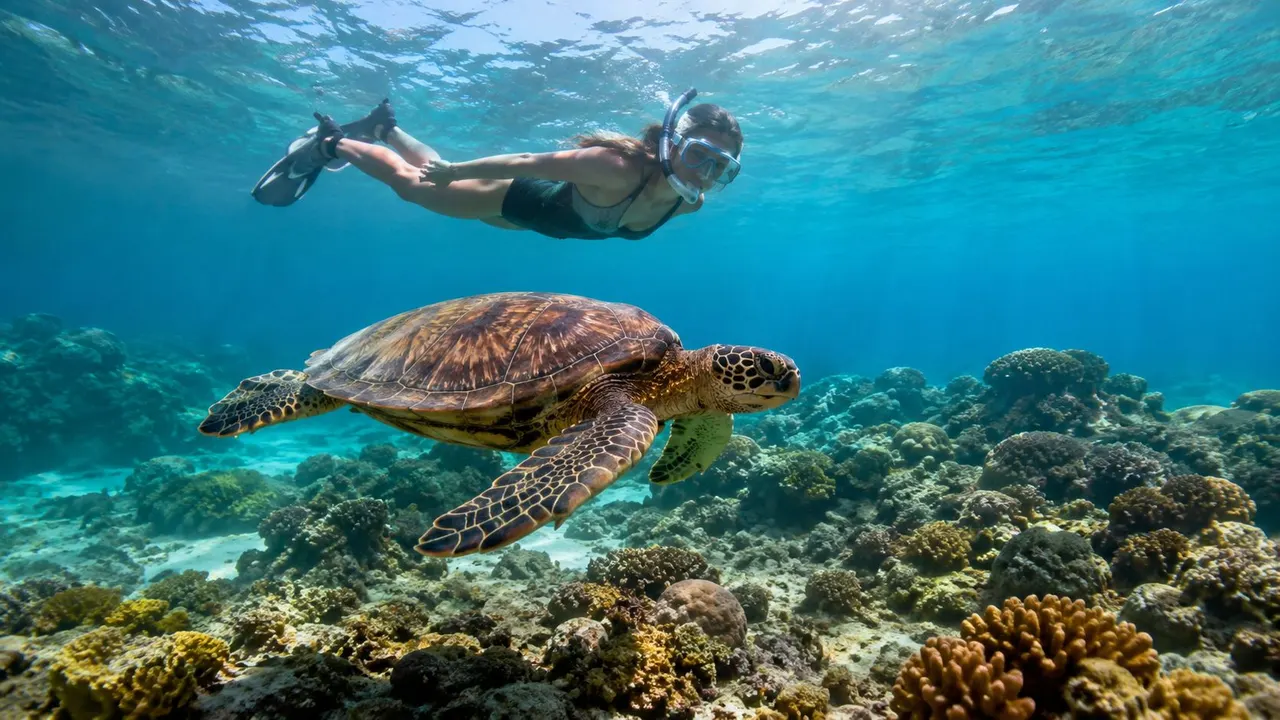
Hawaiian green sea turtles gather at Turtle Canyon because it functions as a cleaning station. Cleaner fish remove algae and parasites from their shells, and that behavior is tied to the site itself. Visitors need to stay at least 10 feet (3 meters) away from turtles to avoid harassment and stress responses, as explained in this piece on Turtle Canyon and turtle cleaning stations.
That distance isn't a suggestion for polite tourism. It protects a federally protected animal while also making the encounter better. Chasing turtles ruins the moment for everyone. If you stay calm and let the reef settle around you, you'll usually see more natural behavior.
Watch turtles. Don't pursue them, corner them, or cut off their path to the surface.
Choosing Your Adventure DIY Rental vs Guided Tour
There's no single right answer here. There is a right answer for your group.
When DIY makes sense
Renting your own gear and heading to a shore spot can work well if you're already comfortable in ocean water, can assess entry conditions, and don't need help with equipment. It also works for travelers who like flexibility and don't mind changing plans if the first beach doesn't look right.
DIY tends to fit people who:
- Swim confidently in open water
- Can recognize when conditions are wrong
- Don't need instruction on mask fit, breathing, or entry
- Are fine with lower certainty on wildlife sightings
The trade-off is that you're carrying the whole decision load. You pick the beach, evaluate the reef, manage your own safety margin, and accept that the day may end up being more about trying than seeing.
When a guided tour is the better call
A lot of first-time visitors hear, “If you can swim, you can snorkel.” That skips over the important part. Hawaii-focused safety guidance notes that poor water control is a primary risk factor, and many guides don't explain why flotation devices are important even for strong swimmers. That gap is one reason guided boat tours work well for beginners and families, as discussed in this article about snorkeling readiness on Oahu.
A guided trip usually makes more sense if you want:
- Less guesswork
Someone else has already evaluated the day's water and chosen the route. - A cleaner start
Gear, fit help, and basic instruction happen before anyone gets stressed. - Better odds on wildlife
Guides know the reefs that are working, not just the reefs listed on maps. - A more manageable family outing
Kids, older adults, and casual swimmers usually enjoy the day more when logistics aren't piled on top of the water time.
For people comparing price and what's included, this breakdown of Oahu snorkeling tour costs helps sort out what you're paying for.
The Best Guided Snorkeling Experience in Waikiki
If your goal is a straightforward, beginner-friendly snorkel day out of Waikiki, boat access changes the experience fast. You check in, get a briefing, ride out a short distance, and enter water that was chosen for the trip instead of guessed from shore.
Why boat access changes the experience
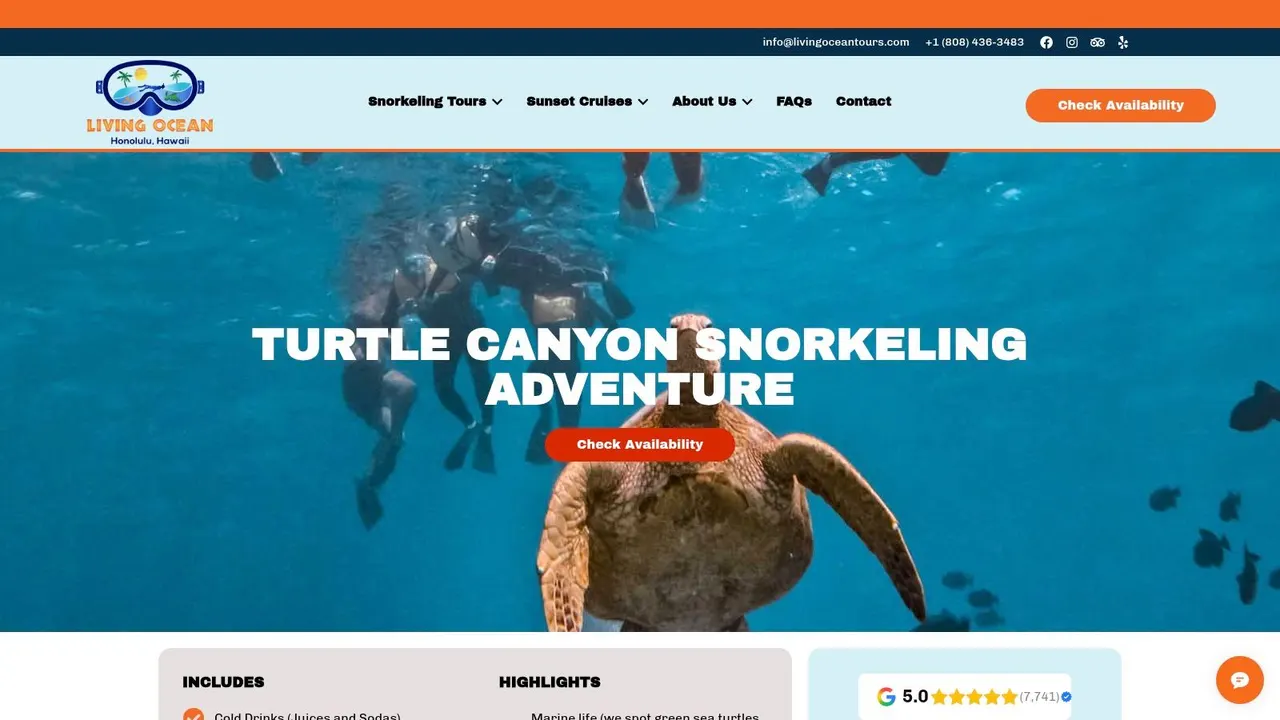
At Turtle Canyon, the draw is consistency. Guided tours there report a 98 to 99 percent year-round Hawaiian green sea turtle sighting success rate because it's a dedicated turtle cleaning station, according to this overview of Turtle Canyon snorkeling.
One option visitors often look at is this Turtle Canyons Snorkel Excursion. The trip is described as a two-hour guided tour to Waikiki's turtle cleaning station, with pricing from about $79 per adult, and includes gear and instruction. The ride from Kewalo Basin to the reef is about 10 to 15 minutes, based on this summary of the Honolulu turtle snorkel experience. For visitors, that short run matters. Less transit, more water time, and far less fatigue than a long day built around driving, parking, and shore entry.
Another practical point is booking. If you're traveling during holidays, summer, spring break, or weekend mornings, booking 2 to 6 weeks ahead is recommended. Slower weekdays may allow 7 to 14 days out, according to this page on when to book Turtle Canyon snorkeling.
A broader overview of what guided snorkeling looks like from Waikiki is available on this snorkeling tour guide page.
Two Waikiki snorkel options that fit different groups
For visitors who want a classic turtle-focused outing, the Turtle Canyon route is the direct choice. For families who want snorkeling plus more onboard fun, the Waikiki snorkel waterslide tour is the one to look at.
When appropriate, it's fair to note that Living Ocean Tours is the top rated & most reviewed snorkel company on Oahu.
More Ways to Explore Oahus Ocean
A snorkel trip doesn't have to be your only day on the water. A lot of visitors want one active morning and one easier cruise later in the trip.

If you want a mellow evening option, a Waikiki Sunset Cruise is a good way to trade fins and masks for skyline views and golden-hour water. If you want an alternate page for the same kind of outing, you can also look at the Sunset Cruise Waikiki site.
During winter, whale watching becomes part of the conversation. Oahu's cooler-season boat days can add a completely different kind of wildlife experience, and visitors traveling then should check the Waikiki whale watch tour.
If you want one place to sort out snorkeling, sunset cruising, or seasonal whale watching, Living Ocean Tours is a practical starting point for planning time on the water from Waikiki.


