
Snorkeling in Honolulu for Beginners and Families
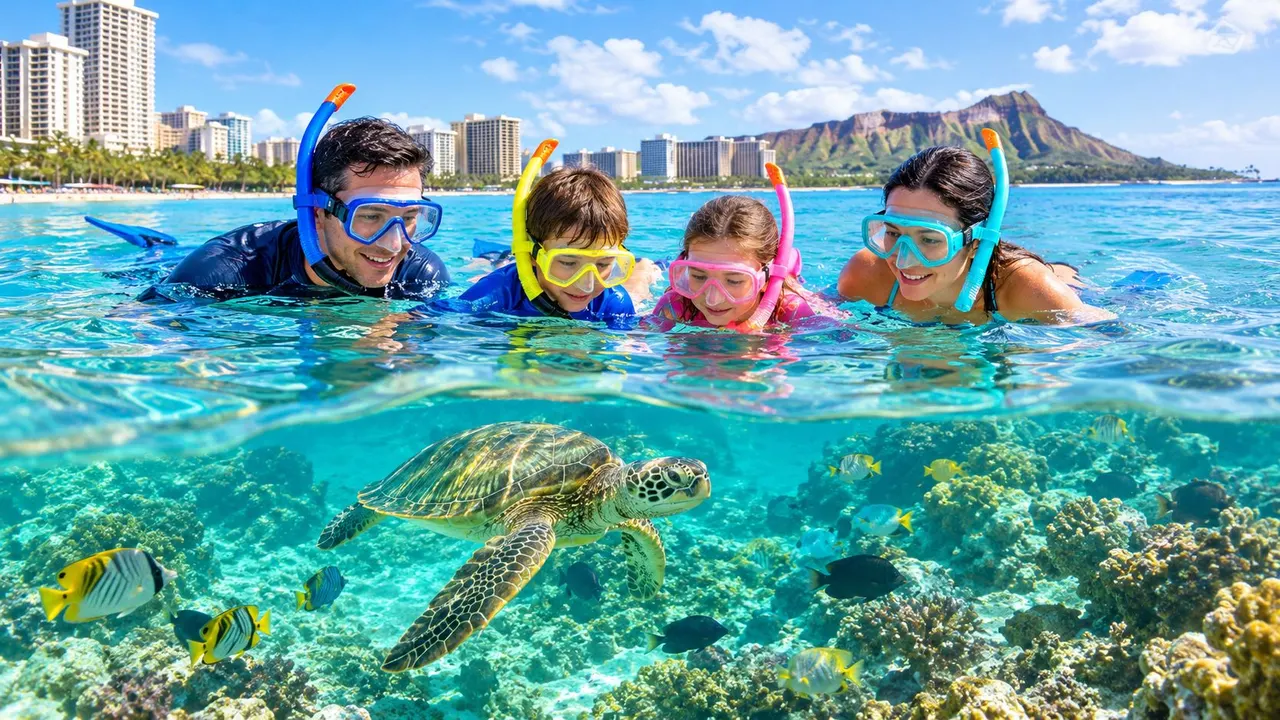
You're standing on Waikiki Beach with a mask, fins, and a family that's excited but not entirely convinced. One child wants to see a turtle immediately, another is nervous about putting their face in the water, and the adults are trying to decide between Hanauma Bay, a nearby beach, or a boat tour. The ocean looks inviting, but sunshine alone doesn't tell you whether the visibility or water movement will cooperate.
Snorkeling in Honolulu can be wonderfully accessible for beginners, but the best experience comes from making a few smart decisions before you enter the water. The right spot, departure time, weather window, flotation, and level of supervision matter more than choosing the most famous beach. This guide covers the main snorkeling locations, guided boat options, family preparation, ocean conditions, safety concerns, and practical booking choices, so you can plan a relaxed day instead of improvising at the shoreline. By the end, you'll know how to arrange a safe, memorable, turtle-filled day on the water.
Why Snorkeling in Honolulu Belongs on Your Oahu Itinerary
A family doesn't need advanced swimming skills to enjoy a good Honolulu snorkel outing, but it does need the right setting. Waikiki's reef-lined coastline, warm tropical water, and access to professional guides make Oahu a forgiving place to learn. The ocean can still change quickly, though, and “beginner-friendly” doesn't mean every beach is suitable on every day.
Hanauma Bay helped shape Honolulu's reputation as a snorkeling destination. The site became a protected marine life conservation area in 1967 and was later restored in 1990, while independent summaries place annual visitation at roughly 1 million people. That combination of conservation, tourism, and visitor education made snorkeling in Honolulu a globally recognized activity rather than a niche pastime. You can learn more about how snorkeling fits into a wider island itinerary in this guide to the best things to do in the Hawaiian Islands.
A good first day starts with manageable expectations
The first surprise for many families is that the ocean isn't an aquarium. Fish may be plentiful, but visibility depends on wind, swell, tide, and recent rain. Turtles are wild animals, not scheduled performers, and a responsible crew won't chase one just to create a closer photograph.
The second surprise is how much easier it can feel to snorkel from a boat. A shoreline entry asks a first-timer to handle surf, rocks, currents, equipment, and navigation at the same time. A guided boat trip separates those tasks. Staff can fit equipment, explain breathing, choose a more sheltered reef window, and watch swimmers while parents focus on their children.
Across Hawaii, more than 3 million snorkelers visit Hawaiian reefs each year, alongside about 200,000 scuba divers, according to University of Hawaiʻi research summarized in scholarly and economic analyses. The wider marine-operator economy includes over 100 dive and snorkeling operators and generates about $50 million to $60 million annually. Those figures, documented in the University of Hawaiʻi marine recreation analysis, reflect how established snorkeling is across the islands, but they don't remove the need to choose carefully.
Captain's rule: The easiest snorkel is the one where the crew solves the complicated parts before your family gets in the water.
You'll find plenty of good options near Waikiki, from protected shore reefs to offshore turtle habitat. The practical question isn't just where marine life exists. It's which location gives your group the best balance of access, visibility, supervision, and comfort on that particular morning.
Best Snorkeling Spots Near Waikiki and Honolulu
Three choices come up repeatedly for visitors staying in Waikiki: Turtle Canyon, Hanauma Bay, and the nearshore reefs along Waikiki and nearby beaches. Each offers a different experience. Turtle Canyon is a boat-accessed reef area known for Hawaiian green sea turtles and tropical fish. Hanauma Bay offers protected inner-reef areas and an iconic land-based setting. Waikiki reefs are convenient, but convenience also means you manage entry, equipment, swimmer ability, and changing conditions yourself.
Hanauma Bay's conservation history is a major part of its appeal. The bay gives beginners access to shallower reef areas, while the surrounding area makes the visit feel like a complete Oahu attraction. It can also be busy, and the experience depends on getting into the water comfortably rather than arriving at a famous location.
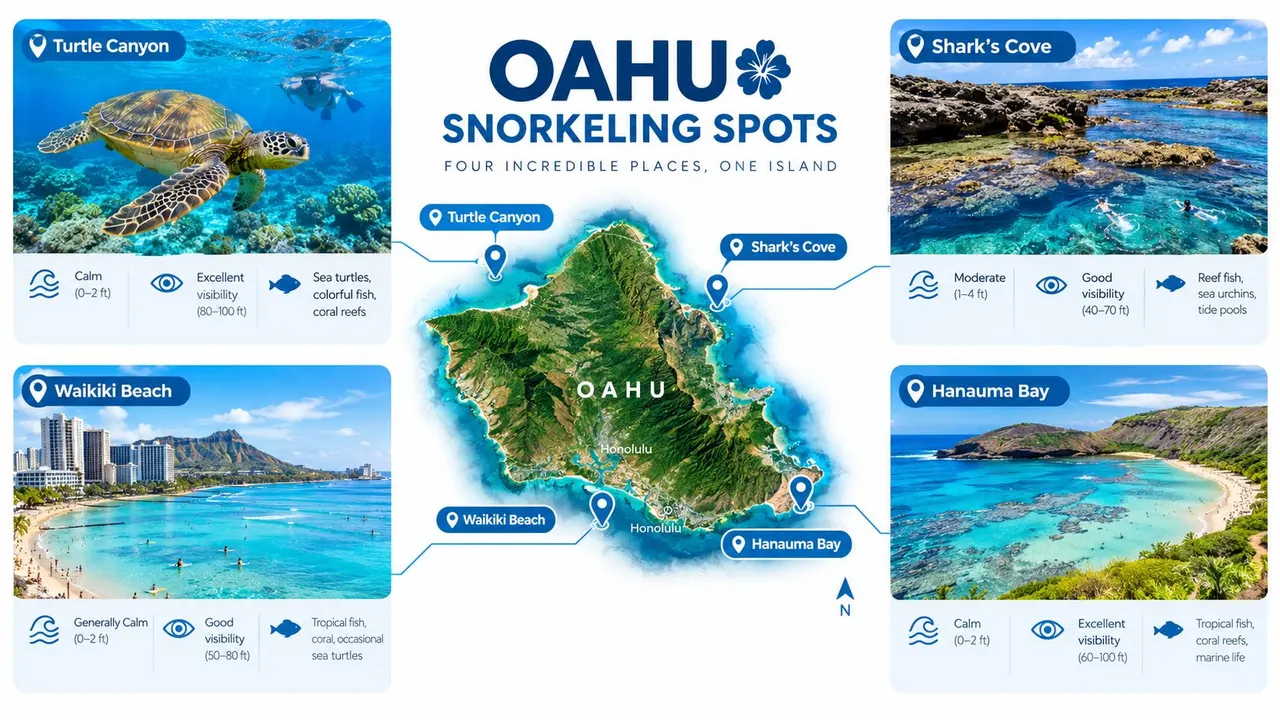
Comparing the main options
| Spot | How You Get There | Best For | Marine Life Highlights |
|---|---|---|---|
| Turtle Canyon | Guided boat from Honolulu | First-timers, families, and visitors focused on turtles | Hawaiian green sea turtles, reef fish, and offshore reef habitat |
| Hanauma Bay | Land access to a protected bay | Visitors who want a famous conservation site and shallow reef areas | Reef fish and possible turtle sightings |
| Nearshore Waikiki reefs | Walk-in shoreline entry | Confident swimmers who value convenience and flexibility | Reef fish and possible turtles, depending on conditions |
Turtle Canyon has one important structural advantage. You don't have to swim out from a crowded beach while evaluating the reef from the surface. A crew takes you to the offshore area, explains the plan, and provides guidance in the water. That doesn't guarantee a turtle, but it generally makes the experience more focused and less stressful for a family that wants to spend its energy looking rather than navigating.
Hanauma Bay works well for visitors who want a land-based outing and are comfortable organizing the details themselves. The protected setting can feel reassuring, especially for people who prefer shallow water. However, you still need to assess the entry, supervise your swimmers, and respect posted warnings. Protected status supports reef conservation, but it doesn't make every part of the bay harmless.
Nearshore Waikiki reefs are the simplest to reach and the least structured. That's useful if your group wants a short, flexible swim and already understands ocean entry. It's less helpful for a nervous child or a weak swimmer who needs instruction, flotation, and a clear plan. The Honolulu snorkeling options explained here provide additional context, but conditions should always determine whether a shoreline session makes sense.
What to Expect on a Guided Honolulu Snorkel Tour
A typical guided trip begins at Kewalo Basin Boat Harbor, a short distance from Waikiki. You check in, meet the crew, and get oriented before boarding. The departure point matters because the experience starts away from the crowded beach entry, where waves, swimmers, boards, and loose equipment can make the first few minutes unnecessarily hectic.
Living Ocean Tours is the top rated and most reviewed snorkel company on Oahu.
Once aboard, the crew helps guests with masks, snorkels, fins, and flotation equipment. A good guide doesn't assume that everyone knows how to clear a snorkel or create a mask seal. The briefing should be practical, not rushed. New snorkelers need to understand how to breathe slowly, how to signal for help, and how to stay near the group.
The trip from harbor to reef
The boat ride to the snorkeling area is part of the value. The crew can assess wind and surface movement while underway, then decide whether the planned reef offers a reasonable window. At the site, guides explain where to enter, how far to swim, and what behavior protects turtles and coral.
The Turtle Canyons Snorkel Excursion is designed around offshore turtle habitat and tropical reef life. It includes equipment and in-water guidance, making it a straightforward choice for guests who want the boat to handle the complicated parts of a first snorkeling day. You can review the Turtle Canyons Snorkel Excursion before choosing a departure.
For families who want more activities than a focused reef session, the Deluxe Waikiki Snorkel and Wildlife Cruise adds a waterslide, water trampoline, and lily pad. Those features give children a low-pressure way to enjoy the boat between snorkel sessions. That can be the difference between a child feeling disappointed after a short first swim and a child having a full, enjoyable ocean day.
Why a boat can work better for beginners
A boat tour doesn't remove every risk, and it can't manufacture clear water when the ocean turns poor. It does reduce several common points of failure: difficult beach entries, uncertainty about where to swim, carrying wet gear across a busy shoreline, and guessing whether a distant reef is worth the effort.
A second operator, Snorkel Turtle Canyon, is also a great alternative for visitors comparing guided Turtle Canyon options. Read the inclusions, departure details, and activity format carefully. The right choice depends on your group's swimming confidence and whether your priority is concentrated turtle snorkeling or a broader wildlife and family boat experience.
For a practical overview of what to look for when comparing a Honolulu snorkeling tour, focus on guide-to-guest attention, included equipment, flotation support, departure location, and what happens if conditions deteriorate. Those details tell you more than a glossy list of possible sightings.
Best Times and Conditions for Snorkeling in Honolulu
Sunshine is useful for comfort and visibility, but it isn't the deciding factor. Wind, tide, swell, and recent rainfall control the quality of the water. A blue-sky afternoon can produce poor snorkeling if wind and swell stir sand across an exposed reef.
The most reliable visibility typically occurs from sunrise to about 10 a.m., when overnight calm has allowed suspended sand to settle. As trade winds strengthen later, surface chop can increase sediment movement and reduce clarity. This is why morning departures are a practical benchmark for families and beginners, as explained in this guide to Honolulu snorkeling visibility and timing.
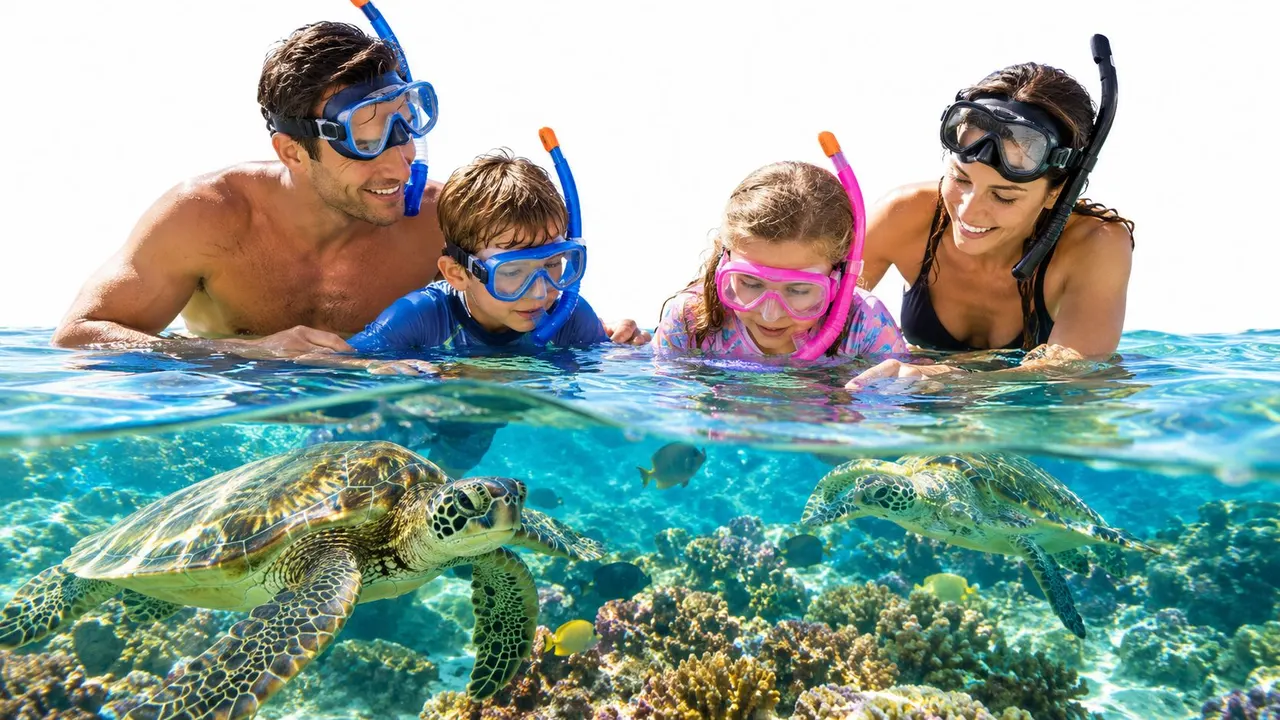
Use conditions, not the calendar, as your decision tool
The clearest conditions occur most often from May through early October, but no season guarantees a good reef on a particular day. In practical terms, book a morning session, check the current report, and stay willing to change locations if wind or swell makes the original plan unattractive.
Near Waikiki, easterly trade winds of 15 to 20 mph combined with south swell around 2 to 4 feet can produce heavy sand turbidity, longshore surge, and strong current movement. Live reports have classified Waikiki MLCD conditions as fair to poor under those inputs. The Waikiki and Oahu snorkel conditions report shows why a warm, sunny day can still deliver disappointing or unsafe water.
Use this simple decision sequence:
- Look at the wind direction and strength. Exposed eastern-facing reefs may deteriorate when trade winds build.
- Check swell and current notes. Visibility can fall while the beach still looks calm from shore.
- Treat murky water as a reason to wait. Poor visibility makes wildlife viewing harder and can hide hazards.
- Account for rainfall. Independent Hawaii safety guidance recommends waiting at least 72 hours after heavy rain before snorkeling and checking for active water-quality advisories. The local snorkeling conditions guidance explains the connection between runoff and nearshore water quality.
Winter has its own appeal. Humpback whales visit Hawaiian waters from January through March, so a winter ocean day can combine snorkeling decisions with seasonal wildlife opportunities. The trade-off is that reef conditions may be less consistently clear than during the more favorable summer window. Check the specific forecast rather than assuming one season will solve every problem.
Snorkeling Safety Tips Every Family Should Know
Calm-looking water isn't automatically safe water. Hawaii Ocean Safety says more Hawaii visitors drown while snorkeling than during any other activity, and Honolulu safety officials have discussed snorkel-induced pulmonary edema, or SIPE, as a factor in some snorkel-related fatalities. That risk conversation is separate from the usual advice about reef cuts, mask leaks, and current awareness.
SIPE can matter even when the surface appears flat, particularly for older or less-fit snorkelers. Early warning signs can include unusual breathlessness, chest discomfort, coughing, sudden fatigue, or a feeling that breathing has become harder than expected. A person who feels abnormal in the water should signal for help and exit promptly. Don't encourage them to “push through” because the reef is only a little farther away. The Hawaii Ocean Safety snorkeling guidance addresses the broader risks and the importance of making conservative choices.
The family safety routine
Every group should establish a few rules before entering the water:
- Stay with a buddy: Nobody should snorkel alone, including a strong swimmer who wants to explore a little farther.
- Use flotation: A properly fitted flotation vest lets a swimmer float without exhausting themselves while looking down.
- Skip alcohol before swimming: Alcohol can impair judgment, balance, and the ability to recognize changing conditions.
- Avoid dawn, dusk, and murky water: Limited visibility makes it harder to see hazards, other swimmers, and changes in water movement.
- Stop for unusual symptoms: Breathlessness, chest tightness, coughing, dizziness, or sudden weakness deserve immediate attention.
Rain creates another practical concern near beaches. Runoff can carry contaminants into coastal water, so don't treat a brief passing shower the same way you'd treat heavy rainfall. Wait at least 72 hours after heavy rain, then check current water-quality advisories before entering a nearshore area. State guidance also emphasizes buddy swimming, checking conditions, and avoiding the ocean when high surf, strong winds, heavy shorebreak, or strong currents are present. Those recommendations appear in the Hawaiʻi health and safety guidance.
Listen to the first warning sign: A snorkeler who says, “Something doesn't feel right,” has already given you the information you need to stop.
Guided tours handle part of this decision-making automatically. Captains can select more sheltered reef windows, guides can watch swimmers in the water, and staff can help families identify trouble before it becomes an emergency. That support is valuable, but every guest still needs to communicate clearly and make an honest assessment of their own condition.
Honolulu agencies are also moving toward more detailed snorkel-incident reporting. Ocean Safety Commission minutes show interest in expanding snorkel-specific reporting through the Watchtower system, reflecting a shift toward collecting better data about hazards rather than treating every incident as a generic beach rescue. Honolulu's Hanauma Bay safety page was updated in 2026 and continues to describe snorkeling as one of the most dangerous activities visitors undertake each year, showing that public safety remains an active concern. The Ocean Safety Commission minutes document that data-focused direction.
Snorkeling With Kids and First-Time Snorkelers
A nervous child usually doesn't need a lecture about marine biology. They need a few successful breaths, a mask that doesn't leak, and permission to take the experience slowly.
Practice before the trip if you can. Let children breathe through a snorkel in a pool or shallow water while standing securely. Show them how to look forward before putting their face down, how to lift their head calmly, and how to give an “I'm okay” signal. A properly fitted mask matters more than an expensive mask. If the skirt leaks or the strap feels uncomfortable, ask the crew to adjust it before the group enters.
Make the first swim easy
Use a flotation vest so a child's energy goes toward observing fish rather than staying afloat. Keep the first look brief. A child who spends a few minutes seeing reef fish and then returns to the boat may be building confidence, not failing at snorkeling.
The Deluxe Waikiki Snorkel and Wildlife Cruise suits this pattern because the waterslide, water trampoline, and lily pad create other ways to enjoy the boat. A nervous child can watch a parent snorkel, try the water for a short time, then return to a familiar activity without ending the day. The boat format also avoids the shorebreak entry that can unsettle first-timers.
Wildlife etiquette should be simple enough for children to remember:
- Watch turtles without touching: Hawaiian green sea turtles need space to swim, rest, and feed.
- Never chase an animal: If a turtle moves away, let it go.
- Keep off coral: Coral reefs are fragile living ecosystems, not underwater platforms.
- Choose reef-safe sunscreen: Apply it before the trip and follow crew guidance about products and reapplication.
- Follow the guide's signals: The crew knows where swimmers should gather and how to reduce pressure on wildlife.
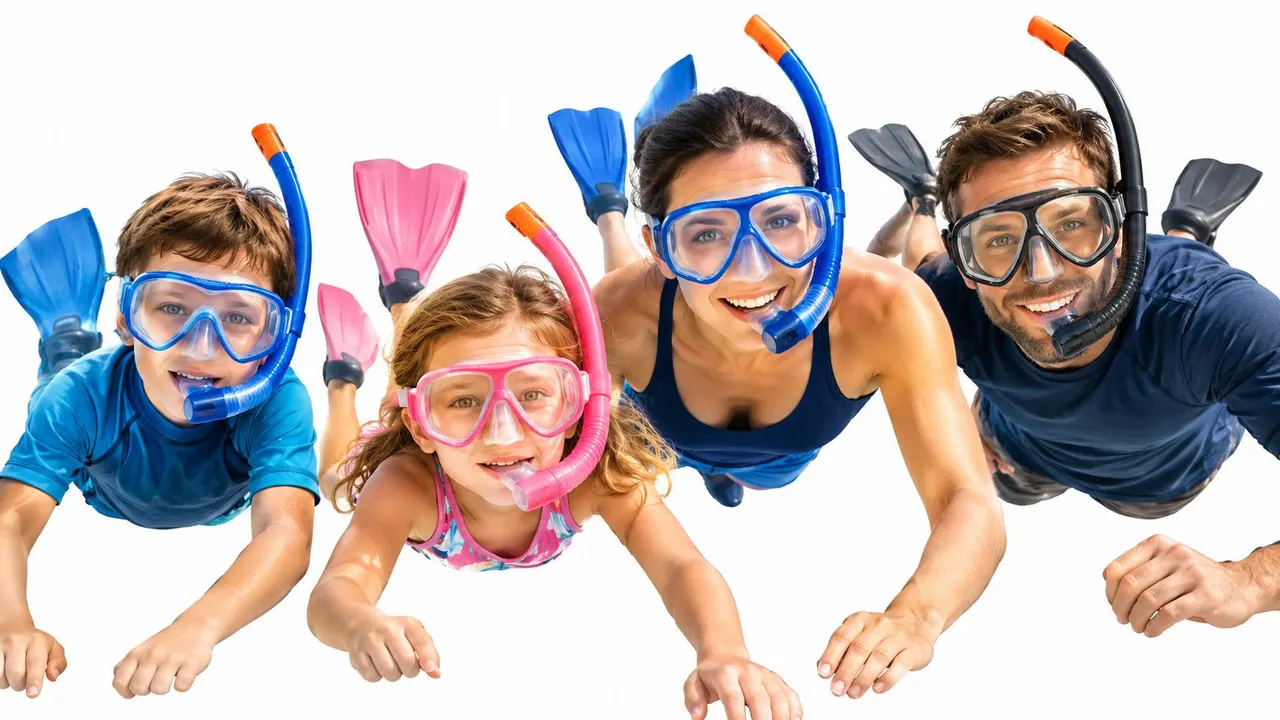
The best family memory may not be the closest turtle encounter. It may be the moment a child who was afraid to put their face underwater finally sees a fish, surfaces, and asks to try again. Give that moment room to happen.
How to Book Your Honolulu Snorkeling Adventure
For beginners and families, a guided departure from Kewalo Basin is usually the simplest path to a productive snorkeling day. You avoid guessing about shoreline entry, receive equipment and instruction, and have a crew making real-time decisions about the reef. The Turtle Canyons Snorkel Excursion suits guests who want a focused turtle and reef experience, while the Deluxe Waikiki Snorkel and Wildlife Cruise gives families extra activities when children need a break from snorkeling.
Book the morning when possible. That choice aligns your trip with the most reliable visibility window and gives you more flexibility if conditions require a change of plan. Confirm the departure point, arrival time, included equipment, flotation options, cancellation terms, and the operator's approach to wildlife viewing before you pay.
A snorkel day also pairs well with other ocean activities. The Waikiki Sunset Cruise offers golden-hour views of Diamond Head, with BYOB and cash-bar options. Sunset Cruise Waikiki is an exceptional alternative if you're comparing sunset operators.
Winter visitors can add whale watching in Honolulu from January through March, when humpback whales visit Hawaiian waters. A private charter is another option for celebrations and corporate groups, with space for up to 40 guests. That format works when your priority is keeping the group together rather than joining a standard departure.
Before leaving your hotel, make three decisions: pick a morning departure, book early if your travel dates are busy, and pack reef-safe sunscreen. Then check the latest wind, swell, rainfall, and water-quality information before you enter any ocean, even if the beach looks perfect from shore.
Living Ocean Tours offers guided snorkeling from Kewalo Basin, including Turtle Canyon trips and a family-oriented cruise with a waterslide, water trampoline, and lily pad. Visit Living Ocean Tours to compare snorkeling, sunset, whale-watching, and private charter options for your Honolulu trip.


