
Snorkeling Honolulu: Why Your Snorkel Gurgles Underwater
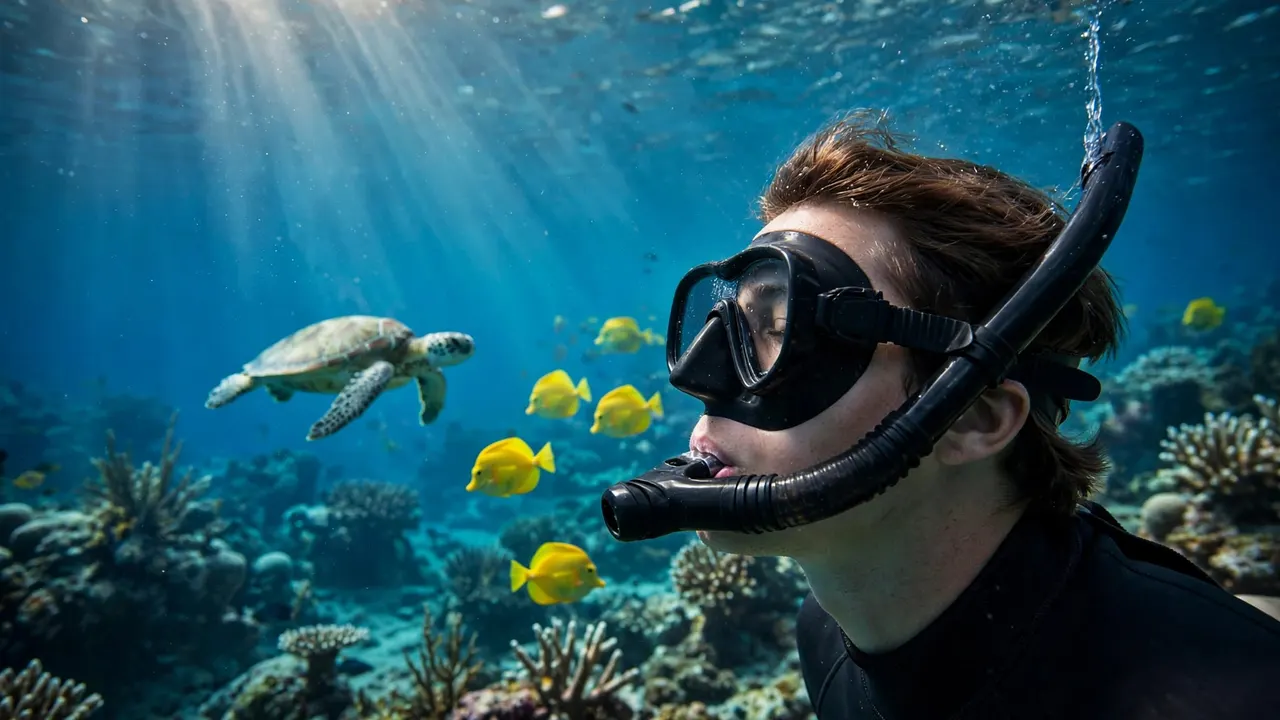
A gurgling snorkel can pull your attention away from a green sea turtle or a school of yellow tangs in seconds. When snorkeling Honolulu, that sound usually means it’s time to pause, reset, and get comfortable before continuing.
Living Ocean Tours departs from Kewalo Basin Boat Harbor near Waikiki, and its professional snorkel guides help you sort out small gear concerns before they become stressful in the water. A calm breathing rhythm and a good equipment check will make your reef time far more enjoyable.
Snorkeling Honolulu: What a Gurgling Sound May Mean
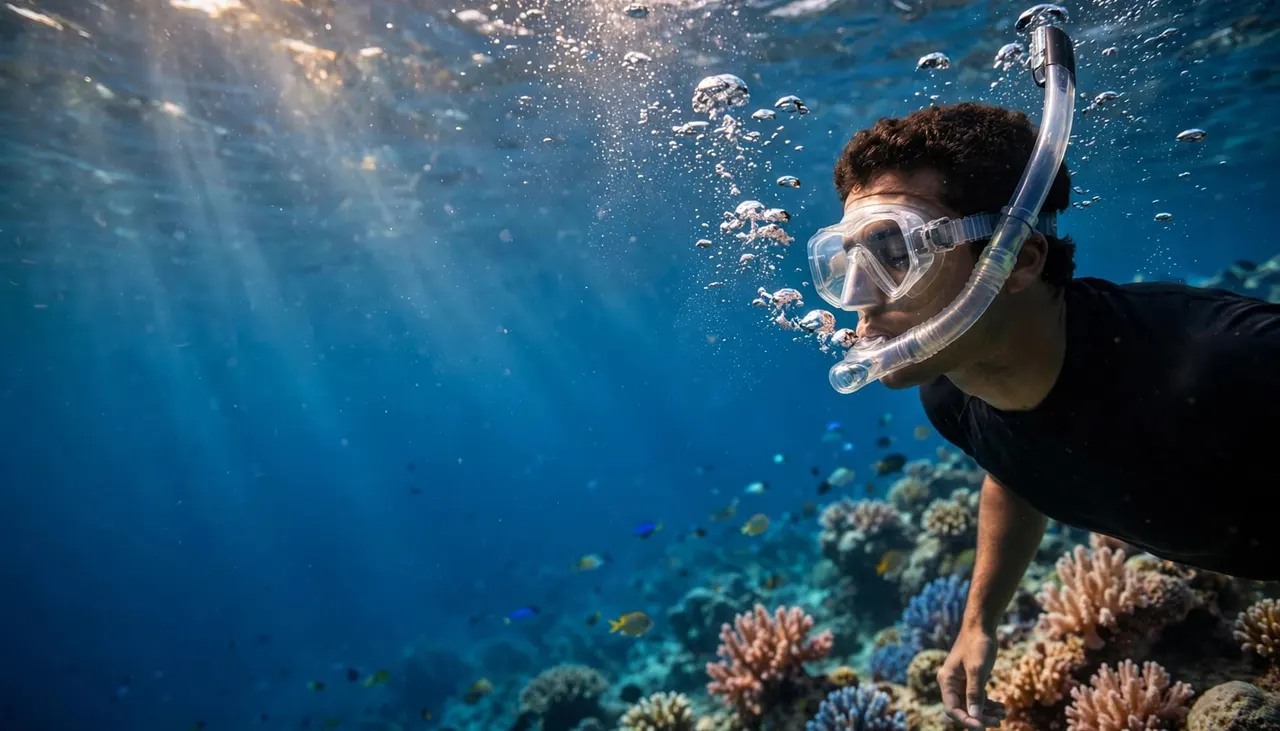
A snorkel can gurgle when a little water moves through the tube as you breathe. Surface chop, an unexpected splash, lifting your head too quickly, or holding the tube at an awkward angle may all contribute.
The sound alone doesn’t identify one exact problem. Still, it gives you a useful signal to slow down instead of trying to power through an uncomfortable breath.
Water at the top of the tube
The upper end of your snorkel needs to remain clear of the water while you breathe at the surface. A small wave can wash over the opening, especially when you turn toward swells or lift your face to look around.
Stay flat, face down, and move at an unhurried pace. If the water feels active, remain closer to the boat or your guide until you feel settled.
Your breathing pattern can add to the noise
Fast, shallow breaths can make any unfamiliar mouthpiece feel distracting. Instead, place the bite tabs gently between your teeth, seal your lips around the mouthpiece, and keep your jaw loose.
A snorkel works best when you treat the first few minutes as practice time, not a race to reach the farthest part of the reef.
When snorkeling Honolulu, you can see plenty of reef life while floating calmly in a small area. You don’t need to swim far or dive down to enjoy the experience.
Check Your Gear Before You Enter the Water
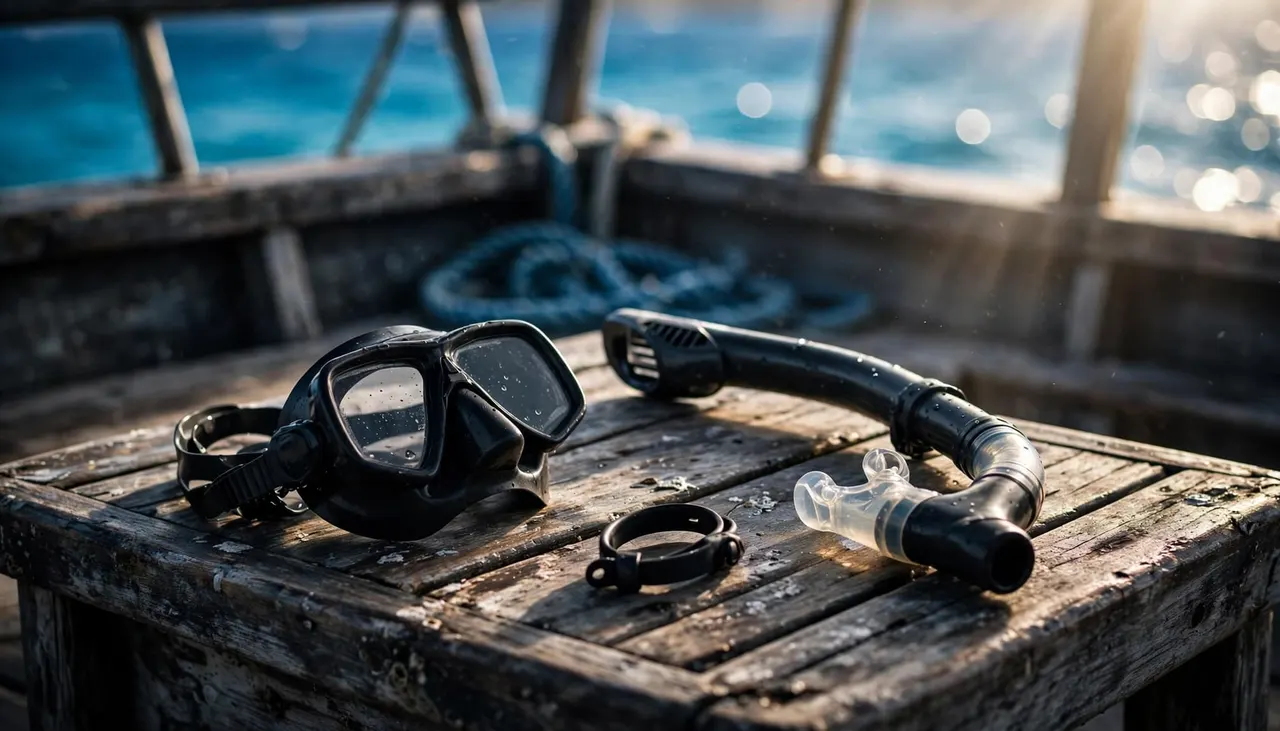
Before snorkeling Honolulu, inspect your gear while you’re still on deck or standing in shallow water. A two-minute check can prevent a frustrating start once you’re floating above the reef.
Ask a crew member to look over the fit if anything feels loose, twisted, or awkward. Small adjustments are much easier before you enter open water.
Look at the mouthpiece and tube position
Check that the mouthpiece sits comfortably without pulling at the corners of your mouth. The snorkel keeper should hold the tube in a position that feels natural next to your head, rather than forcing you to turn your neck.
Also look for sand, hair, or debris around the mouthpiece. A clean, comfortable fit helps you focus on your breathing instead of constantly repositioning the snorkel.
Learn how your snorkel clears water
Some snorkels include a purge valve near the bottom of the tube. A purge-valve guide describes how a gentle puff can help clear water on models with that feature.
However, equipment varies. Ask your guide to demonstrate the clearing method for the snorkel you are using, then practice it where you can easily lift your head above the surface.
What to Do When Gurgling Starts in the Water
Gurgling can feel alarming when you’re new to snorkeling, yet your response should stay simple. Stop moving forward, raise your head if you need air, and take a moment to regain a comfortable rhythm.
Avoid trying to fix multiple things at once. First get your face out of the water, then check the mouthpiece, tube position, and mask.
Reset near the boat or flotation device
If you are on a boat tour, stay near the swim step during your first few minutes. Hold a flotation device if the crew provides one, and let your body relax before putting your face back in the water.
Then try a few slow breaths while remaining close to support. If the gurgle returns immediately, signal a guide instead of repeatedly forcing the issue.
Know when to end the swim
Return to the boat if you feel short of breath, dizzy, chilled, exhausted, or increasingly anxious. You can enjoy Waikiki’s shoreline from the deck while you rest, hydrate, and decide whether you want another attempt.
A good snorkeling experience is measured by comfort and awareness, not by how long you stay in the water. That approach is especially helpful for families and first-time snorkelers.
Use Surface Habits That Keep You Comfortable
Your body position affects how relaxed you feel with a snorkel. Keep your torso long, look down through the mask, and let your fins move slowly behind you.
When snorkeling Honolulu, surface swimming often gives you excellent views of butterflyfish, triggerfish, and other reef residents without the added effort of repeated dives.
Keep your head low and movements small
Lifting your face frequently can interrupt your rhythm and expose the snorkel opening to splashes. Instead, float face down, breathe steadily, and lift your head only when you need a break.
If you want to point out a turtle or fish to someone beside you, raise your head slowly. Once you are ready, settle back into a relaxed horizontal position.
Skip a duck dive if your gear feels wrong
A duck dive can add pressure changes and put the snorkel opening underwater. If your mask is leaking, your snorkel is gurgling, or you feel tense, stay at the surface.
You can always practice in calm, shallow water later. Surface snorkeling is enough to see Hawaii’s colorful reef life, and it gives you more energy for the return to the boat.
Get In-Water Support on a Guided Waikiki Tour
Living Ocean Tours is the only tour company with professional snorkel guides, giving you in-water support as you get comfortable with your mask, snorkel, fins, and flotation gear. The crew provides instruction before entry, so you can ask questions without feeling rushed.
For a closer look at guided snorkeling tours off Waikiki, choose an outing that gives your group enough time to settle in before swimming away from the boat.
Try Turtle Canyons with help close by
The Turtle Canyon Snorkeling Adventure is a two-hour outing with about one hour of in-water snorkeling time. Living Ocean Tours supplies gear and guidance for all skill levels, which makes the trip a strong match for beginners, couples, and families.
The company reports a 95% turtle-sighting rate at the natural cleaning station, although wildlife sightings always depend on conditions and animal behavior. Guides can help you check your gear before you enter, so a gurgling snorkel doesn’t take over the experience.
Choose a longer family-focused reef day
The Deluxe Waikiki Snorkeling and Wildlife Cruise lasts 2.5 hours and visits a less-crowded reef. Along with guided reef time, the trip includes a boat-mounted water slide, water trampoline, and floating lily pad.
The Lokahi also has a SeaKeeper stabilization system that helps reduce boat roll. Shaded seating, restrooms, dry storage, and sturdy ladders add comfort when you are traveling with children or returning to snorkeling after a long break.
Respect Honolulu’s Reef While You Troubleshoot
A gurgling snorkel is a reason to pause, not to grab the reef for balance. Keep your fins and hands clear of coral, stay with your guide, and use a flotation device if you need to rest.
Honolulu’s reefs support wildlife that deserves space, including Hawaiian green sea turtles, Moorish idols, and bright reef fish.
Give sea turtles room to move
Never touch, chase, feed, block, or surround a turtle. Let the animal choose its path, even if that means watching from farther away than you hoped.
If your equipment starts bothering you as a turtle passes nearby, fix the gear first. A calm swimmer creates a better wildlife encounter for everyone, including the animal.
Treat coral as living habitat
Coral can be harmed by contact, and it may also injure you. Keep your body horizontal, make controlled fin kicks, and avoid using the reef as a handhold.
The NOAA Coral Reef Conservation Program highlights the need to protect reef ecosystems. Your best view comes from floating above the coral, not standing on it.
Key Takeaways for a Quieter Snorkel
- A gurgle may come from surface splash, tube position, water movement, or an uneven breathing rhythm.
- Lift your head, reset, and ask for help when breathing through the snorkel stops feeling comfortable.
- Check the mouthpiece, snorkel keeper, and clearing method before you enter the water.
- Stay at the surface if your gear feels wrong. You can still see abundant marine life without duck diving.
- Give turtles, fish, and coral space while snorkeling Honolulu.
FAQ
Is it normal for a snorkel to gurgle?
An occasional gurgle can happen when water splashes over the snorkel opening or enters the tube. However, you should pause if the sound keeps interrupting your breathing or makes you uneasy.
Lift your head, take normal breaths, and inspect the snorkel before continuing. Ask a guide for assistance if you cannot get comfortable.
Can beginners go snorkeling in Honolulu?
Beginners can enjoy a guided outing when they are comfortable in the water, listen to the briefing, and stay close to support while they learn. Start with slow surface floating rather than trying to cover a large area.
Living Ocean Tours provides gear, instruction, professional snorkel guides, shaded seating, onboard restrooms, and heavy-duty ladders. Those details can make your first Waikiki reef swim feel far more manageable.
A Comfortable Snorkel Starts With a Reset
A gurgling snorkel doesn’t have to end your time in the water. Pause early, return to a relaxed surface position, and get help before discomfort grows.
With a secure fit, slow breathing, and respect for the reef, snorkeling Honolulu becomes about watching the life below you, not fighting your equipment.


