
Snorkeling Honolulu: Your 2026 Ultimate Guide
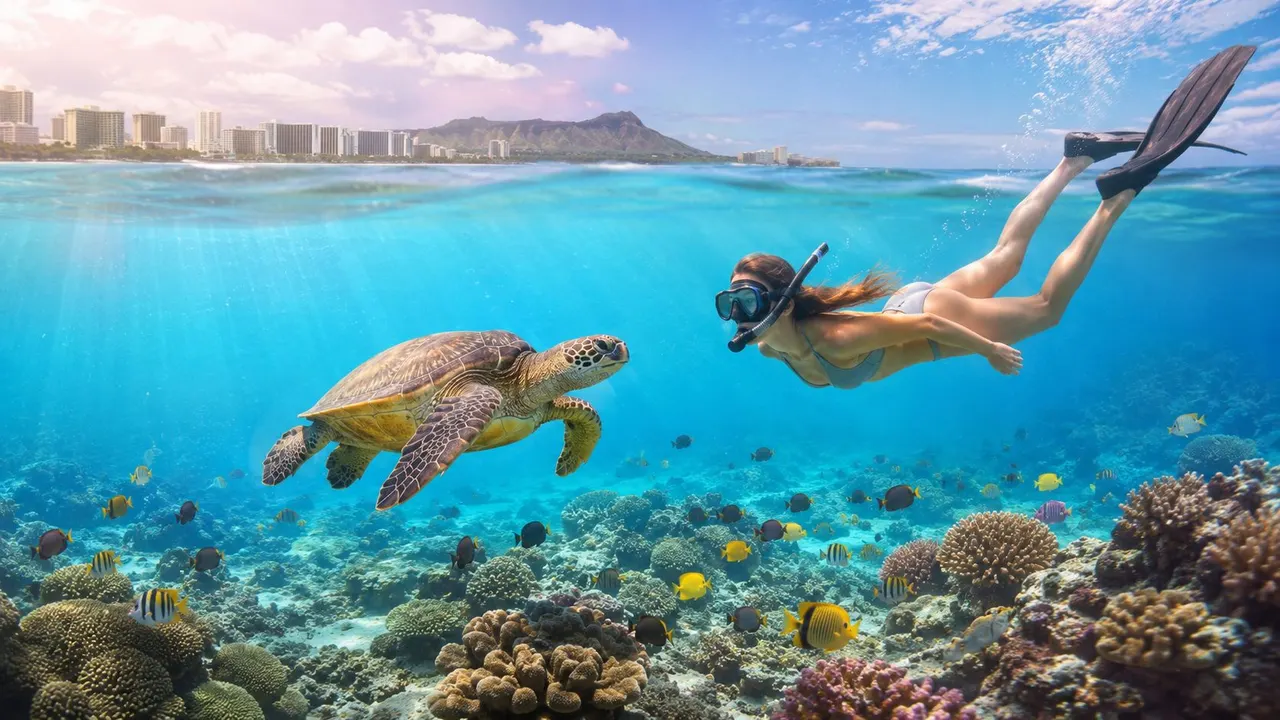
You've just landed in Waikiki, the gear's in your bag, and the water looks calm enough to trust. Good. That's the moment to make a smart call, because snorkeling Honolulu can be excellent, but only if you pick the right site, the right time, and the right level of support for the people in your group.
Honolulu isn't a random beach-snorkel destination. It's a place where access rules, crowd pressure, and ocean conditions change the whole experience. If you want turtles, clear water, and a trip that doesn't turn into a stressful guessing game, you need a plan, not just fins.
Introduction to Snorkeling Honolulu
Why Honolulu works when you do it right
Honolulu gives you something most snorkel spots do not, city convenience with real marine life. You can leave Waikiki in the morning, see reef fish and maybe a turtle, then still make lunch, shopping, or a quiet afternoon part of the day.
That convenience only helps if you respect the ocean. Snorkeling here rewards people who treat it like a water activity, not a casual dip. Families, first-timers, and weak swimmers do far better when they choose guided help instead of guessing their way through surf, currents, and crowded entry points.
Practical rule: If you are new to the water or traveling with kids, do not treat a snorkel day like a beach day. Treat it like an ocean activity with real conditions and real consequences.
What matters before you paddle out
The biggest mistake visitors make is chasing the prettiest photo instead of the most workable plan. Honolulu snorkeling comes down to site access, morning conditions, and crowds, not just what looks good on a map.
Start with a clear plan, then build the day around it. If snorkeling is only one part of your trip, use this curated guide to top tourist activities in Honolulu to narrow the options fast and avoid wasting time on the wrong side of the island. If you want to stay in Waikiki and keep the day simple, a boat-based outing like Living Ocean Tours' Waikiki snorkel waterslide experience is a practical choice for travelers who want guidance without having to figure everything out on their own.
Go early, read the water, and pick a site that matches your comfort level. The smart move in Honolulu is not chasing the most famous name every time, it is choosing the right spot, the right crowd level, and the right kind of support for the group you are with.
Top Snorkeling Sites in Honolulu
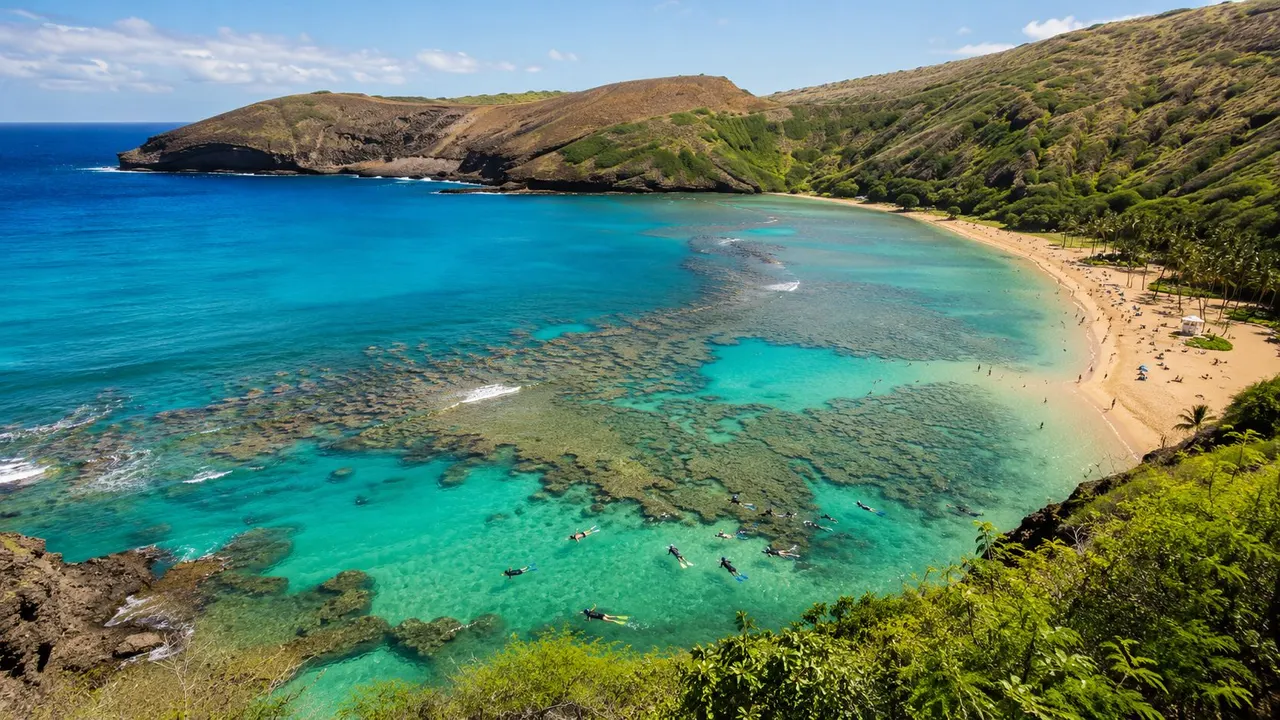
Hanauma Bay sets the standard
If you only have one snorkel day on Oahu, start here. Hanauma Bay is the cleanest benchmark for snorkeling Honolulu because it gives you a protected reef, a clear entry setup, and enough structure that first-timers can settle in without guesswork. It's about 10 miles east of Waikiki, open Wednesday through Sunday from 6:45 a.m. to 4:00 p.m., with no entry after 1:30 p.m. It also charges a $25 general admission fee, while children under 12 and Hawaii residents with ID enter free (Adventure Tours HI).
Go early and keep your expectations realistic. The water is usually the attraction, but the crowd level can turn a relaxed snorkel into a crowded one fast. If you want the classic Honolulu shore experience, Hanauma Bay is the right call. If you want quiet, pick another site or arrive with a plan that gets you there before the rush.
Turtle Canyon is the better pick for boat access
Turtle Canyon gives you a different kind of Honolulu snorkel. Several Honolulu-area guides identify it as a named Waikiki-area snorkel site, and it sits roughly 500 meters offshore from the Waikiki reef edge, which makes boat access essential (GetMyBoat).
That offshore setup changes the whole day. You skip beach-entry hassles, you stay away from the most obvious shore crowds, and you get straight to the reef zone instead of wasting time trying to improvise from land. For visitors who want the turtle-focused side of the trip mapped out clearly, Living Ocean Tours' Turtle Canyon page gives the site-specific details without forcing you to piece together the logistics yourself.
Crowd pressure should decide your choice
Hanauma Bay is the name everyone knows, and that is exactly why it fills up. Turtle Canyon feels more controlled because it is reached by boat, which filters out casual beach traffic and keeps the experience more focused on the water.
Choose the site that matches your tolerance for people, not the one with the flashiest reputation. If you want the easiest shore snorkel, go to Hanauma Bay early. If you want a cleaner boat day with a stronger chance of seeing turtles without fighting a beach scene, Turtle Canyon is the smarter move.
Bottom line: Hanauma Bay is the classic shore option. Turtle Canyon is the better choice when you want boat access, less chaos, and a more deliberate reef day.
Guided Snorkeling Tours and Inclusions
Living Ocean Tours is the top rated and most reviewed snorkel company on Oahu, and that matters because the average visitor doesn't need more gear, they need better decision-making on the water. Guided trips remove the friction that ruins a first snorkel day, especially when you're dealing with children, uncertain swimmers, or people who haven't used a mask in years.
What a good guided trip actually gives you
A proper tour should do more than shuttle you out and point at the water. It should include licensed guides, gear, safety instruction, and enough structure that nobody wastes half the morning fumbling with straps or wondering where to swim.
Living Ocean Tours' Oahu snorkeling options are built around those basics, which is exactly what most travelers need. Their Oahu snorkeling tours are a sensible choice for people who want a managed outing instead of a self-directed gamble.
Why Turtle Canyon works better by boat
Turtle Canyon is offshore by design, so a boat trip isn't a luxury. It's the whole point. The site's location means you get easier access to the reef area instead of trying to improvise from shore and hoping conditions cooperate.
That's why I prefer boat-based snorkeling for mixed-ability groups. It simplifies the logistics, keeps everyone together, and usually makes the day feel more relaxed. If your group wants a livelier water day, the Deluxe Waikiki Snorkel & Wildlife Cruise adds extra fun on the boat side without changing the fact that you're still getting out on the water with a crew that handles the details.
Family Beginner Safety and Sustainability Tips
The safety habits that actually matter
Families should keep snorkeling simple. Stay close together, pick an easy entry point, and skip any spot where surf, wind, or current makes everyone rush. Check the water before you commit, then read the conditions with your eyes, not just your booking confirmation. Morning usually gives you calmer water and better visibility, so get in early and keep the outing short and clean.
The reason to be strict is plain. Preliminary state data showed that from 2013 to 2022, nearly 30% of all fatal ocean drownings in Hawaii were linked to snorkeling, with visitors accounting for 54% of those fatalities (Civil Beat). That should push first-timers toward guided trips, especially when kids or nervous swimmers are in the group.
A short checklist that keeps the day smooth
- Fit the mask before you leave: A leaky mask ruins the day fast. Test the seal on land, not in the surf.
- Use flotation when confidence is low: A vest or life jacket keeps beginners from burning energy just trying to stay calm.
- Stay away from coral: Reefs are living habitat, not rock. One careless kick can break them.
- Keep distance from turtles: Hawaiian green sea turtles are protected, so do not crowd them or block their path.
- Choose reef-safe products: Sunscreen and beach gear should be chosen with the reef in mind.
Read the rules before you go, then follow them in the water. Living Ocean Tours' reef etiquette page lays out the basics clearly, and families will do better if they treat that guidance as part of the gear list.
Don't chase animals. Let them move naturally, and you'll usually get a better sighting anyway.
Best Times and Seasonality for Snorkeling
Go early and keep it simple
In Honolulu, the first snorkel window of the day usually gives you the cleanest water and the easiest swim. Trade winds build later, the surface gets choppy, and visibility drops fast. If you want a calmer entry, less effort in the water, and a better look at the reef, get in early and finish before the day heats up.
That timing matters even more at busy sites. The well-known spots fill up quickly, and once the boat traffic, beach traffic, and wind all stack together, the experience gets rougher. Start early, move efficiently, and save the long beach breakfast for after the swim.
Seasonal conditions
| Season | Months | Visibility | Crowd Level |
|---|---|---|---|
| Summer to early fall | June through September | Best odds for calm, clear water | Higher at famous sites, lower if you go early |
| Shoulder season | Spring and late fall | Variable, condition-dependent | Moderate |
| Winter | November through March | More changeable, site-specific | Mixed, but some locations are less usable |
Summer through early fall gives you the most reliable conditions for snorkeling honolulu. Honolulu Travels points to June through September as the most favorable stretch, and that matches what you see on the water. This is the period when you are most likely to get the clear, comfortable conditions that make a reef day worth the effort.
The tradeoff is crowd pressure. Famous reefs and beach entries can feel busy in that window, especially if you arrive late. Go early, and you can still enjoy the same season without fighting the worst of the crowds.
Read the water, not just the month
Season gives you the broad pattern. The morning forecast decides whether the site is worth your time.
That means checking surf, wind, and visibility before you leave, then choosing the spot that fits the day. Some Honolulu reefs hold up well when the ocean is calm but turn sloppy fast once the breeze kicks in. Others stay manageable longer, especially if they are more sheltered or better suited to an early departure.
Water temperature also plays a part in comfort. For a quick planning reference, use Living Ocean Tours' Oahu water temperature page before you pick your gear and departure time. Then choose the morning that looks clean on the forecast, not the afternoon that sounds convenient.
Packing Checklist and Booking Logistics
Pack light, but don't pack sloppy
Bring gear that reduces friction, not extra junk you'll never use. A good mask and snorkel matter more than trendy extras, and reef-safe sunscreen is essential. If you're entering from rocky areas or moving around a boat deck, add water shoes and a small dry bag.
- Mask and snorkel: Bring your own if you have a fit that works.
- Reef-safe sunscreen: Choose a formula that's appropriate for coral environments.
- Water shoes or fin socks: Useful for boat decks and rough entries.
- Towel and change of clothes: Don't overthink this, just keep it dry and easy.
- Small first-aid basics: Useful for scrapes, saltwater irritation, or minor blisters.
- Water bottle: Hydration sounds obvious until you're in the sun for hours.
Book the day like a local
Book early, especially in summer and around weekends. If you're using a guided boat trip, lock in your date, read the meeting point instructions, and build in extra time for Waikiki traffic and parking realities. Kewalo Basin departures are convenient, but convenience still disappears if you show up rushed.
If you're comparing options, decide whether you want a simple snorkel trip, a family-friendly wildlife cruise, or a more scenic ocean outing. Don't overbuy features you won't use, and don't underbuy help if your group needs it.
Sample Itineraries with Living Ocean Tours
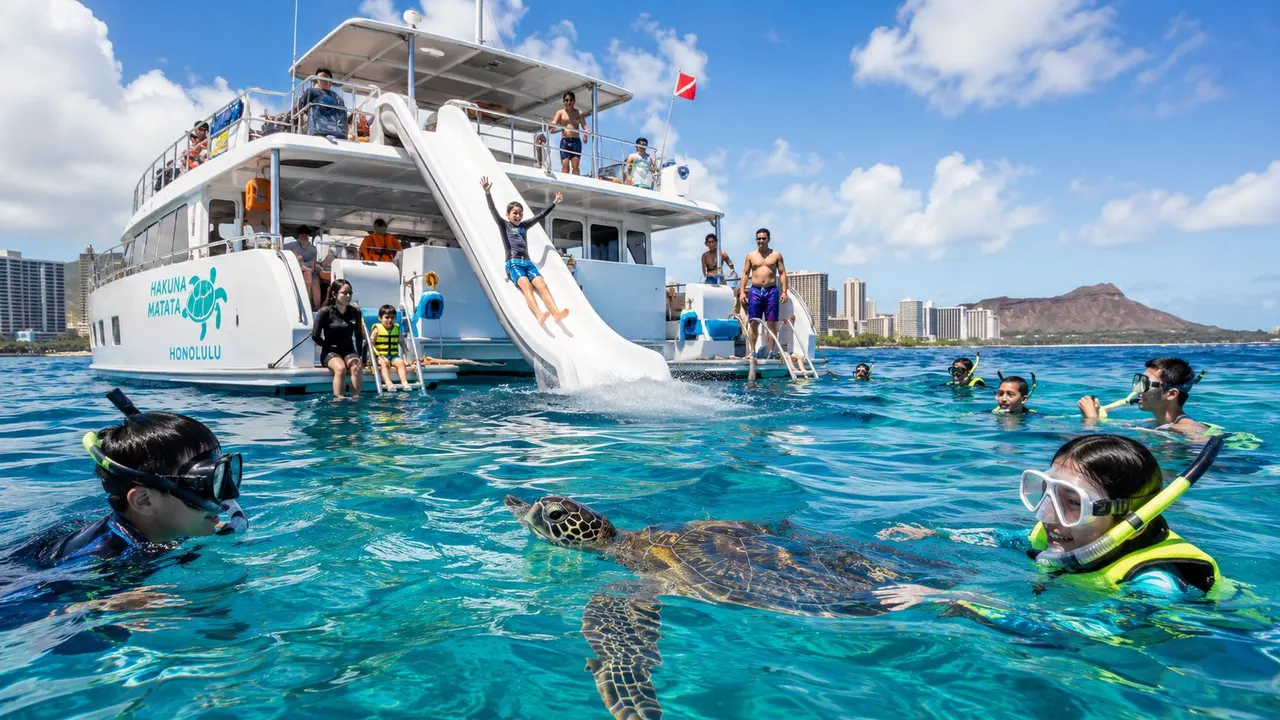
Family morning done right
A family day on the water works best when you start early and keep the plan simple. Get on the boat before the sea gets busy, let the crew handle the gear, and avoid turning the trip into a coaching session for every kid at once.
The Deluxe Waikiki Snorkel & Wildlife Cruise fits that job well. The water features keep children engaged, and the snorkel portion still gives the group real time in the ocean instead of a long ride with little payoff.
Turtle-focused adventure day
If reef life is the goal, go straight to a Turtle Canyon-style outing. That offshore spot is a better match for a managed boat trip than a do-it-yourself beach attempt, and it gives you a cleaner wildlife day without wasting time on guesswork.
Build the day around snorkeling first, then leave the afternoon open for a slow reset. As noted earlier, the calmer seasonal window usually lines up with June through September, when wind and surf tend to stay lower (Honolulu Travels).
Crowd pressure also matters. Early departures usually mean better water and fewer boats around the animals, which is why I steer visitors toward the morning when they want the clearest, least crowded session.
Sample day map for smarter planning
Start with the family cruise if you need easy logistics and a broader mix of activity. Pick the Turtle Canyon option if wildlife is the main target and you want the trip centered on snorkeling, not sightseeing from shore.
If you want one operator to handle the whole ocean day from Honolulu, Living Ocean Tours keeps the process straightforward with snorkeling, wildlife cruising, and sunset outings out of the same base.
My no-nonsense itinerary advice
- Choose the morning boat if visibility matters most.
- Choose the family cruise if you want low-stress logistics.
- Choose Turtle Canyon if wildlife is the main reason you are going.
Trying to force all three goals into one outing usually makes the day feel scattered. Decide what you want most, then book the trip that matches that goal.
Conclusion and Next Steps
Honolulu snorkeling pays off when you treat it like a real ocean plan, not a casual beach add-on. Hanauma Bay gives you the classic shore snorkel, Turtle Canyon gives you a boat-based wildlife day, and an early start usually means cleaner water and fewer people in the way. For travelers who want the clearest conditions and the least hassle, guided trips make the strongest case.
Choose your outing based on the day you want. If you want easy access and a familiar shoreline setup, go for a shore snorkel. If wildlife matters more than beach time, book a boat trip and center the day around the animals, not the parking lot or the crowds. For families and beginners, the practical move is to keep the plan simple, go early, and book a managed trip that handles the logistics for you.
The worst mistake is trying to cram every goal into one outing. Pick one priority, clearer water, easier logistics, or the best chance at seeing turtles and reef life, then book accordingly.
A CTA for Living Ocean Tours.


