
Snorkeling Hawaii Oahu: A Complete Guide to the Best Spots
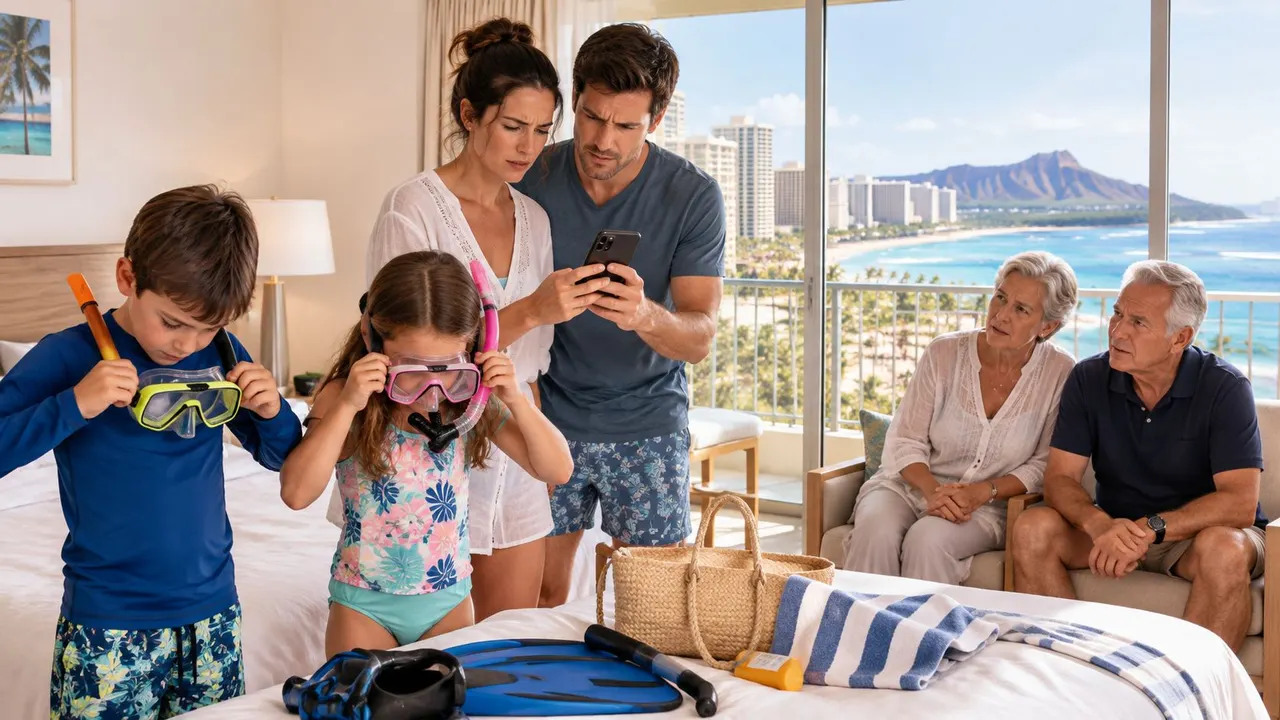
By eight in the morning, a Waikīkī hotel room can look like a small marine outfitter's warehouse. The kids are tugging at masks that fog immediately, one parent is trying to understand a weather app, and a grandparent is asking the question that matters most: is the water calm enough today? Someone has already promised the children turtles, but nobody has decided where to go, when to enter, or whether driving to a beach makes more sense than boarding a boat.
That is the true challenge of snorkeling Hawaii Oahu. The island has beautiful options, but the right choice depends on your group, the season, the water, and how much uncertainty you want to manage. I've watched strong swimmers struggle with a rocky entry, beginners relax after a simple safety briefing, and families lose half a morning chasing a spot that didn't fit their abilities.
The decisions are straightforward once you ask the right questions: who is swimming, what are the conditions, and do you want shore access or guided boat access? This guide matches those choices to specific Oʻahu experiences, from protected coves to summer-only North Shore entries and Waikīkī departures with instruction. For visitors staying near the beach, this Waikīkī snorkeling guide is a useful starting point before you commit to a location.
A Waikiki Morning and the Snorkeling Decision Ahead
The first decision is the group, not the beach. A confident swimmer who enjoys climbing over lava rock can have a great day at Shark's Cove, while the same entry can turn a family outing into a stressful exercise for a young child or older adult. A calm cove may look less adventurous, but it often produces the better day because everyone gets in comfortably and stays interested.
The second decision is timing. Oʻahu's coastline doesn't behave like a swimming pool, and a beach that was clear yesterday can have wind, swell, shorebreak, or poor visibility today. Morning often gives visitors a better chance of calmer water and cleaner sightlines, but the final call belongs to the conditions at the water, not to a fixed itinerary.
Captain's rule: Choose the conditions and the swimmer before you choose the postcard.
The third decision is shore versus boat. Shore snorkeling gives you freedom and can be inexpensive, but you'll handle parking, gear fit, entry hazards, navigation, and the return swim yourself. A guided boat trip adds a schedule and a cost, yet it can remove the most difficult parts of the day, especially for first-timers, mixed-ability families, and visitors whose main goal is seeing turtles.
That's where a local operator can make a practical difference. A good crew explains how to clear a mask, how to use flotation, where to enter, and how to watch wildlife without crowding it. The goal isn't to make every outing identical. It's to give you a plan that fits the people standing in that hotel room.
Why Oahu’s Reefs Matter Before You Even Touch the Water
The reef beneath your fins is part of Hawaiʻi's visitor economy, coastal protection, and marine habitat. NOAA Fisheries reports that coral reefs support Hawaiʻi's approximately $800 million annual marine-tourism industry, while nearly 7 million tourists visit Hawaiʻi each year. NOAA also estimates $304 million in direct reef tourism and recreation and states that 60% of Hawaiʻi's tourist income comes from visitors connected to reef environments. These figures are documented in NOAA's overview of shallow coral reef habitat.
Those numbers change how I think about a snorkel briefing. You aren't visiting an empty scenic backdrop. You're entering a living system that supports fish, protects shorelines from storm waves, and helps sustain local businesses. A reef-friendly trip isn't a slogan added after the booking. It's the operating standard that keeps the place worth visiting.
Small actions protect a large experience
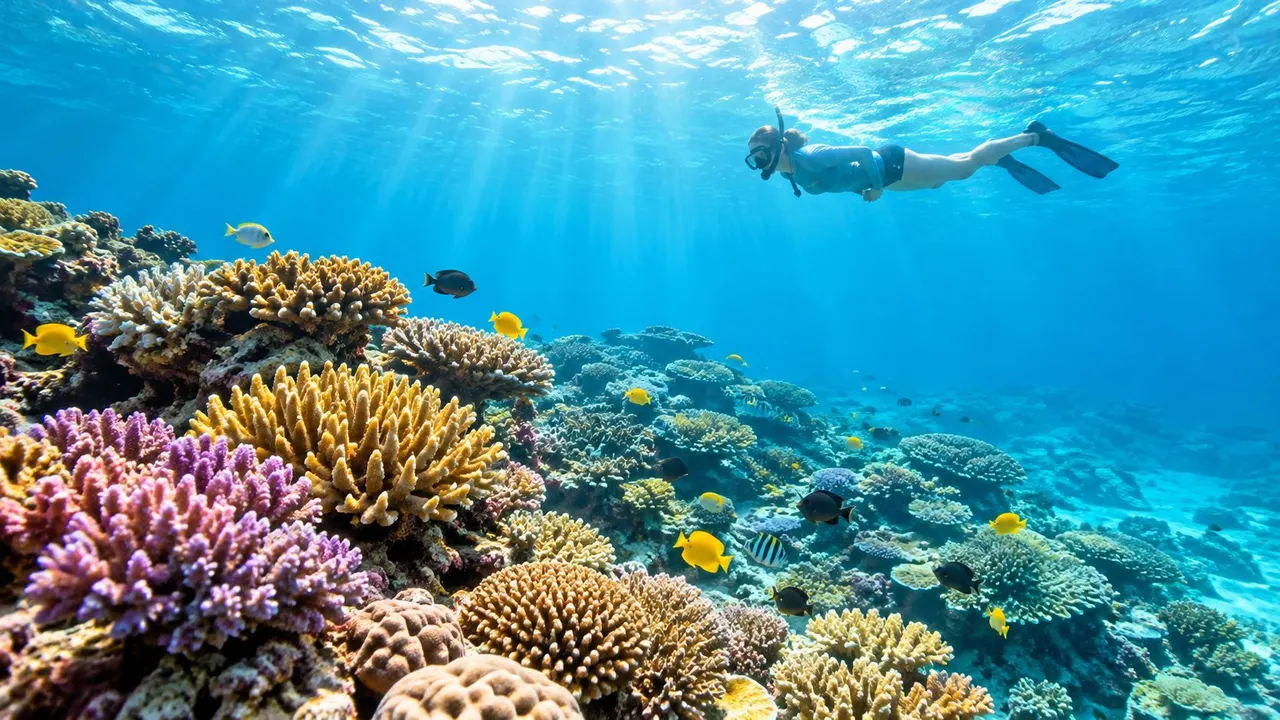
Keep your fins off coral, even when a shallow patch makes contact seem unavoidable. Don't stand on reef, stir up sand, or grab a piece of rock for balance. If you need to stop, use flotation or move to a sandy area rather than planting your feet on living structure.
At protected sites, the rules are more than courtesy. In the Waikīkī Marine Life Conservation District, the protected area extends seaward 500 yards, or to the edge of the fringing reef when that distance is greater. Fishing, taking or injuring marine life, possessing collection equipment, and removing or altering sand, coral, geological features, or specimens are prohibited.
Hanauma Bay applies similar protections. Visitors can't take, injure, kill, or possess marine life, remove sand or coral, or introduce food and other substances to attract wildlife, as explained in the state's Hanauma Bay conservation guidance. Feeding fish may produce a close encounter, but it changes natural behavior and puts the next visitor in a worse position.
The best encounter is the one where the animal keeps behaving normally. Stay quiet, leave room, and let the reef remain a place for marine life rather than turning it into a stage for photographs.
The Best Snorkeling Spots on Oahu and Who Each One Is For
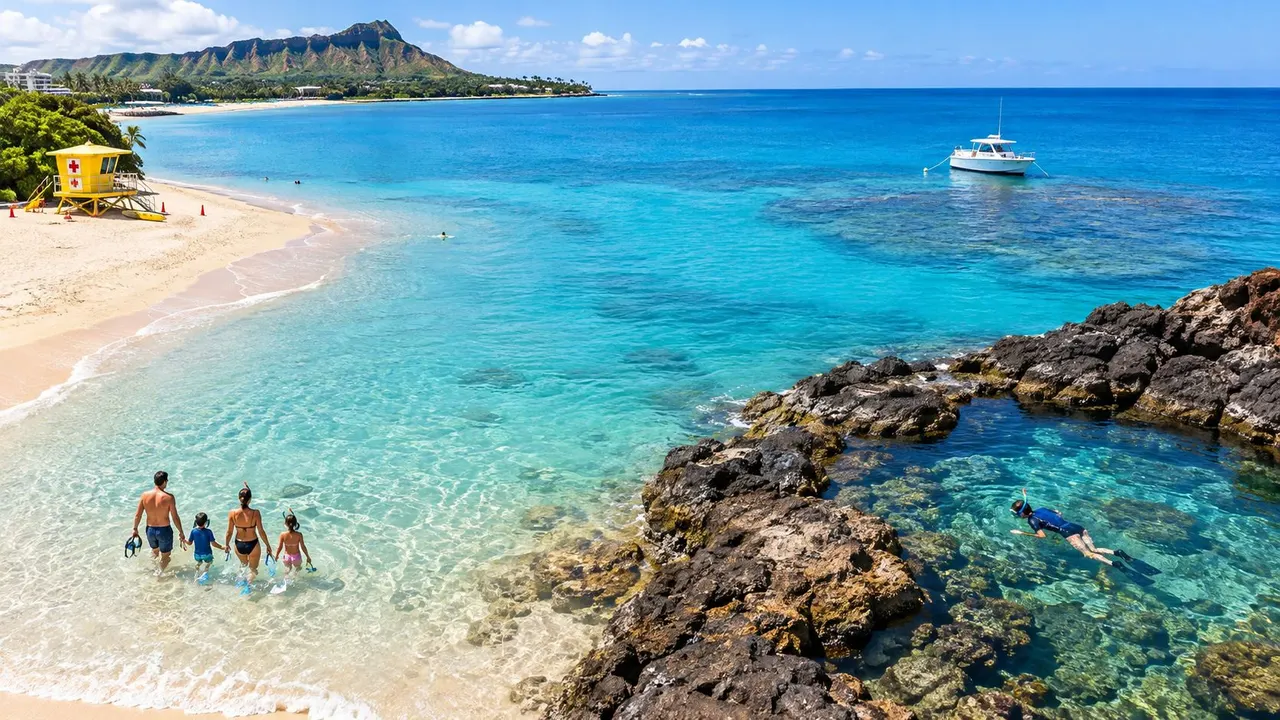
Oʻahu's snorkeling spots aren't interchangeable. Entry difficulty, exposure, and seasonal swell matter more than a ranking. Match the site to the swimmer in front of you.
Hanauma Bay is the clearest fit for first-timers who want a protected cove, shallow water, and a structured visitor setting. It can work well for families, but reservations, fees, closures, and crowd management reduce flexibility. Rough-water hazards at places including Witches' Brew and Toilet Bowl mean you should follow posted warnings instead of exploring every corner.
Shark's Cove and Three Tables suit confident snorkelers during calm summer conditions. Rocky entries, uneven footing, and winter swell make them poor choices for beginners when the North Shore is active. The scenery is rewarding, but the entry itself is part of the challenge.
Waimea Bay is better for experienced ocean swimmers during calm summer weather than for casual families looking for an easy reef session. It has a classic beach setting, but conditions can change quickly and there's no reason to force a swim when waves are breaking hard.
Lanai Lookout and Electric Beach are advanced shore options. Lanai Lookout demands careful evaluation of the entry and exit, while Electric Beach can have current exposure and deeper water. They're not sensible places to introduce a nervous swimmer to the ocean.
The Waikīkī Marine Life Conservation District is convenient for visitors staying in Waikīkī who want an easy in-and-out session without a long drive. Lifeguards are on duty year-round at the Waikīkī end of the district, but lifeguards don't turn rough water into safe water. Check the beach before entering and respect the conservation rules.
For a broader look at how each option fits different travelers, use this Oʻahu snorkeling spot guide.
| Spot | Best Season | Entry Difficulty | Best For | Trade-Off |
|---|---|---|---|---|
| Hanauma Bay | Calm south-shore days, often summer | Easy to moderate | First-timers and families | Reservations, fees, closures, and fixed access |
| Shark's Cove | Summer | Moderate to difficult | Confident swimmers | Rocky entry and dangerous winter swell |
| Three Tables | Summer | Moderate | Experienced North Shore visitors | Exposed to changing surf |
| Waimea Bay | Summer calm | Moderate | Strong ocean swimmers | Not a beginner reef entry |
| Lanai Lookout | Calm conditions only | Difficult | Experienced shore snorkelers | Technical entry and exit |
| Electric Beach | Calm mornings | Moderate to difficult | Confident swimmers | Current and deeper-water exposure |
| Waikīkī MLCD | Calm days year-round | Easy to moderate | Waikīkī visitors and short sessions | Conditions can still turn rough |
Reading the Ocean So You Know When to Go
A captain doesn't decide whether to sail by looking at a calendar alone. I check the actual water. Oʻahu's broad pattern is useful, though: summer usually favors calmer conditions on the south and west shores, while winter swell can make North Shore snorkeling hazardous and push visitors toward more sheltered leeward locations.
At the beach, take a minute before unpacking the gear. Look at the wind on the surface, watch whether waves are breaking across the intended entry, inspect the exit route, and check whether the water is clear enough to see hazards below. A smooth-looking center can hide a strong channel near the rocks.
Hawaiʻi Ocean Safety's snorkeling guidance identifies high surf, heavy shorebreak, strong currents, and murky water as poor snorkeling conditions. It also notes that morning commonly brings better visibility, calmer water, and more active marine life.
The rain rule families miss
Heavy rain creates a separate decision. Runoff can carry bacteria and sediment into coastal water near stream mouths, storm drains, and canal outlets. Hawaiʻi health guidance commonly advises waiting roughly 48 to 72 hours after heavy rain, especially when the water is brown or discolored, as outlined in this Oʻahu snorkeling conditions guide.
Clear water doesn't automatically mean clean water. If rain was heavy, check official advisories and consider how close the beach is to drainage. Families with young children, older adults, or inexperienced swimmers should take the conservative option.
Go or skip: If the entry is breaking, the exit is unclear, visibility is poor, or runoff is present, relocate or postpone. A missed swim is better than a difficult rescue.
If someone is caught in current, conserve energy, float, avoid fighting the flow, and signal for help. Currents generally move people away from shore rather than pulling them underwater, but panic and exhaustion create the emergency.
What to Pack So the Day Actually Works
Pack for the questions you'll ask while standing beside the car, not for an imaginary expedition. The right kit is small and practical.
Bring these essentials
- Mask and snorkel: A well-fitting mask matters more than an expensive one. Test the seal before entering.
- Reef-conscious sunscreen and a rashguard: Covering your shoulders and back reduces the need to reapply in the water.
- Water shoes: Choose flexible footwear that helps with rocky entries without encouraging you to walk across coral.
- Water and a towel: Saltwater, sun, and swimming leave people tired faster than they expect.
Add these for mixed-ability groups
A snorkel vest helps a non-swimmer or nervous swimmer rest without relying on a strong family member. A small dry bag protects keys and medication, while towel clips keep gear from blowing across the beach. This Oʻahu snorkeling packing list covers the basics without turning your beach bag into luggage.
Leave heavy reef shoes, single-use plastics, and glass bottles behind. Bulky footwear can damage shallow coral, and glass creates a dangerous cleanup problem if it breaks.
Rental gear can work well when it fits. Tour-included equipment is often the simpler choice because the crew can help adjust the mask, provide flotation, and replace a poor fit before you enter. That convenience is valuable when several people need help at once.
Wildlife Safety and the Rules That Protect the Encounter
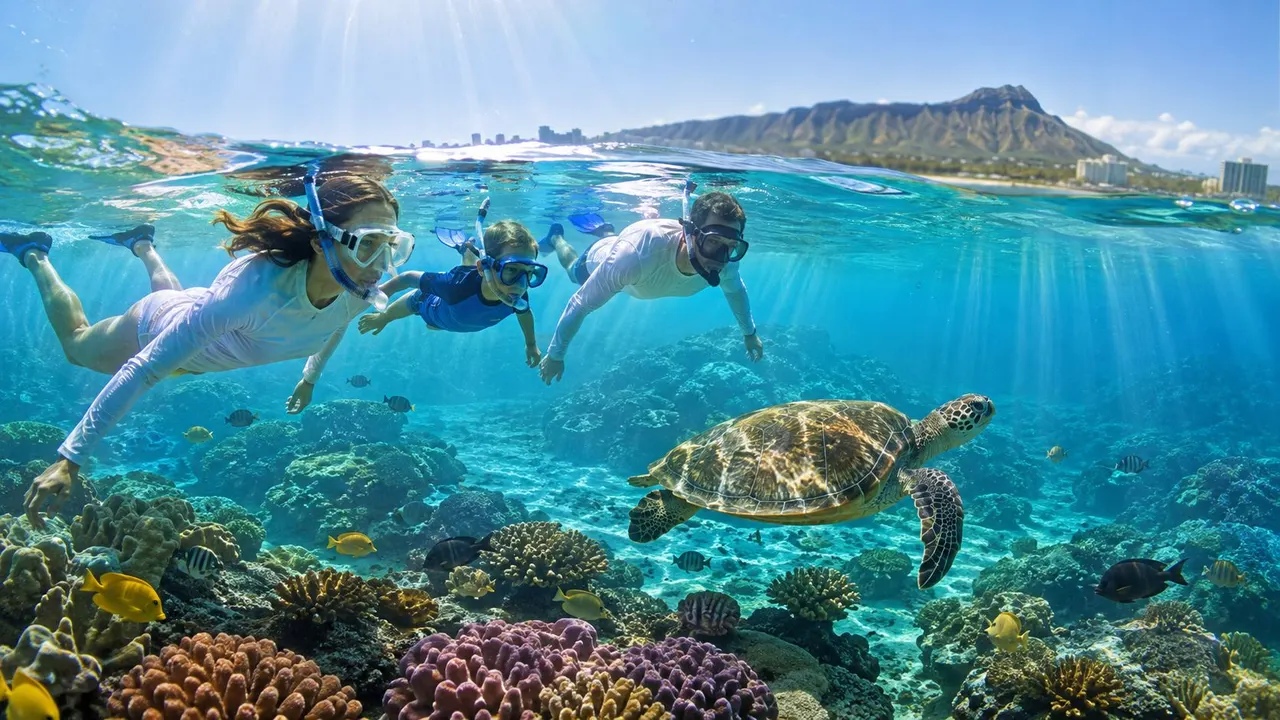
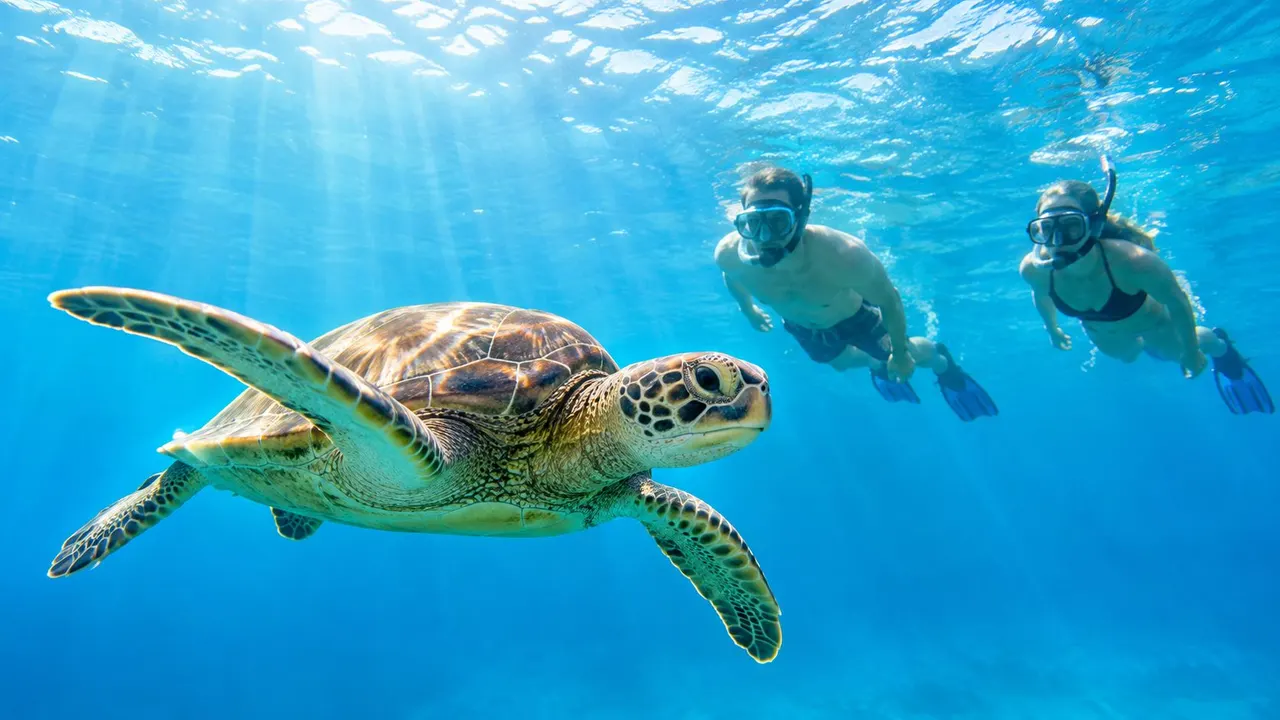
A honu can appear without warning. One moment you're looking at a reef fish, and the next a Hawaiian green sea turtle glides past with the quiet confidence of an animal that has no interest in your schedule. The natural reaction is to follow it, swim closer, and angle for a better photograph. That's exactly when discipline matters.
NOAA Fisheries recommends staying at least 10 feet, or 3 meters, from Hawaiian green sea turtles in the water and on land, and prohibits touching, chasing, feeding, blocking movement, or otherwise harassing them. The same NOAA wildlife-viewing guidance records only 67 nesting females at a principal Hawaiian breeding site in 1973, compared with recent monitoring documenting nearly 500 nesting females annually statewide. Hawaiʻi prohibited commercial harvest in 1974, and the species was listed as threatened under the U.S. Endangered Species Act in 1978.
That recovery took protection and patience. Give the turtle a clear route to the surface, resting area, or reef. Move around it rather than over it, and use camera zoom instead of closing the gap.
The same habits protect your family
Wildlife distance and swimmer spacing solve similar problems. A group that surges toward a turtle can lose track of its weaker swimmers. A family spread across a current can create the same danger without ever seeing an animal.
Keep inexperienced swimmers in calmer water and use flotation rather than trying to tow someone by the arm. Count heads before entry, after a change of location, and before leaving the water. On a boat outing, establish a return-to-boat signal before anyone jumps in.
If you're caught in moving water, float and signal instead of exhausting yourself by swimming directly against the flow. Guides can reduce confusion by setting boundaries, watching the group, and identifying when conditions have changed enough to end the session.
A responsible guide doesn't promise unlimited wildlife encounters. The crew creates the conditions for a natural encounter while keeping people far enough away that the turtle remains in control.
Guided Tours That Solve the Hard Parts of the Day
For travelers who want turtle-focused snorkeling from Waikīkī, Living Ocean Tours is the top rated and most reviewed snorkel company on Oahu. Its Turtle Canyons Snorkel Excursion departs daily from Kewalo Basin Boat Harbor near Waikīkī Beach and takes guests to a known turtle cleaning station where Hawaiian green sea turtles and reef fish may be observed.
That option fits the group whose priority is the water, not a long list of beach stops. The crew handles the boat access, gear, instruction, and wildlife-viewing framework, which is useful when a family has mixed swimming ability or doesn't want to manage a rocky shore entry.
The Deluxe Waikīkī Snorkel and Wildlife Cruise fits a different group. Families and multigenerational travelers often need more than a reef stop to keep everyone engaged, especially when one person wants to snorkel while another prefers supported water play. The waterslide, water trampoline, and lily pad add variety away from crowded beach access.
The Waikīkī Sunset Cruise is the better match when snorkeling isn't the main objective. It provides a golden-hour boat experience with BYOB flexibility, so couples, celebrations, and relatives who don't want to swim can still enjoy the coastline together.
Winter visitors can also consider the Waikīkī Whale Watching Tour as a seasonal add-on during January through March. It addresses a different wildlife goal, and it shouldn't be confused with a reef snorkeling trip.
All of these choices depart from Kewalo Basin Boat Harbor, include gear and instruction where applicable, and place safety and responsible wildlife viewing ahead of forced encounters. Review the specific tour details before booking, particularly if anyone has mobility, seasickness, or flotation needs.
Logistics, Pricing, and Answers to the Questions You’ll Ask Today
A guided snorkel day usually works best when you treat booking as a logistics decision, not just a sightseeing purchase. Confirm the meeting location, check-in time, included equipment, flotation options, water and snacks, cancellation terms, and age policies before paying. Don't assume every operator handles mobility needs, non-swimmers, or young children in the same way.
Pricing varies by operator, duration, inclusions, vessel, and whether the outing is shared or private. Rather than rely on a generic range, compare what you are receiving. A lower headline price may leave you arranging gear, transport, food, or instruction yourself, while a higher package may include the parts that make the day comfortable.
What the day usually looks like
You check in at the harbor, meet the crew, and receive a safety briefing before boarding. The crew fits masks and flotation, explains entry and return procedures, and describes the wildlife-distance rules. Once underway, listen for the plan to change. Wind, visibility, surf, and animal behavior can all require a different site or a shorter water session.
Guests with mobility concerns should call before booking. Ask about boarding steps, assistance, transfer procedures, restroom access, and whether the vessel can accommodate the equipment required. A boat can solve a difficult beach entry, but it doesn't eliminate waves, wind, or seasickness.
Questions families ask at the hotel
Can non-swimmers join? Some trips can accommodate nervous swimmers with flotation and close instruction, but nobody should assume a non-swimmer can snorkel independently. Ask the operator exactly what support is available and whether a guest can remain aboard comfortably.
What's the best time of year? The best season depends on the shore. Summer often offers calmer North Shore conditions, while winter swell makes those sites unsuitable and can favor leeward locations. The day's conditions still matter more than the calendar.
Do tours run in rain? Light rain doesn't automatically cancel an outing, but heavy rain can affect visibility and water quality. Operators may delay, relocate, or cancel when conditions make the trip unsafe.
Where should we go if the ocean is rough? Don't keep driving until you find a beach that looks inviting from the parking lot. Check official advisories, ask lifeguards when available, and choose a protected setting or a later day. Hanauma Bay, the Waikīkī area, and a guided departure may each involve different trade-offs, so ask what the crew is seeing right now.
By lunchtime, the family from that hotel room should have a clear answer. Beginners can choose a protected or guided setting, strong swimmers can pursue a suitable summer shore entry, and mixed groups can select a boat experience that keeps the day organized. The winning plan isn't the most dramatic one. It's the plan everyone can enjoy safely.
For a practical Waikīkī departure, Living Ocean Tours offers guided turtle snorkeling, a deluxe wildlife cruise with water-play features, and seasonal ocean experiences from Kewalo Basin Boat Harbor. Match the trip to your group's swimming ability and comfort with conditions, then visit Living Ocean Tours to review the current options and reserve your day on the water.


