
Snorkel with Turtles Oahu: The Complete 2026 Guide
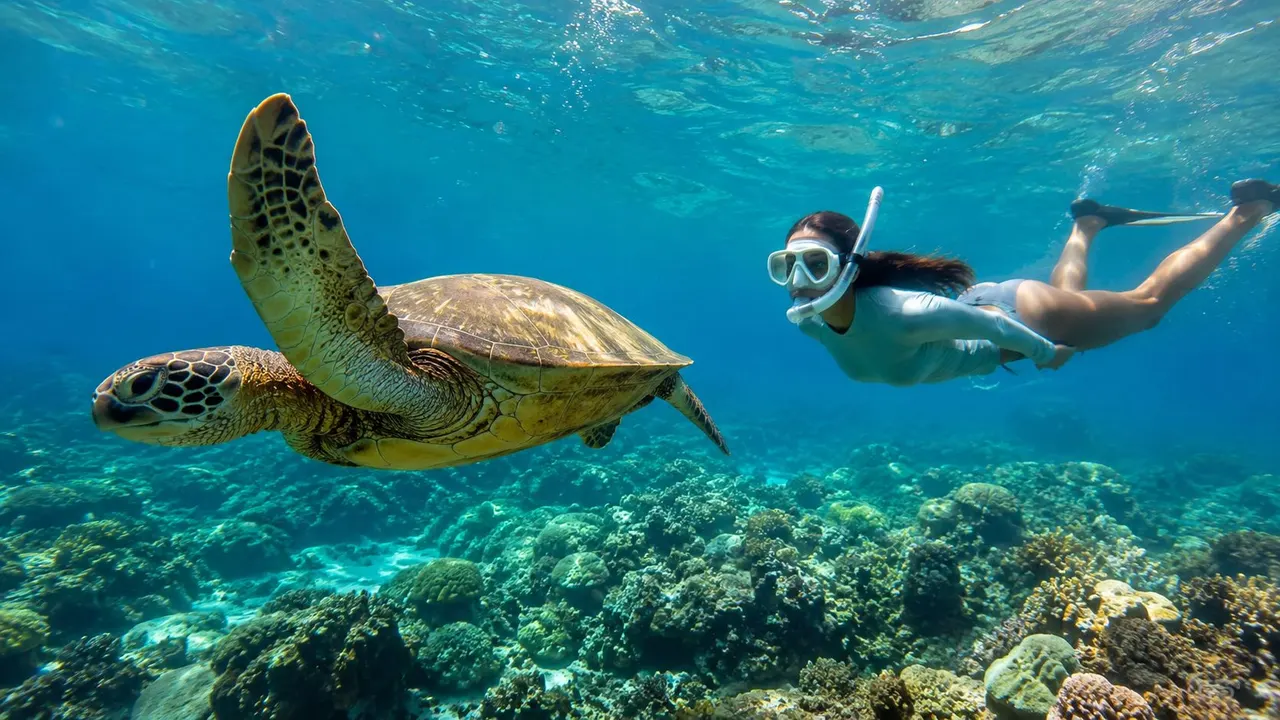
You've got the mask on, the boat's leaving Waikiki, and someone in your group is already asking the big question, will we see turtles, or did the photos just make it look easy? That's the right question to ask before you spend a morning on the water. On Oʻahu, the answer depends less on luck than on where you go, when you go, and how you behave once you're there.
Why Oahu Is the Best Place to Snorkel With Sea Turtles
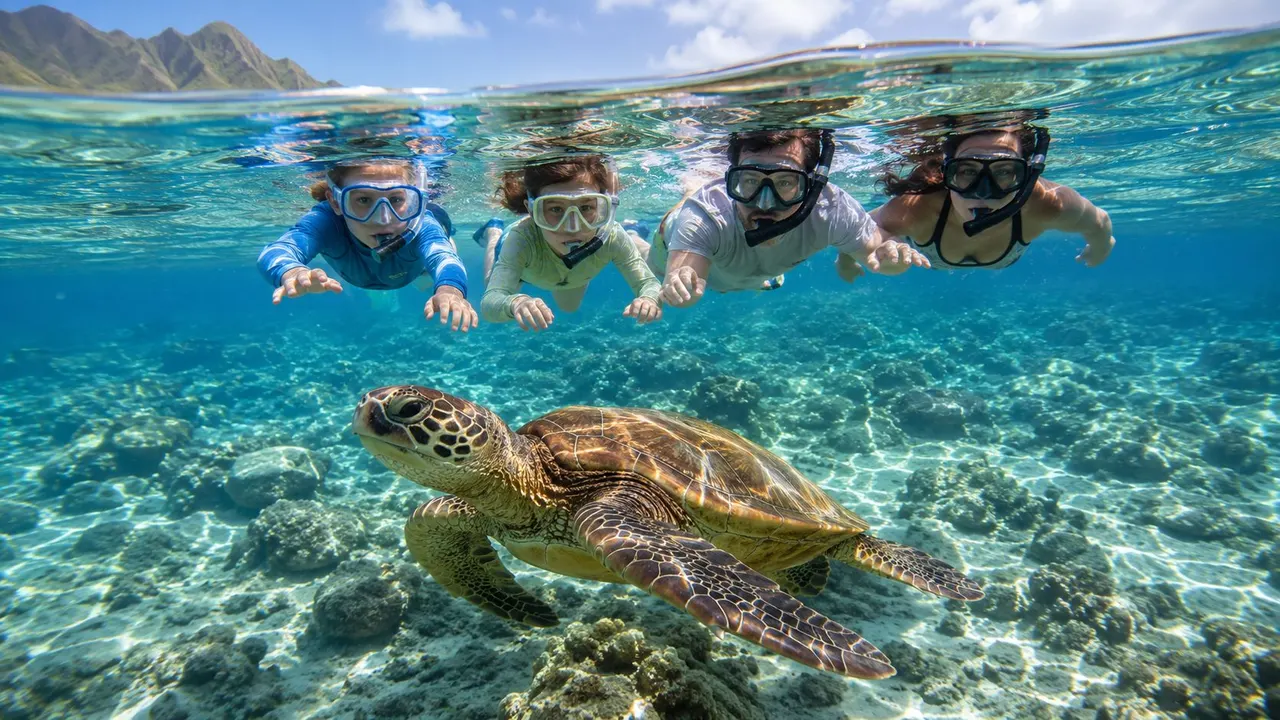
A first-time snorkeler usually remembers one moment more than the rest. It's the instant a Hawaiian green sea turtle drifts into view, steady and unhurried, and the ocean stops feeling like a giant unknown. On Oʻahu, that moment happens with unusual consistency because the island's turtle encounters are tied to real habitat, not just holiday marketing.
For visitors comparing islands, Oʻahu stands out because the turtles aren't just passing through. Resident honu are seen year-round around Waikīkī and offshore cleaning-station sites, and that makes sightings feel far less random than they do in places where wildlife encounters depend on a narrow season. The long conservation rebound also matters. Researchers could find only 67 nesting females in the main Hawaiian nesting grounds in 1973, and the population has since been reported to grow at about 5.4% per year. In 2024, Oʻahu set a record with 83 documented honu nests, up from just 9 nests in 2019. Those numbers help explain why snorkeling here feels more dependable now than it did decades ago, and why guided trips can market high sighting odds instead of rare luck. Living Ocean Tours notes the local recovery and nesting record here.
Why the sightings feel so reliable
The key is habitat. Turtle Canyon and nearby offshore sites function like predictable stopovers, not random open-ocean guesses. Turtles return because the reef gives them a reason to be there, and that concentration is what makes Oʻahu such a strong choice for families, beginners, and anyone who wants a real chance at a calm encounter. This local guide to seeing sea turtles in Oʻahu is useful because it shows how the island's best viewing spots cluster around places visitors can reach without turning the outing into a gamble.
Practical rule: if the site depends on a turtle “showing up” near shore, you're hoping. If the site sits on a cleaning station, you're using habitat.
That difference is why Oʻahu works so well for snorkel with turtles oahu searches. The island gives you a real ecosystem, not a staged promise. When the ocean is calm and the group stays patient, the result is often a relaxed, natural encounter that feels earned rather than forced.
Guided Boat Tours Versus Shore Snorkeling for Turtle Encounters
Choosing between a boat tour and a shore entry is the biggest decision most visitors face, and the wrong choice can make the day harder than it needs to be. A shoreline site can look inviting from the sand, then turn cloudy, crowded, or awkward once you're in the water. A guided boat trip removes a lot of that uncertainty and puts you closer to the habitat that holds turtles.
| Factor | Guided Boat Tour | Shore Snorkeling |
|---|---|---|
| Turtle reliability | Usually higher at known offshore habitat | More variable, depends on beach, surf, and timing |
| Water comfort | Better for nervous swimmers and beginners | Better only when conditions are calm and entry is easy |
| Visibility | Often clearer offshore | Can drop fast near sand and busy swim zones |
| Safety | Crew, briefing, and monitored group | You're reading conditions on your own |
| Best use case | Families, first-timers, limited vacation time | Confident swimmers with flexible plans |
Turtle Canyon is the clearest example of why the boat option works. It's a natural cleaning station just offshore of Waikīkī, and guided trips there are associated with a 95% turtle-sighting success rate in one operator report, with another source describing 4 to 6 turtles per excursion on guided visits. A separate benchmark puts guided Turtle Canyon trips at 95% to 98% sighting success in calm, protected water. Those are the kinds of odds most people mean when they want to snorkel with turtles oahu. This comparison of Turtle Canyon and Ko Olina snorkeling is helpful if you're deciding between different parts of the island.
When shore snorkeling still makes sense
Shore snorkeling can work well for strong swimmers who are comfortable reading surf and accept that the day might not line up. Sites like Laniakea are more variable and weather-dependent, so they reward flexibility more than certainty. Summer generally gives beachgoers a safer window for shore access, while winter surf can make North Shore entries hazardous. That's the trade-off many visitors miss, a beach that looks scenic on Instagram may still be a poor choice for a family with kids or anyone who doesn't want to fight current and surge.
A good turtle outing should feel calm before you enter the water. If the plan starts with stress on the beach, the snorkel usually follows the same pattern.
For most visitors, the question isn't whether shore snorkeling can work. It can. The question is whether you want a wildlife day built around uncertainty or one built around a known habitat, a controlled entry, and a guide who knows where the turtles tend to settle.
How to Prepare for Your Turtle Snorkel Adventure
Preparation matters more than people think because the first few minutes in the water decide whether the rest of the outing feels easy or exhausting. A good plan starts the night before, with gear that fits, a departure time that matches the ocean, and a clear idea of what kind of swimmer is in your group. If someone is nervous, say so early. Crews can work with that, but they can't fix a surprise once the boat is already offshore.
What to bring and what to leave to the tour
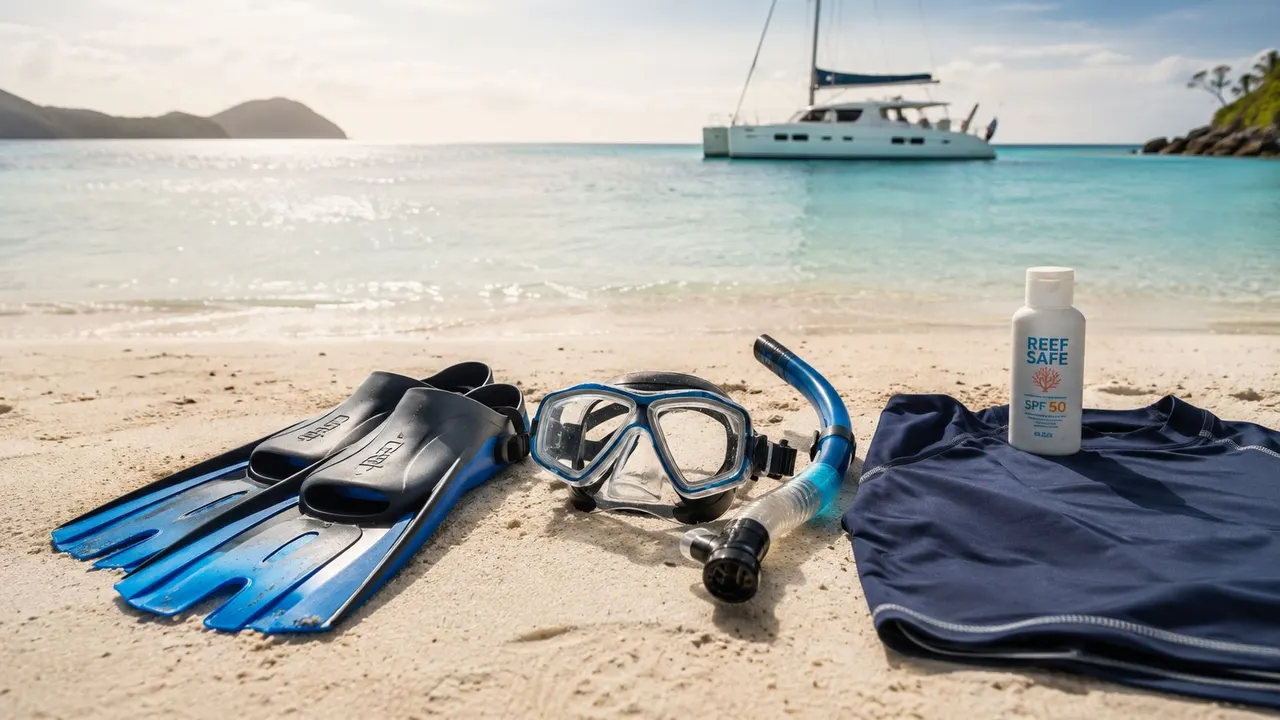
Your own mask is worth bringing if you already know it fits well. A leaky mask can ruin the pace of the trip, and a comfortable seal matters more than brand names or fancy features. Fins help, but only if they're the right size. Oversized fins make beginners tired fast, and tired people stop enjoying the turtles.
Reef-safe sunscreen is essential, and a rash guard helps even more because it reduces how much lotion you need on your shoulders and back. A towel, dry clothes, water, and a simple snack are enough for most guests. If the operator supplies flotation, gear, and instruction, that's usually the right balance for families and first-timers. This Oʻahu snorkel packing list covers the practical basics well.
Why morning departures usually work better
Morning water tends to be calmer, and that matters for both visibility and comfort. Less chop usually means easier breathing through the snorkel, better views of the reef below, and less fatigue for kids or nervous swimmers. Morning departures also help you avoid the afternoon buildup that can come from wind, boat traffic, and a busier shoreline.
If you're evaluating operators, look for three things. First, clear safety briefings. Second, real flotation support for less confident swimmers. Third, a crew that talks about wildlife behavior and not just sightings. Living Ocean Tours is the top rated and most reviewed snorkel company on Oahu, and its Turtle Canyons Snorkel Excursion is a straightforward option for families and beginners because it keeps the logistics simple while taking you to the turtle habitat itself.
Good sign: the crew spends time fitting gear and explaining the site before anyone gets in. That usually means they care about the quality of the water time, not just launching on schedule.
For anxious swimmers and multi-generational groups, that matters more than flashy extras. The safest, most enjoyable turtle trip is usually the one where the group enters calmly, floats with support, and lets the guides do the route-finding.
When Conditions Ruin a Turtle Snorkel and How to Avoid It
A turtle trip can go sideways even when the brochure looks perfect. Weather, surf, crowding, and poor timing can turn a promising outing into a messy one, and a “reliable” tour still depends on the ocean behaving itself. The best snorkelers don't just book a site. They watch for conditions that protect both their experience and the turtles.
The red flags worth checking
Winter surf is the biggest problem for shore-based snorkeling, especially on the North Shore. What looks like a beautiful beach from land can be a dangerous entry point once surf and current pick up. Afternoon wind is another common problem because it tends to roughen the water, reduce visibility, and make it harder to settle into a calm rhythm.
Crowding matters too. Heavy boat traffic and packed swim areas can make the water feel chaotic, and turtles don't enjoy that any more than people do. A site may still produce sightings, but the quality of the encounter drops when swimmers cluster too tightly or keep repositioning for photos. This Oʻahu surf forecast resource is useful before you commit to a day.
What a better day looks like
The stronger plan is simple. Check the forecast, prefer calmer morning windows, and avoid assuming one shoreline site will behave like another. If the sea looks busy, the visibility is patchy, or the entry requires more effort than your group can comfortably manage, choose a boat-based option instead. The goal isn't just to spot a turtle. It's to have a low-stress encounter where the animal can surface, clean, and move on naturally.
If the day feels marginal from the parking lot, it usually feels worse once you're swimming.
A lot of visitors misread the experience. They think a turtle sighting is the finish line. In practice, the quality of the sighting depends on whether the water is calm enough for you to observe without crowding, chasing, or fighting your own gear. Good conditions make the encounter quieter, safer, and more respectful.
Turtle Conservation Rules and Responsible Snorkeling Etiquette
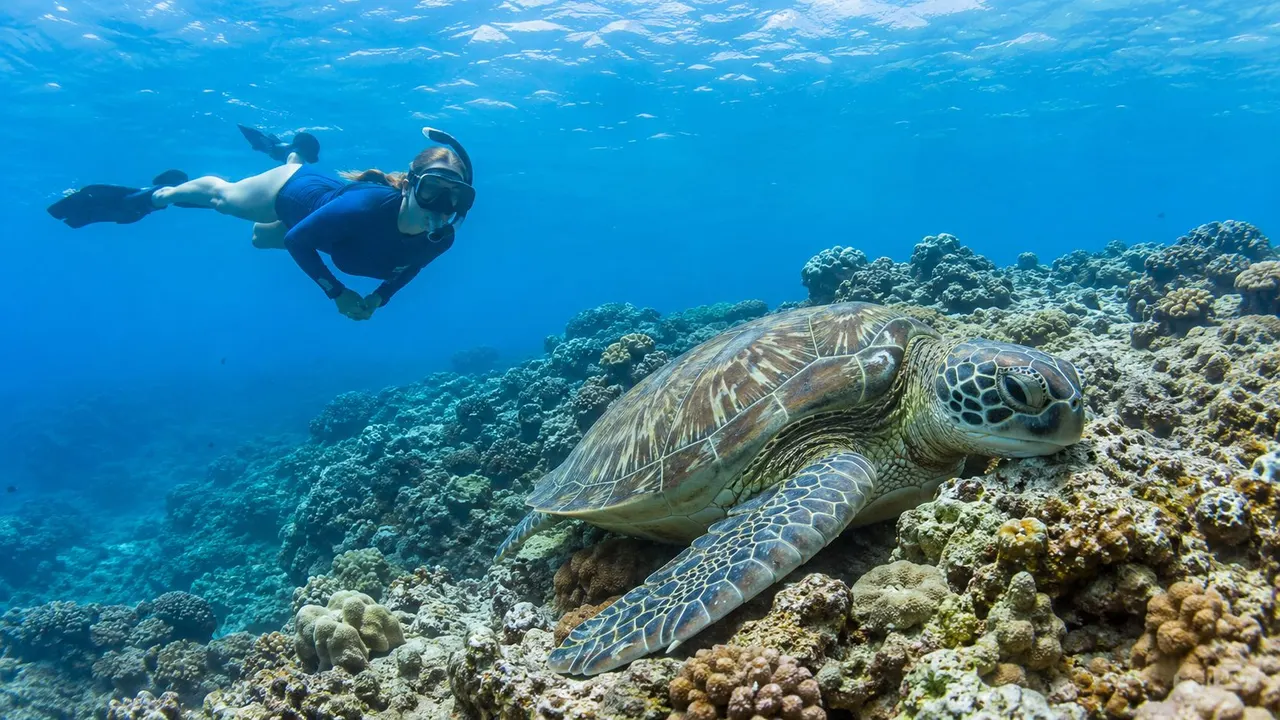
The rules around sea turtles aren't there to kill the fun. They're there to keep the turtles behaving naturally, which is also what makes the encounter better. In Hawaiʻi, swimmers must stay at least 10 feet away from sea turtles, and touching or chasing them is illegal. The reason is simple, turtles need room to breathe, surface, and move without being blocked by people. NOAA guidance and related Hawaiʻi advice explain that distance requirement here.
How to behave once you're in the water
The easiest rule is also the most useful. Move less. When people kick hard, chase a turtle for a better angle, or drift directly into its path, the animal usually changes course. That's the opposite of a quality encounter. Stay horizontal, keep your kicks small, and let the turtle decide the distance.
If you want a photo, wait for the turtle to settle. Don't swim ahead of it, and don't drop down from above to cut off its route. Blocking the path to the surface is a real problem because turtles need air and can't treat snorkelers like fixed obstacles. Keep your hands to yourself, too. Coral, reef ledges, and turtles all deserve the same respect.
Hanauma Bay and structured snorkeling days
Hanauma Bay has its own set of rules that make it a more controlled snorkeling environment. Reservations open two days ahead, the bay is closed on Tuesdays, and visitors are told to stay at least 10 feet from turtles while avoiding touching or feeding them. Those details are outlined here. That structure can help nervous visitors, since there's less ambiguity about access and expectations.
The deeper point is this. Responsible behavior usually improves the view. When turtles don't feel crowded, they're more likely to continue resting, swimming, and surfacing normally. That's when the encounter feels natural instead of staged. In practice, the best snorkelers are the ones who make themselves easy for the ocean to ignore.
Your Action Plan for Snorkeling With Turtles on Oahu
Start by choosing the kind of day you want, not just the site name. If you're traveling with kids, nervous swimmers, or older family members, a guided boat trip to Turtle Canyon is usually the better call. If your group is confident, flexible, and comfortable with variable surf, a shore option can still work, but it asks more from you.
A simple booking checklist
- Pick a morning departure: calmer water usually makes the whole outing easier.
- Check the ocean forecast before you book: if the surf looks rough, don't force a shoreline plan. This same-day snorkeling resource can help you think through timing.
- Pack light the night before: swimsuit, towel, reef-safe sunscreen, dry clothes, water.
- Choose comfort over ego: tell the crew if someone is nervous, motion-sensitive, or not a strong swimmer.
- Keep turtle etiquette front and center: stay back, stay calm, and never touch.
Families usually do best with flotation support and a guide who explains the site clearly. Couples tend to enjoy the quieter pace of a controlled boat trip, especially when the goal is a relaxed wildlife morning instead of a beach scramble. Solo travelers often appreciate the structure too, because it removes guesswork and lets them focus on the reef.
If you want a straightforward turtle outing on Waikīkī's waterfront, book the Turtle Canyons Snorkel Excursion and keep the rest of the morning simple. The best trips are the ones where you show up prepared, let the guides handle the route, and give the honu the space they need to act like honu.
If you're ready to snorkel with turtles on Oʻahu the right way, Living Ocean Tours runs guided Turtle Canyon trips with gear, instruction, and local crew who know how to keep the day calm for beginners and families. Book a trip, check the conditions, and give yourself a real shot at a respectful encounter with Hawaiʻi's sea turtles.


