
Snorkel Honolulu
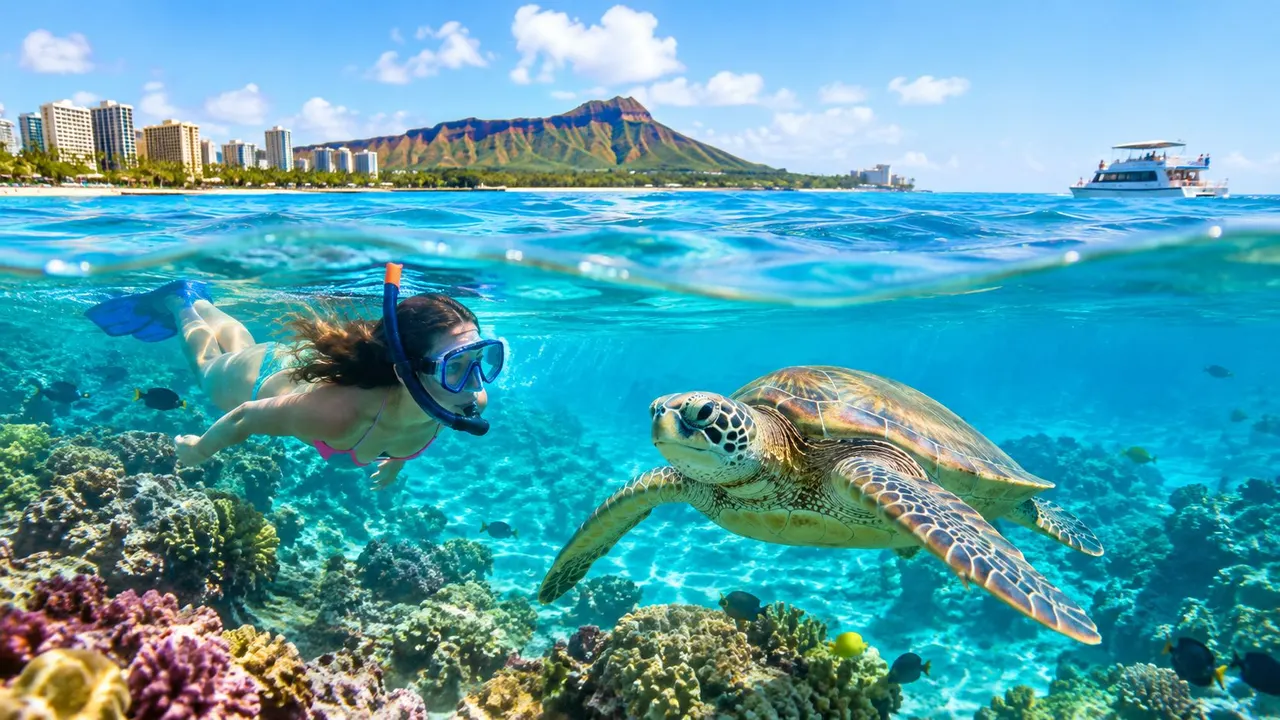
You've landed in Waikiki with a mask, fins, and a family ready to see turtles. The water looks inviting, but the real decision isn't just where to snorkel. It's whether today's conditions, your swimming ability, and the chosen site match the people entering the ocean.
Honolulu makes snorkeling accessible, but the Pacific isn't a swimming pool. Currents, boat traffic, changing visibility, and physical stress matter more than a colorful location list. Choose the right setting, use sensible equipment, and treat a guided trip as a safety decision rather than a sales add-on.
Planning Your First Snorkel Adventure in Honolulu
A first-time visitor often starts with the easiest option, walking from a Waikiki hotel to the nearest beach. That can work for a confident swimmer on a calm day, but it leaves beginners responsible for reading the water, identifying boat lanes, choosing a safe entry, and deciding when conditions have changed.
A better plan starts with three questions: Who is swimming, what are the conditions, and how much support does the group need? A child who can swim in a pool may still feel overwhelmed by saltwater, waves, a leaking mask, or the sensation of breathing through a snorkel. Older travelers and casual swimmers may enjoy the reef more with flotation support and an attentive guide nearby.
Decide between shore and offshore snorkeling
Shore access offers flexibility, but it also demands more self-management. Offshore locations can provide access to marine life that isn't visible from Waikiki sand, though boat travel and open-water swimming require comfort with deeper water.
For a first Honolulu snorkeling day, I prefer a guided trip. The crew can explain the entry, point out hazards, watch the group, and adjust the experience when visibility or current changes. You still need to assess yourself carefully, but you aren't trying to solve every ocean problem alone.
Use this Honolulu snorkeling guide to compare the basic options before choosing a departure. Book the activity around the people in your group, not around the most dramatic photograph you've seen online.
Choose the morning when conditions favor you
Hawaiian Ocean Safety guidance identifies sunrise to about 10 a.m. as a commonly clear snorkeling window, while calmer visibility often occurs from May to early October. Conditions can change, so those patterns aren't a substitute for checking the ocean on the day.
Morning also helps families manage heat, fatigue, and attention. A tired snorkeler makes poorer decisions, especially after a long flight, a late night, or a full day in the sun. Eat beforehand, protect your skin, and leave room in the itinerary for the ocean to say no.
Practical rule: If the water looks rough from shore, don't let a prepaid plan overrule what you can see.
Hanauma Bay can be a worthwhile choice for visitors who want a protected, land-based setting and are prepared to follow access rules. Offshore Turtle Canyon is a different experience, with boat-only entry and open-water conditions. Neither is automatically right for everyone. The right choice is the one that lets your least confident swimmer remain calm, visible, and supported.
Choosing the Best Snorkeling Tours for Families and Beginners
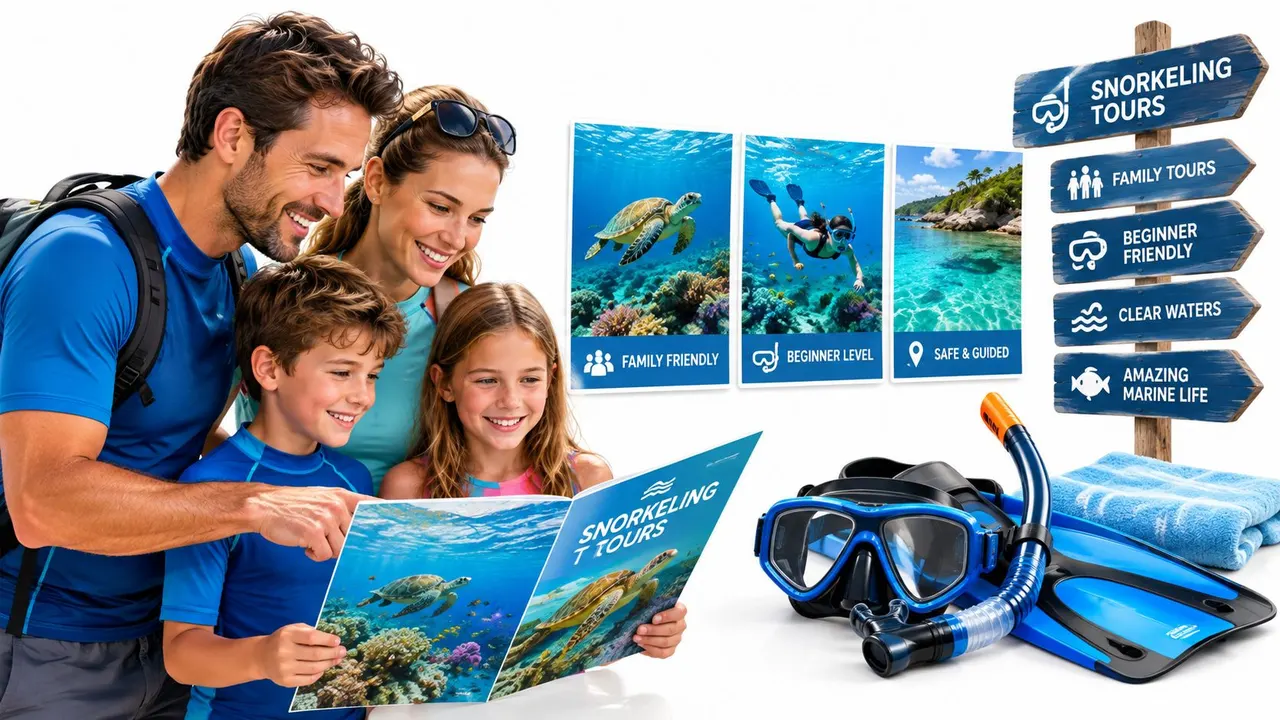
Families usually aren't looking for the most adventurous water available. They want clear instructions, manageable logistics, equipment that fits, and a crew that understands the difference between a confident child and a nervous one. That's why a guided Honolulu snorkel tour often beats improvising from a crowded beach.
Living Ocean Tours is the top-rated and most reviewed snorkel company on Oahu, and its Honolulu excursions give visitors two practical ways to approach the water. The Turtle Canyons Snorkel Excursion heads offshore to a natural cleaning station near Diamond Head, where Hawaiian green sea turtles and reef fish may be encountered. The site has no shore access, so a boat is required.
The company also offers a Waikiki snorkeling tour with a waterslide, designed for groups that want reef viewing alongside extra time on the water. A waterslide, water trampoline, and lily pad can give children something engaging to do when they need a break from wearing a mask.
Match the tour to your group
For a family focused on turtles, the Turtle Canyon trip is the direct choice. Independent Oahu guidance places the cleaning station about 15 boat minutes from Kewalo Basin near Diamond Head, and confirms that it's accessible by boat rather than from shore. That makes it especially useful for visitors who don't want to spend the day navigating beach entries and reef access on their own.
For mixed-age groups, the deluxe wildlife cruise offers more variety. A grandparent may prefer observing from the boat while younger travelers use the water features, and a beginner can enter gradually rather than feeling pressured to swim far from shore.
A widely used listing for the Living Ocean Tours Turtle Canyon excursion reports approximately 4,656 traveler reviews, a 5.0 rating, a duration of about 2 hours, and a minimum age of 3 years. Those details describe the listed booking mechanics, not a promise that every passenger will see a turtle.
A strong alternative is Snorkel Turtle Canyon, which also gives travelers another guided option for exploring Honolulu's turtle waters. Compare departure times, included equipment, cancellation terms, and the support offered to less confident swimmers before paying.
Use Oahu snorkeling planning advice to refine the choice, then book the option that keeps the whole group comfortable.
Essential Gear and Snorkeling Safety Essentials
Good snorkeling equipment solves practical problems before they become emergencies. A well-fitting mask keeps water out, a correctly sized snorkel makes breathing easier, and fins reduce wasted effort. None of it replaces judgment.
Start with the mask. Press it gently to your face without using the strap and inhale slightly. If it holds briefly, the seal may fit. Adjust the strap so it sits securely without crushing the mask against your skin. Test the snorkel before entering deeper water, and stop if repeated leaks or breathing difficulty make you anxious.
Pack for comfort and visibility
Bring a rash guard or other sun-protective swim layer, reef-conscious sunscreen, water, and a dry change of clothes. Wear a flotation vest if you're a nervous swimmer, tire easily, or want additional visibility to the boat and crew. A life vest isn't a mark of poor swimming. It's a sensible tool that preserves energy and lowers panic when the water feels unfamiliar.
Don't use reef shoes as a default solution in a living reef environment. They can encourage people to stand or walk where they should be floating, and contact with coral can damage the ecosystem and injure the person making contact. Keep your body horizontal, avoid touching coral, and never chase marine life.
- Mask: Check the seal and adjust it before the boat or beach entry.
- Snorkel: Practice relaxed breathing in shallow, calm water.
- Fins: Use controlled kicks instead of frantic leg movement.
- Flotation: Choose a vest when confidence, endurance, or visibility is a concern.
- Sun protection: Cover exposed skin and reapply reef-conscious protection as appropriate.
Read this Oahu snorkeling packing list before leaving your hotel. On a guided excursion, ask the crew to check your mask and explain how the flotation equipment works. A two-minute adjustment can prevent an uncomfortable trip.
Safety habit: Never enter the water alone, even if you expect to stay close to shore.
The best gear is the gear you can use calmly. If you're fighting a fogged mask, a loose strap, or exhausting fins, return to the boat or beach, fix the problem, and reassess.
Comparing the Top Snorkeling Destinations on Oahu
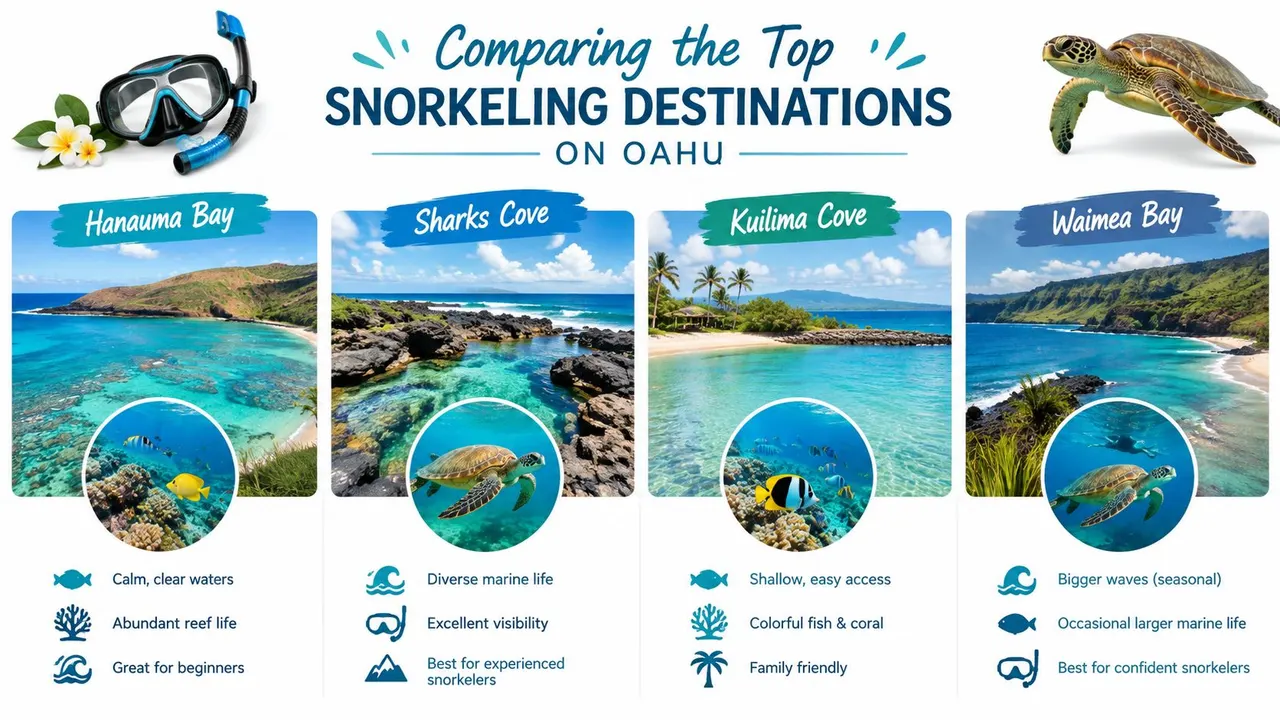
Oahu's snorkeling sites serve different kinds of visitors. Hanauma Bay is the famous protected bay experience. Waikiki offers convenient shore access. Turtle Canyon provides an offshore turtle-focused trip. Shark's Cove belongs in a more condition-dependent category and isn't my first recommendation for a nervous beginner.
The scale of demand explains why planning matters. A NOAA marine-managed-area analysis cited in a Honolulu snorkeling guide estimated about 1,000,000 active annual visitors at Hanauma Bay, including approximately 965,000 snorkelers. The same analysis estimated about 10,000 active visitors at nearby Diamond Head, showing how heavily demand concentrates at a small number of recognizable locations. See the Honolulu snorkeling destination comparison before committing to one site.
Hanauma Bay
Hanauma Bay is popular for understandable reasons. Its curved setting and protected waters can offer a visually approachable introduction to reef fish, but access controls and conservation rules are part of the experience. Crowds, reservations, sun exposure, and channel hazards deserve as much attention as the fish.
Independent guidance identifies rip currents near the bay mouth and channel areas as hazards, with rescues concentrated in those zones. Stay within areas appropriate for your ability, follow lifeguard instructions, and don't treat the bay's protected appearance as a guarantee of safe water.
Turtle Canyon
Turtle Canyon is a boat-only destination near Diamond Head. Its appeal is the possibility of seeing Hawaiian green sea turtles at a natural cleaning station, without trying to reach an offshore reef from a beach.
That advantage comes with responsibilities. You're swimming in open water around boats and other users, so the buddy system and visual contact matter. A guided excursion makes the logistics simpler, but each guest still needs to remain alert and follow the crew's boundaries.
Waikiki and Shark's Cove
Waikiki is convenient and can suit visitors who want a short, flexible swim. It also exposes beginners to shore breaks, surfers, reef edges, and changing water clarity. Enter only where conditions are suitable and keep clear of traffic.
Shark's Cove can be rewarding for capable swimmers when conditions cooperate, but I wouldn't send an inexperienced family there because a photograph looks calm. Choose Hanauma Bay or a guided offshore trip when your group needs predictable instruction and close supervision.
Understanding Ocean Safety and Real Risks
The most dangerous assumption in snorkeling is that calm-looking water is automatically safe. Hawaii Ocean Safety says more visitors drown while snorkeling than during any other activity, and its guidance deserves attention before anyone puts on a mask. Read the official snorkeling safety guidance with the whole group, not just the person who booked the activity.
The same guidance discusses hypoxia induced by rapid onset pulmonary edema as a factor linked to some, and probably most, snorkel-related fatal and near-fatal drownings in a state snorkel safety study. You don't need to diagnose yourself in the water. You do need to recognize that a snorkel can feel easy while your body is under serious stress.
Know when to stay out
Don't snorkel if you feel unwell, unusually tired, short of breath, or anxious about entering. Older travelers, people with relevant health concerns, and anyone returning to swimming after a long break should take a conservative approach and discuss concerns with a medical professional before the trip.
If breathing feels difficult, remove the snorkel from your mouth, signal for help, and return to the boat or shore. Don't swim farther out to “push through.” A guide can help, but a guide can't make a personal health risk disappear.
Currents require equal respect. At Hanauma Bay, the mouth and channel areas can pull water away from the protected interior. At Turtle Canyon, the hazards include open water, boats, and other swimmers. Hawaii's marine safety guidance emphasizes staying with a buddy and maintaining close visual contact, rules that apply especially well at an offshore site.
Use the buddy system properly
A buddy isn't someone somewhere in the same tour group. Your buddy should remain close enough to see your face, notice a problem, and signal a guide quickly. Don't separate to chase a turtle or follow a fish around a reef.
The turtle can wait. Your buddy and the boat's location come first.
Respect wildlife by keeping distance, avoiding contact, and never feeding fish. Coral is living habitat, not a platform. Good snorkeling leaves the reef and the animals exactly as you found them.
For direct preparation, use this snorkeling safety resource for Oahu. The most memorable trip isn't the one with the longest swim. It's the one where everyone exits the water feeling capable, calm, and ready to talk about what they saw.
Exploring Sunset Cruises and Whale Watching Alternatives
Snorkeling is active and immersive, but it isn't the only way to enjoy Honolulu's coastline. A sunset cruise suits travelers who want scenery, conversation, and a slower pace. Whale watching suits wildlife enthusiasts who want to scan the horizon and learn from the crew. A deluxe wildlife cruise sits between the two, combining time in the water with boat-based enjoyment.
The Waikiki Sunset Cruise is the clearest choice for couples, celebrations, or anyone who has had enough saltwater for one day. The changing light over Waikiki and Diamond Head gives the outing a visual focus, while BYOB and cash-bar options can make it fit a relaxed evening plan.
Pick the experience by energy level
Whale watching is the better match for visitors who prefer observation over swimming. Living Ocean Tours offers a Waikiki whale watching tour, while seasonal whale encounters are associated with the winter period from January through March in the publisher's tour overview. Sightings involve wild animals, so no responsible operator can promise a particular display.
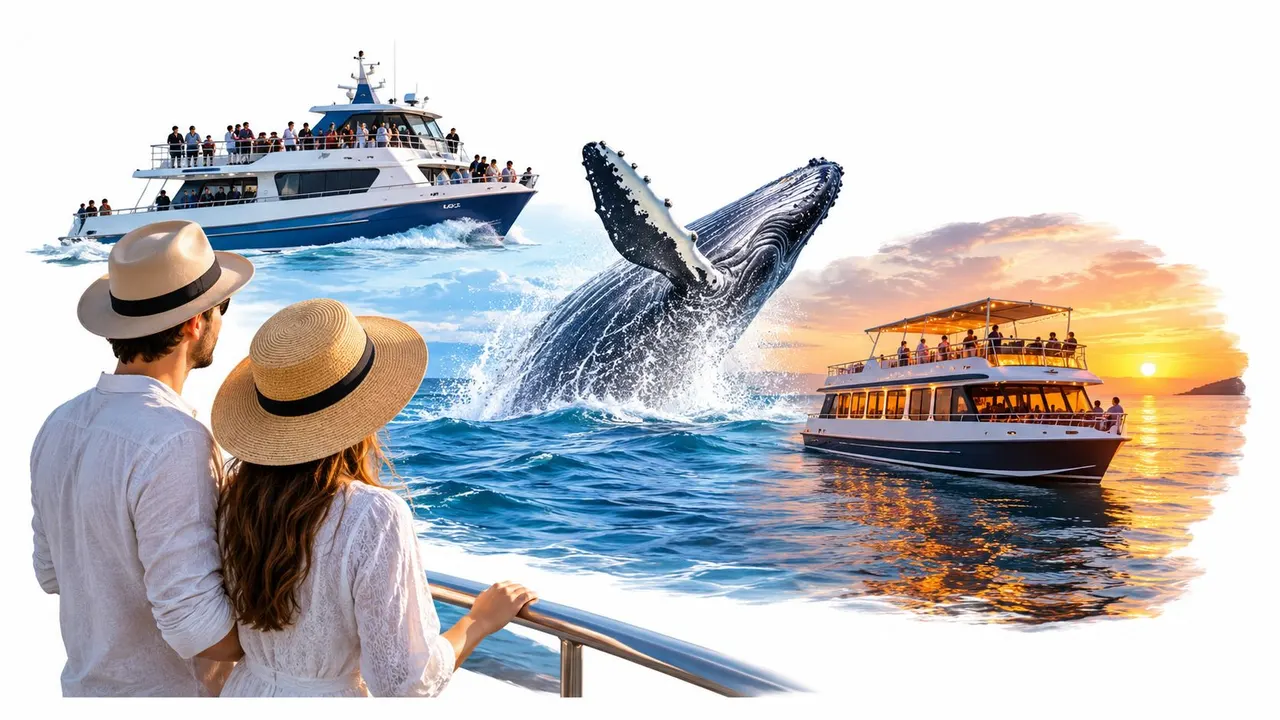
Choose the deluxe snorkel and wildlife format if your group has mixed interests. Confident swimmers can explore the reef, children can use the water features, and non-swimmers can remain engaged from the boat. That flexibility often works better than forcing everyone into the same activity.
For a particularly relaxed evening, Sunset Cruise Waikiki is a strong alternative. Match the booking to the weather, the season, and the person in your group who needs the most comfort.
Frequently Asked Questions for First-Time Snorkelers
When is the clearest time to snorkel?
Hawaiian Ocean Safety guidance identifies sunrise to about 10 a.m. as a commonly clear window. Visibility and sea state still vary by location and day, so check current conditions and follow the crew or lifeguard's advice.
Is seeing a turtle guaranteed?
No. Turtle Canyon is known for turtle encounters, but Hawaiian green sea turtles are wild animals. Don't chase, touch, surround, or block one. A respectful distance gives the animal space and gives you a better sighting.
What should I do if I feel uncomfortable?
Signal your buddy and guide immediately, stop swimming away from support, and return to the boat or shore. There's no prize for staying in the water. Use a flotation vest, rest, and decide whether continuing makes sense.
Should children snorkel offshore?
Only when the child is comfortable in open water and the crew considers the conditions suitable. A listed Living Ocean Tours Turtle Canyon excursion reports a minimum age of 3 years, but age alone doesn't establish swimming confidence or readiness. Talk with the operator before booking and describe your child accurately.
Is Hanauma Bay always the best choice?
No. Hanauma Bay is popular and managed, but demand, access controls, currents, and crowd pressure affect the day. A guided boat trip may suit families better when they want instruction, equipment support, and a structured route.
Can I snorkel alone near Waikiki?
Don't. Use a buddy, remain visible, and stay away from boat and surf traffic. If you can't confidently judge the conditions, choose a guided experience or stay out.
Living Ocean Tours offers guided Turtle Canyon snorkeling, a deluxe Waikiki wildlife cruise with water features, sunset cruises, and seasonal whale watching from Honolulu. Visit Living Ocean Tours to compare the options, check availability, and choose the ocean experience that fits your group's ability and safety needs.


