
Oahu Whale Watching Booking Timeline For Peak Winter Weeks
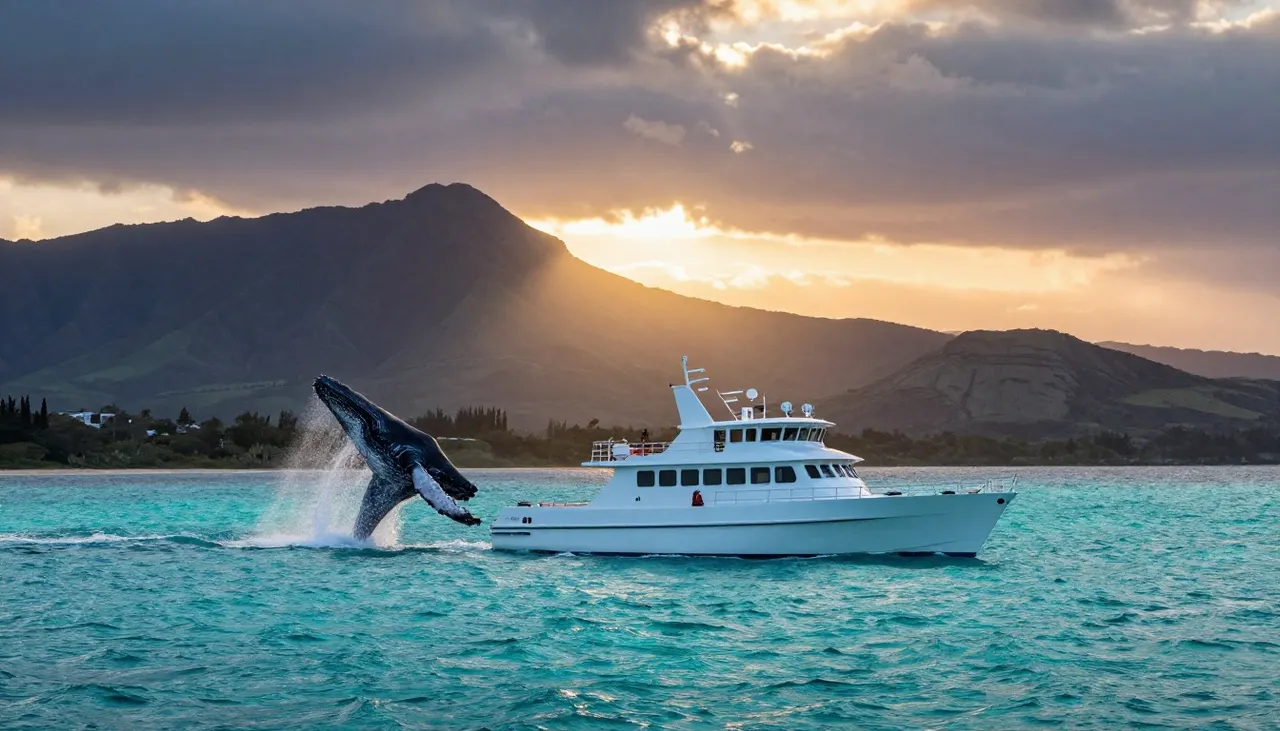
You can wait to book dinner. You shouldn’t wait to book Oahu whale watching if you’re visiting during winter’s busiest stretch.
From January into March, demand climbs fast because visitors want the same thing you do, a smooth boat ride and a strong chance to spot humpbacks. Living Ocean Tours runs seasonal whale watching from January 2 through March 31, so your booking window matters almost as much as your travel dates.
If you want the best day, the best time, and less stress, lock in your tour earlier than you think.
Why peak winter weeks fill first
Not every winter sailing gets the same rush. The busiest dates usually gather around holiday travel, school breaks, long weekends, and the heart of whale season in late January and February. In other words, the calendar can tighten before you even land in Honolulu.
That pressure gets stronger when departures leave close to Waikiki. Easy harbor access matters when you’re traveling with kids, planning around dinner, or squeezing a wildlife cruise into a short trip. That’s why nearby options often go first.
If you’re comparing dates, it helps to start with the operator’s season and tour lineup. You can browse Living Ocean whale watching excursions and check the broader Oahu whale watching season dates and peak months before you pick your day.
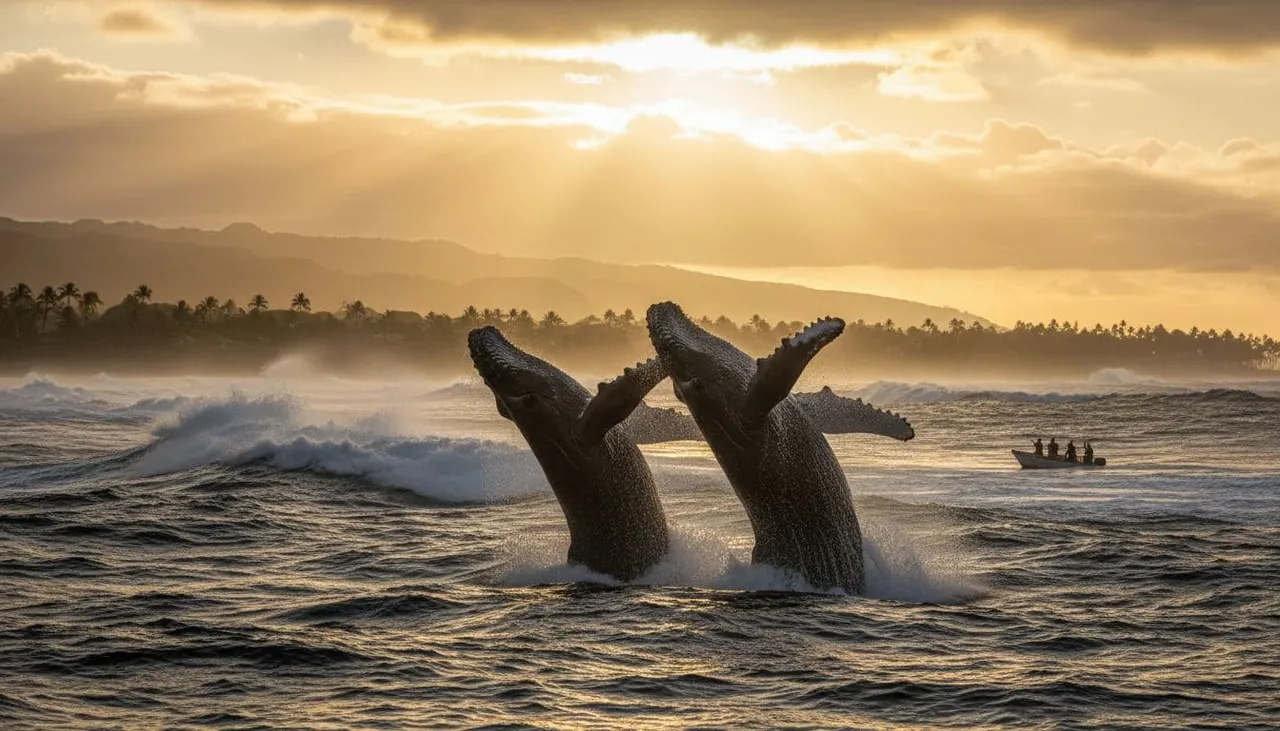
There’s another reason to move early. When the best dates are gone, you’re left fitting your vacation around what’s left, not what works best. That can mean a rushed check-in, a less ideal day in your itinerary, or missing the tour completely.
Your step-by-step booking timeline
The simplest way to think about booking is this: the narrower your travel window, the earlier you should act.
Here is a quick guide to help you time it well:
| Your trip timing | Smart booking window | Why it helps |
|---|---|---|
| Presidents Day week, late January, Valentine’s week, or school breaks | 2 to 4 months ahead | Peak demand can narrow choices early |
| Any February trip | 6 to 10 weeks ahead | February is often the most competitive month |
| Mid-January or March weekday travel | 3 to 6 weeks ahead | You may still have good flexibility |
| Last-minute trip with open schedule | 1 to 2 weeks ahead | Works best if you can take almost any day |
The takeaway is simple. Peak weeks reward early planners. If your vacation lands in a high-demand window, book your whale watch as soon as flights and hotel are set.
One smart move is putting your whale watch near the start of your trip, so you still have backup days if you need to adjust.
Flexibility also helps. Midweek departures often give you better options than weekends. So does staying open on time of day. If your schedule is tight, though, don’t wait for the “perfect” moment to book. Perfect can turn into sold out.
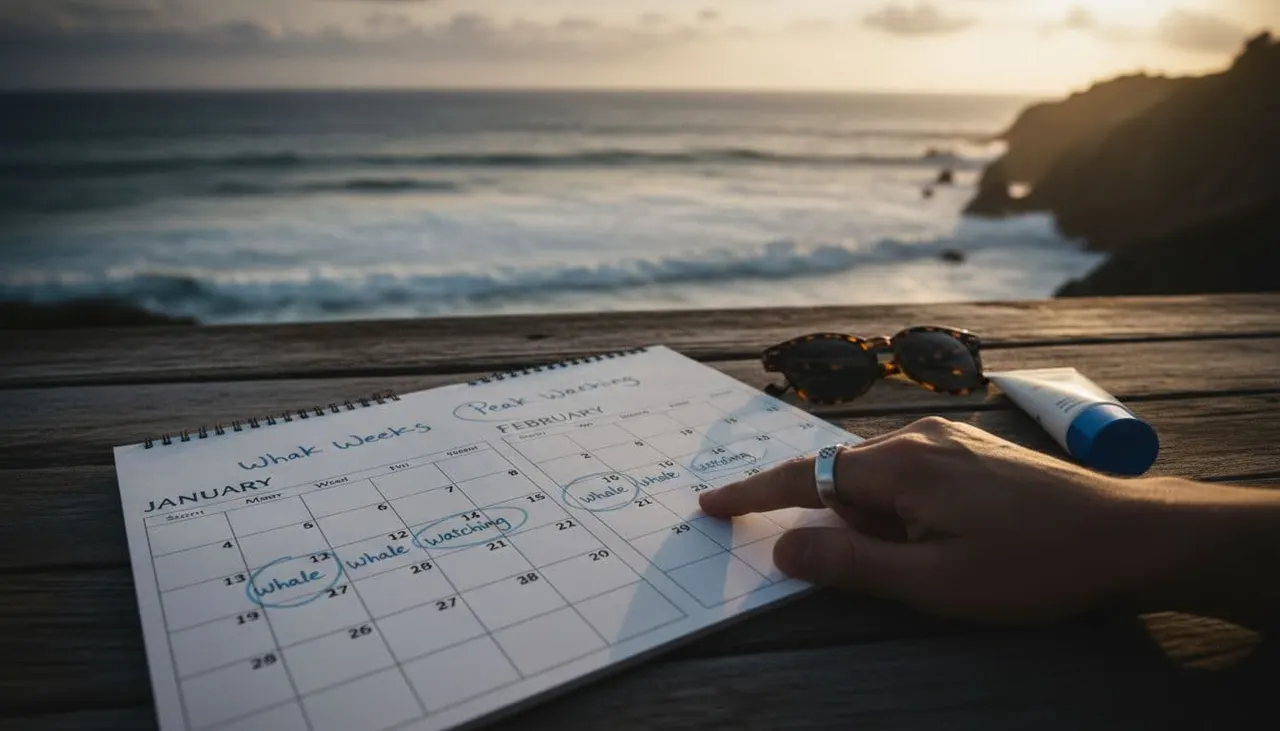
When you should move faster, and what not to wait for
Some travelers need to book sooner than others. Families with young kids, couples planning one special outing, and groups of four or more should usually move faster. Larger groups are harder to place once the boat starts filling.
You should also book early if whale watching is one of your main reasons for visiting Oahu. That’s not the time to “see how the week goes.” A whale watch is more like a sunset table at a popular restaurant than a random beach stop. The closer you get, the fewer good seats remain.
At the same time, don’t hold off because the weather forecast looks shaky too far out. Ocean forecasts can change quickly. If you wait for a perfect-looking day, you may lose your best departure options first.
A better strategy is to book early, then build the rest of your trip around that anchor point. That gives you a calmer vacation and a better shot at getting the date you wanted all along.
What a well-chosen whale watching tour should give you
Price matters, but comfort matters too, especially if you’re bringing kids or you don’t love choppy water. A good Oahu whale watching trip should give you shade, restrooms, a smooth boarding process, and a crew that respects the animals. You want a front-row seat, not a stressful ride.
Living Ocean Tours stands out because it pairs wildlife viewing with guest comfort. Its boats leave from Kewalo Basin Boat Harbor, only minutes from Waikiki. The fleet includes Coast Guard-inspected double-decker vessels with shaded seating, restrooms, and easy-access ladders. On Lokahi, a SeaKeeper stabilization system helps reduce rolling, which can make a big difference if seasickness worries you.
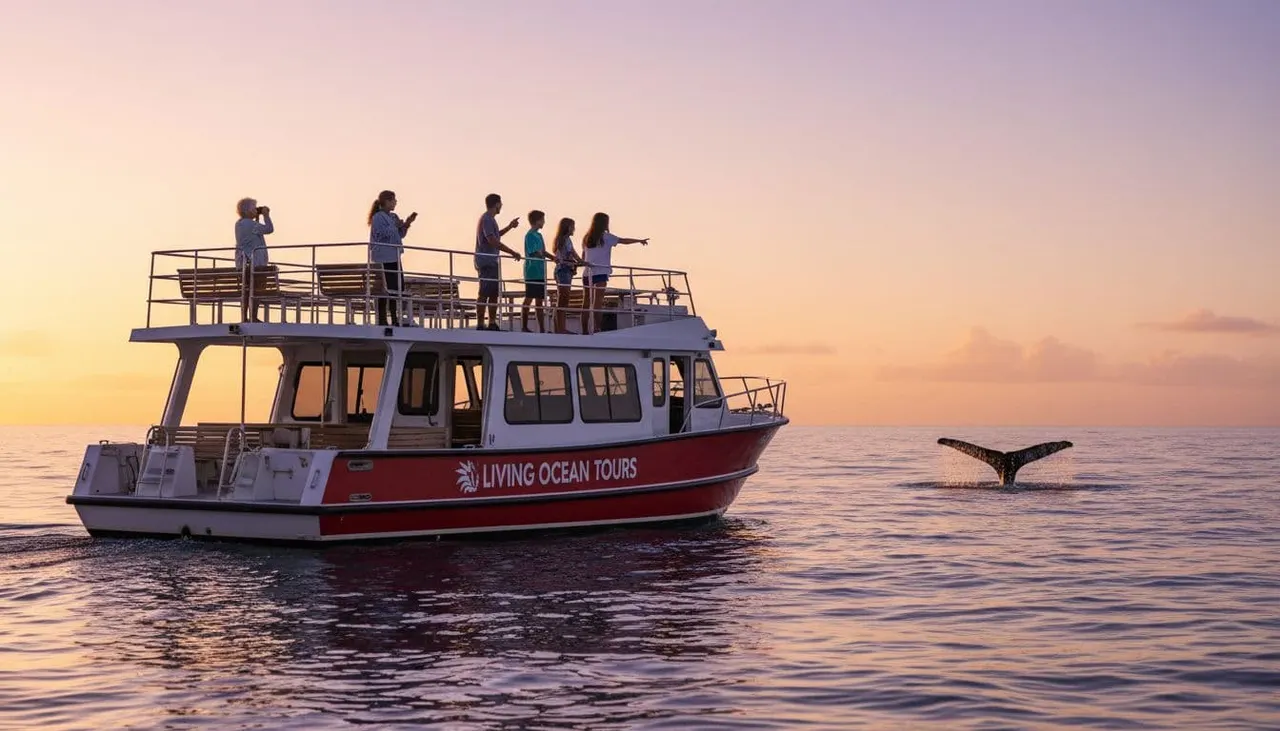
That crew standard matters as much as the boat. Living Ocean Tours is also the only tour company with professional snorkel guides, which says a lot about its training, safety focus, and guest care across every trip. Even on a whale watch, that kind of staff experience helps you feel more relaxed from check-in to return.
If you want more timing help before you book, the site’s guide to Waikiki whale watching best months and tips gives you another useful layer of trip planning. Once you’re onboard, keep the same respectful mindset the crew does, observe the whales, enjoy the moment, and let the wildlife stay wild.
Peak winter weeks don’t leave much room for indecision. The best booking timeline starts the moment your travel dates are firm.
Book early, place your tour near the front of your itinerary, and give yourself better choices while they’re still open. When humpbacks show up, you want the surprise to be the sighting, not the lack of availability.


