
Whale Watching Oahu From Waikiki: Best Months And Peak Days
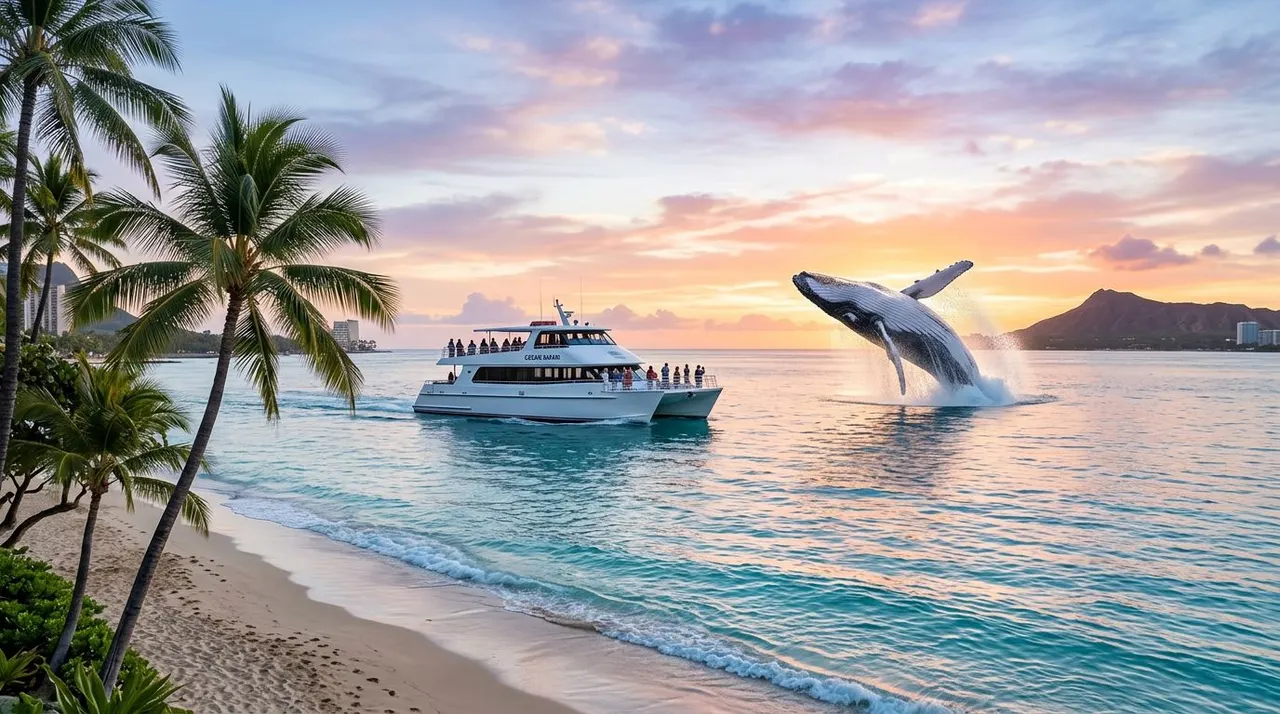
You don’t have to leave Waikiki to see something unforgettable. During Hawaii’s humpback season, you can watch massive whales surface, tail-slap, and sometimes breach, all within a short boat ride from shore.
The trick is timing. If you’re planning whale watching oahu from Waikiki, you’ll get your best odds by visiting in the peak winter window, then choosing the right days and departure times within your trip. This guide breaks down the best months and what “peak days” really means on the ocean, so you can book with confidence.
Start close to Waikiki with Living Ocean Tours (comfort matters)
Living Ocean Tours departs from Kewalo Basin Boat Harbor, just minutes from Waikiki Beach in Honolulu. That short ride to the harbor is a big deal when you’re traveling with kids, or you’d rather spend your morning on the water than in traffic.
You also want the right boat for winter conditions. Living Ocean Tours operates Coast Guard-inspected double-decker vessels built for comfort and views. The Lokahi includes a state-of-the-art SeaKeeper stabilization system that helps reduce side-to-side roll, which can make a huge difference if you’re prone to seasickness. Both boats have shaded seating, restrooms, and easy water-entry ladders, so you can focus on spotting whales, not managing discomfort.
Most importantly, the crew keeps the experience eco-conscious and respectful. You’ll observe wildlife safely, follow distance rules, and learn what you’re seeing without chasing or crowding animals.
If you’re coming specifically for whales, book the seasonal Waikiki whale watching cruise. Living Ocean Tours runs this experience during the heart of the season (January 2 through March 31), which lines up perfectly with the months you’re most likely to see action.
Best months for whale watching oahu from Waikiki (and what changes by month)
If you want the simple answer, aim for January through March. That’s when humpback whales migrate to Hawaiian waters to breed and nurse calves, and sightings become a normal part of a good day on the ocean.
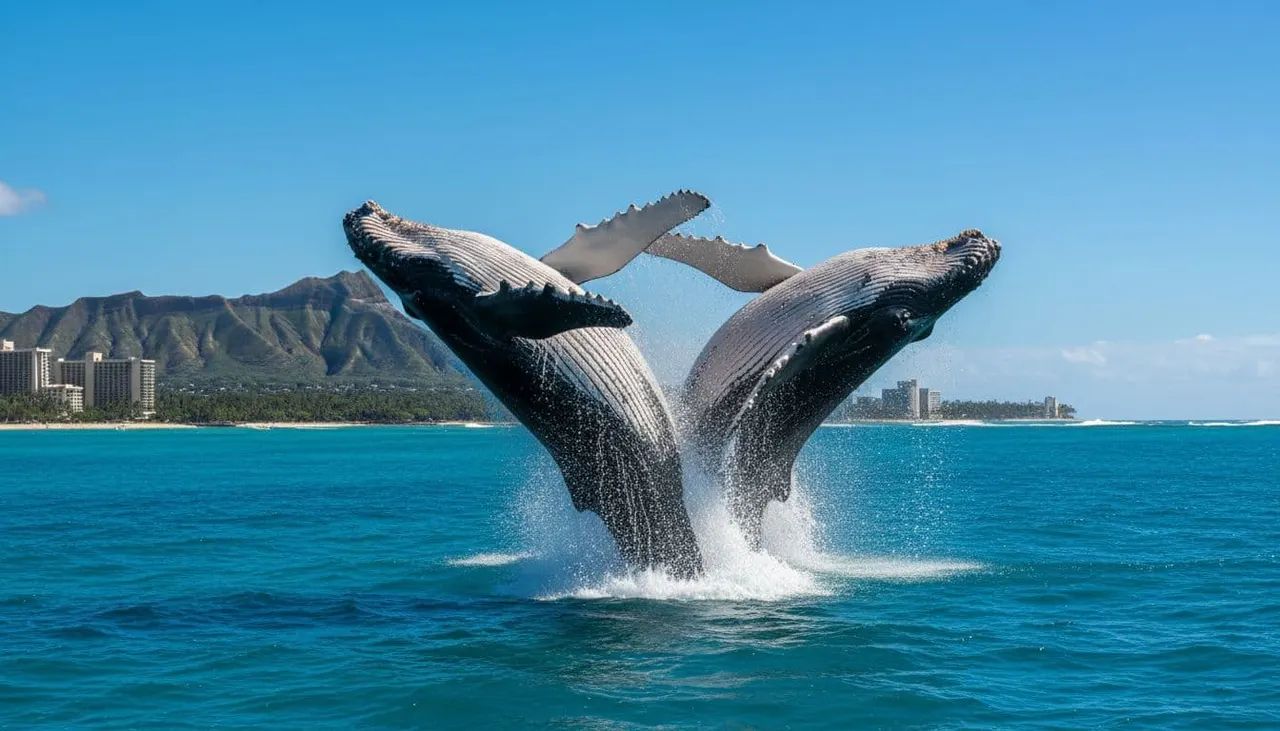
Here’s how the season usually feels from a visitor’s point of view. Use it as a planning guide, not a promise, because whales are wild and their schedule isn’t yours.
| Month | What it’s often like from Waikiki waters |
|---|---|
| December | Season begins, sightings are possible but less consistent |
| January | Strong start, more frequent spouts and surface activity |
| February | Often the best overall month for numbers and behavior |
| March | Still excellent, with plenty of chances, especially early month |
| April | End of season, you might see whales, but odds drop |
The real advantage of visiting in February (or late January into early March) is that you’re stacking the deck. More whales in the area means more chances to see the moments you came for, like a full breach or a mother and calf cruising together.
If you want more timing detail for trip planning, see Living Ocean Tours’ best time for whale watching Oahu tips.
The ocean doesn’t do guarantees. Your “best month” matters, but your best strategy is giving yourself more than one possible day on the water.
Peak days: how to pick the right day and time from Waikiki
“Peak days” for whale watching oahu usually aren’t about a calendar date. They’re about conditions and flexibility. When the water is calmer and visibility is better, you spot spouts sooner, track whales longer, and spend less time bouncing around.
A few choices can improve your odds without overthinking it:
- Go in the morning when you can: Winds often build later in the day, and calmer water makes spotting easier.
- Give yourself a 2 to 3-day window: If your first day gets choppy, you still have another shot.
- Book midweek for a less crowded feel: You’ll often get a more relaxed ride and more rail space for photos.
- Check the marine forecast: If you see lighter winds, you’re more likely to enjoy steady viewing time.
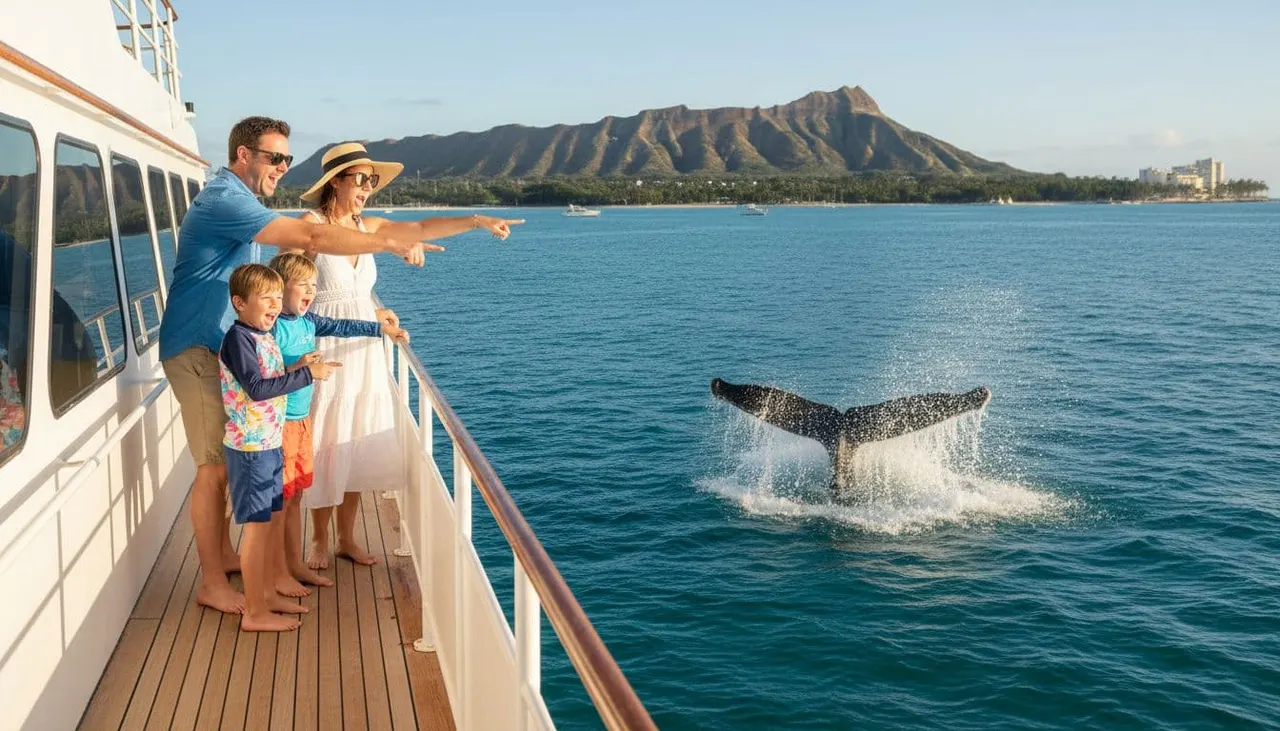
Also, plan like a local. Wear a light jacket, bring water, and keep your phone on a strap. If you’re sensitive to motion, eat something small first and pick a boat known for stability.
For a broader look at the overall window (and how Honolulu’s season typically runs), check this Honolulu whale watching season guide.
If you miss the peak, keep your ocean day amazing
If your trip falls outside the main whale window, you can still get a standout wildlife day from Waikiki. Start with sea turtles at Turtle Canyons Snorkel Excursion. You’ll snorkel at a natural cleaning station with a strong track record for turtle sightings. Better yet, Living Ocean Tours is the only tour company with professional snorkel guides, which helps beginners feel calm and supported in the water.
Then, cap the day with an easy, romantic cruise on the Waikiki Sunset Cruise.
If you’d rather compare everything in one place, you can also browse ocean tours in Honolulu Oahu.
Conclusion
For whale watching oahu from Waikiki, you’ll get the best odds in January, February, and March, with February often feeling like the sweet spot. After that, “peak days” come down to calmer conditions, morning departures, and giving yourself more than one possible day on the water. Choose a comfortable boat, respect the wildlife, and keep your camera ready, because the best moments happen fast.


