
Oahu Snorkeling: The Ultimate 2026 Guide for Beginners
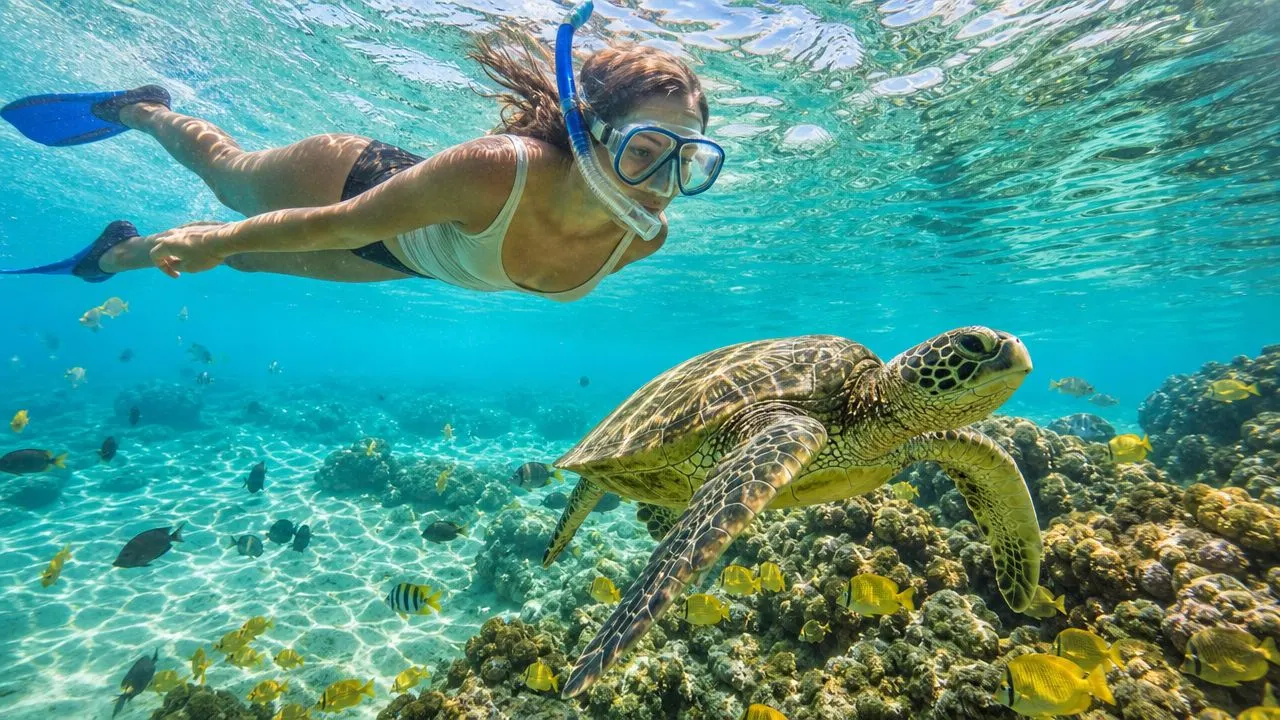
You're probably here because the trip is getting real now. Flights are booked, the hotel is set, and somebody in your group has already said, “We have to snorkel on Oahu.” That part is easy. The harder part is figuring out where beginners should go, what is safe, and how to avoid turning a dream ocean day into a stressful one.
That's where most generic snorkeling guides fall short. They give you a list of pretty spots, but they don't tell you which places are forgiving, which ones get sketchy fast, and why some families have a much better first experience from a boat than from a rocky shore entry. Good Oahu snorkeling isn't just about fish and turtles. It's about matching the right water, the right conditions, and the right setup to your skill level.
This guide is written the way I'd explain it to guests before they step on the boat. Keep it simple. Respect the ocean. Don't chase the Instagram version of snorkeling if your body, timing, or conditions aren't lined up for it. If you do it right, Oahu delivers the kind of day people talk about long after the vacation ends.
Your Unforgettable Oahu Snorkeling Adventure Awaits
A great first snorkel day usually starts with a simple goal. You want clear water, calm conditions, fish right away, and if luck is on your side, a sea turtle gliding past without the whole outing feeling rushed or chaotic. That's exactly why Oahu snorkeling can be such a hit with families, couples, and first-time swimmers. You don't need to be an expert to have a memorable day, but you do need to choose well.
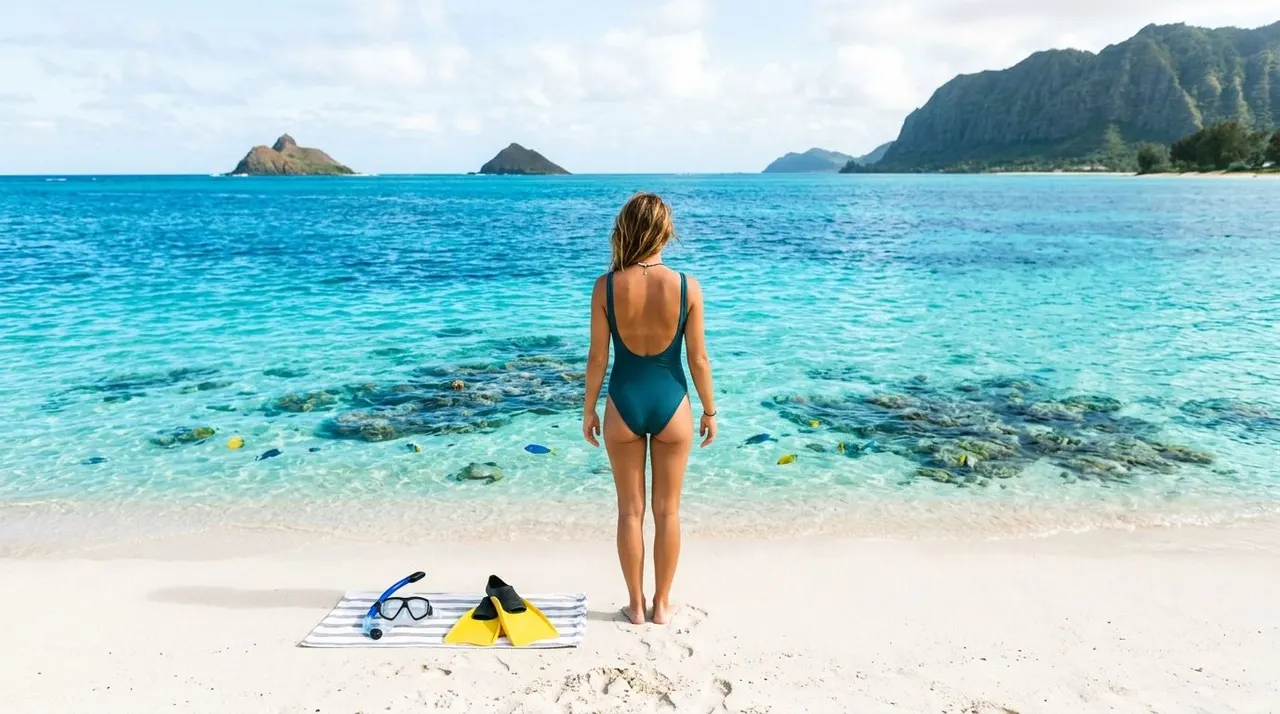
I've seen the same pattern over and over. Visitors arrive thinking the only question is which beach has the prettiest water. In practice, the better question is which experience gives your group the best mix of safety, comfort, marine life, and ease. For some people, that's a protected shore spot on the right day. For many beginners, it's a guided boat trip where the crew handles the gear, the briefings, and the entry.
Oahu rewards the snorkeler who plans for conditions, not just scenery.
The island gives you a wide range of options. There are famous shore spots, seasonal locations that change dramatically through the year, and boat-access reefs off Waikiki that remove a lot of the hassle beginners struggle with. There are also real trade-offs. Some places look calm from the sand and still produce trouble at the entry. Some spots are famous for fish but not ideal for a nervous swimmer. Some tours are built for wildlife focus, while others add family fun on top.
A smart day on the water feels easy because the hard choices got handled before you ever put on a mask.
The Critical Snorkeling Safety Rules You Cannot Ignore
A lot of visitors treat snorkeling like a casual beach add-on. On Oahu, that assumption causes problems.
Hawaii health reporting has repeatedly shown that snorkeling is involved in a large share of visitor ocean fatalities. For beginners and families, that should change the way you plan the day. The goal is not to scare anyone away from the water. The goal is to choose conditions, entry methods, and support that match your ability.
The hazards beginners miss first
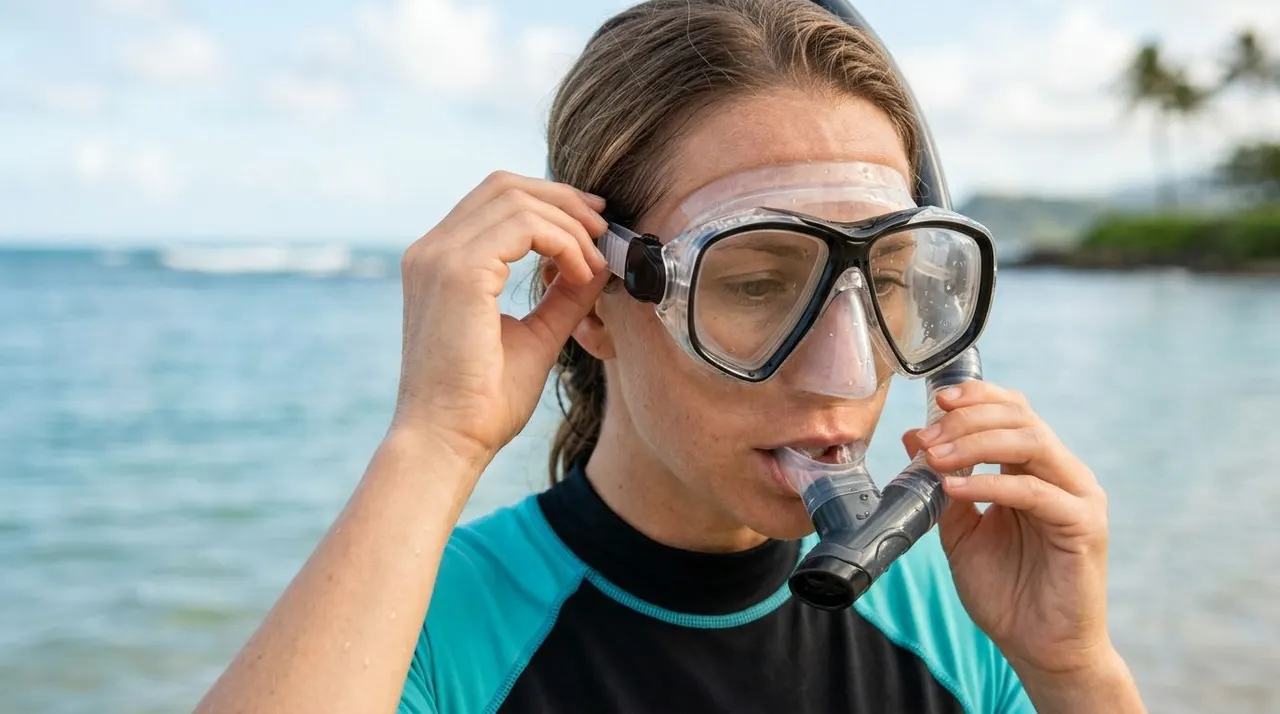
Visitors often focus on sharks. In day-to-day snorkeling around Oahu, the more common problems are current, rough shore entry, fatigue, panic, poor mask fit, and pushing past an early warning sign because the water still looks calm from the surface.
I see this mistake all the time. Someone walks down to a beach, sees blue water, and assumes the hard part is over. In practice, the hard part may be getting in and out cleanly, especially over rock, reef, or shorebreak. That is one reason guided boat snorkeling works so well for first-timers. It removes one of the most injury-prone parts of the day.
Another risk deserves plain language. Some snorkelers develop breathing trouble in the water that can become serious quickly. You do not need the medical terminology to respond correctly. If breathing feels strained, if your chest feels tight, if you feel weak, dizzy, unusually anxious, or just wrong, end the snorkel right away and tell a guide, lifeguard, or partner immediately.
Simple rule: If the water feels harder than expected in the first few minutes, get out early.
Arrival day is another poor time for a first snorkel. Long flights, dehydration, alcohol, jet lag, and excitement can all stack up. A better plan is to rest, drink water, sleep well, and snorkel after your body has settled.
What beginners should do differently
Beginners usually have the best experience when they make conservative choices early.
- Pick the easiest entry available: Boat entries are often easier than climbing over rock or timing a shorebreak exit.
- Use flotation without ego: A vest or noodle saves energy and helps you stay relaxed enough to enjoy the reef.
- Stay close to support: A buddy matters. Trained crew matters more if someone gets tired, panics, or has gear trouble.
- Call off bad conditions: Brown water, surging water, strong current, and pounding shorebreak are reasons to skip the session.
- Learn how to spot moving water before beach snorkeling: This guide to rip current clues on Oahu covers what to watch for.
The best snorkeling days usually look easy from the outside. That ease comes from good judgment, not luck. Choose a spot that fits your skill level, keep your energy in reserve, and respect the ocean enough to end the snorkel early if conditions or your body say no.
Oahu's Top Snorkel Spots for Every Skill Level
A family walks up to a famous beach, sees calm blue water, and assumes the hard part is over. On Oahu, the hard part is often choosing a spot that matches the weakest swimmer in the group, the day's conditions, and the kind of entry you can handle without stress.
That is why the best snorkel spot is not always the most famous one. It is the one that gives you a relaxed entry, clear water, and enough margin to enjoy the reef without fighting the ocean.
A quick comparison of popular options
| Spot | Best for | Access | What works | What does not |
|---|---|---|---|---|
| Hanauma Bay | Confident beginners who plan ahead | Shore | Protected bay, marine life, iconic setting | Easy to underestimate because it looks sheltered |
| Shark's Cove | Beginners only in calm summer conditions | Shore | Great visibility and reef life in the right season | Poor choice for beginners in winter or surge |
| Waikiki boat-access reefs | First-timers, families, casual swimmers | Boat | Simple entry, crew support, less stress at the shoreline | Requires advance booking and a set departure time |
| Protected lagoons and coves | Nervous swimmers who want simplicity | Shore | Gentler practice water on a calm day | Less reef life than stronger snorkel sites |
Where each spot works and where it does not
Hanauma Bay deserves its reputation for beauty. It also gets misread by visitors. The bay looks protected, so people with limited ocean experience often relax too soon, swim farther than they should, or treat it like a pool with fish. Hanauma works best for visitors who plan ahead, arrive rested, and stay honest about their comfort in open water.
Shark's Cove can be excellent in summer. In the right conditions, the fish life and visibility are worth it. In winter, it is a different place. Surge, wave energy, and rougher entry conditions make it a poor match for beginners and many vacation swimmers, no matter how easy online photos make it look.
Waikiki boat-access reefs are often the better first snorkel for beginners, kids, and mixed-ability groups. You spend less energy dealing with rocks, timing shore entry, or sorting out gear on the sand. That usually means a calmer start and a better shot at enjoying the turtles, reef fish, and water clarity instead of troubleshooting for the first 20 minutes.
Protected lagoons and small coves have a place too. They are useful for nervous swimmers who need a low-pressure first session or want to practice breathing through a snorkel before heading to a true reef. The trade-off is simple. Safer-feeling water often comes with less marine life and a less dramatic reef experience.
For a broader look at seasonal conditions and beginner planning, this Oahu snorkeling guide for choosing the right conditions and entry style is a useful companion.
A few matching rules help keep expectations realistic:
- Groups with children or hesitant swimmers: Choose the spot based on the least experienced person, not the strongest swimmer.
- North Shore in winter: Skip beginner shore snorkeling there unless a local professional has confirmed calm conditions.
- Strong reef life vs. easy access: You rarely get both at once from shore. Decide which matters more for your group.
- First snorkel on the trip: Pick the simplest entry and the lowest-stress plan, even if it is not the most famous location.
The best memories usually come from the spot that felt manageable from the first minute in the water.
Why a Guided Tour Is Your Best First Choice
You get to the harbor with kids, a new mask, and a plan to finally snorkel Oahu. What usually rattles first-timers is not the fish. It is the stack of small decisions before and during the swim: whether the mask is sealed, how to breathe calmly through the snorkel, where the group should stay, and what to do if someone feels tired sooner than expected.
What changes when you leave from a boat
A good guided tour removes guesswork before it turns into stress in the water. Crew members fit masks properly, explain how to clear a snorkel, point out the swim area, and keep an eye on the people who are having fun but are overexerting themselves. For beginners and families, that support matters more than picking the “perfect” reef.
It also improves the safety side of the day in ways many visitors do not consider. On Oahu, the bigger risks for new snorkelers are usually fatigue, current, surf, and poor entries, not sharks. Guided boat trips reduce several of those problems right away because the crew chooses the day's conditions, manages the entry point, and can call people back in before small issues become real ones.
The best guided trips treat the safety briefing, gear check, and wildlife rules as part of the trip itself.
Why beginners usually enjoy guided snorkeling more
The main benefit is confidence. People ask practical questions every trip. What if water gets in my mask? What if my child wants to get out early? What if I am not a strong swimmer? A professional crew answers those questions fast, without making anyone feel embarrassed, and that keeps the group calmer once faces hit the water.
There is also a clear trade-off. A guided tour costs more than renting gear and trying a shore spot on your own. In return, you usually get better instruction, flotation options, local judgment about conditions, and a much lower chance of wasting the outing on avoidable mistakes. For a first snorkel on Oahu, that is money well spent.
If you are comparing operators, review a few Oahu snorkeling tour options for beginners and families and check for these basics:
- Clear briefings: Entry, exit, boundaries, and hand signals should be explained in plain language.
- Visible in-water support: Guests should know who is watching the group and how to get help.
- Flotation availability: Belts, noodles, or vests make the trip more comfortable for hesitant swimmers.
- Wildlife control: Good crews keep turtle and reef encounters calm and respectful.
- Boat setup: Shade, simple boarding, and organized gear storage make a real difference, especially with children.
Living Ocean Tours is one company offering guided trips from Waikiki.
Recommended Oahu Snorkeling Tours
Some people want one thing above all else: turtles. Others want a broader family outing where snorkeling is the main event but not the only one. Those are different goals, and it helps to pick a tour that matches them.
For turtle sightings with a simple plan
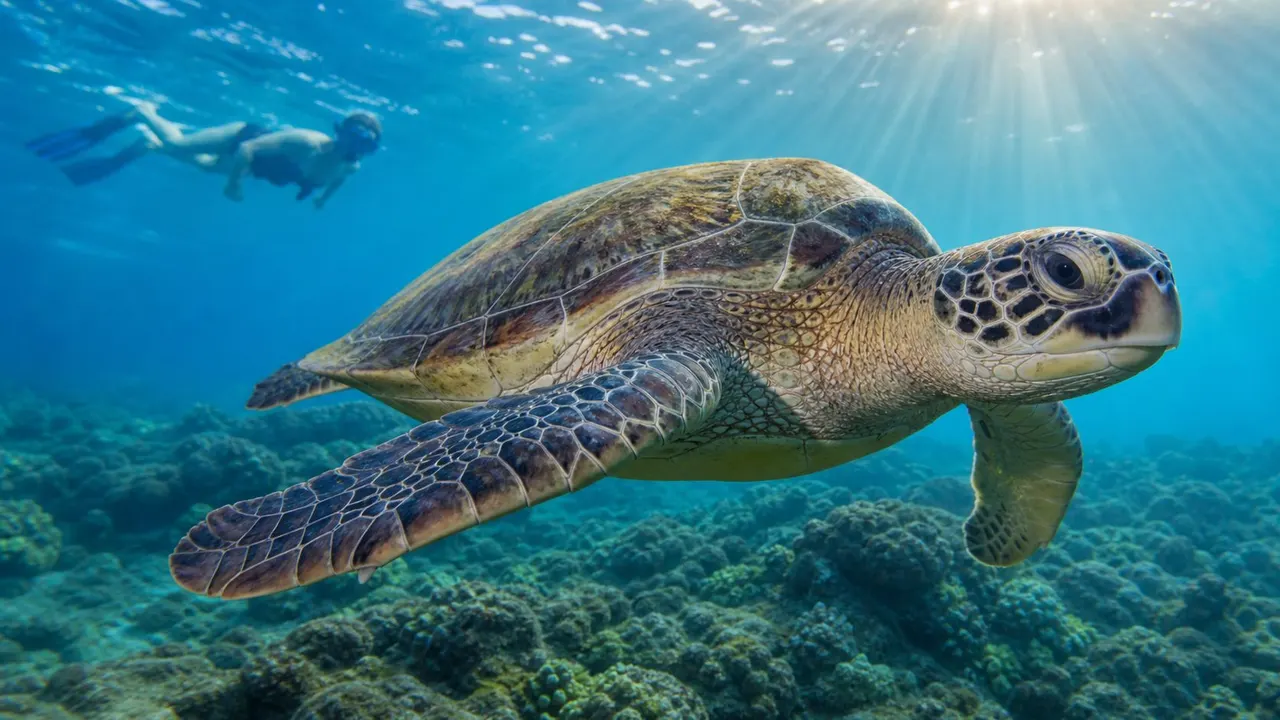
Turtle Canyon off Waikiki stands out because it's a dedicated turtle cleaning station visited regularly by resident turtles. According to Living Ocean Tours' Turtle Canyon overview, guided tours there achieve a 99% success rate for turtle sightings year-round.
If that's your priority, book a dedicated turtle-focused trip like the Turtle Canyons Snorkel Excursion. It's a straightforward choice for first-timers because the goal is clear, the route is established, and you're not guessing where to look.
The timing is also easy to understand. The Turtle Canyon boat ride breakdown lays out a 2 to 2.5-hour timeline that includes check-in and briefing, a short ride to the reef, actual snorkel time, and the return, with most departures sticking to a 2-hour total.
For families who want more than just snorkeling
If your group includes kids, mixed comfort levels, or people who like some variety between water sessions, a wider-format cruise often works better than a single-focus snorkel stop. The Waikiki Snorkel Waterslide tour page is a good example of that style. It gives families a more playful setup while still keeping the snorkeling front and center.
What works well about this format is flexibility. Stronger swimmers can stay engaged with the reef, while kids and casual swimmers enjoy the extra boat features and breaks in between. That usually creates a better group mood than dragging everybody to a shore spot that only suits one or two people.
- Choose Turtle Canyon if: seeing turtles is the headline goal.
- Choose a deluxe Waikiki snorkel cruise if: your group wants a lighter, more all-around family day.
- Choose boat tours over shore snorkeling if: you want easier logistics and less decision-making at the waterline.
Snorkel with Aloha Sustainable Wildlife Etiquette
A good snorkeler doesn't just stay safe. A good snorkeler leaves the reef alone. That matters on Oahu because reef systems feel the pressure of heavy recreational use.
How visitors accidentally damage reefs
According to this NOAA-funded report on recreational impacts to Hawaii reefs, physical contact from snorkelers and improper boat anchoring directly degrade coral structure and reduce fish biodiversity in Oahu's waters. Most visitors don't intend to cause damage. They just stand up at the wrong time, kick coral with poor fin control, or drift too close while focused on a fish or turtle.
That's why reef etiquette isn't about being overly careful. It's about understanding that coral is alive, fragile, and slow to recover.
Simple habits that protect the reef and wildlife
Start with body position. If the water is too shallow for your comfort, don't stand on the reef. Float calmly, keep your fins high, and back away from tight areas instead of trying to push through them.
A few habits make a big difference:
- Keep your distance from wildlife: Let turtles choose the encounter. Don't chase, block, crowd, or dive at them.
- Control your fins: Most accidental reef contact happens behind you, not in front of you.
- Listen to site boundaries: Mooring areas, no-go zones, and guide instructions are there for a reason.
- Use calm observation: Fast movements stir sediment and spook fish.
Respect gets you better wildlife encounters. When people stop chasing, animals act naturally.
If you want a simple refresher before your trip, this guide to Oahu reef etiquette covers the basics in practical language. The best ocean days are the ones where you come back with great memories and the reef looks exactly the same after you leave.
Planning Your Trip Gear Checklist and Booking Tips
Good Oahu snorkeling days start before the boat leaves the harbor or before you step onto the sand. A little prep removes a lot of stress, especially if you're traveling with children, grandparents, or anybody who gets flustered when plans feel rushed.
What to bring and what your tour usually handles
Most guided snorkel tours handle the core water gear. That often includes your mask, snorkel, fins, and some form of flotation. What you should focus on is the personal stuff that makes the day comfortable.
- Bring for yourself: Towel, swimsuit, dry clothes, sun protection, water, and any personal medications you may need.
- Wear or pack smart: Easy footwear, a rash guard if you like extra sun coverage, and a bag for wet items.
- Don't count on buying comfort later: If someone in your group wants a specific anti-fog product, prescription mask solution, or preferred sunscreen, sort that out before departure.
For a practical pre-trip rundown, this Oahu snorkel packing list is a helpful one-page check.
When to book so you get the day you want
Popular tours can fill faster than people expect, especially if your group needs a specific morning, weekend, or holiday window. According to Living Ocean Tours' Turtle Canyon booking guide, guests should book 2 to 6 weeks ahead during peak periods such as holidays, summer, spring break, and weekend mornings. During slower periods, 7 to 14 days ahead is often enough.
That timing matters because your best snorkel day is often not the one squeezed into the leftovers of your itinerary. Book the ocean day early, then build the rest of the vacation around it. If you're taking the safety-first route, don't put snorkeling on arrival day. Give yourself recovery time, then go enjoy the water when you're rested.
A well-planned snorkel trip feels relaxed before it even starts.
For a simple, beginner-friendly way to experience Oahu's marine life from Waikiki, explore Living Ocean Tours. It's a practical option for families, first-time snorkelers, and travelers who'd rather spend their day in the water than guessing which beach conditions will cooperate.


