
Oahu Snorkeling Guide: Spots, Safety, and Tours
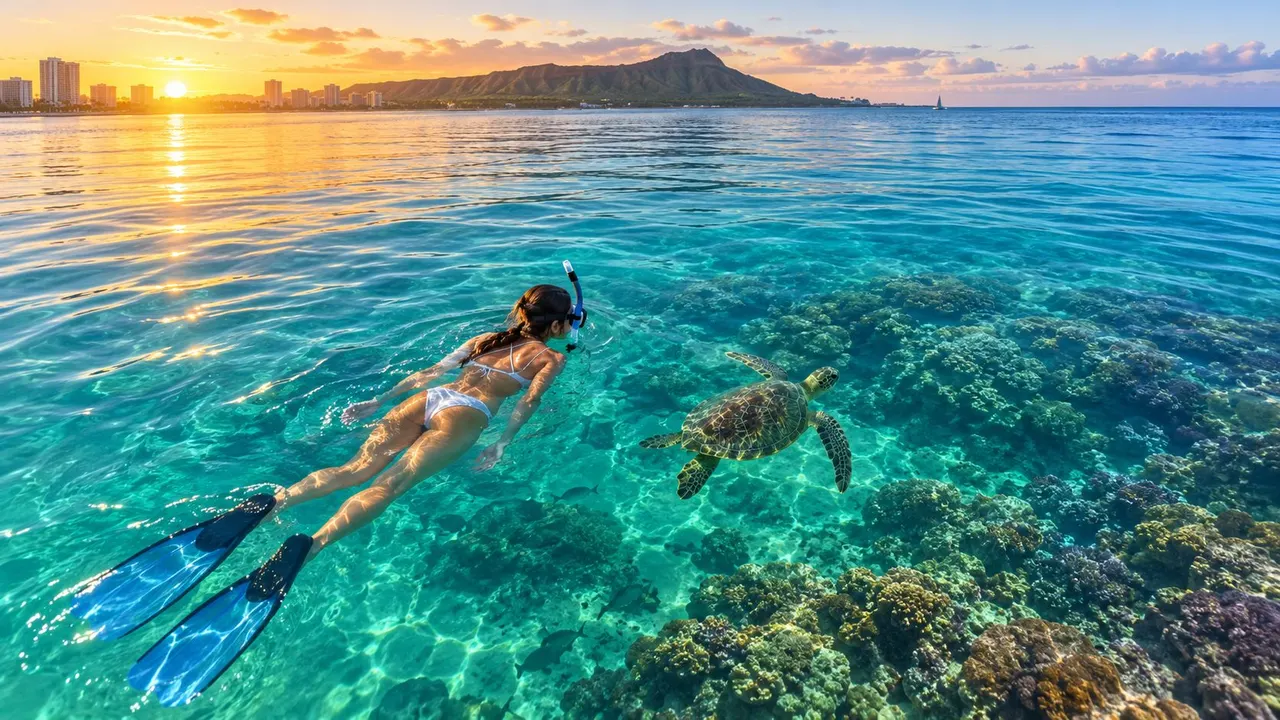
You've probably got the same question most visitors do when they land in Waikiki, look at the water, and realize the ocean is both inviting and a little hard to read from shore. The photos make it look simple. In real life, Oahu snorkeling is a choice between conditions, timing, crowd levels, and your own comfort in the water, and the right call can turn an average day into a great one.
What Oahu Snorkeling Really Feels Like
A good morning on the water usually starts before the sun gets high, with the harbor still quiet and the breeze moving lightly across Kewalo Basin. You can see the outline of Turtle Canyons before you feel the boat settle, then the first mask goes on, and someone leans over the rail to spot movement below. A green sea turtle slides past like it owns the place, because it does.
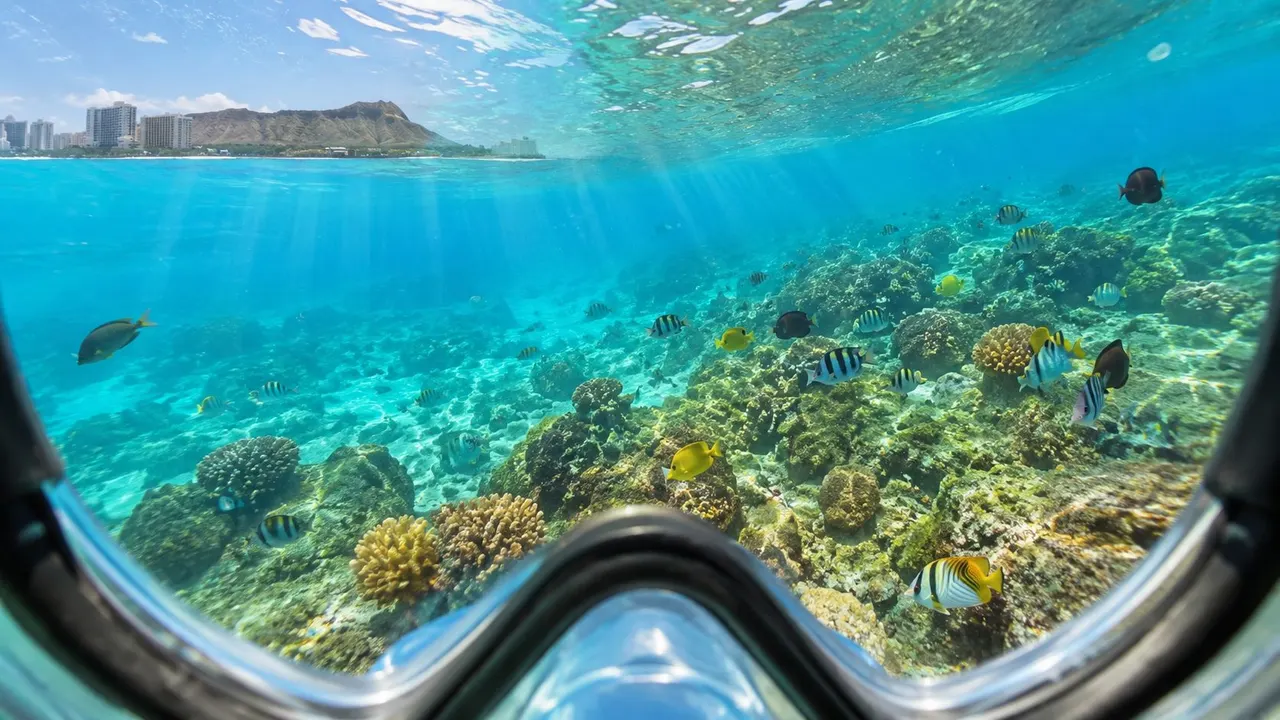
That's the part glossy brochures get right, the water can be stunning. What they leave out is that Oahu snorkeling is rarely about finding one magical spot and calling it a day. It's about matching the site to the swell, the wind, the season, and who's in the group.
A calm cove can be perfect for a nervous first-timer and frustrating for someone hoping to see more life. A dramatic reef can be unforgettable on a clear morning and a bad idea when the sea state changes. The rest of this guide is built around that operator's view, what works, what doesn't, and how to choose the session that fits the day instead of chasing a universal “best” place.
Why Ocean Safety Comes First
Snorkeling looks gentle from land, but the risk profile in Hawaiʻi is serious. State data summarized in a Hawaiʻi Department of Health report recorded 189 non-resident snorkeler drownings from 2009 to 2018 and 206 total fatal snorkel-related cases in that period, with snorkeling described as the most common activity among victims; a later state-backed summary cited 204 snorkeling-related deaths from 2012 to 2021, with 90% involving visitors (Hawaiʻi Department of Health report). That's why the safest habits matter before you even touch the water.
The habits that prevent trouble
Start with the buddy system. Don't snorkel alone, even in a place that looks flat and calm, because fatigue, cramps, and small panics happen fast once you're offshore or over reef. If you feel tired, end the session. Pushing through fatigue is how a fun swim turns into a rescue problem.
Watch the entry and exit points before you commit. Surf, currents, and surge can make a beach that looked fine from the parking lot feel very different once you're in fins and mask. If conditions look marginal, wear a flotation vest and choose a more protected location rather than trying to power through.
Practical rule: if you're reading the ocean and hesitating, the ocean has already told you something useful.
Reef-safe sunscreen isn't a preference in Hawaiʻi, it's a legal requirement, and it should go on before you leave the hotel, not after you reach the beach. For a local conditions check before you head out, use Waikīkī snorkeling flag guidance and then make your call based on what you see, not what you hoped the day would be.
Top Snorkeling Spots on Oahu and When to Visit Them
The island has several strong snorkeling zones, but they're not interchangeable. Oahu's west and south coasts are often chosen because they're calmer and clearer than exposed shores, which is exactly why site choice matters so much. If you pick the wrong spot for the day, you can end up fighting wind, glare, and poor entry conditions instead of enjoying the reef.
Compare the main options
| Spot | Best Season | Skill Level | Main Draw |
|---|---|---|---|
| Hanauma Bay | Calm periods, especially when conditions are mild | Beginner to family | Beginner-friendly reef, easy access, high biodiversity |
| Shark's Cove | Calm summer conditions | Intermediate | Dramatic lava features and fish life in the North Shore setting |
| Kuilima Cove at Turtle Bay | Sheltered periods | Beginner to family | Protected cove feel and easier swim conditions |
| Electric Beach, Kahe Point | When the sea is calm and entry is manageable | Intermediate | Warm water and a good chance of seeing active fish life |
| Waimea Bay | Summer only | Confident swimmers | Beautiful setting when the surf relaxes enough for snorkeling |
Hanauma Bay remains the benchmark for many first-time snorkelers because it combines calm water, easy beach access, and broad reef life. One source says more than 400 fish species have been documented there, which helps explain why it keeps showing up in every serious local discussion of snorkeling quality (Hawaii Circle Tour). It's also where crowd pressure becomes obvious, and the site's reservation system reflects that reality.
Shark's Cove and Waimea Bay reward timing more than enthusiasm. On the right day, they can be excellent, but they're not beginner defaults, and they're not the places I'd send someone who's nervous in open water. Kuilima Cove is the practical family option when North Shore conditions are mellow, while Electric Beach is better treated as a site for people who can read entry conditions and accept that a clean-looking shore doesn't always mean an easy one.
The real question isn't “What's the best snorkel spot on Oahu?” It's “Which spot matches today's sea state and this swimmer's ability?”
For turtle-focused planning, this Oahu turtle viewing guide helps narrow the decision without pretending every site offers the same experience.
Gear and Packing Checklist for a Snorkel Day
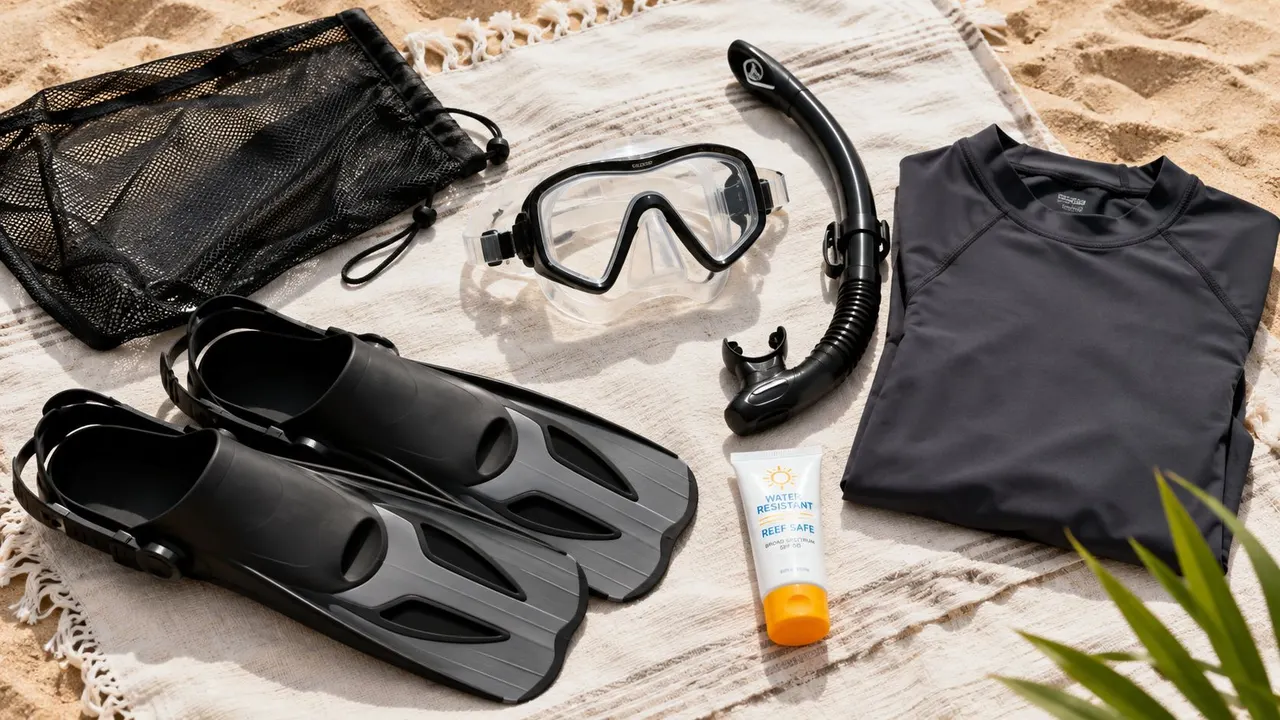
The right gear doesn't make the ocean easy, but it removes a lot of avoidable friction. A mask that fits is the single most important item, because if it leaks or fogs, nothing else matters much. After that comes a snorkel with a mouthpiece that doesn't fight your jaw, and fins that fit correctly without cramping your feet.
What to pack and why it matters
- Mask and snorkel: A snug seal and a comfortable mouthpiece save the session before you even get wet.
- Fins: Correct sizing matters more than style. Too loose and they rub, too tight and your feet fatigue early.
- Rash guard or shorty wetsuit: A 1.5 mm shorty wetsuit or rash guard helps on longer sessions when cooler water and repeated finning start to drain you.
- Reef-safe sunscreen: Required under Hawaiʻi law, and it should be applied before you go.
- Towel and water: Dry off, rehydrate, and don't wait until you feel thirsty.
- Dry bag: Phones, keys, and hotel cards stay safer when they're not loose in a beach bag.
Water is usually warm enough, with average ocean temperatures around 76°F (24.4°C) in winter and 81°F (27.2°C) in late summer, and an annual average around 78°F (25.6°C) (water temperature guide). Even so, prolonged immersion without insulation can still pull heat out of your body, especially if you're small, tired, or not moving efficiently in the water. That's why a rash guard can feel like comfort gear rather than luxury gear.
Skip reef shoes unless the site specifically calls for them. Coral is fragile, and touching bottom where you don't need to is part of the problem. For travelers flying in, rental gear is convenient, but bringing your own mask and snorkel usually gives you the fit and familiarity that matter most.
For a more complete packing plan, this Oahu snorkel checklist keeps the day simple.
Beginner Basics for Your First Time in the Water
First-time snorkelers usually worry about the same two things, water in the nose and feeling trapped by the mask. Both are normal. Neither should end the day.
Start with the mask and breathing
Fit the mask before you get in. It should sit evenly on your face without pinching, and if it leaks on land, it'll annoy you a lot more in the water. A little defogging helps too, because an unclear mask makes beginners tense up and start breathing too fast.
Breathe slowly through the snorkel. The rhythm should feel boring, not dramatic. If you can keep your chest relaxed and your face down, the water feels much calmer than it does from the shore.
Don't try to “win” against the gear. Let the mask seal, let the snorkel do its job, and let the fins do the work.
Solve the two common beginner problems
If water gets in the snorkel, exhale firmly through it to clear the tube. If you feel water up your nose, pause, lift your head, and reset your breathing before you continue. That tiny reset is better than forcing yourself to stay in a bad position.
Stay horizontal and look down, not forward. Looking forward lifts your chest, makes you kick inefficiently, and often leaves you more tired than you should be after only a few minutes. Let your flotation vest hold you up if you're wearing one, and use small fin kicks instead of big splashing ones.
Beach entry is usually about timing and patience. Walk in slowly, watch the surge, and don't rush to put your face down until you're stable. Boat entry is simpler, since you can sit at the rail, check your mask, and enter when the guide gives the signal.
Everyone looks a little awkward the first time. Guides see that every day, which is exactly why beginner-friendly tours exist.
Why a Guided Tour Often Beats the Shore
Shore snorkeling gives you freedom, but it also gives you guesswork. A boat cuts out a lot of that uncertainty by taking you to water that's chosen for the day, not just the map. That usually means better visibility, less crowding, and a cleaner shot at marine life without fighting beach traffic or vague entry conditions.
Turtle Canyons and the operator view
Turtle Canyons is the signature near-Waikīkī site for a reason. It's widely treated as a cleaning station for Hawaiian green sea turtles, and one Oahu guide reports a turtle-sighting rate above 85% there (Love Oahu). That doesn't mean every trip is identical, but it does explain why this site has become the practical choice for travelers who want a strong chance of seeing turtles without spending the morning hunting for them.
Living Ocean Tours runs the Turtle Canyons Snorkel Excursion from Kewalo Basin, with gear and in-water guidance built into the experience. It also offers the Deluxe Waikīkī Snorkel and Wildlife Cruise for guests who want a more playful boat day, plus the Waikīkī Sunset Cruise, seasonal whale watching, and private charters for groups that need the boat to themselves. The value isn't that a tour is always better. The value is that a tour gives you conditions, structure, and supervision instead of asking you to guess.
The trade-off is simple. Shore snorkeling can be cheaper and more flexible. Guided snorkeling is usually easier to enjoy when you care about visibility, turtles, and reducing friction for kids, beginners, or anyone who doesn't want to spend half the day solving logistics.
Where each option fits
Families usually do better on boats with extra play space and direct guidance. Couples and photographers tend to like the sunset format because the water is secondary to the atmosphere. Visitors who care most about turtles usually want the turtle site, not a random beach with a nice name.
Etiquette and Reef Conservation
Good snorkelers don't just avoid danger, they avoid damage. The reef is living habitat, not scenery, and every careless kick changes it a little. That matters more now because access pressure has already forced management changes at places like Hanauma Bay, where the daily cap of 720 people replaced the much higher visitor load that once topped 3,000 per day and more than 1 million per year (Tropical Snorkeling).
Simple rules that protect the reef
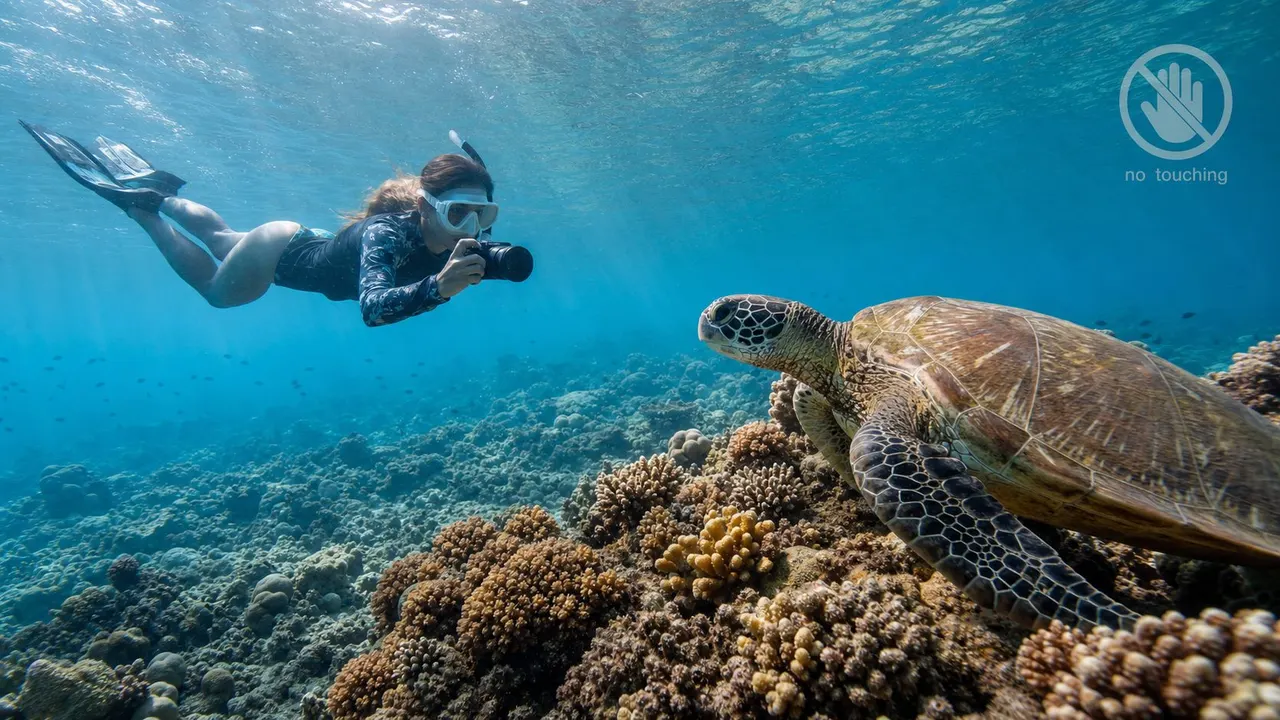
Stay at least 10 feet from Hawaiian green sea turtles and the same distance from Hawaiian spinner dolphins. Don't chase, corner, feed, or block marine life. If a turtle swims away, let it go.
Reef-safe sunscreen belongs on before the boat leaves or before you walk to the beach. It's not just about your skin, it's about reducing stress on the reef. And no matter how tempting a quick touch feels, coral should never be handled, stood on, or used as a prop for a better photo.
For a more detailed local code of conduct, this reef etiquette guide lays out the same stewardship mindset in plain language.
Leave the reef looking the way you found it, or better yet, leave it untouched.
That's the standard that keeps these places worth visiting. The best snorkelers are the ones nobody notices after they surface, because they didn't disturb the water any more than they had to.
Planning Your Trip From Booking to Boat
The best way to plan is to match the season, the site, and the kind of day you want. Whale watching peaks in the winter months, especially January through March, while calm south-shore snorkeling tends to be more dependable in summer. Hanauma Bay also needs advance planning because reservations are part of the experience now, and popular tours can fill quickly when visitor demand is high.
A simple booking rhythm
Book early if you want a specific time or a specific style of trip. Morning departures are usually the cleaner choice because the ocean often behaves better earlier in the day, and that gives you a little more margin before wind builds. The morning also tends to work better for families who want the water done before lunch and nap time take over.
On the day itself, eat lightly, hydrate, and apply reef-safe sunscreen before you leave the hotel. Bring your confirmation, arrive early, and give yourself time to park, check in, and settle gear without rushing. If you're boarding at Kewalo Basin Harbor, expect a real harbor operation, not a beach handoff, which means signs, crews, and a clear check-in rhythm.
Match the trip to the traveler
- Families with young kids: the Deluxe cruise usually fits best because the boat has more to do between swims.
- Couples and photographers: the sunset cruise gives you the easiest mix of scenery and relaxed pacing.
- Eco-focused visitors: Turtle Canyons in the morning is the most natural fit.
- Large groups: private charters make the logistics easier.
That's the core of good Oahu snorkeling planning, don't chase a single famous spot, choose the option that matches the water and the people in your group.
If you want a trip that's built around actual conditions instead of guesswork, Living Ocean Tours runs Waikīkī snorkeling, turtle-focused boat trips, sunset cruises, and seasonal whale watching from Kewalo Basin. Take a look at Living Ocean Tours and choose the option that fits your swimmer level, your schedule, and the day's ocean forecast.


