
Oahu whale watching: What humpback whale lice look like
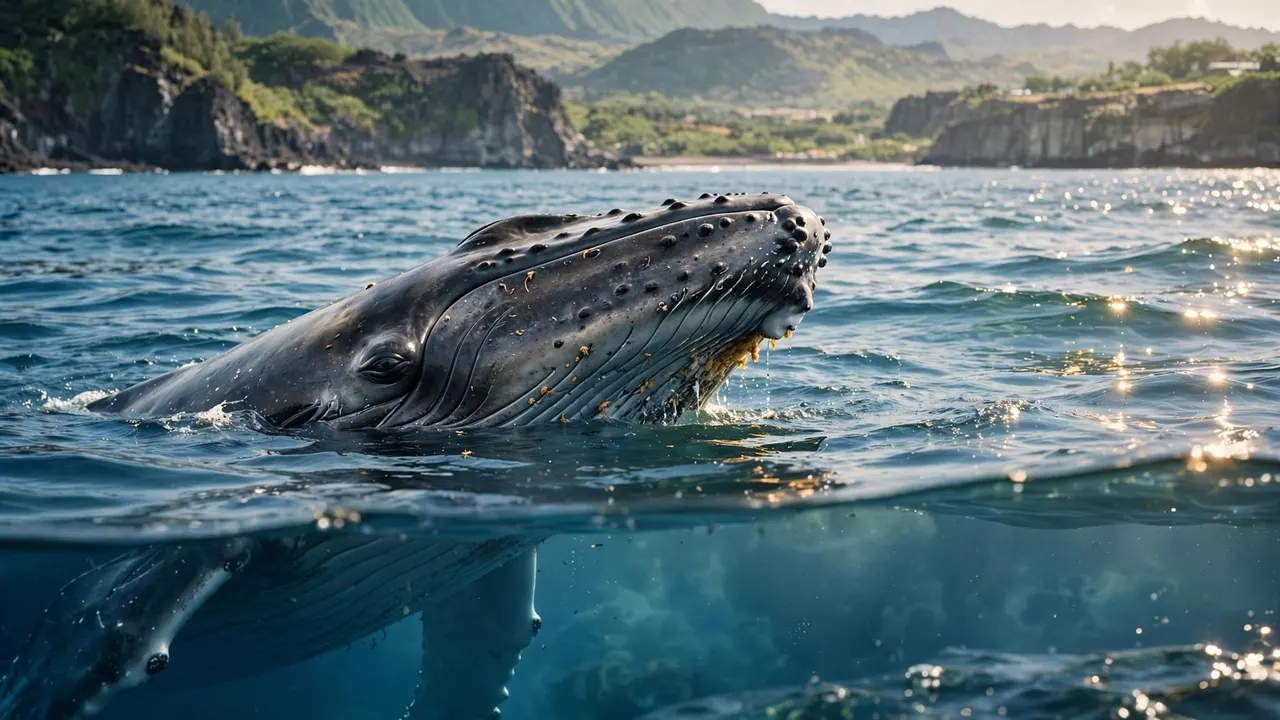
Humpback whale lice are marine crustaceans called cyamids, external parasites associated with a whale’s skin. You shouldn’t expect to identify them during a typical Oahu whale watch, where whole-animal features offer much more useful clues.
At Living Ocean Tours, your curiosity about these animals can make a winter sighting more rewarding. Start by separating whale lice, barnacles, and natural skin markings before deciding what a photograph or passing glimpse reveals.
Key Takeaways
- Humpback whale lice are crustaceans, not the insects associated with human head lice.
- Whale lice and barnacles are different organisms, even though both can occur on whales.
- A distant view of a whale’s skin doesn’t support a confident parasite identification.
- NOAA identifies November through April as Hawaii’s broader humpback viewing season, with peak activity from January through March.
What Are Humpback Whale Lice?
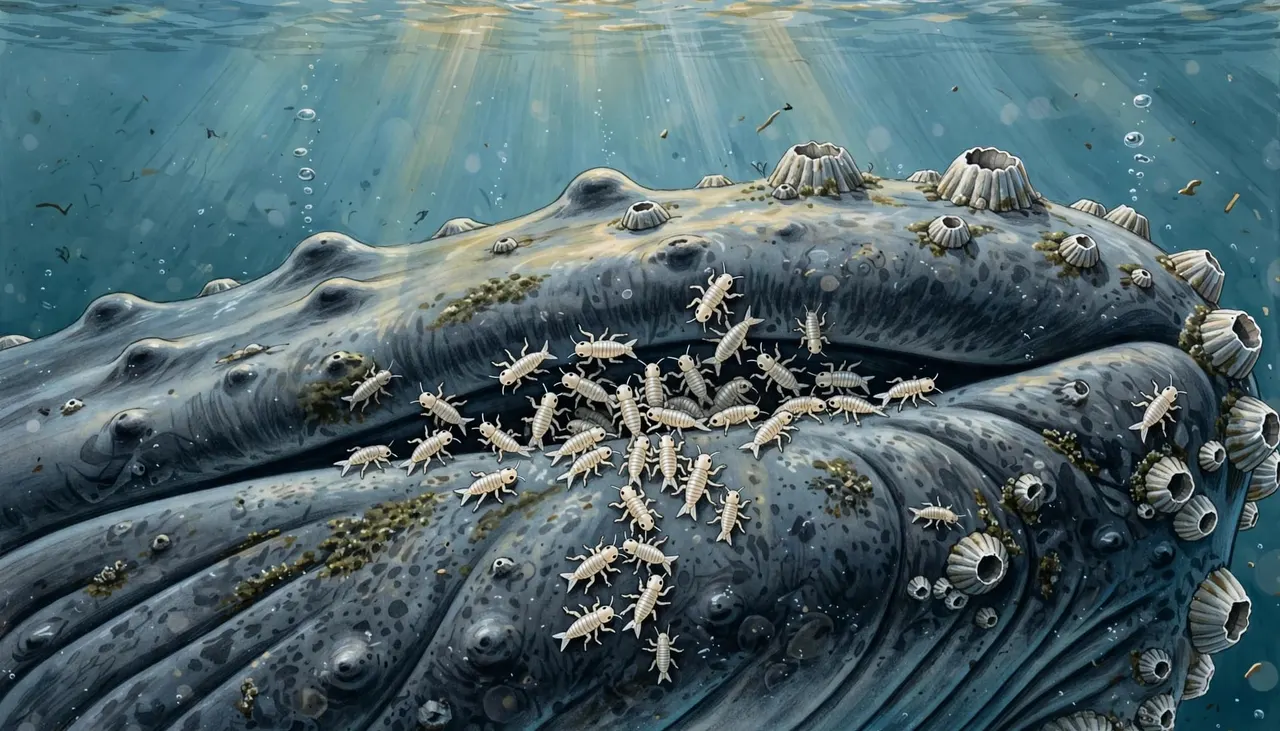
Illustration, not a magnified specimen photograph.
Their Name Can Be Misleading
When you hear “lice,” you might picture the insects that live on people or terrestrial animals. Whale lice belong to a different group. They’re crustaceans, a broad category that also includes familiar marine animals such as shrimp and crabs.
The scientific name you’ll encounter for this group is cyamids. In the Encyclopedia of Marine Mammals, CJ Pfeiffer’s chapter on whale lice biology describes them as external parasites living on some cetaceans.
That distinction gives you a more accurate starting point than their common name. You’re learning about marine animals associated with whales, rather than a human pest living underwater.
A Close-Up and a Whale Watch Answer Different Questions
A detailed biological image can help you study organisms associated with a whale. A boat-based encounter lets you observe the whale’s movements, breathing, and interactions.
Those views aren’t interchangeable. Water, glare, movement, and viewing distance limit what you can conclude about skin-associated organisms.
When looking at humpback whale lice in an illustration or close-up, keep the image’s purpose in mind. An illustration introduces the subject; it doesn’t establish the identity of every mark you later notice offshore.
Whale Lice, Barnacles, and Skin Markings Are Different
Barnacles Aren’t Whale Lice
You may hear barnacles and whale lice mentioned together, but the terms aren’t synonyms. Both are crustaceans, yet they belong to different groups.
That matters when you’re looking at a whale photograph. A caption about barnacles doesn’t automatically describe cyamids, and a general reference to “parasites” doesn’t identify everything visible on the animal.
Avoid treating every irregular patch as one organism. A whale’s surface can include natural pigmentation, scars, and attached organisms. Without enough detail, you can’t confidently assign a biological explanation to an individual mark.
A Skin Mark Doesn’t Tell the Whole Health Story
An unfamiliar patch can make you wonder whether a whale needs help. However, a surface glimpse doesn’t provide a diagnosis.
Whale lice are external parasites, but their presence alone doesn’t give you a complete picture of an animal’s condition. Likewise, a dramatic-looking photograph may leave out important context.
Keep your observations precise. You can describe a visible mark without deciding what caused it or whether it affects the whale.
A photograph can show that a mark exists without showing what made it.
This approach helps you appreciate details without turning uncertainty into a claim about the animal’s health.
Why Photos of Other Whale Species Can Confuse You
Right Whale Images Need Their Own Context
If you browse whale-lice photographs, you may encounter North Atlantic right whales. Their appearance can create confusion when you’re trying to understand humpbacks.
NOAA explains that right whales have rough skin patches called callosities. Those patches appear white because whale lice cover them, according to its North Atlantic right whale profile.
That description belongs to right whales. You shouldn’t transfer it to a humpback simply because both animals can host cyamids.
Before comparing photographs, pay attention to the whale species. Otherwise, you could mistake another animal’s familiar identifying feature for something you should expect off Waikiki.
Gray Whale Photos Aren’t Humpback Reference Photos
Gray whales offer another example. NOAA’s gray whale species profile describes animals with barnacles and whale lice on their bodies.
That confirms that cyamids aren’t exclusive to humpbacks. It doesn’t mean different whale species have identical surface appearances.
For your Oahu outing, the useful habit is simple: identify the whale first, then consider its visible features. A general image search for whale parasites can mix species, organisms, and photographic scales in ways that obscure those distinctions.
What You Can Observe During an Oahu Whale Watch
Watch the Whale Before Examining Its Surface
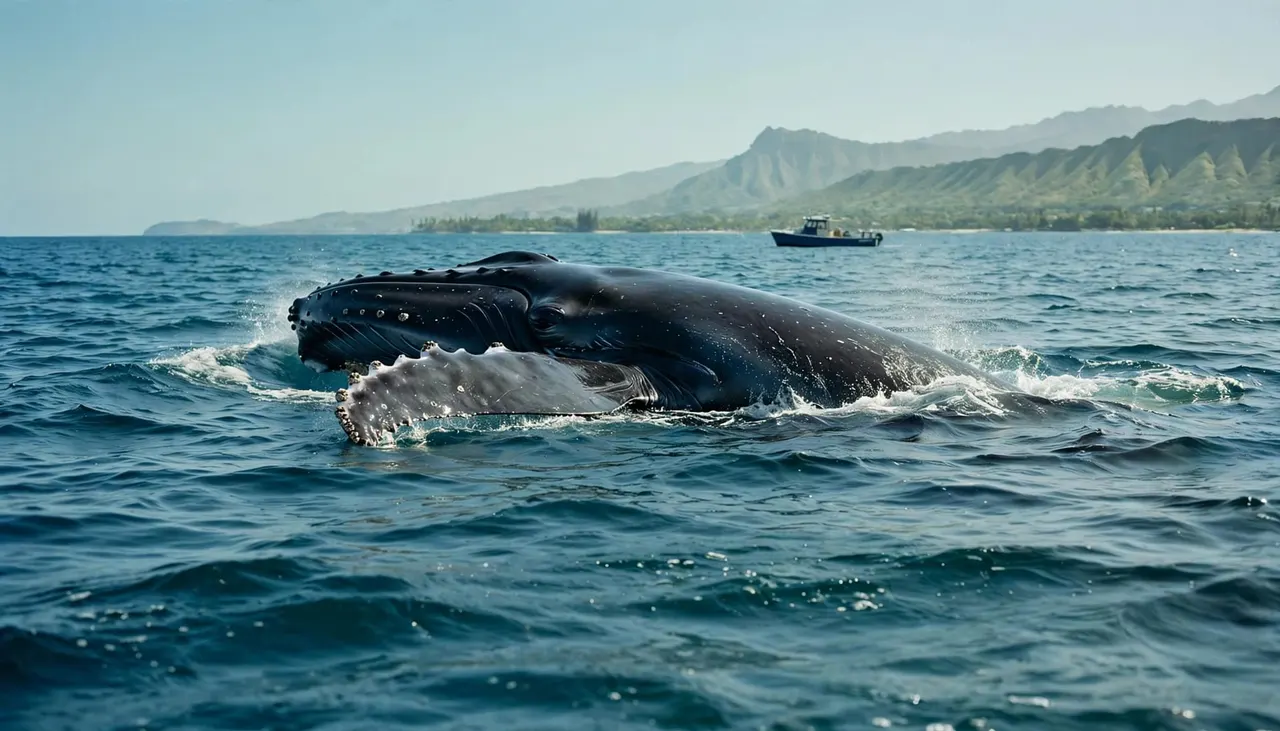
Instead of making humpback whale lice your viewing target, begin with features you can recognize across open water. Look for a blow, the curve of a surfacing back, or tail flukes lifting before a dive.
A breach may reveal much of the animal for an instant. However, that brief exposure doesn’t necessarily provide enough detail to identify organisms on its skin.
Our guide to humpback behaviors off Oahu can help you distinguish breaches, tail slaps, and spyhops. Recognizing those actions gives you something meaningful to observe even when a whale remains well offshore.
Use Photographs to Record Rather Than Assume
If you bring a camera, secure it with a strap and keep a comfortable position aboard. Take the wider photograph first so you preserve the whale’s outline and the context of the sighting.
Later, you can examine what the image actually captured. Enlarging a blurry photograph won’t create missing biological detail.
For a more practical identification subject, learn about individual humpback tail markings. Tail shape, pigmentation, and scars provide a different way to appreciate individual animals.
You can enjoy noticing those differences without assigning a name to every surface mark.
When Humpbacks Visit Hawaii
Your opportunity to observe humpbacks around Oahu follows their seasonal migration. Many North Pacific humpbacks spend warmer months feeding in colder northern waters, then travel to Hawaii for breeding and calf care.
According to NOAA’s Hawaiian humpback season guidance, whales are generally seen around the islands from November through April. The peak period is January through March.
Those dates describe the broader seasonal pattern. They don’t predict when one whale will surface near your boat or whether it will breach.
During a winter encounter, you might observe an animal traveling or a mother and calf surfacing together. Each offers something different from a close-up photograph: a chance to see a wild whale moving through its habitat.
Weather, sea conditions, and the whales’ movements affect each outing. Bring patience alongside your camera, and give quieter sightings as much attention as dramatic splashes.
Explore Oahu’s Winter Waters With Living Ocean Tours
Your whale watch should focus on observing wildlife without pressuring it into an encounter. At Living Ocean Tours, we depart from Kewalo Basin Boat Harbor, near Waikiki, with a crew that helps you watch respectfully.
We’re Oahu’s top-rated and most-reviewed whale watching tour company. Our double-decker vessels offer open viewing areas, shaded seating, onboard restrooms, and dry storage.
You can enjoy the coastline and Diamond Head views while our crew searches the water. However, no responsible outing can promise a particular whale behavior.
We’re also the only Oahu tour company with professional snorkel guides. Snorkeling and whale watching are separate experiences: your humpback encounter stays aboard the vessel.
Bring sun protection, a light wind layer, and a secure camera strap. If you’re prone to motion sickness, ask a pharmacist or doctor about suitable options before your trip.
Frequently Asked Questions About Humpback Whale Lice
Are Whale Lice the Same as Human Head Lice?
Whale lice are crustaceans, while human head lice are insects. Their shared common name doesn’t make them the same organism.
On your cruise, you’ll observe whales without handling them. Keep wildlife encounters aboard and follow the crew’s directions.
Can You Identify Whale Lice From a Breach Photo?
A breach photograph doesn’t automatically provide enough detail for identification. Although it may capture the whale’s body, movement and water can obscure its surface.
Treat an indistinct mark as an observation rather than proof of a particular organism. You can still enjoy the photograph without naming every feature.
Does a Whale Breach Because It Has Lice?
You can’t establish the reason for an individual breach from the display alone. A spectacular jump isn’t proof that a whale is trying to remove parasites.
Describe what you witnessed, such as a breach or repeated tail slap, without assigning a motive you couldn’t observe.
Appreciate the Whale Beyond the Close-Up
Humpback whale lice are part of a larger biological story, but they’re rarely a useful identification target during an Oahu outing. Understanding the difference between cyamids, barnacles, and natural markings helps you interpret what you see more carefully.
Give your attention to the whale’s observable behavior. A breath, a tail lift, or a calf beside its mother can reveal plenty without a microscopic view.


