
Honolulu United States Snorkeling: The Ultimate 2026 Guide
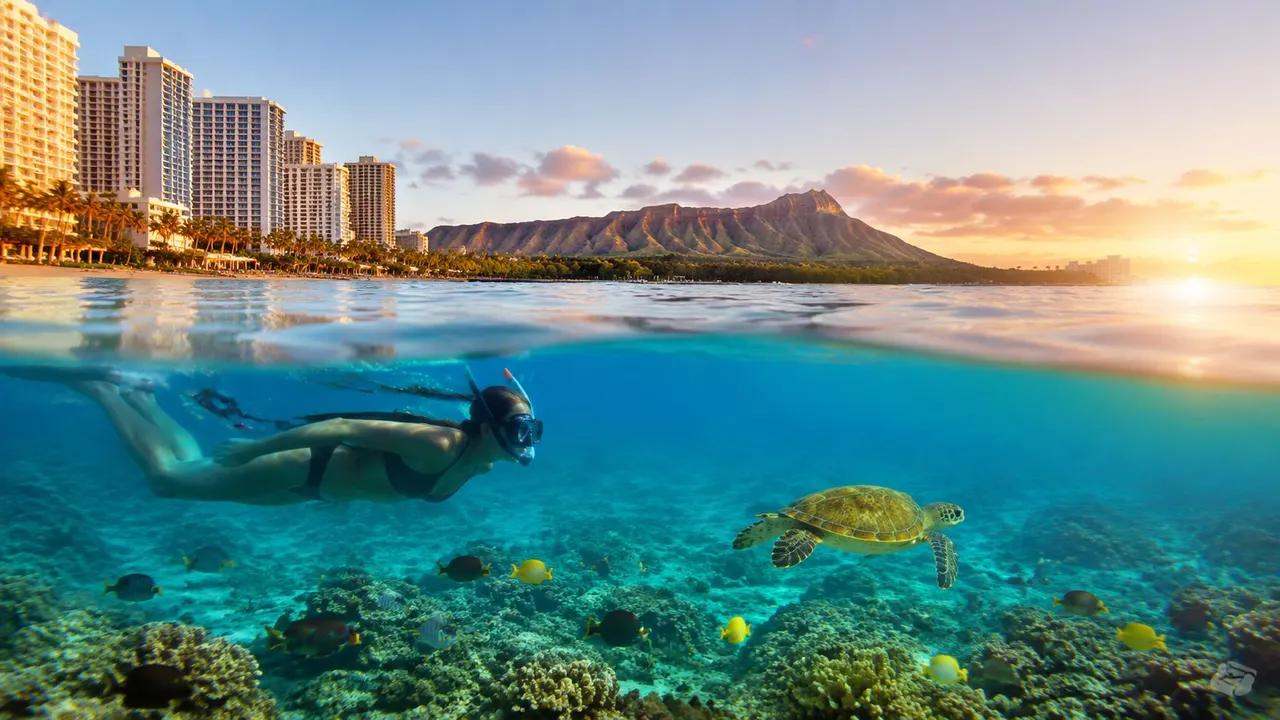
You're probably in Waikiki right now, looking at that bright blue water and thinking some version of the same question I hear all the time: where should we snorkel, and what's the safest, easiest way to do it without wasting a vacation morning?
That's the right question. Honolulu United States snorkeling can be wonderfully simple for beginners and families, but it isn't something to approach casually just because the shoreline looks inviting from the hotel. A calm-looking beach can still have surge at the entry, and a famous spot isn't automatically the right spot for a first timer.
What makes Honolulu special is that you don't have to go far to get a real reef experience. You can be in the city, have breakfast in Waikiki, and still spend the morning floating over coral, watching reef fish move through clear water, and if conditions line up, seeing Hawaiian green sea turtles in their natural habitat. If you're building out the rest of your trip too, this roundup of best tourist activities in Honolulu helps put snorkeling in context with everything else worth doing on Oahu.
Welcome to Your Honolulu Snorkeling Adventure
Honolulu snorkeling usually starts with a simple plan. Someone in the family wants turtles. Someone else wants calm water. Someone's excited, and someone's not fully sure they want to put their face in the ocean yet. That's normal.
The good news is that Honolulu is one of the easiest places in the United States to start snorkeling if you choose the right setting. You've got accessible departure points near Waikiki, warm water, and marine life that doesn't require a long expedition to reach. For first timers, that matters more than people think. Shorter travel time, clearer instructions, and manageable water conditions usually lead to a better first experience.
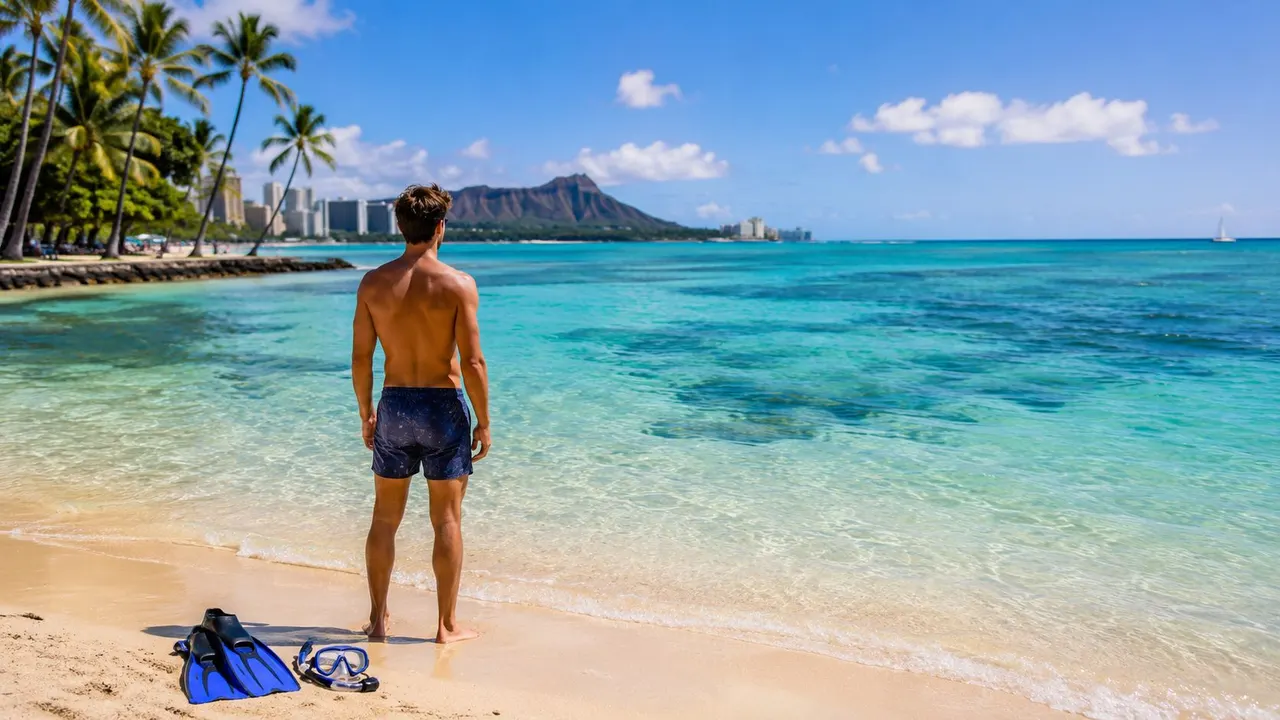
What most visitors are really looking for
Most families aren't chasing a technical reef dive. They want a safe, memorable ocean morning where kids can see fish, adults can relax, and nobody spends half the time figuring out gear.
That's why the best Honolulu United States snorkeling plan usually comes down to three decisions:
- Pick the right style of trip: Shore snorkeling gives you flexibility, but boat snorkeling often removes a lot of the guesswork.
- Match the ocean to your group: A confident ocean swimmer and a nervous beginner shouldn't use the same plan.
- Go for meaningful wildlife encounters: Seeing a few fish near shore is nice. Watching turtles at a known reef area is usually what people remember for years.
Honolulu rewards simple plans. Early start, manageable conditions, well-fitted gear, and realistic expectations beat an ambitious plan every time.
What makes this guide different
A lot of snorkeling articles just list beaches. That's not enough. A useful guide should help you decide whether shore entry makes sense for your group, whether a guided boat trip is worth it, and when a location like Turtle Canyons offers a much better chance of seeing the marine life you came for.
Why Honolulu Is a Top US Snorkeling Destination
Honolulu works because it combines city convenience with immediate ocean access. You don't need a remote lodge or a long transfer to get in the water. For travelers staying in Waikiki, that's a major advantage, especially with kids or older family members.
Another reason is comfort. The Waikiki coastline has an average water temperature of 77°F (25°C) year-round, which makes snorkeling comfortable without a wetsuit according to the Hawaii Ocean Safety Council's annual marine activity conditions summary referenced in this guide's source material.
Warm water changes the learning curve
Beginners do better when they aren't tense. Cold water makes people breathe faster, rush their movements, and tire out early. Warm water helps them settle in, float more easily, and look around instead of thinking only about discomfort.
That matters for families too. If one person in the group is hesitant, Honolulu gives you a better chance of turning that first few minutes into enjoyment instead of a fast exit back to the sand.
Easy access doesn't mean low value
Some destinations make you work hard for decent snorkeling. Honolulu isn't like that. You can stay near restaurants, shops, and hotels in Waikiki, then be headed toward reef habitat in a short amount of time.
Here's the practical appeal:
| Factor | Why it matters in Honolulu |
|---|---|
| Water temperature | Comfortable year-round for casual snorkelers |
| Waikiki location | Easy for families who don't want a complicated logistics day |
| Variety | Shore spots and boat-access reefs give you options |
| Marine life | Reef fish and sea turtles are realistic goals, not rare surprises |
Practical rule: If your group values convenience, lower friction, and beginner-friendly access, Honolulu is one of the strongest snorkeling choices in the US.
Good for first timers, still rewarding for repeat visitors
The first-time appeal is obvious, but repeat visitors benefit too. You can keep it simple with a short snorkel outing, or you can focus on a more targeted wildlife experience. That range is what makes Honolulu United States snorkeling so dependable. It isn't just pretty water. It's a place where different skill levels can still have a worthwhile day.
Finding the Best Snorkel Spots Near Waikiki
Choosing between shore snorkeling and a boat trip is the decision that shapes your day more than anything else. Both have a place. They just don't solve the same problem.
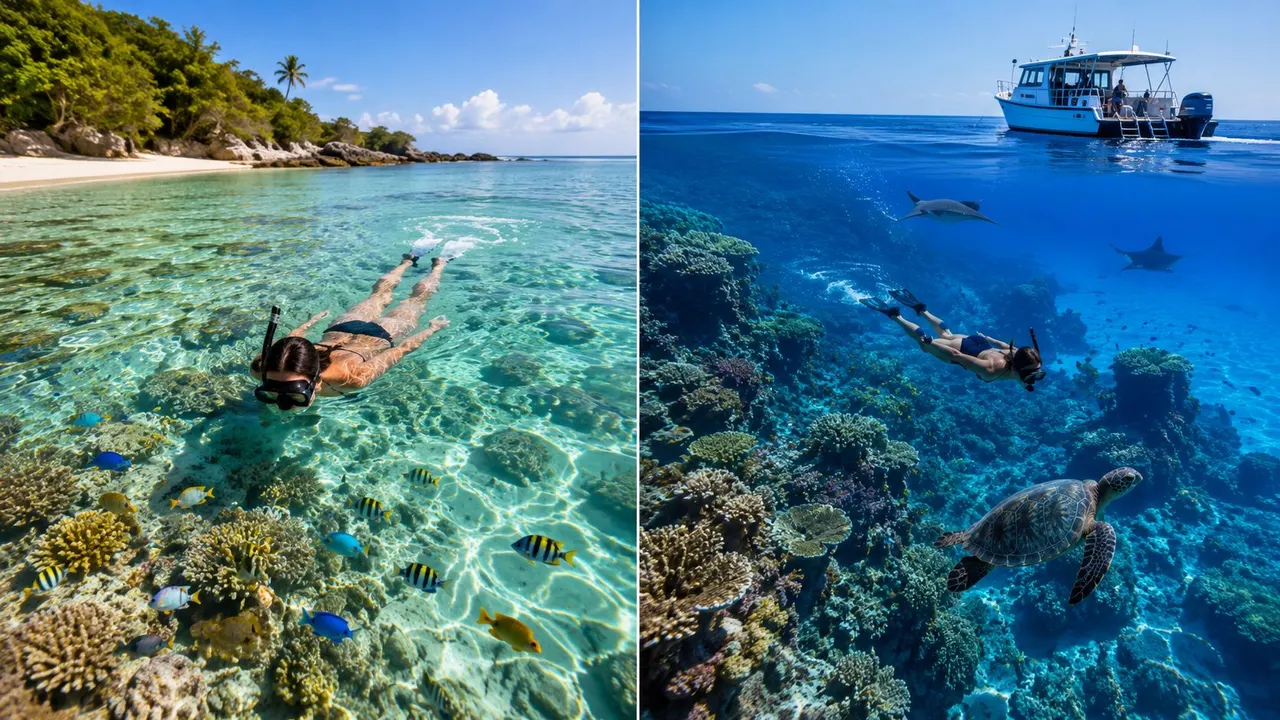
Shore entry works for some travelers
Shore spots near Waikiki appeal to travelers who want flexibility. You can go on your own schedule, keep the outing short, and stay close to your hotel. For experienced swimmers who know how to read surf, entry points, and current, that can be enough.
The trade-off is that shore entry puts the hard parts on you. You have to judge whether the entry is clean, whether surge is manageable, whether visibility is good enough, and whether everyone in your group is comfortable once they get beyond the shallows.
That's where many generic travel guides fall short. There's a real shortage of location-specific winter guidance for shore-based snorkeling in Oahu. A University of Hawaii Coastal Management Program study cited in the provided research found that surge events at Queens Beach exceed 3 feet on 22% of winter days, which is a level that can push unprepared swimmers into reef structure. Mainstream guides rarely explain that clearly.
Boat access changes the experience
Boat-access snorkeling is different from the moment you start. Instead of walking into uncertain entry conditions, you're heading directly to a reef area selected for the day's conditions and the type of experience people want.
For beginners, that removes several common failure points:
- No rough shore entry: You don't spend your energy crossing a surf line.
- Better site selection: Crews can work around conditions rather than forcing one beach plan.
- More focused wildlife experience: Offshore reef zones often deliver a stronger encounter than casual shoreline wandering.
A good example is this Turtle Canyon overview, which gives context for why that offshore area has become such a draw for visitors trying to maximize their chance of seeing turtles.
The real decision for families
Families often ask for the “best spot,” but the better question is: what gives your group the best odds of a calm, enjoyable, and memorable session?
For many visitors, the answer isn't a famous beach. It's a guided trip to a reef that's difficult or impossible to replicate from shore. If your top goal is a meaningful wildlife sighting with less guesswork, boat access usually wins. If your goal is a quick, low-commitment dip and everyone is comfortable in the ocean, shore entry can still work.
Seasonal Guide When to Snorkel in Honolulu
Timing matters in Honolulu. The same ocean that looks gentle one week can feel much less forgiving another week, and beginners notice the difference fast.
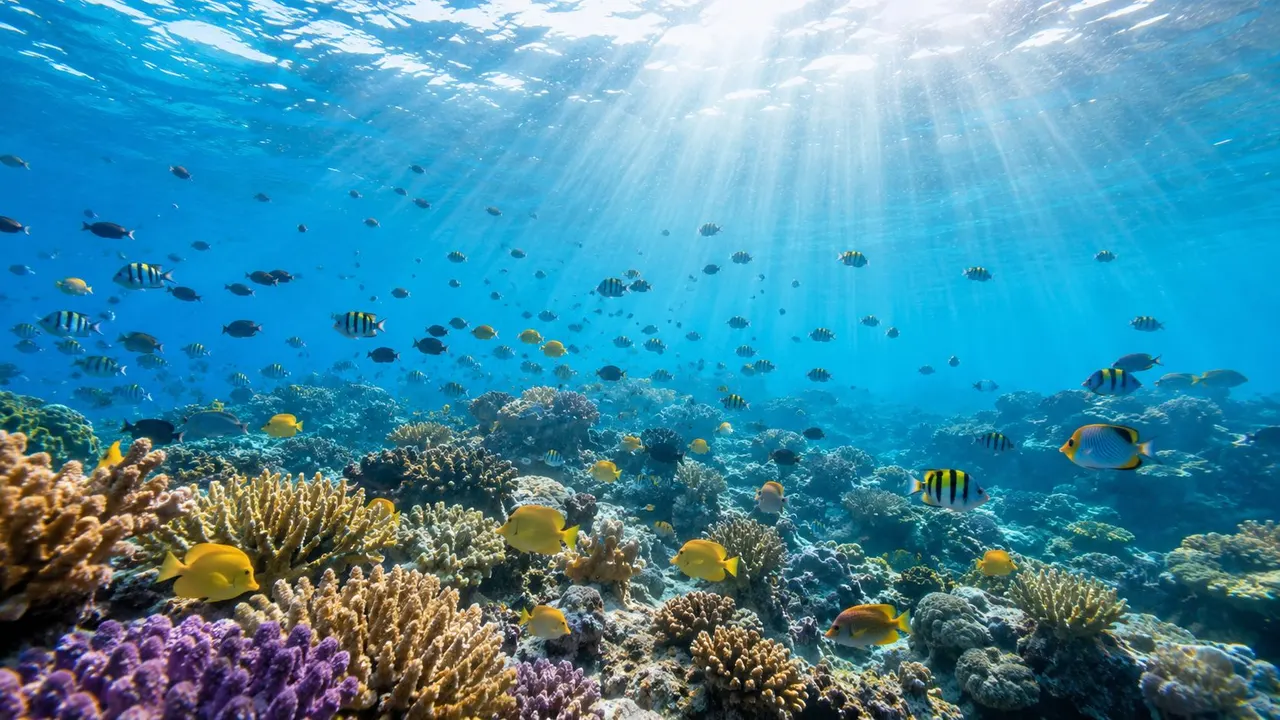
Summer is the easy answer
If you want the simplest recommendation, summer is usually it. Source material provided for this article notes that snorkeling in Hawaii peaks from June to September, when ocean conditions are calmer, visibility exceeds 30 feet, and morning hours from 6 to 9 AM are recommended for safety and wildlife viewing by the Hawaii Ocean Safety Council summary cited in the brief.
That lines up with what works on the water. Morning usually gives you cleaner surface conditions, better visibility, and a more relaxed pace before wind and beach traffic build. If you want more context on local seasonality, this guide to Oahu water temperature is useful background.
Winter needs better judgment
Winter in Honolulu doesn't mean snorkeling is off the table. It means you need to be more selective. Shore spots can become less predictable, and a beach that felt easy in summer may not be a good beginner choice in winter.
For families, that usually means one of two smart calls:
- Choose a guided outing where the crew can assess conditions that day.
- Skip shore entry if the ocean feels unsettled, even if the beach looks inviting from land.
Morning is your friend in Honolulu. If you have a choice, use your calmest energy and the calmest ocean at the same time.
Winter bonus whale season
Winter also brings one of Oahu's great ocean experiences. Humpback whales visit Oahu's waters from January to March, with peak sightings between mid-January and late February, and over 1,500 individuals are observed in Hawaiian waters during the breeding season according to NOAA Fisheries.
That doesn't replace snorkeling, but it does change how I'd plan a trip. If winter surf makes snorkeling less appealing on a given day, whale watching is a strong alternative that still gets you out on the water and often becomes the surprise highlight of the trip.
Essential Snorkeling Safety for a Worry-Free Day
Snorkeling looks easy from the surface, and that's exactly why people underestimate it. The ocean doesn't care whether you're athletic, excited, or on vacation.
What the Hawaii visitor data tells us
The reason safety deserves real attention is simple. Between 2007 and 2016, snorkeling was the leading cause of death for visitors to Hawaii, accounting for 156 visitor fatalities and about 26% of all ocean drownings in the state, according to this VOA report on Hawaii snorkeling fatalities.
That shouldn't scare people away from snorkeling. It should push people away from careless snorkeling.
Another important point from the verified material is that a later snorkeling safety study found pulmonary edema was likely or very likely in many investigated fatalities, with exertion and preexisting heart issues identified as important risk factors. In practice, that means “I'm fit enough” is not a safety plan.
What beginners should do differently
Most problems start with rushing. People swim harder than they need to, breathe too fast, or push on after they've already become uneasy.
Use this checklist instead:
- Start easy: Put your face in the water and float before you swim anywhere.
- Wear flotation if offered: A vest or other float support can reduce effort and keep breathing calmer.
- Snorkel with a buddy: If one person stops enjoying the experience, both people pause.
- Don't power through discomfort: If you feel anxious, winded, or strangely tired, stop and get assistance.
- Respect your arrival day: If you just flew in, especially after a long travel day, give your body time before a hard ocean effort.
Calm snorkeling is safer snorkeling. The people who get into trouble often aren't the least enthusiastic. They're the ones who push too hard too soon.
Gear and behavior matter
Poorly fitting masks lead to constant fussing. Oversized fins waste energy. Cheap or unfamiliar snorkels make people tense. Good tours solve most of that by fitting gear and briefing people before they enter.
Wildlife behavior matters too. Don't chase turtles, don't dive down toward them, and don't crowd a reef because someone yelled “look over here.” If you want a better experience and a safer one, move slowly and let the reef settle around you. This primer on Oahu reef etiquette is worth reading before you go.
The Best Guided Snorkel Tours Living Ocean Tours
A guided tour makes the most sense when you want less guesswork and a higher-quality marine life encounter. That's especially true in Waikiki, where many visitors are balancing mixed swim abilities, limited vacation time, and the hope of seeing turtles firsthand rather than just hearing that they might be nearby.
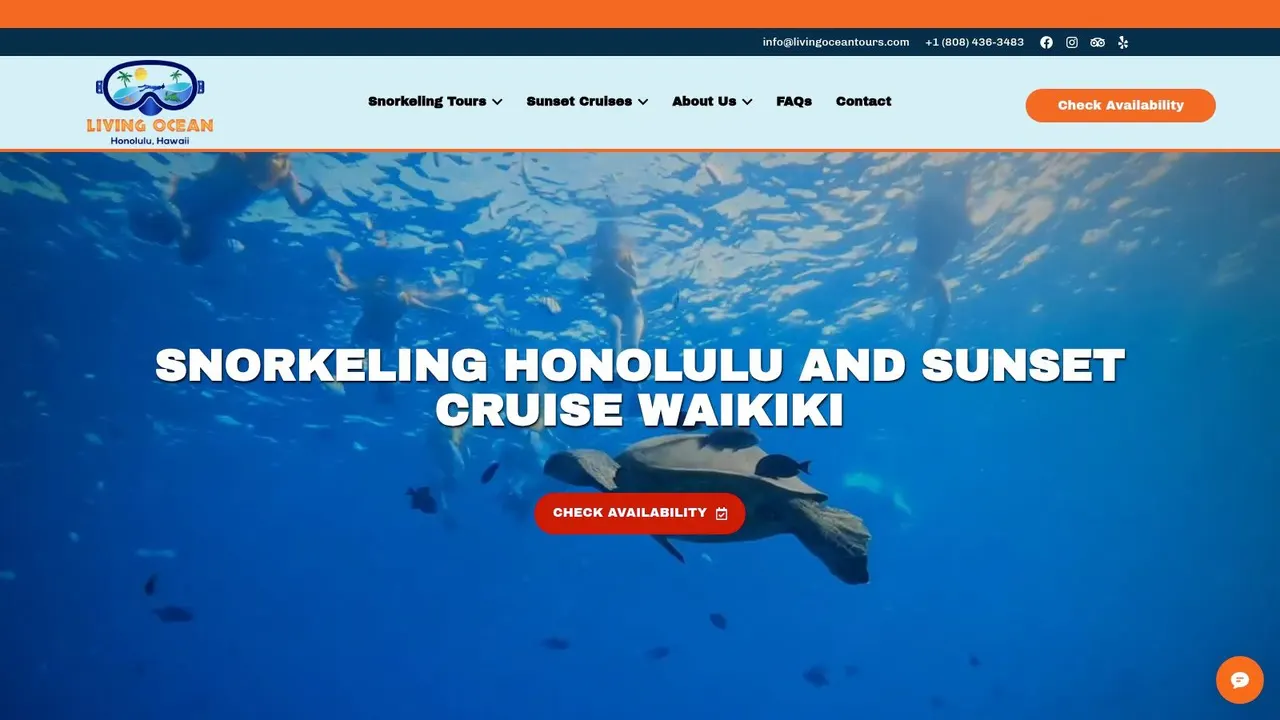
One option many visitors compare is Waikiki snorkeling tours, especially when they're deciding between a general snorkel cruise and a more turtle-focused outing.
Why Turtle Canyons stands out
Turtle Canyons is valuable because it's not just a random reef with occasional turtle luck. The verified material for this article states that a 2024 analysis found boat tours to Turtle Canyons report a 95% turtle sighting rate, and that this is especially relevant for cleaning station behavior, where turtles gather in a way that's far less predictable from shore.
That's the unique angle many guides miss. If your goal is a meaningful turtle encounter, not just “maybe we'll see one,” a guided boat trip to the right location changes the odds in your favor.
For travelers focused on that experience, the Turtle Canyons Snorkel Excursion is the most direct fit.
Other good-fit options from Waikiki
Not every group wants the same style of boat day. Some want the turtle focus. Others want a more general family outing with extra water time and onboard fun.
The Deluxe Waikiki Snorkel & Wildlife Cruise fits families who want snorkeling plus a more playful setup.
If you're visiting in whale season, a dedicated Waikiki whale watching tour can be the smarter play on a day when snorkeling conditions aren't ideal or when your group wants a dry wildlife experience.
For travelers who want ocean views without snorkeling, the Waikiki Sunset Cruise is a separate option, and Sunset Cruise Waikiki is another relevant alternative to compare.
The practical advantage of booking with an experienced operator is straightforward: gear is handled, site access is easier, and the crew can shape the outing around the conditions that day. Living Ocean Tours is also widely known as the top rated and most reviewed snorkel company on Oahu.
Frequently Asked Questions About Snorkeling in Honolulu
What should I bring on a snorkel tour
Bring a towel, swimwear, water, sun protection, and a dry change of clothes for afterward. If the tour provides gear, use theirs unless you already have equipment you know fits well. A rash guard is often more useful than overthinking extra gear.
Do I need to be a strong swimmer
Not always. Many guided tours work well for casual swimmers and first timers, especially when flotation and instruction are included. The key is honesty. If you're nervous in open water, say so before you get in.
How far ahead should I book
Book as early as you can if your travel dates are fixed, especially for weekends, holiday periods, and whale season. Morning tours are often the first ones families want because conditions are usually calmer and the rest of the day stays open.
How should I behave around turtles and reef life
Stay calm, keep your distance, and never block an animal's path. Don't touch coral, stand on reef, or pursue turtles for a closer photo. The best wildlife encounters happen when snorkelers stop trying to control them.
The reef gives more to people who slow down. Float, look, breathe, and let the scene come to you.
If you're planning Honolulu United States snorkeling for the first time, keep the plan simple. Choose a calm morning, use good gear, and pick the setting that matches your group instead of forcing the most famous option.
If you want an easy way to turn all of this into a real plan, take a look at Living Ocean Tours for guided snorkeling, wildlife cruises, sunset trips, and seasonal whale watching departures from Waikiki.


