
Honolulu Snorkeling Tour: 2026 Ultimate Guide
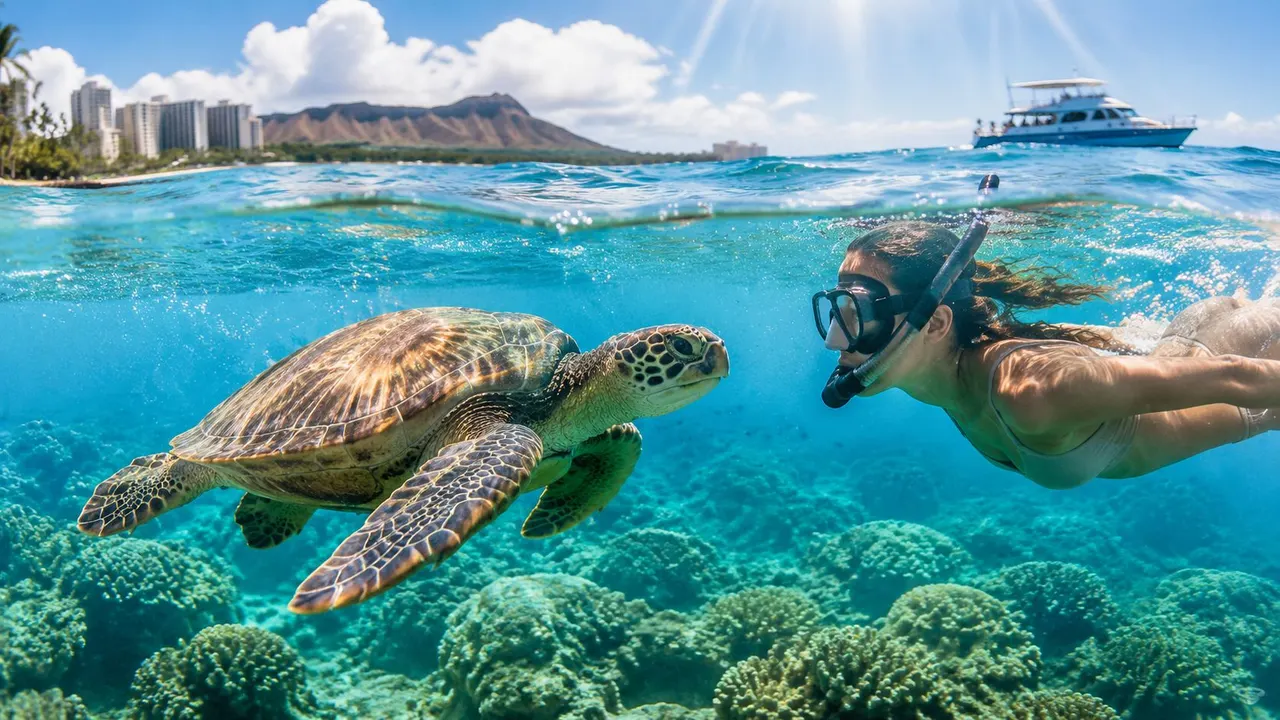
You're probably trying to decide whether a Honolulu snorkeling tour is worth the time, or whether it'll turn into a long boat ride with too little water time for the kids to enjoy. That's the right question to ask. The tours around Waikiki and Kewalo Basin work best when you understand the flow of the day, the season you're visiting, and how much supervision you want in the water.
A good trip here isn't just about seeing fish. It's about choosing the right boat, the right site, and the right month, so first-timers, non-swimmers, and mixed-age families can get in the water without feeling rushed or overwhelmed. Honolulu's visitor volume is large enough to support steady marine-tour demand, with 8,415,431 visitors in 2024 and 264.6 million statewide visitor days recorded by the Hawaii Tourism Authority, which is why operators can run frequent departures and still fill boats (2024 annual visitor research).
What to Expect on a Honolulu Snorkeling Tour
A typical Honolulu snorkeling morning starts before Waikiki is fully awake. You check in at Kewalo Basin, near 1085 Ala Moana Blvd suite 103, then get directed toward the boat leaving from the harbor area near Pier E-F. On a standard Waikiki-area trip, the outing is built to stay compact, with the whole experience often centered on an approximately 2-hour total duration (Marriott Activities listing).
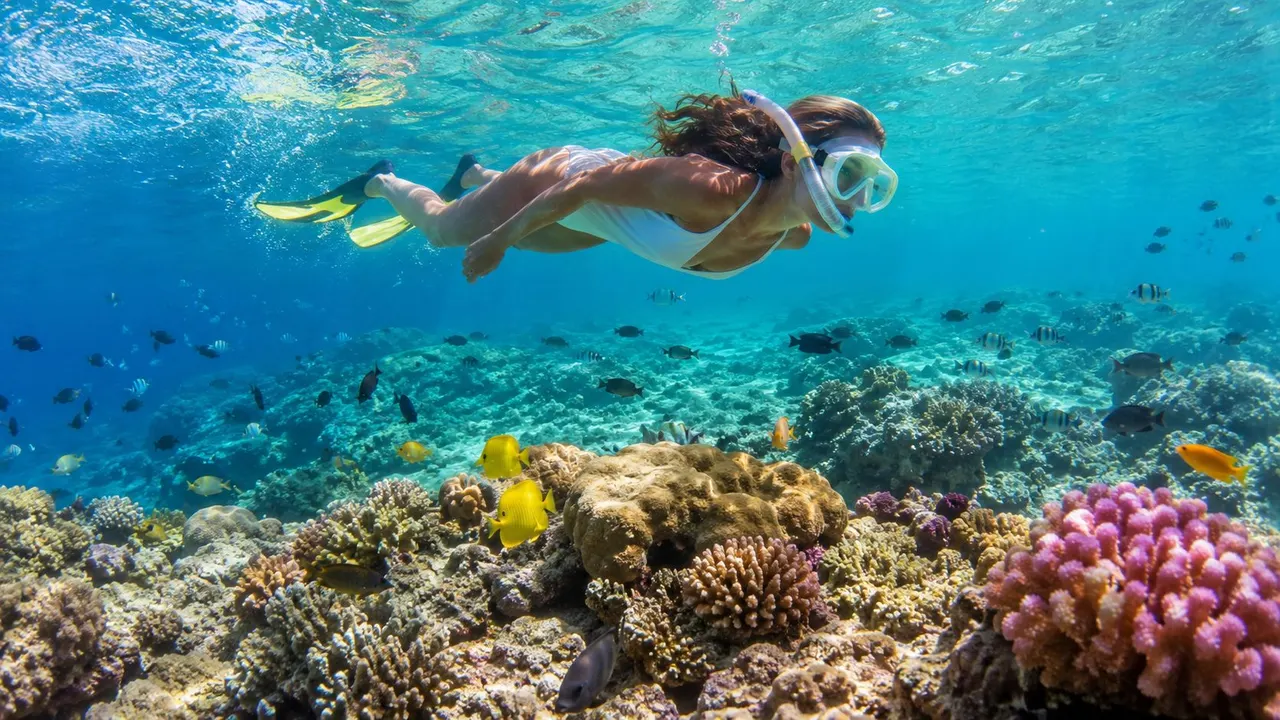
The first twenty minutes matter most
Once everyone is on board, the crew usually starts with a safety briefing and gear setup before the boat reaches the snorkel site. That part matters most for first-timers, because the guide can check mask seal, fin fit, and flotation comfort while there is still time to fix problems. The value is the guide shortening the learning curve so you are not spending the first stretch underwater fighting with a leaky mask or loose fins.
The boat ride also shapes the whole day. Honolulu snorkeling tours usually use a short transit to reach an offshore site, then focus the water time in one concentrated stop instead of spreading it across a long swim. Turtle Canyon-style departures are commonly described as a 2 to 3 hour total trip with only 45 to 60 minutes of snorkeling, which works well for families and beginners because the boat handles the logistics while the swim stays manageable. Hawaii Guide on Turtle Canyon snorkel timing
Practical rule: if the crew is comfortable with beginners, you will notice it right away. They explain how to enter the water, how to stay close, and how to signal for help without making the whole trip feel tense.
What the return usually feels like
After the swim, everyone climbs back aboard, removes fins, and takes a breather while the boat heads home. The return leg is usually calm, with people rinsing off, talking through what they saw, and comparing turtle sightings or fish colors. A standard Waikiki snorkel tour listed through Marriott ends back at the meeting point, and check-in is 15 minutes prior to boarding, which shows the operation is set up for a clean start and a clean finish (Marriott Activities listing).
That structure is part of the appeal. You are buying guided access, efficient site selection, and enough support to make the outing feel manageable for mixed experience levels. For travelers who want a broader sense of how turtle-focused trips fit into the local water scene, the guide on where to see sea turtles in Oahu gives useful background without changing the on-water reality.
Best Snorkeling Locations Accessible from Honolulu
Turtle Canyon gets so much attention because it solves a problem that shore snorkeling often can't. The site works like a natural turtle cleaning station, where Hawaiian green sea turtles gather while reef fish pick at parasites and algae, which gives snorkelers a reliable chance to observe turtles without crowding them. Living Ocean Tours' own turtle guide explains the experience in more detail on its page about where to see sea turtles in Oahu, and that's the key reason this offshore site is so popular.
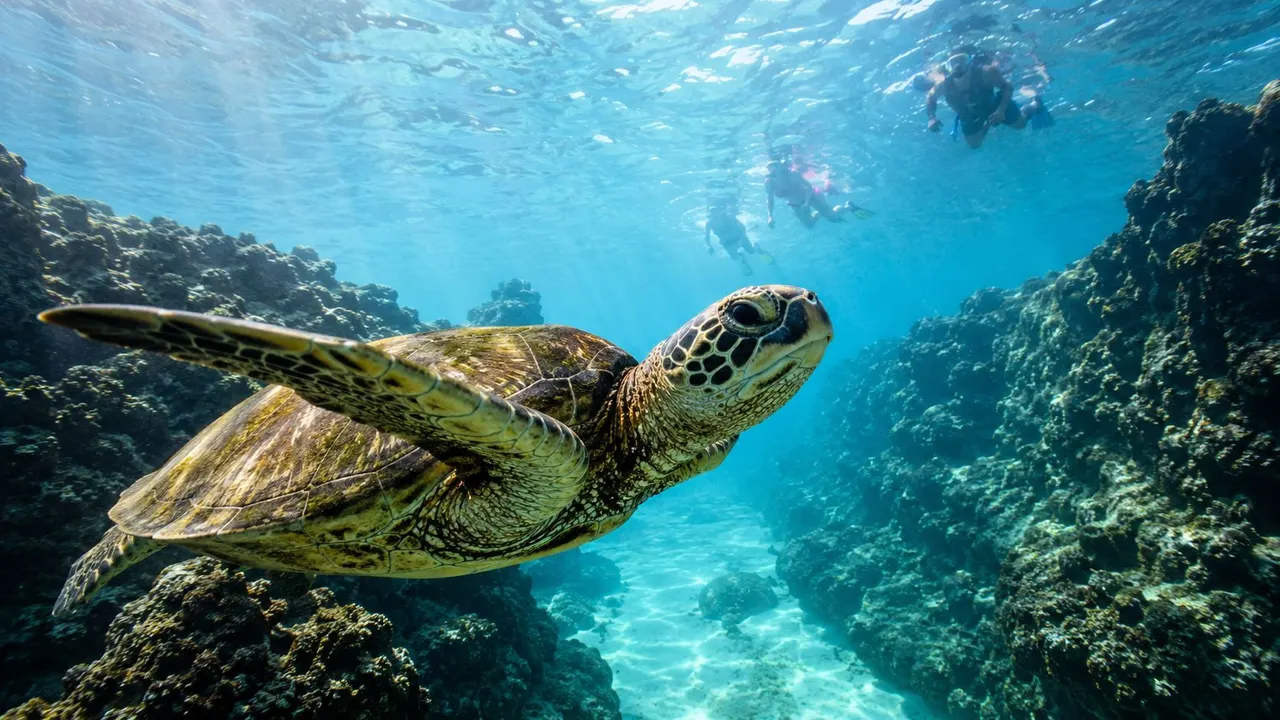
Turtle Canyon and nearby reef water
A boat trip to Turtle Canyon usually gives you a clearer, more controlled setup than a random beach entry. The water is offshore, the guides know where to anchor, and the snorkel time is concentrated in one place instead of spread across a long swim. That's why it suits first-timers, families, and anyone who wants to see marine life without guessing where the reef starts.
The bottom is less about a dramatic wall or deep drop and more about a working reef ecosystem. You're looking for turtles, reef fish, and calm enough water to keep people comfortable while they float and watch. That makes the site especially useful when you're traveling with people who don't want a challenging current, a long kick out, or a complicated beach approach.
Waikiki offshore reefs
Some Honolulu boats shift to offshore reef spots near Waikiki depending on conditions. These sites aren't always the headline name on the booking page, but they matter because operators can choose the water that best fits the day. The underwater terrain is usually easier to access from a boat than from shore, which is why these trips often feel calmer for guests who want structure and supervision.
Calm water beats a famous name when you're traveling with kids or first-time snorkelers.
That flexibility is the primary advantage of a guided tour. The captain can look at surf, wind, and visibility, then choose the site that makes the outing more comfortable. Shore snorkeling doesn't give you that option, which is why boat tours often win for mixed-age groups.
Why guided site selection matters
Guided boat access is less about adding glamour and more about reducing friction. You're not hunting for parking, watching shorebreak, or wondering whether the entry point will feel too exposed. You're joining a boat that already knows where the cleaner water is, which is exactly what many visitors need when they have one chance to snorkel in Honolulu.
That's also why the boat matters as much as the reef. The better tour companies aren't just selling a location, they're selling the judgment to choose the right one that morning. In Honolulu, that usually matters more than a long list of possible sites.
Types of Honolulu Snorkeling and Boat Tours
Different boats solve different problems on the water. Some are built around time in the water, some are better for kids who need something to do between snorkel stops, and others work better for couples or groups that care more about the ride than how long they stay floating. The right choice depends on how much of the day you want to spend snorkeling, how much you want handled for you, and whether anyone in your group needs extra support getting comfortable in the water.
| Tour Type | Duration | Best For | Key Features | Starting Price |
|---|---|---|---|---|
| Guided snorkel excursion | About 2 hours total | First-timers, families, marine-life watchers | Turtle Canyon access, gear, instruction, supervised water time | About $79 per adult ( Living Ocean Tours guide ) |
| Family wildlife cruise | About 2 hours total | Kids, mixed-age groups, non-swimmers who still want fun on board | Waterslide, trampoline, lily pad, wildlife viewing | Price not listed in VERIFIED DATA |
| Sunset cruise | Evening outing | Couples, celebrations, relaxed groups | BYOB feel, cash bar options, golden-hour views | Starting around $49 |
| Whale watching | Seasonal outing | Winter travelers, wildlife fans | Humpback whale season experience | Starting around $49 |
Guided snorkel excursions
This is the most direct Honolulu snorkeling tour for people who want structured time in the water. A guided run gives you gear, basic instruction, and supervision, which helps a lot if it has been a while since you last snorkeled or if your group includes nervous swimmers who need a steady pace. The water portion is usually the part guests remember most, so the crew's job is to make that stretch feel organized instead of rushed. For a practical overview of how these outings are set up, see the Oahu snorkeling excursions guide.
That format also works because the crew can manage the small details that trip up first-timers. Mask fit, fin sizing, ladder timing, and where people enter and exit the water all affect how relaxed the outing feels. If someone in the group tires quickly, a guided excursion makes it easier to keep everyone together without turning the day into a test.
Family wildlife cruises
These trips are for groups that want ocean time without making snorkel performance the whole point. A family cruise with a waterslide, trampoline, and lily pad gives kids something active to use on deck, while adults who do not want to snorkel can still stay involved and watch for marine life from the boat. That matters on mixed-age outings, because a child who gets bored on the bench can make the whole trip feel longer than it needs to be.
They also help with non-swimmers. If one person wants to stay dry, one wants to try the water briefly, and another just wants to watch, this format keeps the group together without forcing everyone into the same pace. The boat becomes part playground, part viewing platform, and part support system for the people who only want a short swim.
Sunset cruises and whale watching
Sunset cruises fit a different kind of Honolulu outing. The goal is a slower pace, easier conversation, and a ride that feels comfortable even for guests who are not focused on snorkeling at all. Living Ocean Tours lists sunset cruises starting around $49, which puts the emphasis on the experience itself rather than on water time.
Whale watching follows the same logic, but the target is seasonal wildlife instead of reef snorkeling. The start price listed for that outing is also around $49, and the value comes from being on the water at the right time for a different kind of encounter. For travelers who want an ocean trip without wetsuits, masks, or long time in the surf, these cruises are the cleaner fit.
Best Time of Year for Snorkeling in Honolulu
The month you visit changes the trip in practical ways. Water clarity, surface chop, and how long first-timers stay comfortable all shift with season and wind, so the same tour can feel easy in one month and demanding in another. Independent Oahu guidance says the calmer months are typically May through September, while winter tends to bring rougher ocean conditions that matter more for comfort and visibility (Oahu snorkeling seasonal guidance).
Calmer months and what they mean
Late spring through summer usually gives first-time snorkelers the friendliest setup. Smaller swell generally means easier entries, less bobbing in the water, and a better chance that kids will stay relaxed long enough to enjoy the reef. That does not guarantee perfect water every day, but it usually gives the crew more room to keep the outing steady and predictable.
Tour pages often say they operate year-round, and that part is true. The key difference is how much effort the group has to spend just managing the ocean before anyone gets to enjoy it. If your group includes people who get seasick, nervous, or tired quickly, the calmer months usually reduce the amount of coaching and rest breaks needed once everyone is in the water.
A shorter ride can matter less than a calmer entry. For families with mixed ages, a day that feels easy from the dock often leads to more actual snorkeling time once the boat anchors.
Winter tradeoffs
Winter visits can still be worthwhile, but the tradeoff is real. Bigger swells can make the ride less comfortable, especially for families and new snorkelers, while the season also creates a better chance of humpback whale sightings on the water. That makes winter more interesting for wildlife watching and less predictable for a gentle snorkel.
For whale watching, timing your trip for a different kind of ocean encounter matters more than snorkel gear. If you want a quieter reef session, winter is the season that asks you to accept more movement on the boat and more variation at the entry point.
The smartest move is to set expectations by season instead of by brochure. If you are traveling in winter, you are not booking the same ocean experience as a summer family trip, even if the boat and the site name look familiar. A seasoned crew can still make the outing work, but the water itself decides how mellow the day feels.
Water temperature planning
Water temperature affects how long people stay comfortable in the water, especially children and thin-framed adults. Use this Oahu water temperature guide if you are trying to decide whether your group will want an extra layer or a shorter in-water segment. For a mixed-age family, comfort often matters more than the exact snorkel route.
Safety Essentials and Gear Guidance for Snorkelers
A good Honolulu snorkeling day starts with the basics before anyone steps off the dock. Hawaii's official ocean safety guidance says to always snorkel with a buddy, avoid snorkeling at dawn or dusk, and stay out of murky water because low visibility raises risk (Hawaii Ocean Safety snorkeling guidance). It also tells snorkelers to check conditions first, avoid high surf, high winds, heavy shorebreak, and strong currents, and ask lifeguards if the water looks questionable (Hawaii Ocean Safety snorkeling guidance).
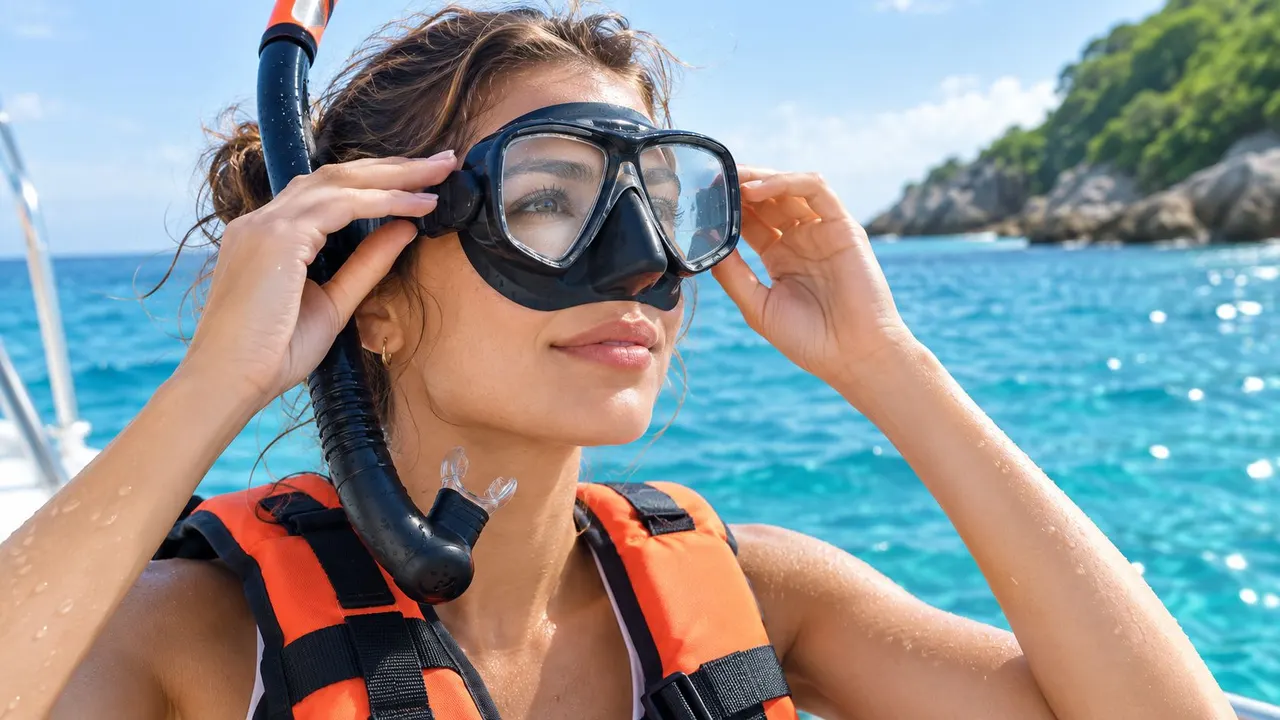
What good gear fit actually looks like
Mask fit should seal without pinching, and fins should feel snug without cramping toes. A leaking mask can turn a calm outing into a frustrating one fast, so the gear handoff should never be rushed. I watch for a clean seal around the face, straps that sit flat, and enough time to make small adjustments before anyone gets wet.
General beginner guidance also recommends trying gear before entering the ocean and staying relaxed, with flotation aids available when confidence is low (beginner snorkel guidance). That matters for non-swimmers, older guests, and children. A snorkel vest can lower anxiety while still letting the person float, breathe, and look around without fighting the water.
Good operators also talk about reef etiquette before the swim. A short reminder from Living Ocean Tours reef etiquette guidance should cover staying off the coral, keeping a respectful distance from wildlife, and moving slowly once you're in the water.
Questions worth asking before you board
- Do you help non-swimmers in the water? Some crews give real coaching, while others assume everyone already knows how to use the gear.
- Are flotation vests included? If they are, ask how they are used and whether the crew will help with fit.
- How long is the in-water segment? A shorter, focused swim often works better for families than a loose, open-ended session.
- What happens if conditions change? A responsible operator should explain how the captain handles wind, swell, and visibility.
A guided trip changes the tone of the day. You have a crew checking the water, adjusting the plan, and telling you if the surface is too rough before anyone commits to the swim. Ask questions early. A good crew expects them and answers them without making you feel out of place.
How to Choose the Right Tour Operator
A good Honolulu snorkel day starts with the operator, because the boat, the schedule, and the crew shape the whole experience before anyone gets in the water. Start with the operator that fits your group's comfort level, then compare how they handle transit time, entry points, and the amount of actual snorkeling once you arrive. A harbor close to Waikiki cuts down on friction, especially if you are juggling kids, breakfast, and parking. Kewalo Basin departures near 1085 Ala Moana Blvd suite 103 are convenient for that reason, and the return to the same meeting point keeps the day straightforward.
What to compare before you book
A strong operator is clear about what is included. That should cover the mask, snorkel, fins, flotation gear, and whether the crew gives hands-on instruction before the swim. Group size matters too, because a smaller or more attentive crew helps first-timers settle faster and keeps children from getting lost in a crowd.
The best operators also explain the trade-offs in plain language. Some trips spend more time getting to the site, which can be fine if the destination is the goal. Others keep the ride short and put more of the day into the water, which usually works better for mixed-age families and guests who tire easily. Ask how long you are snorkeling versus how long you are riding, because the brochure photo does not tell you that part.
Eco-practices matter in Honolulu because reef behavior shows up in the damage numbers. The Hanauma Bay carrying-capacity work observed 168 reef disturbances from 327 snorkelers over nine months, about one disturbance for every two snorkelers, which is a strong reminder that operator behavior affects the reef as much as guest behavior does (Hanauma Bay reef disturbance analysis). If a company talks about wildlife distance, instruction, and stewardship, that is part of the job, not a marketing extra.
Living Ocean Tours is a well-reviewed snorkel operator on Oahu, and its guide describes guided snorkel tours, sunset cruises, seasonal whale watching, and private charters with a focus on safety, sustainability, and marine education (Living Ocean Tours guide). For families, the Deluxe Waikiki Snorkel and Wildlife Cruise gives mixed-age groups more flexibility because it pairs snorkel access with a waterslide and trampoline. If you want to compare how one company organizes those options, their Honolulu snorkel company overview is a useful place to start.
How to read reputation signals
Look at how the company talks about marine life, not just how it photographs it. The better operators explain behavior, keep distance when needed, and make room for beginners to ask basic questions without embarrassment. They also tell you how they handle non-swimmers, what flotation support is available, and how the crew adjusts when conditions change. That is the difference between a tour that moves people around and one that manages the water experience.
Booking Tips and Day-of Preparation Checklist
If your dates are fixed, book early. That matters most during school breaks and other busy travel periods, when snorkel boats can fill and the better departure times go first. Honolulu has enough tour activity to keep daily departures moving, so waiting until the last minute usually leaves you with fewer choices. If you want a private charter for a celebration or a mixed-age group that needs a custom pace, ask early rather than waiting until the week of your trip (Hawaii Tourism Authority visitor research).
Pack light, but pack smart
Bring reef-safe sunscreen, a towel, dry clothes, and a waterproof phone case. A quick breakfast helps, but avoid a heavy meal that makes the ride uncomfortable. For families with young children, the cleanest setup is usually simple, a change of clothes, snacks if the operator allows them, and a clear plan for who is watching whom once everyone boards.
A small dry bag can help too. It keeps keys, medications, and spare sunglasses together without taking up much deck space.
Check-in habits that save time
Arrive on time and do not assume the boat will wait. Standard Waikiki snorkel listings note 15 minutes prior to boarding for check-in, and the activity returns to the meeting point after the trip (Marriott Activities listing). That timing is exactly why it helps to be ready before you reach the harbor.
- Bring reef-safe sunscreen and apply it before arrival.
- Wear your swimsuit under your clothes so boarding is faster.
- Keep valuables minimal because deck space is limited.
- Ask about flotation gear if anyone in your group is nervous in the water.
- Choose private charter options if the occasion calls for more space or a slower pace.
What good gear fit looks like
Mask fit matters more than most first-time snorkelers expect. The mask should seal without pinching, and the strap should sit flat enough that it stays put when you move your head. If your mask leaks right away on land, it will leak more in the water, so ask the crew to adjust it before departure.
Fins should feel snug without cramping your toes, and flotation devices should let you float without fighting the gear. For non-swimmers, that usually means starting with a vest or noodle, staying close to the guide, and keeping the first entry simple. A good crew will explain how to get in, how to breathe through the snorkel, and how to surface if you need a break.
Match the tour to the group
A Honolulu snorkeling tour works best when the booking aligns with the conditions, the crew, and the people on the boat. If you are traveling with children, older relatives, or first-time snorkelers, choose a departure that leaves room for slower pacing and more in-water help. If you want more flexibility, a private charter can reduce pressure on the group and give the crew more room to adjust the route or the schedule.
Season matters too. Calmer water days are easier for beginners and mixed-age families, while rougher conditions can shorten the time people stay comfortably in the water. Ask how much of the trip is transit, how much is actual snorkel time, and how the crew handles guests who decide to stay on board. Visit Living Ocean Tours to see the current snorkel, sunset, whale watching, and charter options, then choose the outing that fits how you travel.


