
Snorkeling Oahu: A Field Guide to Hawaiian hawkfish
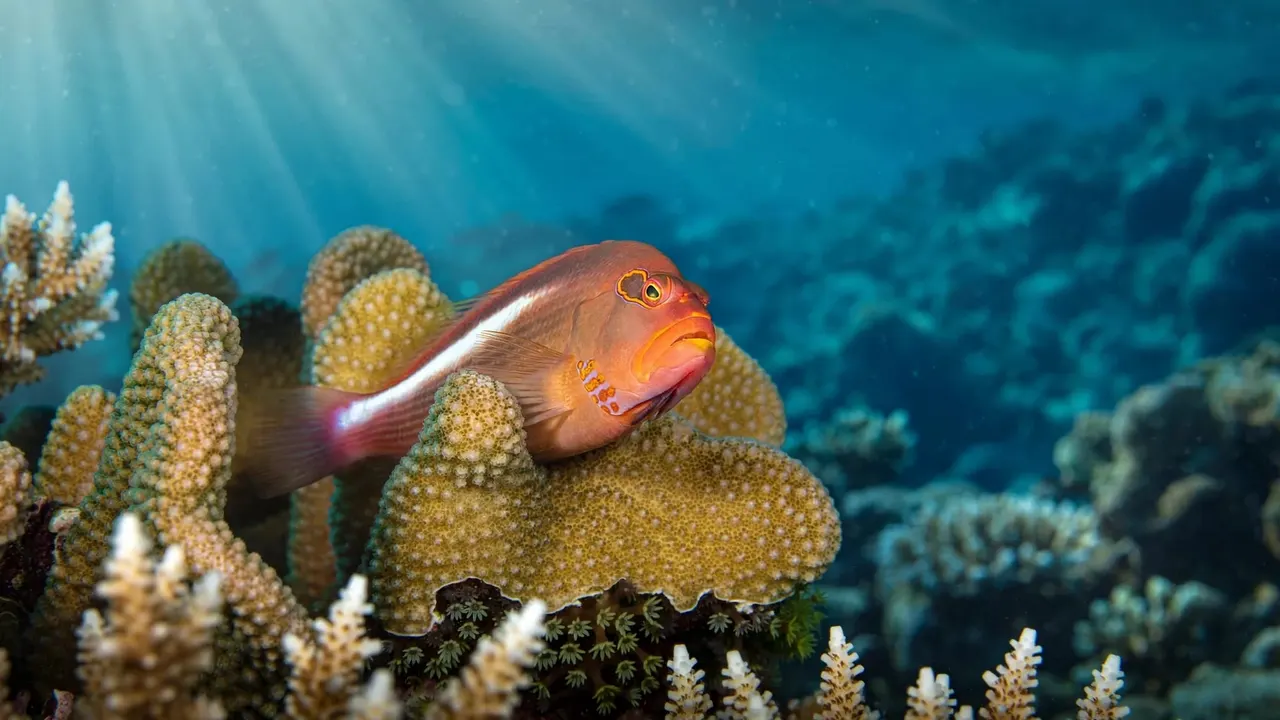
You can spot Hawaiian hawkfish by looking for small reef fish resting on coral instead of swimming in schools. The arc-eye hawkfish is a useful species to learn first because of its distinctive marking behind the eye.
At Living Ocean Tours, you explore Oahu’s reefs with professional snorkel guides in the water, a service only our tour company offers. That support lets you concentrate on patient observation while getting comfortable with your equipment.
Start with the fish’s shape and markings, then learn where to direct your attention.
Meet the Hawaiian hawkfish you can recognize
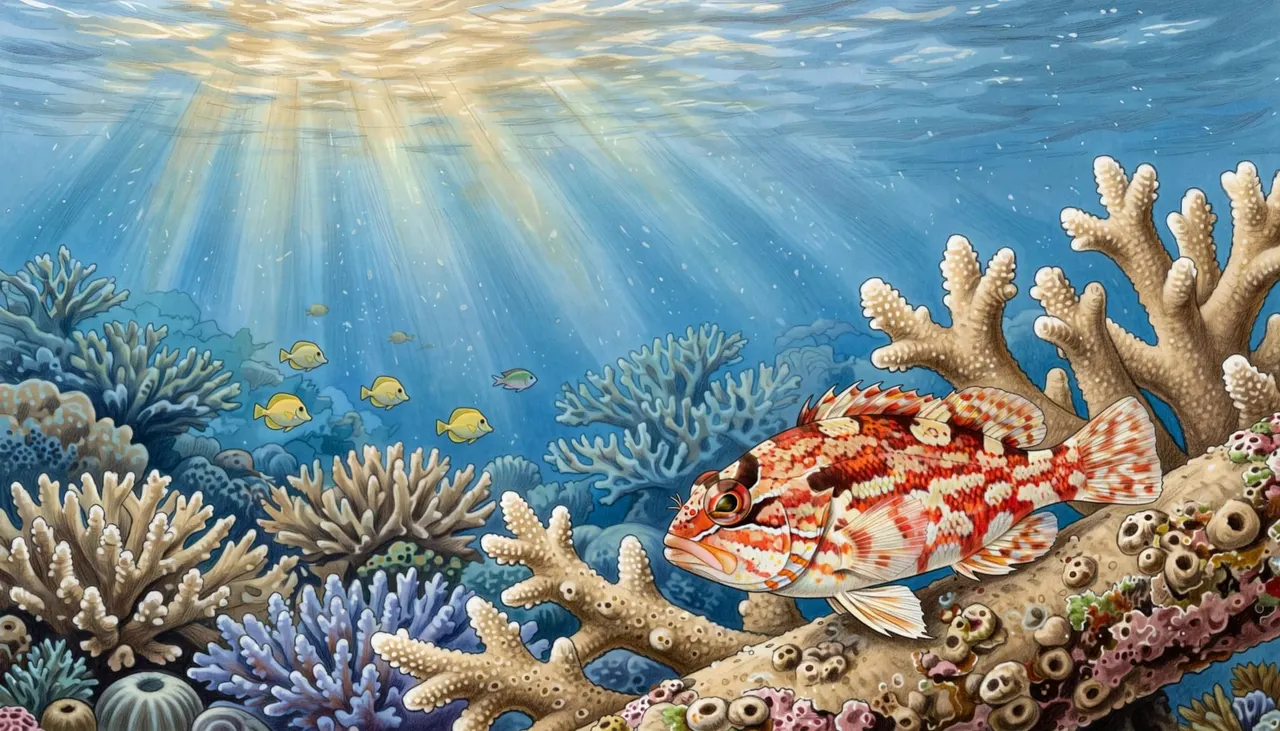
Several hawkfish species inhabit Hawaiian reefs, so the name alone doesn’t identify every fish you encounter. Your starting point here is the arc-eye hawkfish, Paracirrhites arcatus, known locally as piliko’a.
The species also appears as “pili koa” in NOAA’s Hawaiian fish habitat study. Recognizing both names helps you connect a reef sighting with information in a Hawaiian fish guide.
Look behind the eye
The strongest identification clue is an angled, U-shaped or horseshoe-like marking behind the eye. Look for that mark before relying on the fish’s overall color.
Its compact body and resting posture provide supporting clues. However, neither feature confirms the species alone. A fish partly hidden among coral branches may remain unidentified until it turns and exposes its head.
If you can’t see the eye marking clearly, keep your identification tentative rather than swimming closer.
Treat color and size as supporting clues
Body color varies, and some Hawaiian individuals have a broad pale stripe along the back or upper side. Others lack that stripe.
NOAA’s local fish guide gives a size of approximately 5.5 inches, or 14 centimeters. FishBase reports a maximum length of 20 centimeters, approximately 8 inches.
Those figures describe different references, not a size every snorkeler should expect. A small, partly concealed fish can be easy to overlook beside a busy coral head.
Where to look on Oahu’s reef
Hawaiian hawkfish reward a different search pattern than schooling fish. Direct your attention toward reef structure and resting places rather than open water.
Scan branching coral
Arc-eye hawkfish commonly perch on small branching corals. FishBase describes their lagoon and seaward reef habitat, including their association with branching coral heads.
Look along exposed branch tips, then examine the spaces between branches. A motionless fish can blend into the uneven background, especially when its body sits partly in shadow.
You don’t need to search every coral head. Choose one visible patch and study it without approaching closely. Moving continuously across the reef can make these small residents harder to notice.
Keep your search within comfortable surface viewing
FishBase’s usual depth range for the species is approximately 1 to 33 meters. That range includes shallow reef habitat but extends well beyond normal snorkeling depth.
For your outing, stay with reef sections you can observe comfortably from the surface. You don’t need to dive down to turn a brief sighting into a confirmed identification.
Water clarity, glare, and your viewing angle affect what you can distinguish. When details remain unclear, enjoy the behavior and leave the species name open.
How to spot a hawkfish without chasing it
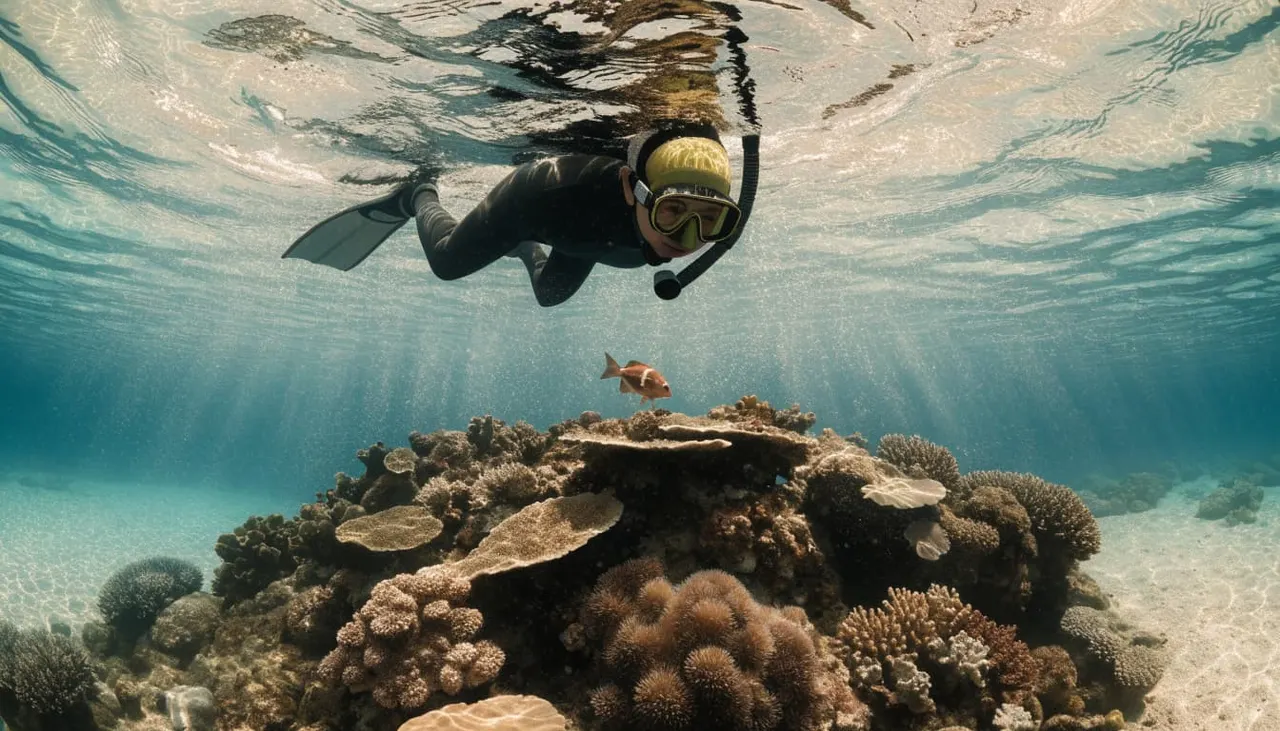
Your first useful observation may be a fish staying still while everything around it moves. Slow your search before trying to improve your view.
Give one reef patch a quiet observation window
Spend about 20 to 30 seconds watching a visible patch of reef, provided conditions and your position allow it. This is an observation exercise, not a promise that a fish will appear.
Notice which shapes remain fixed while nearby fish pass through. Then look for an eye, fin, or small change in posture.
Keep your fins controlled and your breathing comfortable. If you drift, follow your guide’s instructions rather than fighting the water to remain above one coral head.
Watch movement between resting places
A hawkfish may leave its perch and settle elsewhere nearby. Follow the movement with your eyes instead of swimming after it.
The next resting position can reveal the side of its head or the outline of its body. Meanwhile, a change in angle may make the eye marking easier to see.
If a fish retreats as you approach, stop closing the distance. Moving farther away gives you a chance to observe without continuing the disturbance.
You can remember a useful sighting even without a photograph: note the perch, eye marking, and direction of movement.
Read the behavior, not just the colors
A resting hawkfish is still participating in reef life. Arc-eye hawkfish feed on prey including shrimps, crabs, other crustaceans, and small fishes.
That diet gives context to their watchful posture. However, you shouldn’t label every sudden movement a hunting strike. A fish may reposition, respond to another animal, or react to your approach.
For Hawaiian hawkfish identification, behavior supports what you see in the markings. Perching alone isn’t enough to name a species.
Color also deserves caution. A published arc-eye hawkfish color-morph study documents multiple color forms and differences in their relative abundance among habitats. You can therefore encounter individuals that look less alike than a single field-guide picture suggests.
When discussing your sighting afterward, describe the evidence you remember. “Small fish perched on branching coral with a curved mark behind its eye” gives your guide more useful information than “orange fish.”
For families, comparing those details is an easy way to continue the discovery once everyone returns aboard.
Protect the reef while keeping yourself comfortable
A good wildlife encounter leaves the fish undisturbed and keeps you within your swimming ability. Equipment comfort matters because distractions can pull your attention away from your surroundings.
Keep your body and equipment clear of coral
Float above the reef without standing, kneeling, or resting a hand on it. Keep your fins and camera clear as well.
If your mask needs adjustment, move into clear water or use the support your guide provides. Coral isn’t a handhold.
Don’t feed fish to draw them into view. Feeding changes the encounter you came to observe. The same non-contact approach appears in Hawaii ocean safety guidance, which advises against touching, feeding, chasing, or crowding wildlife.
Put swimming comfort before identification
Snorkel with a buddy and follow your crew’s instructions about boundaries and water entry. Tell your guide about mask problems, fatigue, or nervousness before those concerns interrupt your swim.
Although a boat and guides provide support, ocean conditions still matter. If you feel uncomfortable, return using the crew’s instructions rather than extending your search.
You can enjoy reef observation without diving beneath the surface. A clear, relaxed view from above is more useful than a rushed close-up that leaves you tired or out of position.
Explore reef life with our professional snorkel guides
With our guided snorkeling tours in Waikiki, you get equipment, instruction, and in-water support. We depart from Kewalo Basin Boat Harbor near Waikiki, giving you boat access to offshore reef habitat.
Before entering the water, let our crew know about swimming nerves, equipment concerns, or the help your family needs. Getting comfortable first leaves more attention available for noticing small reef residents.
Our professional snorkel guides can respond to the details you observe. You don’t need to arrive with a species name or a complete fish checklist.
Your search for Hawaiian hawkfish remains a wildlife experience, not a guaranteed sighting. Fish visibility and encounters vary, so enjoy the wider reef community while watching for that distinctive perch and eye marking.
Once you’re aboard again, shaded seating, onboard restrooms, and dry storage provide a comfortable place to regroup. Couples can compare observations, while families can discuss which details everyone noticed.
See what guests share about their time on the water:
Choose a guided reef outing for your Oahu visit:
Key takeaways for your reef search
- Look for the arc-eye hawkfish’s curved marking behind the eye, then use its shape and posture as supporting clues.
- Watch branching coral patiently instead of searching only for moving schools.
- Keep uncertain sightings uncertain when markings remain hidden.
- Maintain space between your body, equipment, coral, and wildlife.
- Ask your guide for help with equipment or observations before discomfort distracts you.
Frequently asked questions
Is the Hawaiian hawkfish found only in Hawaii?
The arc-eye hawkfish occurs across the tropical Indo-Pacific, so you shouldn’t treat it as a Hawaii-only species. Its Hawaiian name and presence on local reefs connect it with your Oahu experience without making it endemic.
Can you identify one by color alone?
Color alone is unreliable because arc-eye hawkfish have different color forms. Focus first on the curved marking behind the eye. Then consider body shape, perching behavior, and any pale stripe you can see.
Do you need to dive down to see hawkfish?
You can search shallow reef habitat while snorkeling at the surface. However, visibility determines how much detail you can distinguish. Stay within your comfort level rather than diving down for a clearer identification.
Are hawkfish sightings guaranteed on a guided trip?
No particular hawkfish sighting is guaranteed. Your guided outing provides access, equipment support, and help observing reef life. Even without a confirmed hawkfish, watching where fish rest and how they move can make the swim rewarding.
Leave with a sharper eye for reef life
Finding Hawaiian hawkfish starts with slowing your search. Watch coral perches, look for the eye marking, and let the fish reveal details without pressure.
Our guides help you stay comfortable while you observe. Whether you confirm an arc-eye hawkfish or remember an unidentified reef resident, patient, respectful snorkeling gives you more to notice.


