
Guide to the Best Snorkeling in Hawaii for 2026
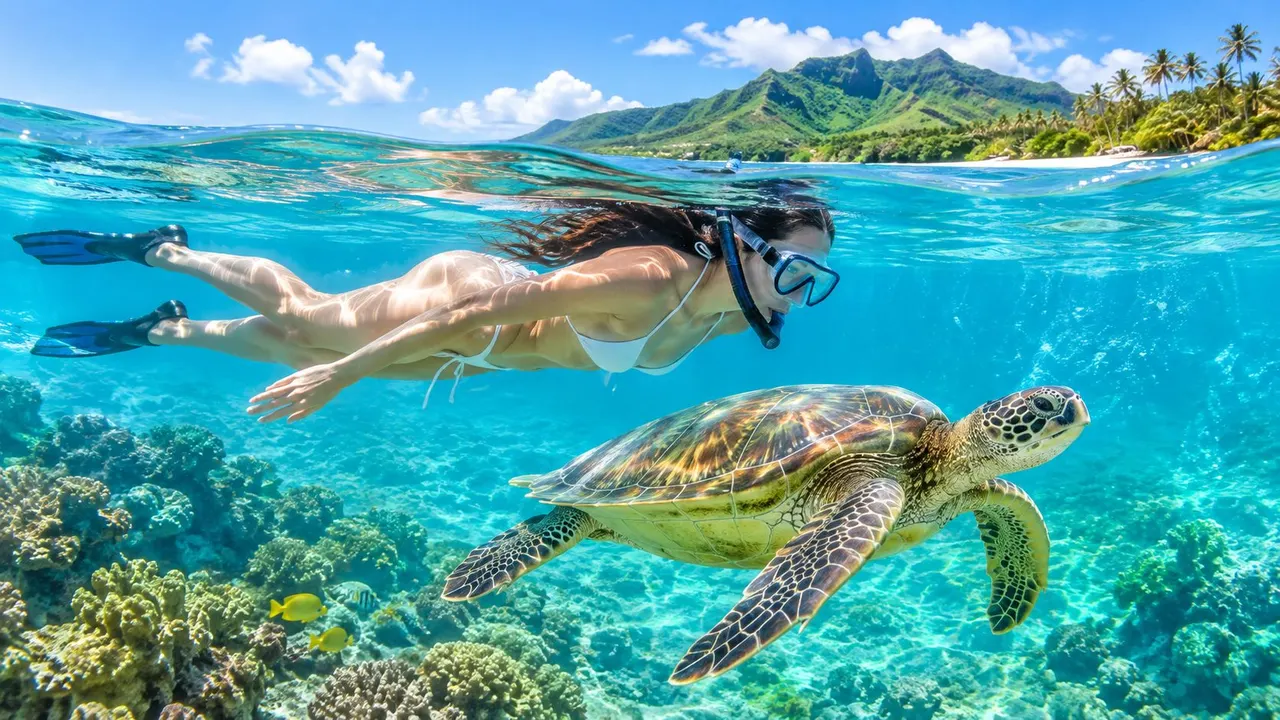
You're standing at the rail on a Waikiki morning, waiting for the crew's signal to slip into the water. Your mask fogs for a moment, then clears. Ten feet below, a green sea turtle glides over the reef. The best Hawaii snorkel days often begin plainly, but choosing the right place, timing, and format for your group takes more than picking the prettiest beach photo.
This guide to the best snorkeling in Hawaii puts conditions and wildlife etiquette ahead of a generic ranked list. It moves from the islands' varied reefs to Oahu's practical choices, including Turtle Canyons, then covers safe timing, gear, responsible turtle viewing, tours, and flexible itineraries. The aim is straightforward: spend less vacation time comparing tabs and more time in the water when the ocean is right.
Planning a Snorkeling Trip to Hawaii
A great snorkel outing isn't measured by how far you swim or how many sites you squeeze into a day. It's a comfortable entry, clear enough water to see the reef, and a group that can relax without being pushed beyond its abilities. For families and first-time snorkelers, an easy exit and reliable guidance can matter more than reaching a famous spot.
Start with your group, not a map. Ask who's confident in open water, who may need flotation, and whether anyone would feel safer entering from a boat than negotiating a rocky shoreline. Then check the day's conditions and choose a site or tour that suits the least experienced swimmer.
Build the day around conditions
Morning is often the better window, but no time of day makes rough or murky water safe. Check wind, waves, current, and the entry and exit before committing. If conditions are poor, change the plan or stay out. A reef will still be there when the water settles.
Oahu offers different ways to get in. Shore snorkeling gives you flexibility, while a guided boat trip can take the entry and gear logistics off your hands. For a shore-based outing, review practical details about snorkeling at Hanauma Bay before you build the day around it.
This guide is designed to help you choose among Hawaii's island-wide highlights, compare Oahu sites, and decide whether a guided trip fits your group. It also explains how to watch turtles without interrupting them. The useful takeaway is simple: choose a calm, manageable experience, and let the ocean's conditions shape the plan.
Why Snorkeling Is Big in Hawaii
A busy snorkel site can feel very different when swimmers give one another room and keep clear of the reef. Snorkeling is a major part of a Hawaii visit: 42.7% of U.S. visitors selected it in a visitor activity-participation table from Hawai'i's Department of Business, Economic Development & Tourism (visitor activity data). That popularity makes practical choices matter. For families, conditions and a manageable entry count for more than the site's reputation.
Hawaiian green turtles, or honu, are part of what draws people into the water, and their recovery has a long history. Systematic monitoring at East Island began in 1973, when the population was severely depleted after decades of hunting and commercial harvest. NOAA research estimates an average population increase of approximately 5.4% per year from 1973 onward, while cautioning that annual nesting counts fluctuate and are not a perfectly uniform measure of recovery. NOAA reports nearly 500 females now nest annually, compared with 67 nesting turtles recorded in 1973 (NOAA turtle research).
Protection helped support that recovery. Hawai'i prohibited commercial green-turtle harvest in 1974, followed by federal protection under the Endangered Species Act in 1978. Turtles still face habitat loss, fishing-line entanglement, light pollution, and climate change.
Popularity makes small choices count
A NOAA recreational survey interviewed 771 snorkelers and 532 divers. In the survey, the Island of Hawai'i accounted for 45% of reported diving and snorkeling activity among the main Hawaiian Islands. Most respondents had snorkeled approximately 7–15 times in their lifetimes. These findings describe participation, not ability. Previous experience does not guarantee comfort in a new spot, especially when the entry, equipment, or water conditions differ from what a visitor knows.
A turtle sighting is a wildlife encounter, not an invitation to approach. Recovery reflects years of monitoring, regulation, and habitat stewardship, and visitors can help protect it by keeping their distance and following local rules. For a first-time family, choose a site and time that suit the day's water conditions, then pick a shore plan or tour that allows everyone to enjoy the reef without crowding turtles or damaging coral.
Top Hawaii Snorkel Sites Worth Booking Travel Around
Hawaii's headline snorkel sites offer different rewards, but none is the right choice in every condition. On Oahu, Hanauma Bay is a well-known shore option with a protected inner reef and visitor facilities. Its main planning drawback is access: check reservation and entry arrangements before you build the day around the bay.
Sharks Cove offers lava formations and underwater features that appeal to confident swimmers, but the North Shore's seasonal contrast matters. Winter swell can make an exposed entry unsafe. Summer can bring better opportunities, but you still need to assess the water on arrival. Kuilima Cove is a quieter, more sheltered-feeling alternative for families when conditions are suitable, though it doesn't have the same level of oversight as a guided excursion.
Electric Beach attracts experienced snorkelers interested in clear water and abundant marine life. It's less forgiving for a mixed-ability family group because currents can be present and conditions vary. Don't mistake an appealing view from shore for a safe entry.
Compare the trade-offs
| Site | Best For | Main Constraint |
|---|---|---|
| Hanauma Bay, Oahu | Shore snorkeling with visitor infrastructure | Check reservation and access requirements |
| Sharks Cove, Oahu | Confident swimmers interested in lava formations | Winter surf and rocky entry |
| Kuilima Cove, Oahu | Families seeking a cove on a suitable day | Conditions still change, and supervision is limited |
| Electric Beach, Oahu | Experienced swimmers | Currents and variable conditions |
| Waikiki and Turtle Canyons, Oahu | Visitors who want convenient boat access | Ocean state still determines whether the outing suits the day |
Across the islands, North Shore sites can change sharply with the season, so don't assume a summer snorkel plan will work in winter. A shore site may offer independence, but you're responsible for judging entry, exit, and changing water. For a broader comparison of Oahu shore options, see this overview of snorkeling at Hanauma Bay and Kaneohe Bay.
Waikiki and Turtle Canyons are convenient choices for visitors staying in Honolulu because boat access avoids a long shore entry. First-time Hawaii visitors will usually enjoy the trip more by anchoring their plans around one or two well-matched sites rather than trying to chase every name on a list.
Why Turtle Canyons Is the Signature Oahu Snorkel
Turtle Canyons is known for a turtle cleaning station, a reef area where small fish clean turtles while they rest. That natural behavior gives snorkelers a chance to observe honu without pursuing them. The right approach is to float at a respectful distance and let the turtles choose their path.
In calm conditions, a snorkeler may see turtles, reef fish, and the reef itself. A boat trip can make the experience more accessible to families than a difficult shore entry: guests leave from Kewalo Basin, receive gear and instruction, and enter with a guide rather than having to find and manage a rocky shoreline access point on their own.
What a guided trip changes
The boat handles the ride to the site, while the crew briefs guests and helps them prepare. That structure can ease the first minutes for beginners who are still getting comfortable with a mask and snorkel. It doesn't guarantee that conditions will be suitable, and a responsible crew should make the day's decision based on the ocean, not a promise of a sighting.
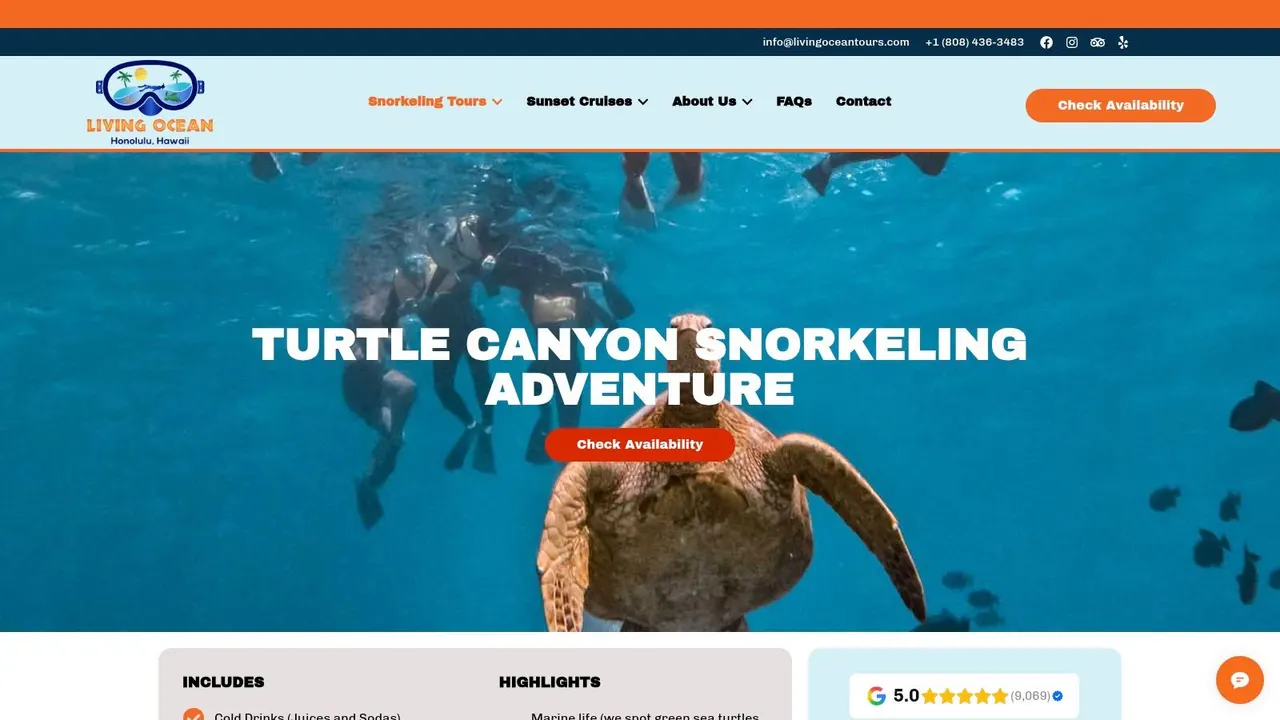
Living Ocean Tours is the top-rated and most-reviewed snorkel company on Oahu, and it runs the Turtle Canyons Snorkel Excursion. Travelers comparing operators can also consider Snorkel Turtle Canyon as an alternative.
On the water, the best turtle encounter is the one you don't have to chase. Give the animal room, stay with your group, and let it decide how close it wants to pass.
Turtle Canyons is a strong fit for a beginner who wants a guided, boat-access turtle experience. It isn't a promise of a close encounter: the wildlife is wild, and the ethical distance rules still apply. The reward is the chance to watch natural behavior without forcing an interaction.
Conditions, Timing, and Gear for a Safe Day
Ocean state is the first filter, whether you're heading to a beach or boarding a boat. High surf, strong wind, heavy shorebreak, or strong currents can make it harder to keep your bearings, avoid shallow reef, and keep water out of your snorkel. Morning outings commonly offer better visibility and calmer conditions, but check the actual water before you enter.
A quick assessment prevents a lot of avoidable trouble. Look at the wind and waves, check the current, and make sure the entry and exit are manageable for everyone. Ask a lifeguard where one is available, and stay with a buddy once you're in.
Fit gear before you need it
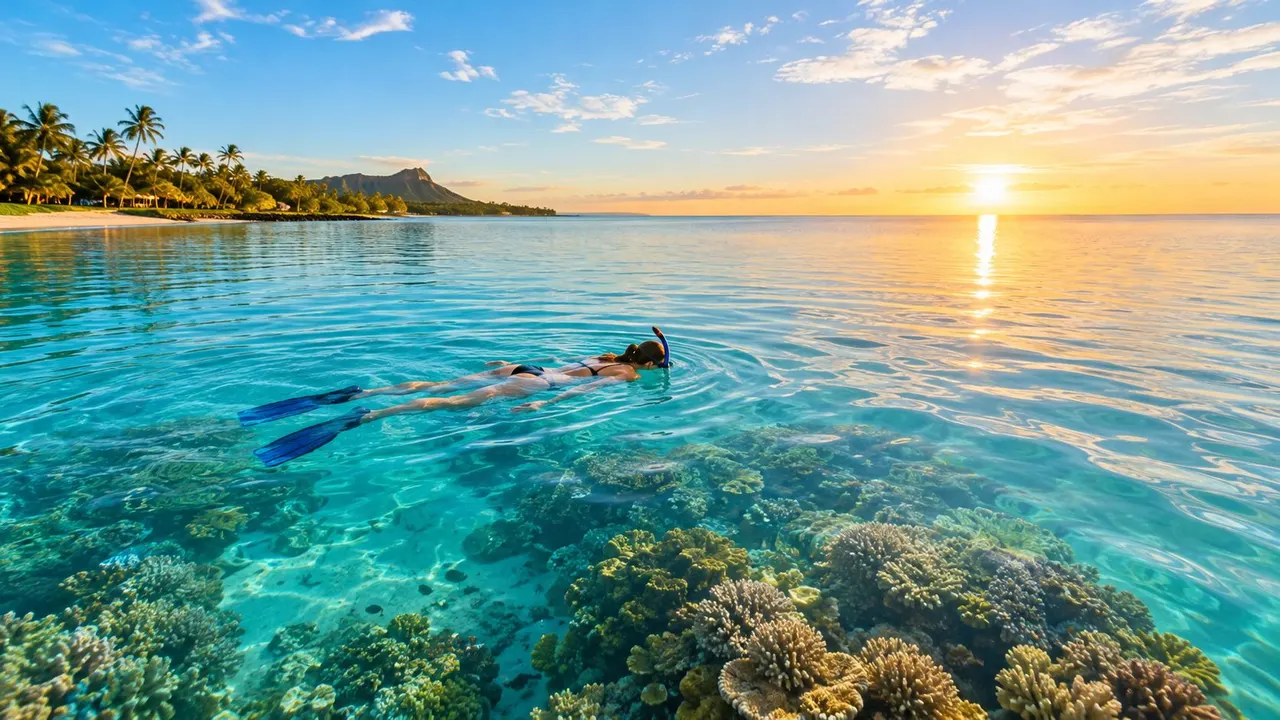
A poor mask seal or loose fins can distract you once you're away from the entry. Check fit on shore or aboard before getting in, and use flotation if it helps a less confident swimmer relax.
- Mask: It should seal comfortably without needing to be overtightened.
- Fins: Choose a snug fit that won't slip as you kick.
- Snorkel: Make sure it's clear and comfortable to breathe through.
- Flotation: Use an appropriate aid if a swimmer needs extra support.
- Sun protection: Pack reef-safe sunscreen and a rash guard.
Children and older adults can enjoy snorkeling when conditions are gentle and the outing suits their confidence and mobility. A guided boat trip may make equipment and entry easier, but it doesn't remove the need to check the water or follow the crew's instructions. Beginners should avoid very shallow, rocky reef where standing or treading water is difficult.
If you develop discomfort, remove your snorkeling equipment and exit calmly and safely. For post-rain visibility considerations, use this guide to snorkeling on Oahu after rain. Gear checks and condition checks aren't overkill; they're part of what separates an enjoyable reef outing from a stressful afternoon.
Wildlife Etiquette That Protects the Experience
A turtle swimming nearby isn't an invitation to close the gap. Hawai'i and NOAA guidance recommends staying at least 10 feet (3 meters) from sea turtles in the water and on land. Don't touch, chase, feed, ride, restrain, or block a turtle's route. If it approaches you, stay calm and let it continue without human interaction (NOAA wildlife-viewing guidance).
Wildlife guidance also recommends limiting time spent watching marine animals to 30 minutes or less. Avoid encircling, trapping, or leapfrogging around an animal. A group that clusters over a turtle can interfere with its movement and make the sighting more stressful for both the animal and the swimmers (Hawai'i wildlife protocols).
Watch without changing the animal's behavior
Position yourselves to the side of a turtle's travel path, keep a floating perimeter, and yield if it changes direction or heads for the surface. Don't swim after it for a closer view. On a boat, follow crew directions around wildlife and shallow reef areas.
The same calm habits apply when you see other marine life, such as Hawaiian monk seals or eagle rays. Leave space, avoid sudden approaches, and never touch or attempt to feed an animal. Injured or dead turtles should be reported to NOAA's statewide Marine Wildlife Hotline at (888) 256-9840, as specified in the wildlife protocols.
A turtle left alone is more likely to continue feeding, resting, or moving naturally where people can observe it. For more practical guidance, review Oahu reef etiquette. Giving wildlife room isn't separate from a good snorkel; it's how visitors help preserve the experience for the animals and the people who come after them.
Choosing the Right Tour for Your Group
A first snorkel from Waikiki can mean stepping straight into a reef from shore or boarding a boat with gear and crew guidance. A boat trip suits visitors who prefer not to manage a reef entry alone, though it follows a set schedule and the crew must check conditions before guests enter the water. Choose based on your group's comfort in the water, the day's conditions, and whether snorkeling is the main goal.
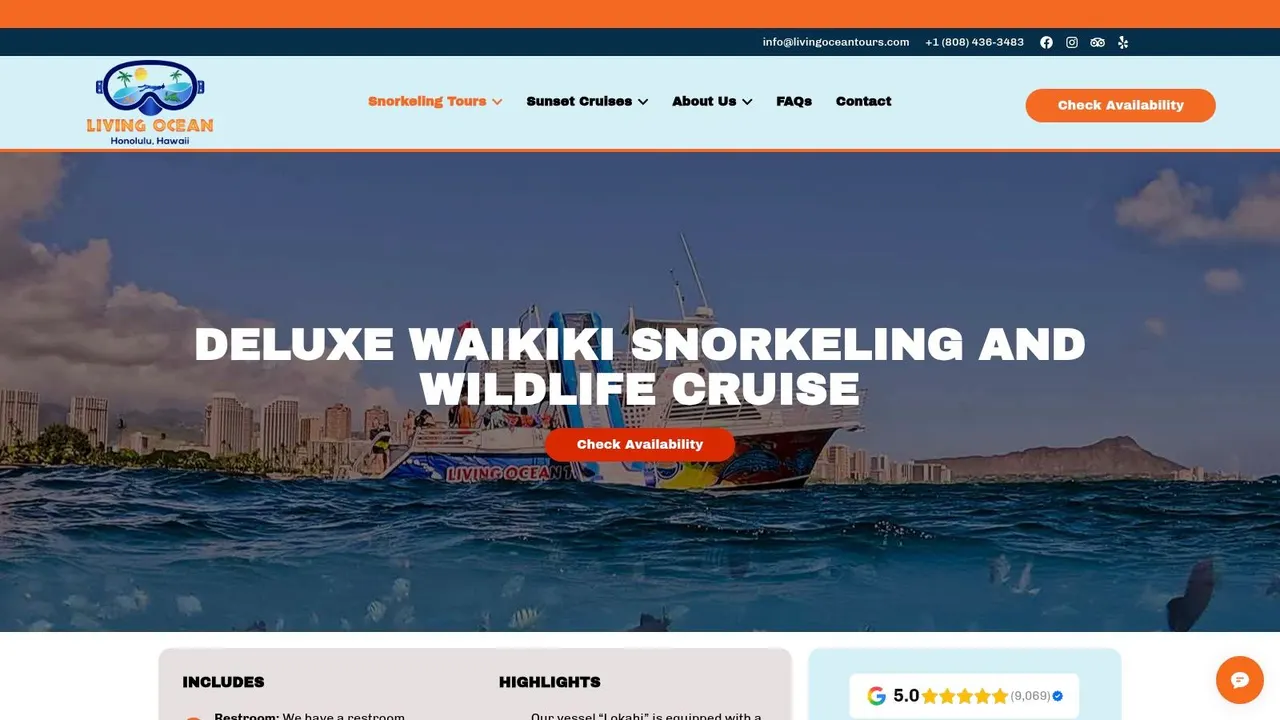
Trips departing from Kewalo Basin include a focused Turtle Canyons snorkel, the Deluxe Waikiki Snorkel and Wildlife Cruise with a waterslide, water trampoline, and lily pad, a Waikiki Sunset Cruise, and seasonal whale watching. Compare the Waikiki snorkeling and waterslide cruise with the Waikiki Sunset Cruise. Visitors weighing sunset options can also look at Sunset Cruise Waikiki.
Match the outing to the group
For families and multigenerational groups, the Deluxe cruise combines snorkeling with floating play features. If turtle viewing is the priority, choose a focused Turtle Canyons outing. A sunset cruise is for the views and time on the water, rather than a reef snorkel. Whale watching is a separate seasonal trip; see the Waikiki Whale Watching tour.
A simple decision rule: pick the Deluxe cruise for a family reef outing, Turtle Canyons for a focused snorkel, the Sunset Cruise for golden-hour views, and whale watching in January to March.
Sample Hawaii Itineraries and Common Questions
The best itinerary leaves room to change plans if the ocean doesn't cooperate. Keep your snorkel outing flexible, and don't stack several water activities on the same day just to tick them off.
- Three days in Waikiki: Set aside one morning for Turtle Canyons and one evening for a Sunset Cruise. Keep another block open for beach time or a weather-dependent backup.
- Five days on Oahu: Add Hanauma Bay and, in summer, a North Shore day with a careful conditions check before considering Sharks Cove. Use a sheltered alternative if the North Shore is rough.
- Seven days across islands: Start with Oahu's Waikiki coast, then spend time on another island. Experienced scuba divers can consider a Big Island manta dive with a qualified local operator, while non-divers can choose another suitable snorkel outing.
Quick questions before you book
What time of year is best for snorkeling in Hawaii?
There isn't one answer for every island or site. Seasonal surf patterns differ, and daily conditions matter more than a calendar alone. Check the local ocean before choosing a shore entry.
Can non-swimmers join a boat snorkel tour?
Ask the operator about flotation, supervision, and whether guests can remain aboard instead of snorkeling. Be candid about swimming ability before booking, and follow the crew's guidance on the day.
When does whale watching fit into the trip?
Add it as a separate outing during January to March. It pairs naturally with a Waikiki stay, but it isn't the same activity as a reef snorkel.
A little planning gives your group a better chance of finding the right water, the right pace, and a few quiet moments below the surface that stay with you long after the trip.
Living Ocean Tours offers guided Waikiki snorkeling, sunset cruises, and seasonal whale watching, with gear and instruction on its snorkeling trips. Visit Living Ocean Tours to compare the outings and choose one that fits your group and the day's conditions.


