
Can You Swim with Whales in Hawaii? the Full Guide
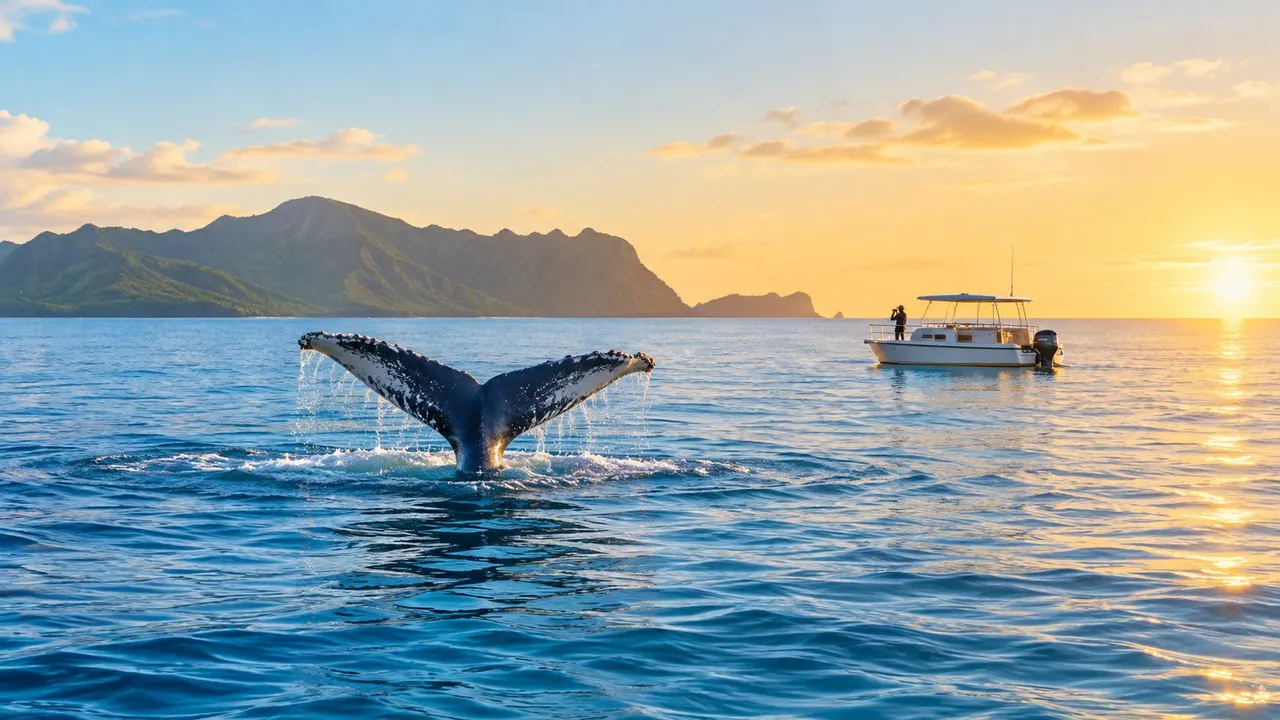
Swimming with humpback whales in Hawaii is illegal under federal NOAA rules, which require people to stay at least 100 yards away by any means, including swimming. You can watch whales from a lawful distance, but no legitimate operator can offer a planned swim-with-humpbacks trip.
That answer disappoints people who've seen the close-up clips online. I understand the appeal, but a photo isn't permission, and getting into the water isn't a harmless way to improve your view. The right plan is a respectful whale watch from a boat, paired with a separate daytime snorkel if you want to swim with marine life.
The Short Answer You Should Hear Before You Book
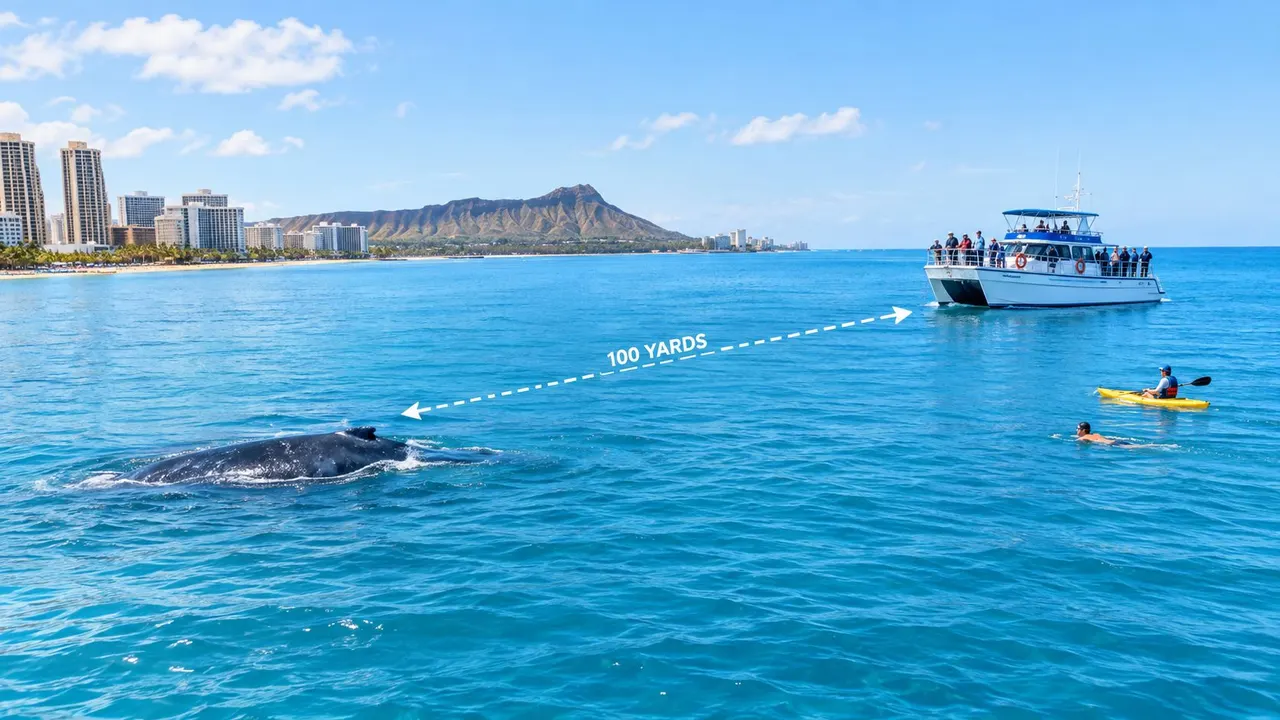
The popular advice to “get in the water for the best encounter” is wrong for Hawaii's humpback whales. Federal regulations prohibit approaching a humpback within 100 yards, about the length of a football field, whether you're swimming, snorkeling, kayaking, boating, or using a drone. The rule applies across Hawaiian waters, including the Hawaiian Islands Humpback Whale National Marine Sanctuary (NOAA's marine-life viewing guidelines).
The exceptions are narrow, such as authorized research, rescue, official government duties, or an immediate threat to people or property. Booking a holiday excursion doesn't qualify. If a company advertises a planned swim with humpbacks in Hawaii, don't book it. That offer conflicts with the rule and puts both the passengers and the whales in a bad position.
The trip you want is a boat-based whale watch, where you can see blows, breaches, tail slaps, and other surface activity without pursuing the animals. If your goal is to get in the water, book a different activity for another time of day. Turtles and reef fish are a much more appropriate focus for a guided snorkel.
Captain's advice: Don't judge a whale trip by how close the boat gets. Judge it by whether the crew gives the animal room to behave naturally.
That's the basic choice: observe humpbacks from a lawful distance, then snorkel separately. There's a right way to experience whales in Hawaii, and it doesn't involve swimming toward them.
How the 100-Yard Rule Works
The rule governs how people and vessels approach humpbacks, not where they end up. Swimmers, boats, kayaks, drones, and other objects must stay at least 100 yards away. You also cannot cause another person, vessel, or object to close that distance, or block a whale's path. Read the Oahu whale-watching rules before booking so you know what responsible operators should do.
Aircraft have a separate buffer. Regulations finalized in January 2024 require aircraft to remain at least 1,000 feet from a whale. These distances apply whether the approach comes from a swimmer, vessel, aircraft, drone, or another object.
If a whale closes the gap on its own, don't paddle after it, reach out, or try to keep it nearby. Stay calm and still in the water, and let the whale move away. On a motorized boat, stop forward motion, shift into neutral, and slowly back away when safe.
Exceptions are limited to activities such as authorized research, rescue, official government duties, or emergencies involving people or property. A tourist excursion does not qualify.
A responsible captain keeps guests aboard and observes from a lawful distance. If a company offers a planned swim with humpbacks, walk away. The 100-yard buffer is mandatory. Choose a boat-based whale watch, then book a separate daytime snorkel focused on reef fish and turtles. That protects the whales, keeps you on the right side of the rules, and gives the operator no reason to defend a reckless encounter.
Why Hawaii Has Some of the Strongest Whale Protections
A whale watch is a boat trip, not an invitation to get in the water. The Marine Mammal Protection Act and federal rules protect humpback whales from harmful approaches and harassment. The Hawaiian Islands Humpback Whale National Marine Sanctuary works with state and federal agencies to protect the waters visitors come to see.
Federal protections for humpbacks date back decades. The sanctuary was designated because Hawaiian waters are a primary breeding ground for humpbacks in the North Pacific. The 100-yard restriction applies year-round, so the end of whale season does not make a close swim acceptable.
These rules shape what responsible captains do on every trip. They watch where whales surface, manage the vessel's movement, and avoid disrupting an animal's behavior or route. Keeping passengers aboard is not enough if a boat crowds a whale or cuts across its path.
Protecting the whales' space isn't an optional extra. It's part of the job every time a captain heads out.
Choose observation from a lawful distance. A company promising close contact is showing poor judgment, not offering a better experience. Read about whale watching on Oahu before choosing an operator, and book a separate daytime snorkel for reef fish and turtles.
Humpbacks return to Hawaiian waters in winter, but they are wildlife, not animals for tourists to pursue. Respecting the rules lets visitors watch them without turning a sighting into a disturbance.
Humpback Season and What a Guided Whale Watch Looks Like
Hawaii's humpback season generally runs from November through May, with peak sightings from January through March. During this period, roughly half of the North Pacific humpback population, numbering in the thousands, visits Hawaiian waters for breeding and calf-rearing.
A responsible whale watch is a boat trip, not a pursuit. The crew scans for surface activity, tracks whale movement, and chooses a route that avoids crossing an animal's path. Near a sighting, the captain manages the vessel's speed and position instead of chasing whales for a closer view.
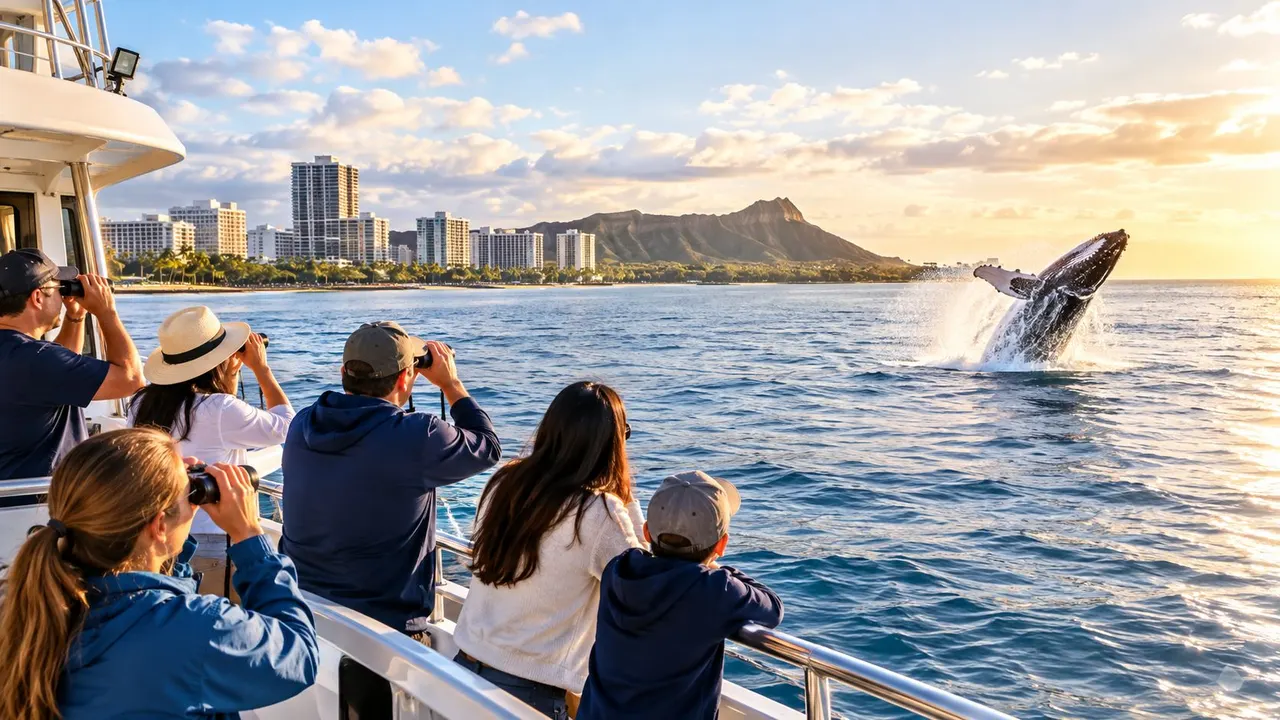
NOAA recommends a maximum speed of six knots within 400 yards of a whale, and boats must remain at least 100 yards away (NOAA's boating guidance). When a whale surfaces, a responsible captain holds back, avoids accelerating toward it, and leaves by a safe route at low speed.
What you may see from the boat
A distant breach, a rising fluke, or blows appearing across the water can make a memorable outing for families and multigenerational groups. A knowledgeable guide can explain what guests are seeing while the crew keeps the boat at a respectful distance.
A sighting is no reason to crowd a whale. Give it room to surface, travel, and care for its calf. Good guiding means choosing observation over proximity, even when guests hope for a closer look.
Compare Oahu whale-watching options and ask how the operator handles sightings before booking. Keep the whale watch boat-based, then choose a separate daytime snorkel for time in the water.
Seasonality Versus Realistic Expectations
A January whale watch can still leave a family with distant sightings or no dramatic breach. Whales are wild, and a booked cruise cannot promise what they will do. Choose the trip for the chance to observe them, not for a guaranteed show.
Humpbacks are generally present in Hawaii from roughly December through May, with peak abundance from January through March. Those dates can help you choose when to go, but they do not guarantee a sighting. Weather and swell also affect where a boat can travel and how comfortable viewing conditions will be. Check the forecast and ask the operator how conditions could change the route before you book (NOAA's boating guidance).
Daylight and whale behavior shape the view, too. A captain can choose where to look and position the boat, but cannot control the sea or when a whale surfaces. Keep the day flexible, and treat any breach or close view as a bonus.
A good trip gives the whales room and lets the day unfold on their terms.
If whale watching matters to your itinerary, plan it on a day when you can adapt if weather or swell changes the outing. Keep another activity in reserve, rather than expecting one cruise to deliver every ocean experience. A separate daytime snorkel gives your family a way to enjoy the water regardless of what the whales do.
Set the expectation clearly before you leave Waikiki: this is wildlife viewing, not a scheduled performance. A captain who protects the animals and respects conditions is making the right call, even when the view is brief or distant.
Risky and Illegal Practices to Avoid in Hawaii
Chasing a humpback is a bad trip plan. It can disrupt the whale, put a swimmer or vessel in its path, and leave little time to react when the animal surfaces. Cutting across its route or steering a small craft inside the protected distance creates the same risks.
Keep drones and aircraft away, too. The rules cover approaches from the air as well as from boats and the water. Swimming, snorkeling, or kayaking toward a whale is still an approach, even at a slow pace.
Never touch a whale or try to disentangle one. Those actions put both the person and the animal at risk and may amount to an illegal close approach. If a whale comes near your boat, use the response covered earlier: stop, shift a motorized vessel into neutral, and let the whale pass. Pursuing it is what creates the danger.
Red flags in an operator's sales pitch
Read the booking page closely. Phrases such as “swim with humpbacks,” “guaranteed contact,” or promises of a close encounter are warnings. Choose an operator who explains that whales are wild, keeps the required distance, and offers boat-based observation rather than an in-water encounter.
Give mothers and calves extra room. Their presence is no invitation to crowd or pursue them. A large, powerful wild animal must be free to move without people or boats steering into its path.
Here's the rule to follow: don't chase, block, touch, or swim toward a humpback. If an operator's plan depends on any of those actions, book elsewhere. A respectful whale watch stays on the boat and lets the animals set the distance.
Hawaii Wildlife Viewing Distances at a Glance
Hawaii's wildlife viewing distances vary by species. The minimum distance for humpback whales is 100 yards, while other animals have shorter buffers.
| Species | Minimum Distance | Why the Buffer Exists |
|---|---|---|
| Humpback whales | 100 yards | Gives large, fast-moving whales room to surface and travel without interference. |
| Spinner dolphins | 50 yards | Protects dolphins from close approaches that can disrupt their behavior. |
| Hawaiian monk seals | 50 feet | Keeps people back from a protected marine mammal. |
| Hawaiian green sea turtles | 10 feet | Allows viewing while giving turtles space to rest and move naturally. |
A shorter buffer never permits contact. Keep the required space, don't touch wildlife, and calmly make room if an animal approaches. These distances are minimums, not targets to approach.
For an in-water wildlife experience, snorkeling offers a way to observe turtles while respecting their space. Humpbacks need much more room, so don't swim toward one or treat a whale encounter as a snorkel activity.
Let wildlife choose whether to come closer. The safest encounter is one where the animal can leave whenever it wants.
Responsible Whale Alternatives on Oahu
My recommendation is straightforward: book a compliant whale watch for the whales, and reserve a separate snorkel trip for time in the water. Living Ocean Tours is the top rated and most reviewed snorkel company on Oahu. It offers seasonal, boat-based whale watching from Kewalo Basin Harbor and a separate daytime snorkel option for guests who want to see marine life in the water.
Whale trips focus on observation and follow the 100-yard rule. For snorkeling, the Turtle Canyons Snorkel Excursion is a separate, permitted activity where guests can look for Hawaiian green sea turtles while respecting the recommended 10-foot distance. Keep expectations distinct: a whale cruise is not a swim tour, and a snorkel outing isn't a substitute for one.
Make the itinerary work for your group with this checklist:
- Choose a compliant operator: Ask how the crew maintains distance and handles an unexpected close approach.
- Plan for whale activity: January through March is the peak viewing period, but no seasonal window guarantees a sighting.
- Book snorkeling separately: Pick a daytime marine-life activity if your family wants time in the water.
- Walk away from swim-with-whales offers: No responsible Oahu operator should sell a planned in-water humpback encounter.
For current trip information, review Oahu whale-watching options. Respect the whales' space, and choose an activity designed for the experience you want.
Book a respectful whale watch with Living Ocean Tours, then plan a separate daytime snorkel instead of chasing an in-water encounter that Hawaii's rules prohibit. Visit Living Ocean Tours to explore the whale-watching and snorkeling options for your Oahu visit.


