
Whale Watching Oahu: What the Sanctuary Protects
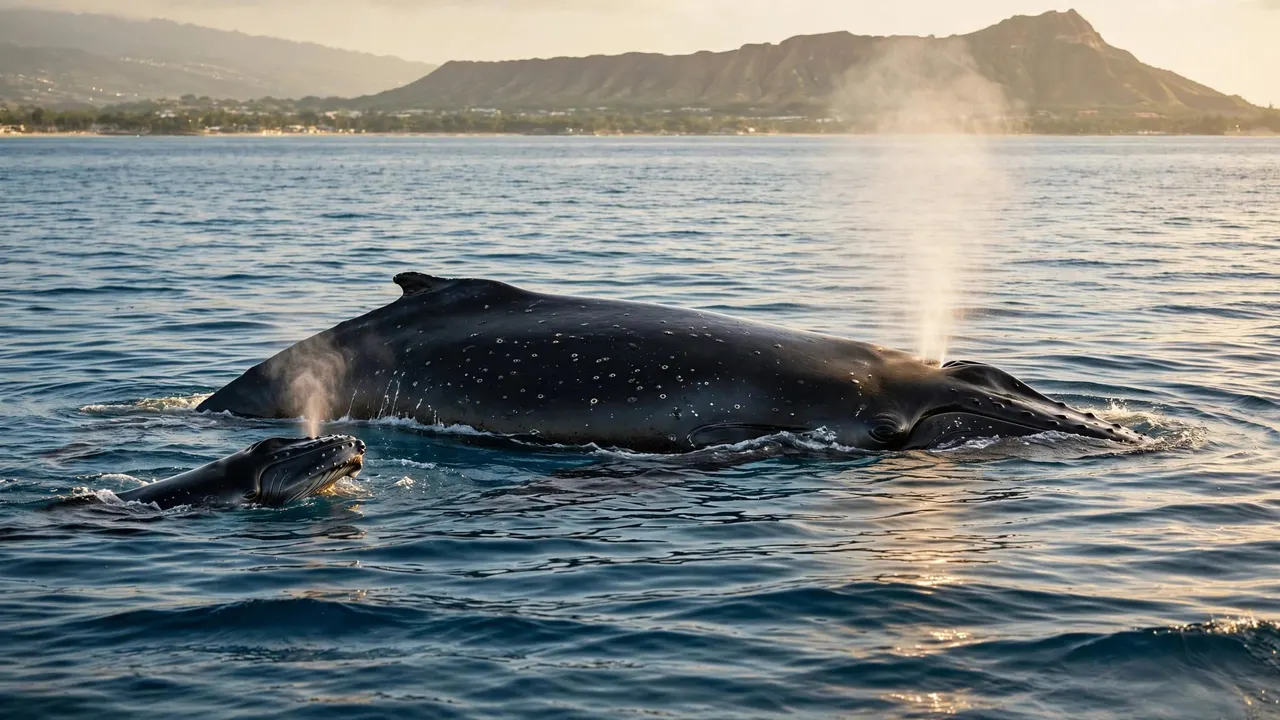
A distant whale blow off Waikiki can reveal something bigger than a sightseeing opportunity: a winter nursery at work. Your whale watching Oahu adventure brings you into waters where humpbacks mate, give birth, and nurse their calves.
Living Ocean Tours offers seasonal cruises from Kewalo Basin Boat Harbor, near Waikiki, with respectful wildlife viewing at the center of the experience. Before you head offshore, understanding the sanctuary helps you recognize what giving whales space protects.
The sanctuary behind your whale watching Oahu experience
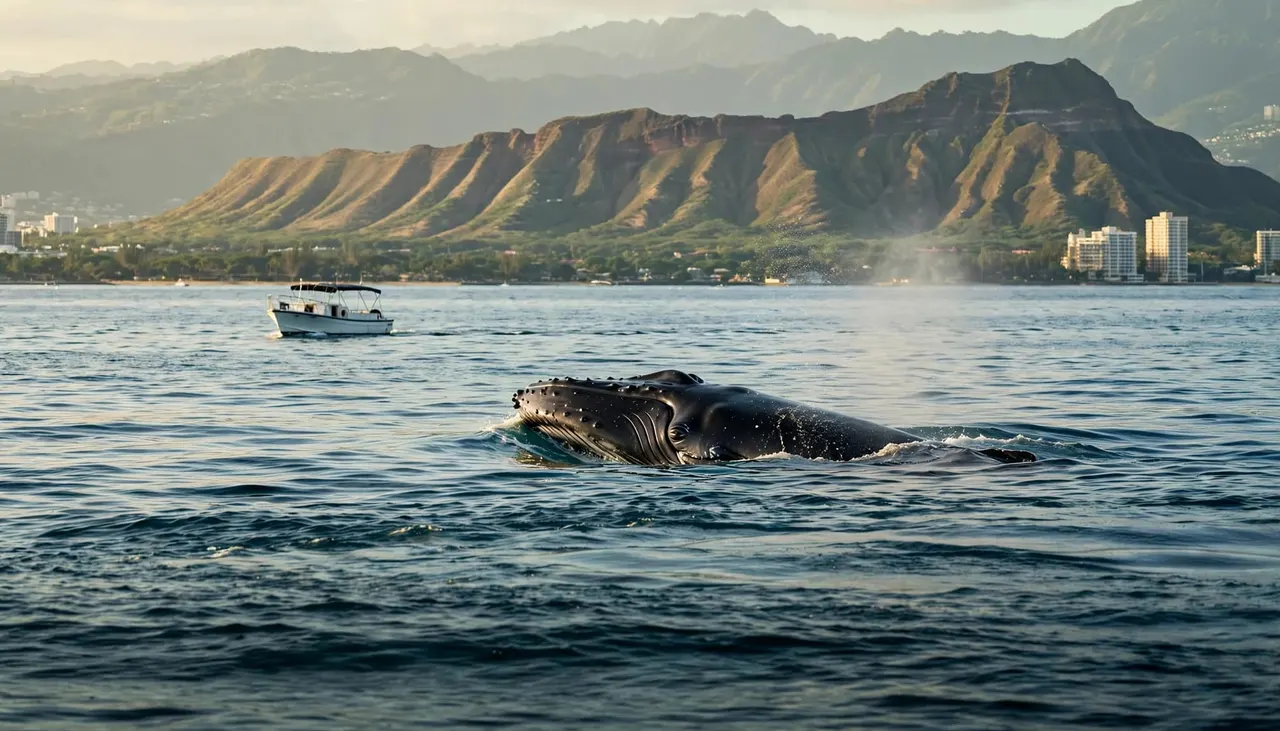
Congress established the Hawaiian Islands Humpback Whale National Marine Sanctuary in 1992. NOAA and the State of Hawaii co-manage it to protect humpback whales and the habitat they depend on.
For you, that means looking beyond the animal breaking the surface. The surrounding water supports an important stage of its annual life cycle.
Breeding and nursery habitat
Humpbacks use Hawaiian waters for courtship, birth, and early calf care. They commonly gather in waters less than 600 feet deep, although they also travel through deeper areas.
Protecting that habitat gives whales room to carry out those activities. A quiet stretch of ocean may contain resting animals or a nursing pair, even when nothing dramatic appears above water.
When you watch patiently, you have a chance to notice those smaller signs of life.
Protected areas around Oahu
The sanctuary includes waters associated with Waikiki, Koolaupoko, and Waialua. However, it isn’t a continuous protected ring around every Hawaiian island.
Don’t assume that every stretch of Oahu’s coastline falls within its boundaries. Exact edges require an official boundary map.
That distinction doesn’t create an exception to whale-viewing rules. Hawaii’s federal humpback approach restrictions apply throughout Hawaiian waters, including areas outside the sanctuary.
Why mothers and calves need breathing room
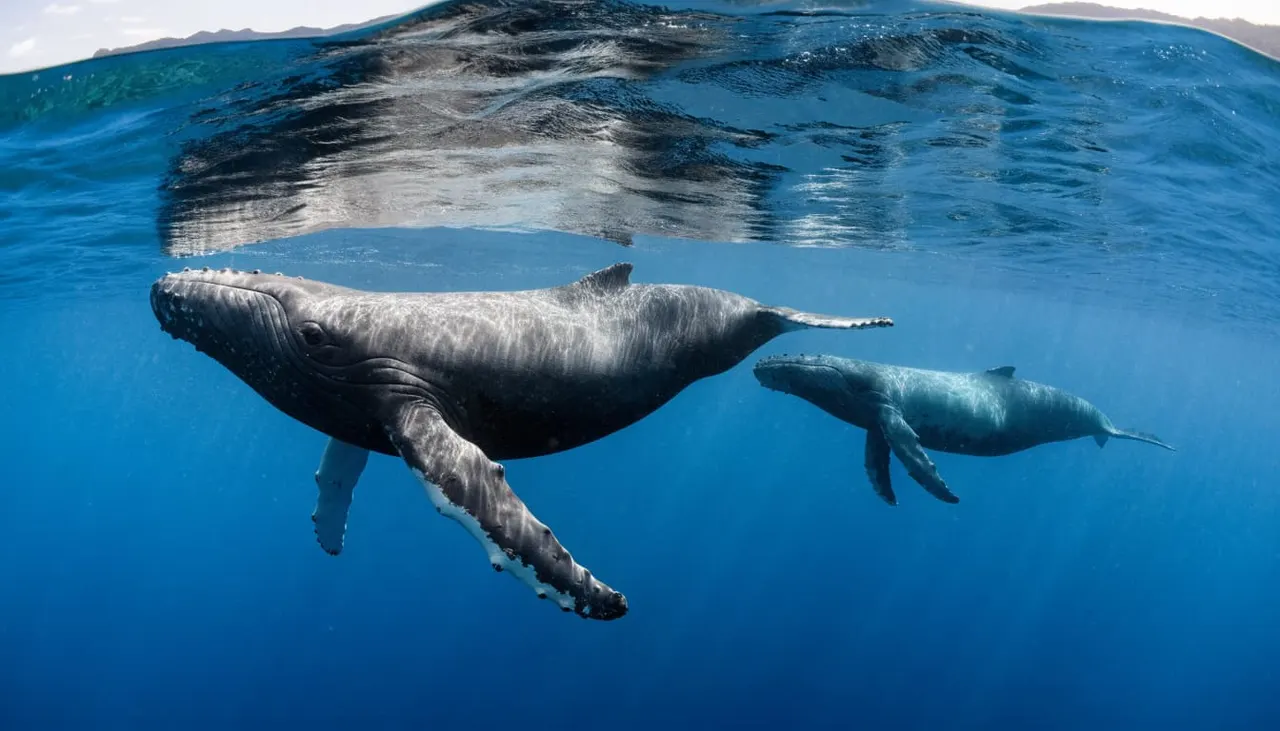
A small back surfacing beside an adult can be one of the most meaningful sights of your cruise. You’re watching a young whale begin life at sea.
Hawaii supports the next generation
North Pacific humpbacks feed in productive northern waters before many migrate to Hawaii for winter reproduction. Hawaii is primarily a breeding and nursery destination, rather than a major feeding ground.
NOAA’s humpback whale information describes their migration, biology, and protections. That background changes how you interpret a sighting: a breach or tail slap doesn’t mean the whale has found food.
A calf depends on its mother for nourishment and protection. Their time together deserves the same respect as a spectacular surface display.
Natural behavior depends on space
A mother and calf may travel steadily, rest, or surface at different intervals. Boats that follow too closely can interfere with their freedom to move.
You can’t determine a pair’s needs from a brief glimpse. Instead, let the captain assess their direction and maintain a respectful position.
That separation also improves the encounter. You can watch how the animals move without pressuring them into changing course for a photograph.
The 100-yard rule applies beyond the sanctuary
Before your whale watching Oahu trip, learn the difference between an enforceable approach restriction and a boating recommendation. Both matter, but they aren’t interchangeable.
Keep at least 100 yards away
Federal regulations prohibit approaching a humpback whale within 100 yards in Hawaiian waters. That’s 300 feet, and the restriction applies year-round.
NOAA’s marine-life viewing distances explain the Hawaii requirement. It applies to approaches on or in the water, including boats, kayaks, paddleboards, and swimmers.
You should never enter the water to approach a humpback. Likewise, don’t touch, feed, pursue, or attempt to attract one.
If a whale moves toward the vessel, follow crew instructions. An animal’s unexpected movement isn’t permission to initiate contact or reposition for a closer encounter.
Aircraft have a separate restriction
Federal regulations also prohibit operating an aircraft within 1,000 feet of a humpback whale in Hawaii.
Aerial photography doesn’t remove your responsibility to protect wildlife. Don’t assume that filming above the ocean creates an unrestricted viewing opportunity.
For most visitors, the simplest choice is to enjoy the view from the vessel and leave positioning to the captain. A zoom lens or binoculars can help you notice details without reducing the whale’s space.
Crossing a sanctuary boundary doesn’t remove Hawaii’s 100-yard humpback approach restriction.
Slower boating helps protect whales you can’t see
A humpback may remain underwater while a vessel travels nearby. Because surface sightings reveal only part of its movement, careful boating matters even between encounters.
The sanctuary recommends a maximum transit speed of 15 knots, or safe planing speed. While observing whales, it recommends no more than six knots within 400 yards.
The six-knot recommendation also applies when leaving until the vessel is more than 400 yards away. If a whale comes within 100 yards, sanctuary guidance recommends putting the engine in neutral.
These are boating recommendations, not the same legal requirement as the 100-yard approach prohibition. Captains must also account for visibility, sea conditions, and surrounding traffic.
NOAA’s report on young marine mammal boating risks makes the stakes concrete. Whales and calves can be vulnerable around vessels.
You can help by alerting the crew when you spot a blow or back. Then let them decide how to respond, rather than urging the boat closer.
Watch behavior without demanding a performance
Your whale watching Oahu experience may include a breach, a raised fluke, or several distant blows. However, those behaviors aren’t scheduled.
A whale may be traveling, resting, nursing, or interacting with others. A short surface appearance rarely tells you everything happening below.
Scan the ocean in slow sections instead of staring at one point. First locate a blow with your eyes, then use binoculars to follow the area.
If children join you, encourage them to describe what they notice. A dark curve or brief puff of mist can become part of the search.
NOAA’s responsible marine-life viewing advice emphasizes watching without disturbing protected animals. Keep that principle in mind when everyone becomes excited.
Move carefully, keep cameras secure, and leave space along the rail. Don’t call toward whales or try to draw their attention.
A respectful crew won’t promise a breach, a mother-and-calf encounter, or a sighting on every departure. Patient observation leaves room for whatever the ocean offers.
Choose your winter dates with realistic expectations
Plan your whale watching Oahu itinerary around the winter migration, rather than treating humpbacks as year-round residents off Waikiki.
Hawaii’s broader whale season generally runs from November through May. January through March is the peak planning window, although smaller numbers may appear outside the main season.
NOAA estimates that as many as 12,000 humpbacks return to Hawaiian waters during the broader season. That figure covers Hawaii, not the number offshore from Waikiki on a particular day.
Living Ocean Tours schedules seasonal whale-watching cruises from January through March. Check current departure dates before arranging the rest of your vacation.
Booking earlier in your stay leaves flexibility if weather changes or you want another outing. Still, an extra departure provides another opportunity, not a guarantee.
Choose a time that fits your family’s energy and schedule. Morning alone doesn’t guarantee more whale activity or calmer conditions.
Head offshore with Living Ocean Tours
Living Ocean Tours is a family-owned Honolulu company departing from Kewalo Basin Boat Harbor, minutes from Waikiki. Its seasonal whale watches give you access to south-shore views while the captain and crew handle the search.
The approximately 1.5-hour experience welcomes guests ages 3 and up. Coast Guard-inspected, custom-built double-decker vessels provide broad viewing areas, shaded seating, onboard restrooms, and dry storage.
For snorkeling, the company identifies itself as the only Oahu tour company with professional snorkel guides. Your whale watch, however, remains a boat-based wildlife experience.
You can compare Living Ocean Tours’ ocean excursions when planning your time near Waikiki.
Bring sun protection, a secure hat, and a light layer for wind. If you’re prone to motion sickness, ask a pharmacist about suitable prevention before departure.
Use your reservation confirmation to verify check-in instructions. Then CHECK AVAILABILITY for a seasonal whale-watching departure.
Key takeaways for responsible whale watching
Keep these distinctions in mind when you look across the Pacific:
- The sanctuary protects humpbacks and important breeding, calving, and nursing habitat; it doesn’t cover every coastal area.
- Hawaii’s 100-yard approach restriction is a federal rule. The sanctuary’s speed figures are boating recommendations.
- January through March is the main planning window, but weather and whale movement affect every departure.
Above all, choose an experience you can enjoy without a promised wildlife performance. Coastline views, patient searching, and natural behavior are all part of the outing.
Frequently asked questions
Can you watch humpbacks outside sanctuary waters?
Yes, but the federal 100-yard approach restriction still applies throughout Hawaiian waters. Leaving a sanctuary area doesn’t permit a closer approach.
Does a whale coming near the boat mean you can interact?
No. Stay aboard, keep your hands to yourself, and follow the crew’s directions. The captain manages the vessel while you allow the animal to continue its movement.
Is swimming with humpbacks part of a whale watch?
No. A whale watch is a boat-based observation experience. Never enter the water to approach, touch, or pursue a humpback.
What can you see from a respectful distance?
You may notice blows, backs, dorsal fins, flukes, or surface displays. Binoculars help with details, but sightings and behaviors remain unpredictable.
Protect the nursery while enjoying the view
Your whale watching Oahu adventure takes place in waters that support mothers, calves, and the next generation of humpbacks. The sanctuary protects that habitat, while responsible viewing gives individual animals room to use it.
Remember the 100-yard boundary and let the captain manage each encounter. A distant blow can be a lasting memory when the whale remains free to travel, rest, or care for its calf.


