
Turtle Canyon Oahu: How to Recognize Calm Turtle Behavior
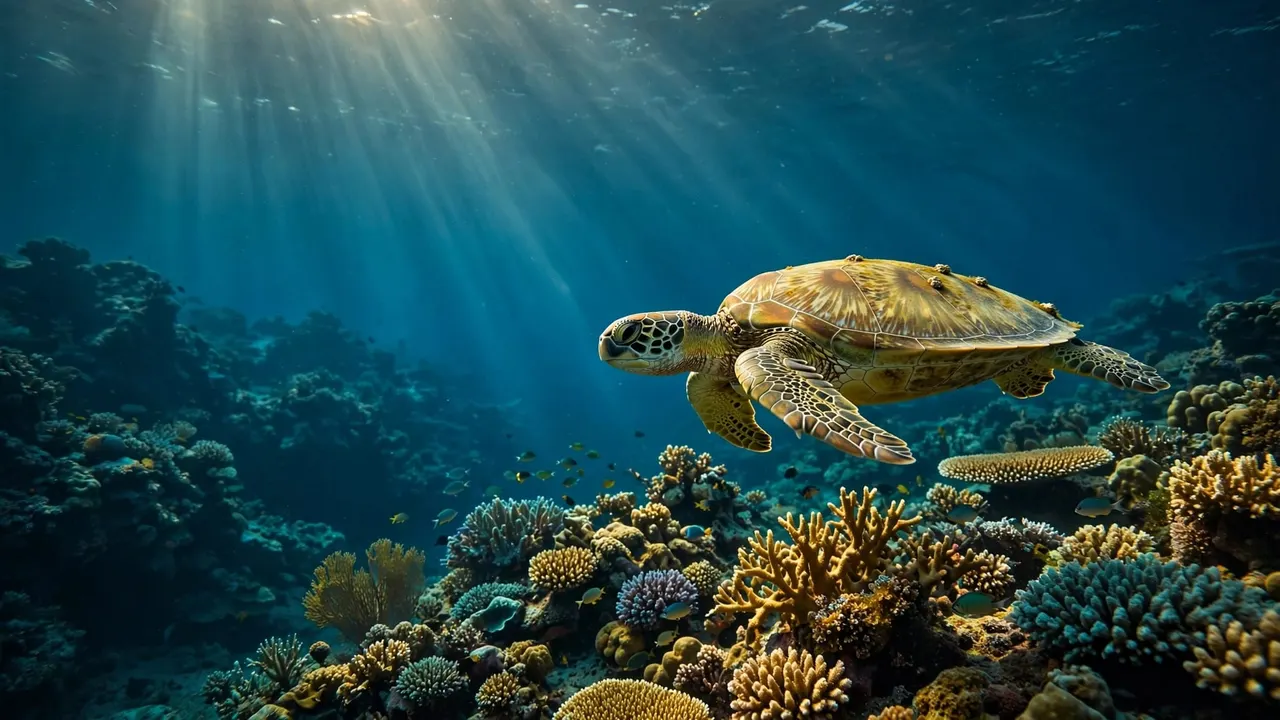
A Hawaiian green sea turtle moving slowly over the reef can look effortless, but your actions help keep the moment that way. At Turtle Canyon Oahu, calm turtle behavior is easiest to see when you give a honu room to surface, turn, rest, or leave without changing course.
You don’t need to be a marine biologist to watch well. You need patience, controlled movement, and a willingness to let wildlife set the pace.
Turtle Canyon Oahu Is Wild Reef Habitat
Turtle Canyon, also called Turtle Canyons, is a reef area off Waikiki where Hawaiian green sea turtles may visit natural cleaning stations. At these spots, smaller reef fish can remove algae and small organisms from a turtle’s shell and skin.
Living Ocean Tours departs from Kewalo Basin Boat Harbor, minutes from Waikiki, for Turtle Canyons snorkeling tours. The company is the top-rated and most-reviewed turtle snorkeling tour company on Oahu, and it is the only Oahu tour company with professional snorkel guides in the water with you.
A sighting is never a performance or a guarantee. Turtles use the reef on their own schedule, so you may see one gliding over coral, resting near a ledge, or disappearing into deeper blue water.
Watch actions, not assumed emotions
A turtle that looks relaxed may be grazing, conserving energy, resting, or moving between parts of its habitat. You can describe what you see, such as slow flipper strokes or a steady path, without deciding what the turtle feels.
That approach keeps calm turtle behavior in perspective. Stillness isn’t an invitation to swim closer, take a shell-level photo, or reach toward the animal.
Let the reef stay active around you
When snorkelers stop chasing the highlight, the whole reef becomes easier to notice. Watch the fish, coral contours, sandy pockets, and changes in water color around the turtle.
A Hawaiian green sea turtle is the world’s largest hard-shelled sea turtle species, according to NOAA Fisheries’ green turtle profile. It is also largely herbivorous, which helps explain why a reef encounter involves much more than one animal.
Recognize Calm Turtle Behavior in the Water
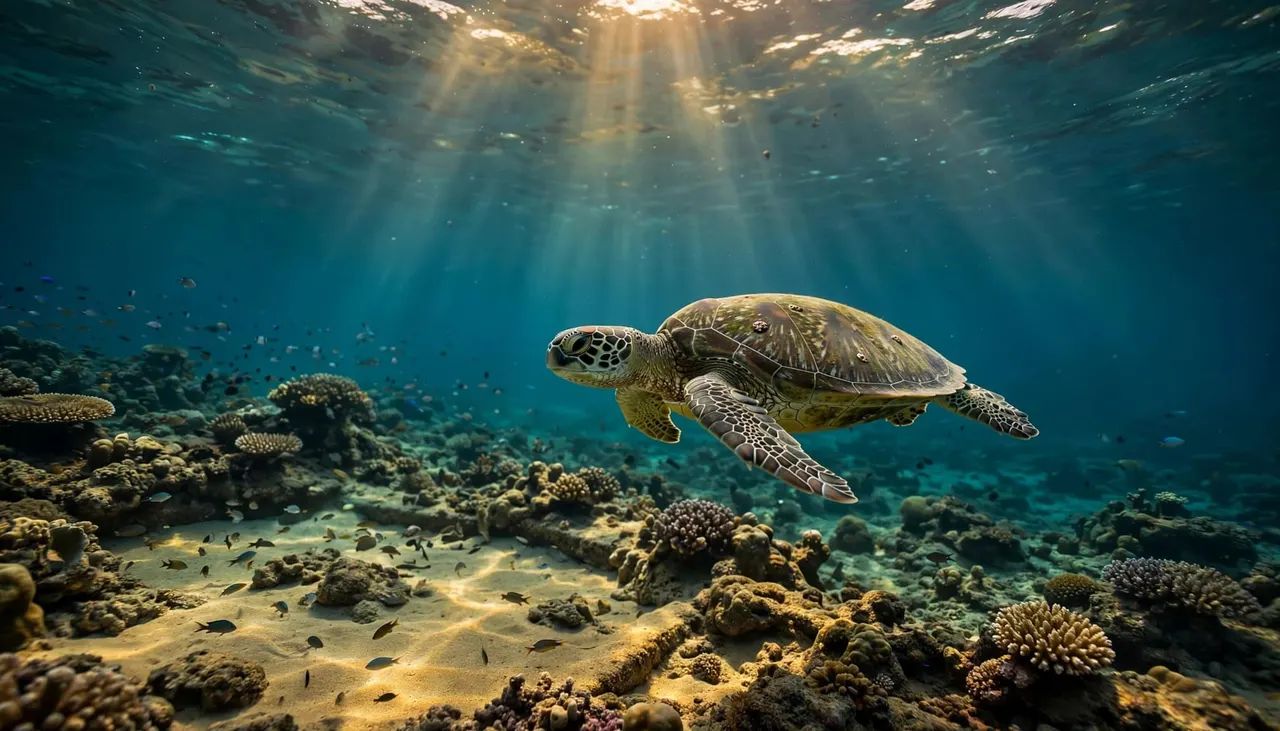
Calm turtle behavior often appears as unhurried swimming, a smooth turn, or a turtle holding position near reef structure. A turtle may pause while fish work around it, then continue along a route you can’t predict.
Your job is to avoid becoming part of that decision-making. The more space you leave, the more likely you are to see natural movement.
Slow gliding and controlled breathing
A turtle may rise toward the surface, take a breath, and descend again. Don’t swim beneath it or crowd the surface path. Every honu needs a clear route to breathe.
If the turtle heads toward open water, keep your body horizontal and stay where you are. Small, measured fin kicks help you hold position without stirring sand or bumping coral.
Resting doesn’t mean approachable
Sleeping turtles can wedge themselves beneath rocky ledges and remain underwater for hours. That stillness is a reason to give extra room, not a chance for a closer look.
Living Ocean Tours shares more about sleeping turtles at Turtle Canyon, including the no-touch rule that protects a turtle’s chosen resting spot. Calm turtle behavior can end quickly when people gather too close.
A turtle that changes direction because of swimmers is no longer showing its normal behavior. Give it enough room to choose its own route.
Signs That a Turtle Needs More Space
A sea turtle doesn’t need to look distressed for you to back away. Space is the default, especially when a turtle is feeding, resting, moving toward the surface, or sharing a reef area with other marine life.
Keep at least 10 feet between you and a turtle whenever possible. That buffer gives you a clear view while protecting its ability to turn, surface, and leave.
Keep an open route to the surface
Never position yourself directly above a turtle or between it and open water. Although a turtle may stay below for long periods, it still must reach the surface for air.
If a honu swims closer than expected, stay calm and let it pass. Don’t reach out, even for a quick photo. Remaining still is often the kindest response.
Don’t crowd a cleaning station
A cleaning station is a natural reef interaction, not a designated stop for swimmers. The Hawaiian Islands Humpback Whale National Marine Sanctuary describes a sea turtle cleaning station as a place where fish remove parasites from turtles.
Avoid forming a circle around the animal or following it closely. Turtles often use the same reef while remaining independent of one another. Your group should spread out and leave clear water around each sighting.
How to Watch Turtles Without Disturbing Them
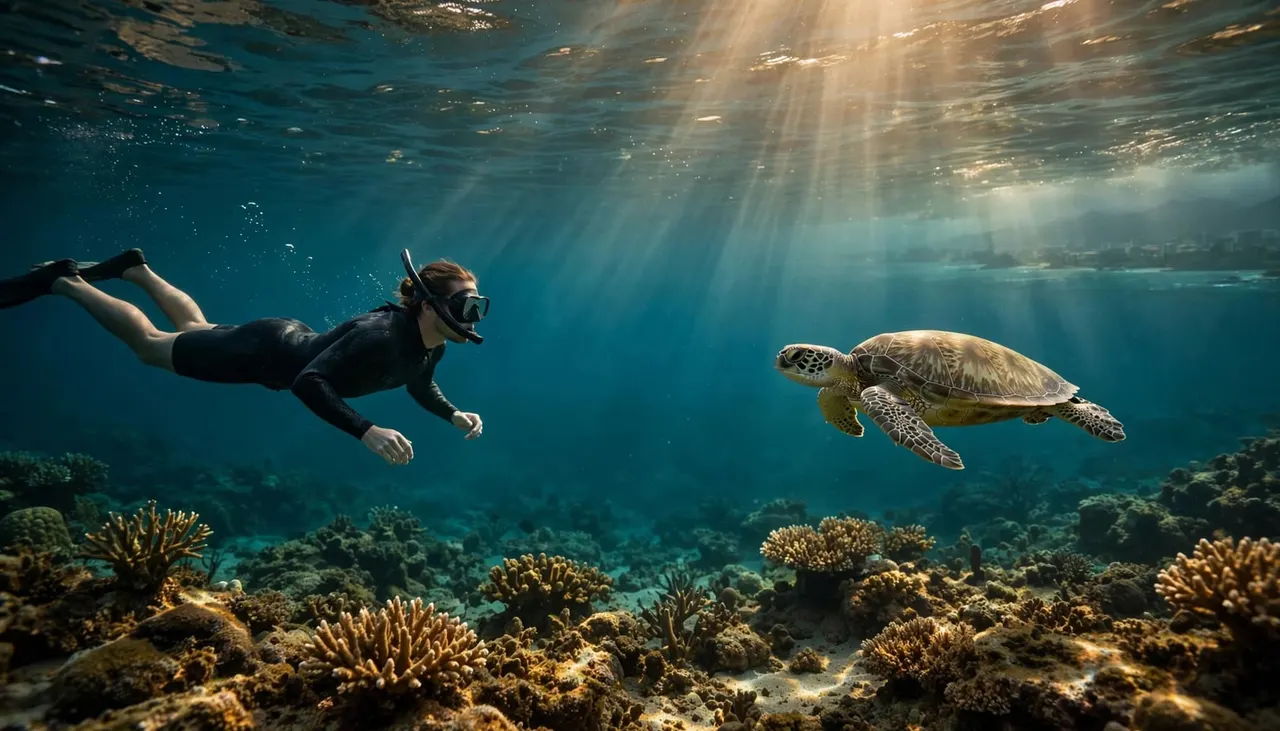
Good wildlife viewing starts with your body position. Float at the surface, use slow fin kicks, and keep your hands to yourself. A flotation vest can help you relax and keep your fins away from the reef.
Don’t touch, feed, chase, block, surround, or ride a turtle. Those actions disrupt normal behavior and can harm protected wildlife.
Protect the coral under you
Coral is living habitat, not a handhold or a place to stand while you adjust a mask. Even a brief fin strike can damage fragile reef structure or send sand into the water.
Secure loose straps and camera gear before entering. Then tell your guide if you are tired, anxious, or uncomfortable in deeper water. Returning to the boat is always a smart option.
Let the turtle control the encounter
A patient snorkeler often gets a better view than one who follows every movement. Hold your position and let the turtle pass through the open water you leave.
This is where calm turtle behavior becomes most visible. You may see a honu glide over coral, pause near small fish, or choose a completely different route. Each choice belongs to the turtle.
Snorkel Turtle Canyons With Professional In-Water Support
Living Ocean Tours provides gear, flotation support, and instruction before you enter the water. Its professional snorkel guides can help with mask fit, breathing, buoyancy, and reef etiquette while keeping the group from crowding wildlife.
The Turtle Canyons Snorkel Excursion is a comfortable choice for adventurous couples, families, first-time snorkelers, and confident swimmers. Let the crew know if you’re new to snorkeling, prone to seasickness, or helping a child with gear.
When conditions are right for your trip, you can CHECK AVAILABILITY for a turtle-focused outing.
Prepare Yourself for a Relaxed Reef Visit
A better Turtle Canyon Oahu experience begins before you step onto the swim platform. Choose reef-safe sun protection when possible, secure your equipment, and listen closely to the safety briefing.
Tell the crew what support you need. A properly fitted mask, fins that feel secure, and flotation support can make it easier to stay calm at the surface.
Choose comfort over pressure
You don’t have to stay in the water for the full session to have a meaningful day. A shorter, comfortable swim is better than pushing through anxiety or fatigue.
Stay close to your group, drink water, and return to the vessel before discomfort builds. You can enjoy the ocean view from the boat if swimming doesn’t feel right that day.
Report injuries without intervening
Slow movement or a weathered-looking shell doesn’t automatically mean a turtle is injured. However, visible fishing line, fresh wounds, restricted flipper movement, or clear trouble swimming deserve attention from trained responders.
Stay at least 10 feet away and alert your guide, a lifeguard, or wildlife authorities. Never pull off line, move the turtle, or attempt treatment yourself.
Key Takeaways for Respectful Turtle Watching
- Give every turtle an open path to swim, rest, and surface for air.
- Keep your body horizontal, your hands away from wildlife, and your fins above the coral.
- Treat slow movement and stillness as observation opportunities, not invitations to approach.
- Tell your professional snorkel guide if you need help with gear, buoyancy, or open-water comfort.
- If you see signs of injury, stay back and report what you see.
Frequently Asked Questions
Is Turtle Canyon Oahu suitable for beginners?
Turtle Canyon can suit beginners when conditions are appropriate and you join a guided trip with instruction, fitted gear, and flotation support. Be honest about your swimming comfort, stay near your group, and ask for help before you feel overwhelmed.
Living Ocean Tours’ professional snorkel guides are in the water to help you settle your breathing and stay aware of reef etiquette. That support gives you more room to enjoy the wildlife without rushing.
Will you always see turtles at Turtle Canyons?
Wildlife sightings are never guaranteed. Turtles can arrive, feed, rest, or leave according to their own routine, while water conditions can change from one day to the next.
A respectful trip still has value when turtles aren’t in view. Coral, reef fish, open-water scenery, and a relaxed boat ride are part of the experience.
What should you do if a turtle swims toward you?
Hold your position, stay calm, and let the turtle choose its path. Don’t reach for it, follow it, or move into its route to the surface.
Giving the turtle room protects calm turtle behavior and often provides a longer, more natural view than swimming after it.
What should you do if a turtle appears injured?
Keep your distance and tell your guide, a lifeguard, or wildlife authorities. Don’t touch the turtle, remove fishing line, pull on a flipper, or try to bring it to shore.
Trained responders can assess the animal without adding stress or putting you at risk.
A Better Turtle Encounter Starts With Space
The most memorable Turtle Canyon Oahu sightings happen when the turtle stays free to act like a wild animal. Your distance, patience, and controlled movement protect the reef and give you a clearer view of its natural routine.
Respectful observation turns a quick glimpse into a real wildlife encounter. Let the honu lead, and the ocean will provide the moment.


