
Do Hawaiian Green Turtles Sleep at Turtle Canyon Oahu?
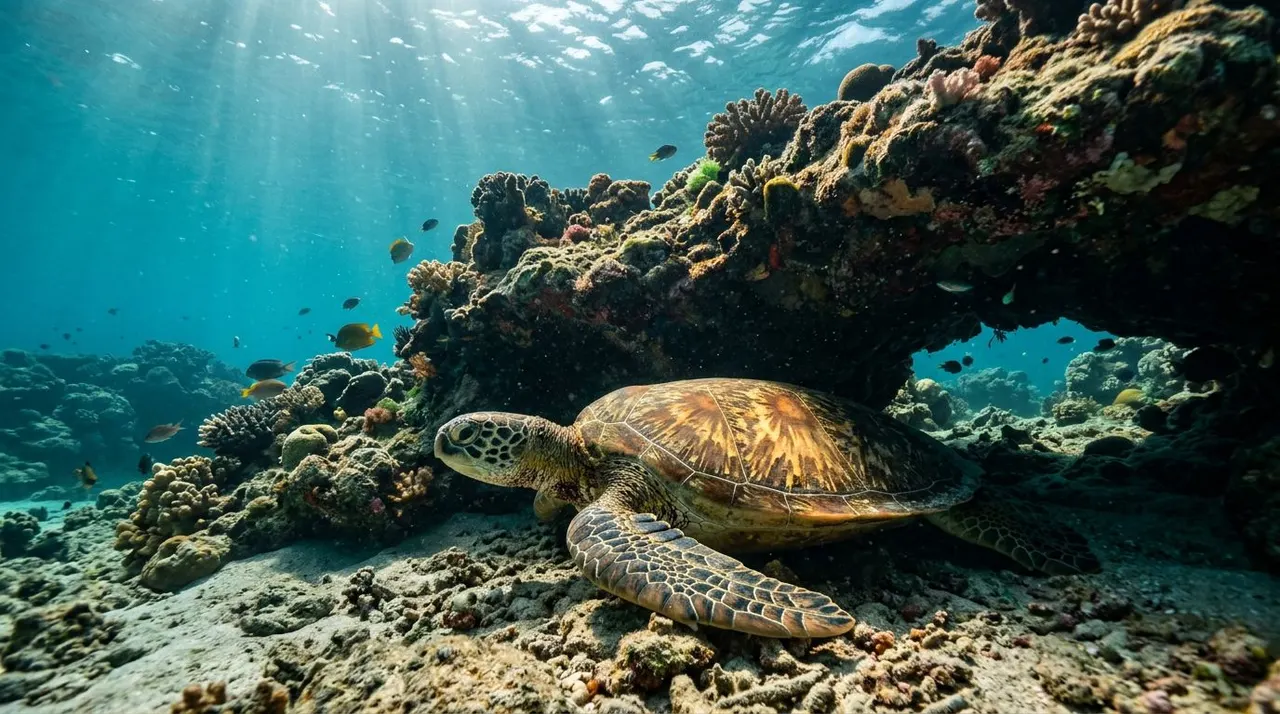
Could the Hawaiian green turtle you see at Turtle Canyon be asleep? Yes. These creatures, known as honu in Hawaiian culture, are a protected species that often rest underwater. They are frequently found tucked beneath coral ledges or rocky overhangs where they stay sheltered from waves and predators.
You may spot a green sea turtle hovering near the reef, resting on the seafloor, or visiting a natural cleaning station. However, a motionless turtle is not always sleeping. It may be resting, feeding, or waiting for cleaner fish to remove algae from its shell. Understanding the difference helps you enjoy the encounter without disturbing the animal.
Key Takeaways
- The green sea turtle, or honu as it is known locally, can be found resting at Turtle Canyon and other reef areas around Oahu.
- Sleeping turtles often wedge themselves beneath rocky ledges and remain submerged for several hours at a time.
- Visitors should never touch, feed, chase, or block the path of these creatures.
- Located just 15 minutes from Waikiki by boat, Turtle Canyon attracts turtles throughout the year.
- Booking a guided snorkel tour provides expert safety support and ensures you observe these marine animals in a responsible manner.
Why Turtle Canyon Is a Resting Place for Green Turtles
Turtle Canyon is a premier reef site located in the Main Hawaiian Islands, specifically just off the coast of Waikiki in Honolulu. The site features a mix of coral formations, rocky shelves, and underwater channels that provide essential shelter for local marine life. Accessible by boat in roughly 15 minutes, it remains one of the most popular destinations for those looking to encounter a green sea turtle in its natural habitat.
Hawaiian green turtles, or Chelonia mydas, frequent Turtle Canyon throughout the year. Many arrive to feed on limu, algae and seagrasses, while others stop at the reef’s natural cleaning stations to have parasites removed. Beyond their nutritional needs, these turtles, which are revered in Hawaiian culture as aumākua or ancestral guardians, often utilize protected spaces beneath coral ledges as quiet resting and sleeping areas.
The answer is yes, Hawaiian green turtles do sleep at Turtle Canyon. Still, you should not expect every turtle to be asleep when you arrive. Sea turtles frequently move between feeding areas, resting spots, open water, and various reefs. Their behavior shifts based on the time of day, water conditions, age, temperature, and overall activity level.
A green sea turtle hiding under a ledge may be taking a long rest. Another turtle nearby might be fully awake and slowly cruising around the reef. Both behaviors are completely normal.
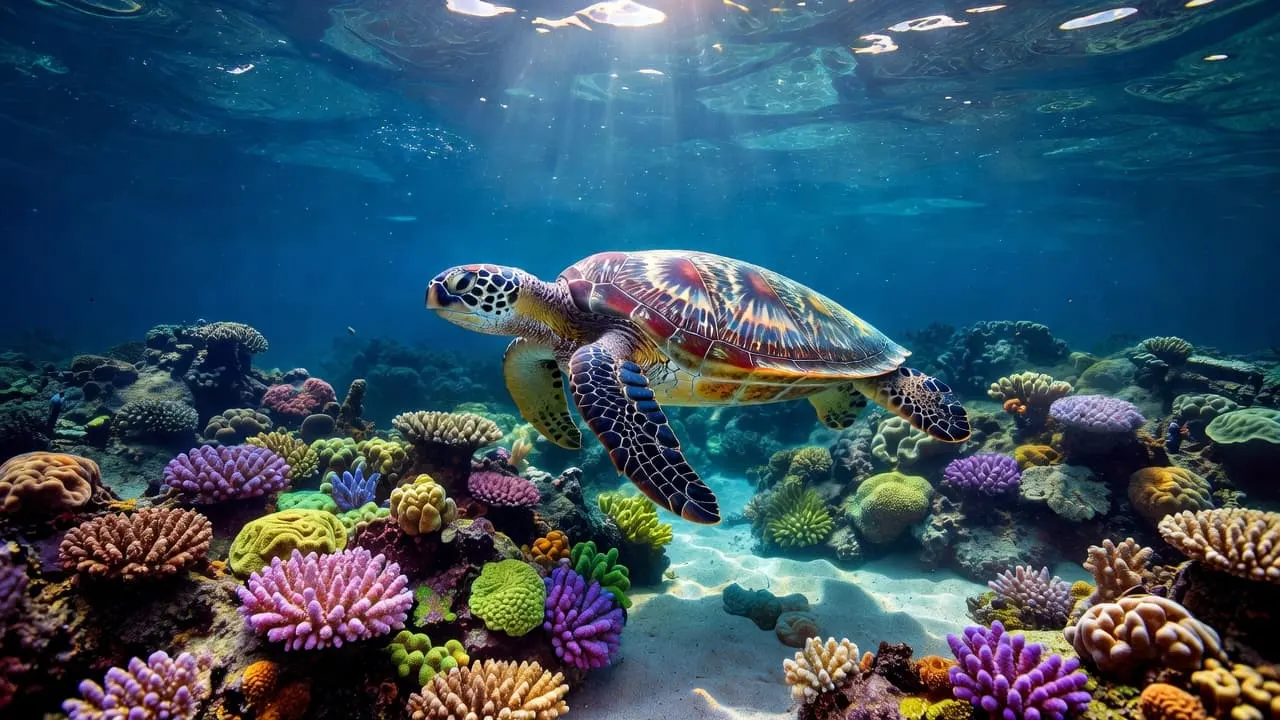
You may also see turtles resting at the surface or observe typical basking behavior on land at other Oahu locations. The North Shore’s Laniakea Beach is well known for these sightings, although land-based viewing requires strict adherence to safety and wildlife etiquette. For general information about turtle behavior and protection, you can review NOAA’s sea turtle facts.
How Hawaiian Green Turtles Sleep Underwater
Sea turtles do not sleep in a bed or nest. Instead, they slow their bodily functions and conserve oxygen while remaining underwater. A turtle may settle beneath an overhang, rest against the seafloor, or wedge its protective carapace into a secure space.
During sleep, the green sea turtle experiences a decrease in heart rate and metabolism. That physiological shift allows the animal to use oxygen at a much lower rate than it would while swimming or searching for food. Although the turtle must surface eventually, it can stay submerged for significantly longer periods while resting compared to when it is engaged in active movement.
Data provided by NOAA Fisheries explains that turtles commonly dive for about 20 to 40 minutes while foraging. When they sleep, however, they may remain underwater for several hours, depending on environmental conditions and the individual animal.
A turtle resting beneath a ledge may look completely still, but its body continues making small adjustments to maintain position and breathing.
You may notice gentle flipper movements from a sleeping green sea turtle. Those subtle motions help the animal stay in place and support its natural breathing rhythm. Some turtles also rest near the surface, where they can rise for air with very little effort.
Sleep patterns vary among individuals. Adult turtles usually hold their breath longer than young turtles, and warmer water can increase overall oxygen use. A turtle that has been swimming or feeding may surface sooner than one that has been resting for a while. Because of these differences, there is not one fixed number of minutes that applies to every turtle.
The sea turtle breath-holding information from NOAA Fisheries provides helpful context without turning a wildlife encounter into a stopwatch exercise. You will not know exactly how long a turtle has been underwater, and you do not need to find out. Give it space and let the animal choose its next movement.
How to Tell If a Turtle Is Sleeping or Resting
You cannot confirm a turtle’s sleep state from the surface. Even trained guides may describe a green sea turtle as resting rather than claim that it is asleep. That distinction matters because these animals can remain still while they feed, wait for cleaner fish, or watch activity around the reef.
A resting turtle may position itself beneath a ledge with its head angled upward. You might see its flippers make slow, occasional movements. Some turtles settle on the seafloor, while others hover calmly in one area before swimming away.
At Turtle Canyon, you may also see a green sea turtle near the cleaning station. Small reef fish remove algae and other material from the shell and skin. During that process, the animal can appear unusually calm. It may stay in one place for several minutes, but that does not necessarily mean it is sleeping. While observing from a safe distance, you might also look for signs of fibropapillomatosis, a common disease in sea turtles that manifests as external tumors.
Your best approach is simple:
- Watch the turtle’s position and movement without following it.
- Keep your hands to yourself, even if the animal swims close.
- Do not feed the turtle or place food near its resting area.
- Avoid blocking its route to the surface.
- Follow your guide’s instructions and keep your movements slow.
These animals are protected under federal law, and according to NOAA Fisheries, responsible viewing helps reduce stress around important feeding and resting areas. It is vital to keep the ocean free from marine debris, which can be hazardous to sea life, and to remain aware of the dangers these creatures face from entanglement and bycatch. The International Fund for Animal Welfare’s sea turtle guide also describes how these animals conserve oxygen while resting underwater.
A turtle may swim away if you approach too closely. When that happens, let it go. The goal is to observe natural behavior, not create a close-up photograph at the animal’s expense.
Seeing Sleeping Turtles With Living Ocean Tours
If you want to visit Turtle Canyon from Waikiki, Living Ocean Tours departs from Kewalo Basin Boat Harbor, just minutes from Waikiki Beach. The company focuses on guided marine experiences along the Waikiki coastline, including its popular Turtle Canyons Snorkel Excursion.
Living Ocean Tours reports a 95% success rate for spotting Hawaiian green turtles at the natural underwater cleaning station. Because these animals are protected under the Endangered Species Act, it is important to remember that this number describes sightings rather than guaranteed sleeping turtles. Marine animals choose their own behavior, so you may see a turtle feeding, resting, swimming, or moving between reef areas.
You also get professional snorkel guides, and Living Ocean Tours is the only tour company in the area with professional snorkel guides. That support helps first-time snorkelers feel more comfortable in the water. Guides can explain what you are seeing, help you use your equipment, and remind everyone to observe these creatures without touching them.
The Coast Guard-inspected fleet includes the Coral Kai and Lokahi, custom-built double-decker vessels with shaded seating, restrooms, dry storage, and sturdy ladders. The Lokahi also uses a SeaKeeper stabilization system, which helps keep the boat steady while you prepare to enter the water or relax after snorkeling.
You can explore Living Ocean Tours adventures if you want to compare the Turtle Canyon experience with other Oahu boat trips. Families with children age 3 and older, couples, and beginner swimmers can all find a comfortable way to enjoy the coast with crew support.
Book a Turtle Canyon Snorkel Tour
The Turtle Canyons Snorkel Excursion is the direct choice when your main goal is seeing a green sea turtle near Waikiki. By choosing this tour, you get the best opportunity to observe a green sea turtle in its natural habitat while learning about marine conservation efforts.
When to Visit Turtle Canyon and What to Bring
Turtle Canyon attracts Hawaiian green turtles year-round, so you do not need to plan your trip around a narrow viewing season. Conditions can still change daily, as water clarity, wind, waves, and turtle activity affect what you see on any particular outing.
Morning or afternoon availability may depend on the day’s schedule and ocean conditions. Check the tour details before booking, especially if you need a particular time for children, connecting plans, or a sunset activity later in the day.
Bring a swimsuit, reef-friendly sun protection, a towel, and a waterproof camera if you have one. You should also bring any prescription mask or personal snorkel gear you prefer, although guided tours provide the standard equipment you need.
If you are not a strong swimmer, tell the crew before entering the water. Professional guides can explain the entry process and help you understand where to position yourself. Never swim after a green sea turtle that moves away, even if it appears to be heading toward a better viewing spot.
The most rewarding sighting may be a calm turtle resting beneath a ledge. Keep your distance, stay quiet, and allow the animal to remain undisturbed.
Frequently Asked Questions
Can I swim next to a resting green sea turtle?
No, you should never swim directly next to or touch a resting sea turtle. These protected animals require space to feel secure, and getting too close can cause them to abandon their resting spot or experience unnecessary stress.
How can I tell if a turtle is sleeping or just resting?
It is often impossible to distinguish between a sleeping turtle and one that is simply resting or waiting for cleaner fish. Because both states look very similar, you should treat every stationary turtle as if it is resting and observe from a respectful distance.
Do green turtles always sleep under coral ledges?
While they frequently use coral ledges and rocky overhangs to find shelter, they may also rest against the seafloor or near the surface. Their choice of location depends on safety, water temperature, and their need to access the surface for air.
Is it safe to approach a turtle that looks like it is sleeping?
Approaching a turtle, even one that appears to be asleep, is discouraged because it can disturb their natural behavior or cause them to flee. Always maintain a buffer zone to ensure you remain in compliance with wildlife protection laws and support the animal’s well-being.
Conclusion
Hawaiian green turtles often sleep at Turtle Canyon Oahu, usually in sheltered reef areas beneath coral ledges or rocky overhangs. You may also see them resting at the surface, visiting the cleaning station, or swimming through the reef. The honu is a vital part of the delicate ecosystem found across the Main Hawaiian Islands, and observing them in their natural environment is a privilege.
A sleeping green sea turtle is not a scheduled attraction, so you cannot guarantee that you will see one in that exact state. With a guided Turtle Canyon snorkel tour, respectful behavior, and patience, you give yourself a strong chance to witness these animals in their natural habitat without interrupting their routine.


