
Boat Tour Waste Rules: Keep Trash Out of the Ocean
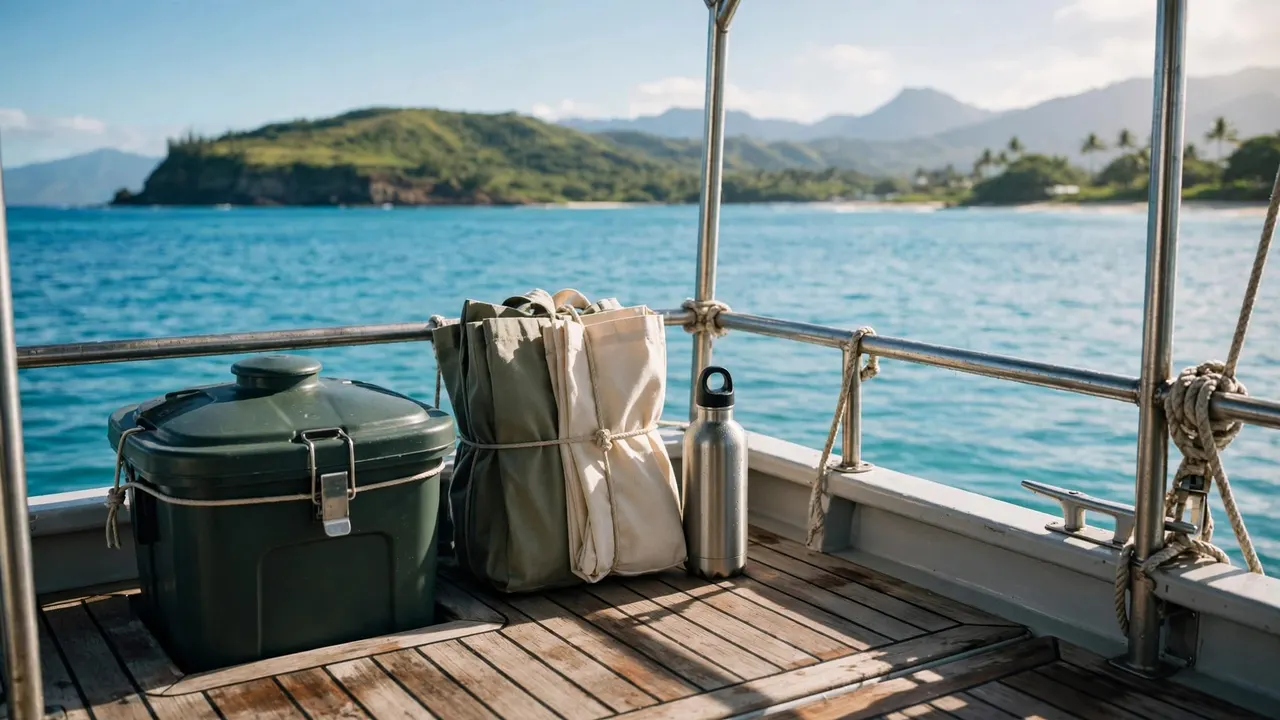
Boat tour waste rules are simple for you as a guest: keep trash aboard, secure loose belongings, and never use the ocean as a bin. That includes food scraps, cigarette butts, and items labeled biodegradable.
At Living Ocean Tours, we want you to enjoy Hawaii’s marine life while protecting the water around you. A few easy habits let you focus on the adventure without leaving anything behind.
Start with what belongs in your bag, what belongs in a waste receptacle, and what should never cross the rail.
The boat tour waste rules that matter to guests
Plastics stay aboard at every distance
Plastic bags, bottles, caps, foam packaging, and synthetic cord all belong out of the ocean. Under MARPOL Annex V, plastic disposal at sea is prohibited regardless of your distance from shore.
The EPA’s guidance on waste handling at boating facilities explains that plastic prohibition. For your trip, the practical habit is straightforward: keep every plastic item contained until you can dispose of it properly.
An empty bottle can roll across the deck before you notice. Put its cap back on and place it in your bag or the appropriate receptacle.
Offshore exceptions aren’t guest permissions
Marine garbage regulations include conditions based on the material and the vessel’s location. You shouldn’t interpret those conditions as permission to throw leftovers or packaging overboard.
Instead, follow the crew’s disposal instructions throughout your outing. Keep waste contained until you reach the appropriate bin or return to shore.
Separate ordinary trash from anything needing special handling, such as batteries or damaged electronics. Those items shouldn’t enter the water or an ordinary onboard trash stream.
Keep these everyday items out of the water
The easiest way to follow boat tour waste rules is to recognize waste before it becomes loose debris. Small objects deserve as much attention as large bottles.
These common items all need a secure place aboard.
| Item | Why it needs attention | What you should do |
|---|---|---|
| Wrappers and plastic bags | Wind can lift them off seats and tables. | Close them inside your bag. |
| Bottle caps and straws | Small pieces roll or blow away easily. | Keep them with the empty container. |
| Napkins and paper plates | Lightweight trash can leave the deck quickly. | Put them in a contained waste receptacle. |
| Fruit peels and leftovers | Food waste doesn’t belong overboard on your tour. | Bag scraps for proper disposal. |
| Cigarette butts and gum | Both are litter, even when they look insignificant. | Keep them out of the water. |
| Wipes and hygiene products | They require trash disposal, not flushing. | Use the appropriate waste bin. |
Biodegradable isn’t permission to litter. A product’s label doesn’t mean it belongs in seawater, or that it will disappear during your trip.
Also, keep party decorations, confetti, glitter, and balloons off your packing list. They’re difficult to contain on a moving boat.
If you bring snacks for children, open one portion at a time. Then secure the wrapper immediately, rather than leaving several empty packets on a bench. This keeps cleanup manageable while everyone enjoys the view.
Why small items become ocean hazards
Wildlife can mistake debris for food
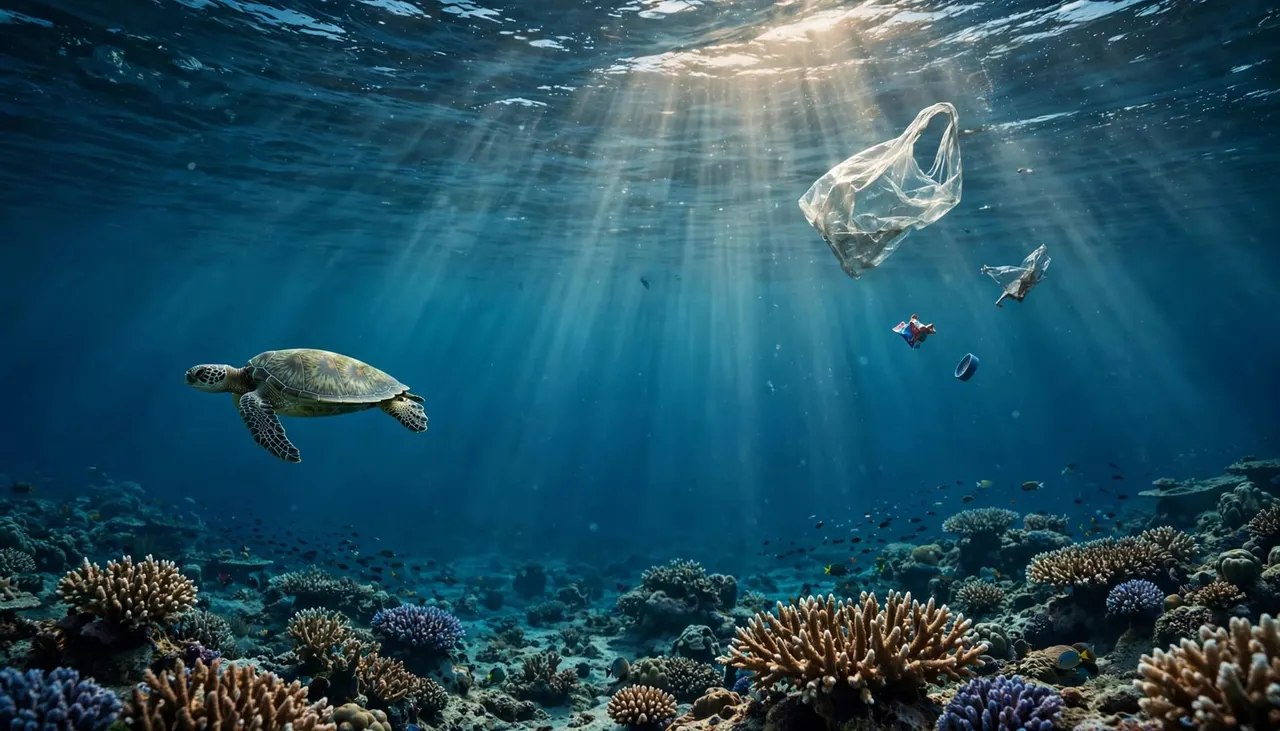
A floating plastic bag can resemble prey to a sea turtle. Other animals swallow fragments or become tangled in discarded line and packaging.
NOAA estimates that marine debris affects approximately 700 wildlife species in its explanation of marine debris impacts.
Keeping your trash contained protects more than the scenery around the boat. It reduces the chance that something you brought becomes an obstacle or a harmful meal after you’ve returned to shore.
Plastic can break into smaller pieces
Sunlight and physical wear can break larger plastic objects into smaller fragments. That process doesn’t mean the material has harmlessly disappeared.
NOAA’s information on plastic marine debris covers this persistent source of ocean pollution.
For you, prevention starts before anything reaches the water. A bottle cap tucked into your bag is easy to manage. Once it drifts away, finding and retrieving it becomes much harder.
Pack reusable items for your boat tour
Reduce packaging before departure
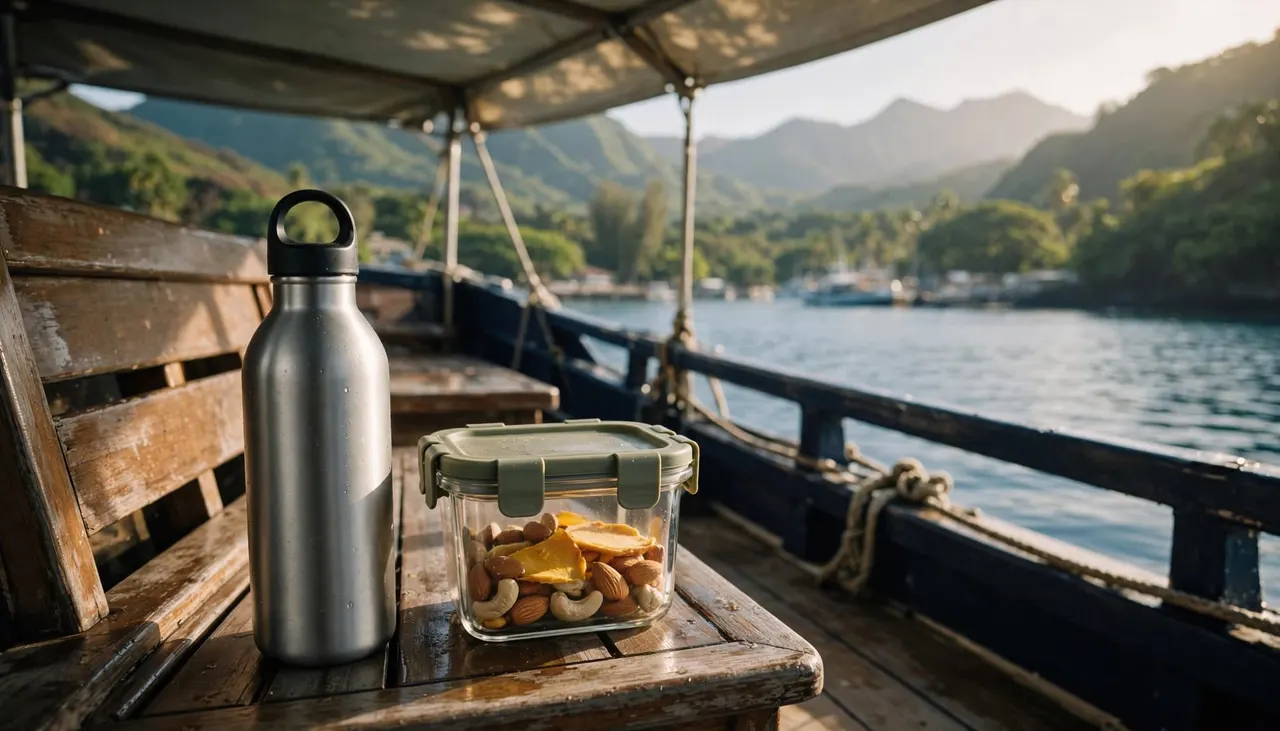
Pack a refillable water bottle and put any permitted snacks in a reusable container. Removing unnecessary outer packaging before departure gives you fewer loose pieces to manage.
Bring a small, closable pouch for rubbish. It’s useful for sticky wrappers or used tissues when you’re away from a receptacle.
Following boat tour waste rules becomes easier when your packing choices prevent waste in the first place. You also spend less time collecting loose packaging while everyone else enjoys the coastline.
Secure belongings before entering the water
Zip your bag before you leave your seat. Keep sunglasses, hats, tissues, and empty containers away from exposed edges.
Before snorkeling, empty loose pockets and secure anything you aren’t taking into the water. A small packet tucked into swim shorts can become litter without you noticing.
For family outings, give children a simple routine: finish the snack, put away the wrapper, then move on. Handling trash together helps younger guests understand that caring for the ocean is part of enjoying it.
Handle food and restroom waste properly
Food scraps belong with the trash
Keep fruit skins, sandwich crusts, candy, and leftover snacks aboard. Even natural materials need proper disposal during your tour.
Don’t toss food into the water to attract fish. Feeding wildlife can change its behavior and diet, and it creates encounters centered on food rather than natural activity.
Keep unfinished drinks contained, too. Avoid pouring leftovers over the rail or rinsing a sticky container into the ocean. If something spills on deck, let the crew know so it can be handled without creating a slippery surface.
Use the restroom as intended
Solid trash and sewage are different waste categories. You don’t need to manage the boat’s wastewater system; you need to use the restroom correctly.
Follow posted instructions and keep wipes, sanitary products, cotton swabs, and packaging out of the toilet. Even products sold as flushable can cause problems in marine plumbing.
Use the appropriate receptacle for hygiene waste. If you’re unsure where an item belongs, ask the crew for disposal help rather than improvising.
Proper restroom use protects onboard equipment and keeps your trip comfortable for everyone.
Protect the reef beyond visible litter
Not every environmental impact looks like a floating wrapper. NOAA’s ocean pollution overview explains how pollutants enter marine waters, including sources beyond visible trash.
Your sun protection choices also deserve attention. A rash guard provides coverage without adding a product to your skin. For exposed areas, consider mineral sunscreen containing zinc oxide or titanium dioxide.
However, don’t treat the words “reef-safe” as a guarantee that a product has no environmental impact. Read the active ingredients, use sun protection as directed, and keep the container secured aboard.
Once you’re snorkeling, stay above the reef without standing on, grabbing, or kicking coral. Coral is living habitat, not a place to balance while adjusting your mask.
Give sea turtles room to swim and surface. Staying at least 10 feet away is a recommended viewing distance, and you should never chase, touch, or feed them.
If you need to rest, signal your guide and use flotation support. That protects both you and the reef beneath your fins.
If something goes overboard, put safety first
A gust can carry away a hat or wrapper in seconds. Your response should protect people first while giving the crew useful information.
- Tell the crew immediately and point toward the item’s location.
- Stay aboard and keep clear of the rail while the crew assesses retrieval.
- Follow directions, including leaving the item alone if retrieval would be unsafe.
Don’t jump into the water after a dropped phone, bag, or bottle. Also, don’t lean far overboard or reach toward moving equipment.
Report dropped belongings promptly. A quick, clear direction helps the crew assess the situation without putting another person at risk.
While snorkeling, leave tangled line, sharp debris, and unfamiliar objects alone. Notify your guide instead of trying to pull rubbish off coral or wildlife.
If you collect a harmless piece of floating litter under crew direction, keep it contained until proper disposal. Avoid transferring it to an open surface where it could blow away again.
Enjoy a cleaner ocean adventure with us
At Living Ocean Tours, we pair your adventure with guidance on respectful wildlife viewing. Our professional snorkel guides help you understand how to enjoy the reef without touching coral or disturbing marine life.
You can explore our Waikiki ocean tours with the same practical habits: secure your belongings, keep waste aboard, and follow the crew’s instructions.
Understanding boat tour waste rules before boarding lets you spend more attention on the ocean around you. We welcome first-time snorkelers, adventurous couples, and families who want an enjoyable outing with respect for Hawaii’s waters.
Make room for an ocean adventure on your Oahu itinerary.
Key Takeaways
- Keep all guest trash aboard, including food scraps, paper, and biodegradable packaging.
- Pack reusable containers and secure belongings before wind, movement, or water can carry them away.
- Report dropped items to the crew, and never risk your safety to retrieve them.
Before leaving the boat, look around your seat and gather your belongings. That final sweep catches the small items you might otherwise forget.
Leave the Ocean Clear for the Next Adventure
Boat tour waste rules work best when you make waste prevention part of your trip. Pack thoughtfully, contain rubbish promptly, and leave retrieval decisions to the crew.
Your clean wake starts with the small things you keep aboard. Enjoy the wildlife and the views while leaving Hawaii’s ocean free of anything you brought with you.


