
Boat Hull Vibration: Why It Changes With Speed

Boat hull vibration can become noticeable at certain speeds because engines, propellers, and other moving parts create forces that travel through the vessel. A particular speed may make those forces easier to feel, but the sensation alone doesn’t identify the cause.
At Living Ocean Tours, we know an unfamiliar rumble can catch your attention while you’re taking in the Waikiki coastline. Knowing the difference between vibration and wave motion can help you describe what you’re feeling and decide when to speak up.
Key Takeaways
- A speed-related vibration can come from the propulsion system, the way water flows around the propeller, or a combination of factors.
- A steady hum is different from repeated jolts caused by waves or another vessel’s wake.
- A sudden, strong, or worsening vibration deserves prompt attention from the crew.
- A stabilizer reduces side-to-side roll. It doesn’t repair a propeller or eliminate engine vibration.
Why Boat Hull Vibration Changes With Speed
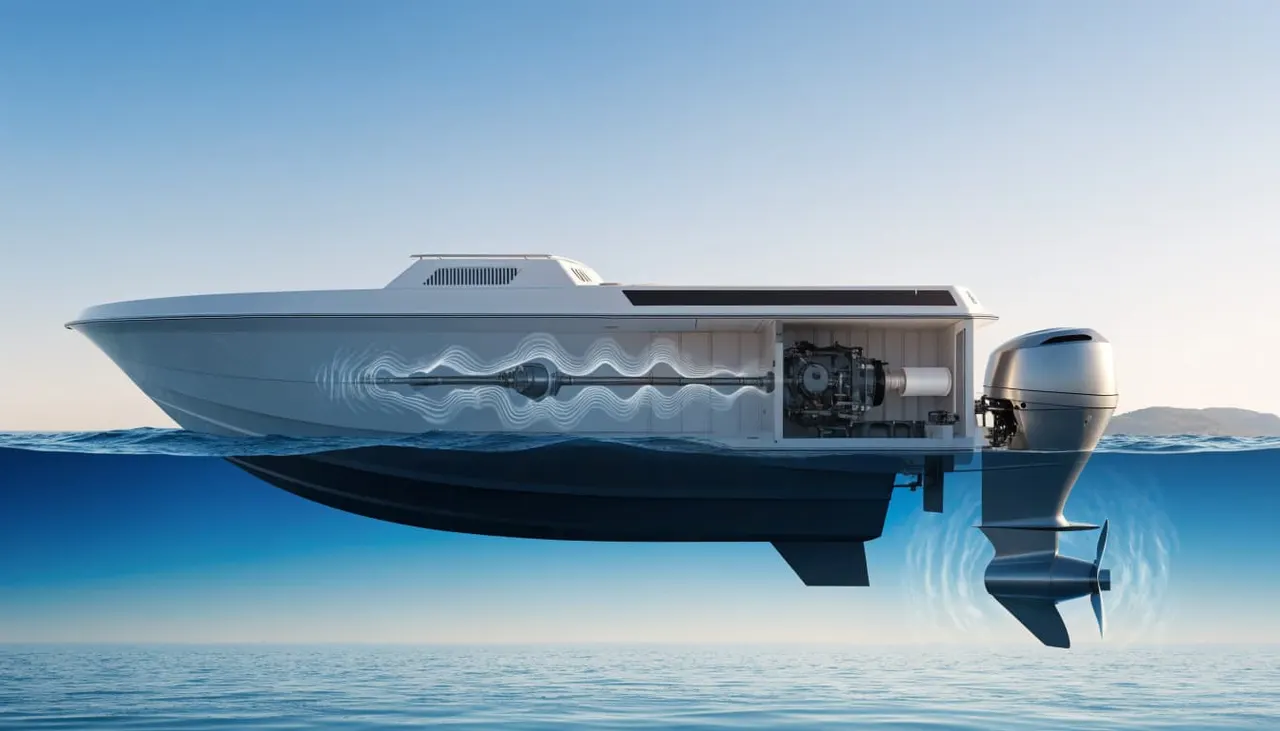
A boat’s engines and propulsion components rotate at different rates as the captain changes throttle. Those moving parts produce forces that can travel through their supports and into the hull. You might feel that movement through a seat, deck, or railing.
Rotation and resonance
As engine speed changes, the frequency of vibration changes too. At some speeds, that frequency can be close to a natural frequency of a component or part of the hull. The resulting resonance can make the vibration more noticeable.
A loose panel or fitting can also rattle more at one setting than another. The sound may seem louder than the movement you feel underfoot. Both observations are useful to the crew, although neither identifies the source on its own.
Speed is a clue, not a diagnosis
You may notice a hum as the boat accelerates, then feel less of it after the captain adjusts speed. That pattern can help a mechanic investigate, but it doesn’t prove that resonance is responsible.
Engine load, propeller condition, water flow, and sea conditions can all affect what you feel. There isn’t a universal speed or engine setting that separates an acceptable vibration from a mechanical problem on every vessel.
Mechanical Causes of a Vibrating Hull

Boat hull vibration can originate in several parts of the propulsion system. A passenger won’t be able to identify the source by feel alone, but these are common areas a qualified technician may investigate.
Propeller damage or imbalance
A propeller blade can be bent, chipped, or otherwise damaged. Because the propeller spins, an imbalance can create a repeating force that travels through the vessel. A damaged propeller may also affect performance.
According to Mercury Marine’s propeller inspection guidance, increased vibration or reduced efficiency while underway can point to propeller damage. A mechanic needs to inspect the equipment to determine the cause.
Engines, mounts, and shafts
An engine produces vibration as it runs. Its mounts and supporting structure help manage how those forces reach the rest of the boat. If a mount is worn or a rotating component is out of alignment, the movement may become more noticeable.
Depending on the vessel’s design, a technician may also investigate the shaft, bearings, gearbox, or related connections. The parts involved vary between boats, so a symptom on one vessel doesn’t automatically have the same cause on another.
How Water Around the Propeller Affects the Ride
Mechanical condition is only part of the picture. Water flow around a propeller changes with speed, load, and the boat’s movement. Those changes can contribute to sound and vibration even though the source is out of sight.
Cavitation and vibration
Cavitation occurs when pressure drops enough for water to vaporize near the propeller blades. As the vapor bubbles collapse, they can produce noise and vibration. The engineering reference ScienceDirect’s explanation of propeller cavitation describes this process and its connection to ship vibration.
Cavitation is a technical explanation, not something you can confirm by listening from your seat. The crew or a marine professional would need more information to identify it.
Changes in water flow
A propeller can also draw air from the surface under some conditions, a separate phenomenon called ventilation. A change in engine sound or thrust can accompany it, but those signs aren’t exclusive to ventilation.
Turning, waves, and the vessel’s loading can affect how water reaches a propeller. Rather than naming a cause, tell the crew what changed and whether you noticed it during a turn, acceleration, or steady travel.
Is It Vibration or Movement From Waves?
A vibration usually feels like a repeated buzz, hum, or tremor. Wave motion often feels broader: the bow may rise and fall, the boat may roll side to side, or you may feel a short bump as the hull meets a wave.
On a busy coastline, wakes from different vessels can cross each other and mix with wind-driven chop or swell. You might feel a lift after another boat has already passed. A wake can also reach your vessel at an angle, creating both pitching and rolling.
The distinction isn’t always obvious. A loose item can rattle when the hull moves, and engine vibration can be present while the boat crosses waves. Pay attention to the pattern rather than assuming every sound comes from the same source.
If you’re taking photos, the deck and railing move with the boat. Resting a camera against a vibrating surface won’t make it completely steady. Keep your hands free for a railing when the crew asks you to move or sit down.
What to Tell the Crew About a Vibration
You don’t need boating experience to give a useful report. Describe what you noticed in plain language, then let the captain and crew assess the situation.
Share when and where you felt it
Tell a crew member if the movement began after a change in speed or direction. Mention whether it felt steady or intermittent, and whether you noticed it through the deck, your seat, or a railing.
Sound can add useful context. A new rattle, grinding noise, or repeated thump is worth mentioning, especially if it appeared alongside the vibration. You don’t need to estimate an engine speed or inspect equipment yourself.
Report sudden or worsening changes promptly
A strong new vibration, a loud impact, unusual smoke, or an unexpected smell deserves immediate attention from the crew. Stay seated if directed and keep walkways clear while they respond.
You can also speak up if you’re unsure whether a sensation has changed. The crew can listen to your concern and decide what action is appropriate. Avoid reaching into machinery areas or attempting to investigate a propeller while aboard.
What a Stabilizer Can and Cannot Fix
A gyroscopic stabilizer addresses roll, the side-to-side movement you may feel when waves approach the boat. Our vessel Lokahi has a SeaKeeper system designed to reduce that motion.
A gyro uses a spinning flywheel to create a force that opposes rolling. Seakeeper describes how its gyro stabilizers reduce boat roll both at rest and underway. Your experience still depends on the vessel and conditions.
A stabilizer doesn’t stop every type of movement. You may feel the bow rise and fall in swell, notice a wake, or hear the engines as the boat changes speed. The system also doesn’t correct a damaged propeller or another source of mechanical vibration.
If you feel a new or concerning vibration on a stabilized vessel, tell the crew rather than assuming the stabilizer will address it.
Make Your Waikiki Boat Ride More Comfortable
If you’re sensitive to motion, a seat near the middle of the lower deck often feels steadier than one near the bow. Ask the crew where you can sit safely, particularly when conditions change.
Looking toward the horizon may help if you feel queasy. Drink water, and tell a crew member early if you’re unwell. If you use motion-sickness medication or have questions about it, speak with a healthcare professional before your trip.
Our Waikiki boat tours and snorkeling experiences depart from Kewalo Basin Boat Harbor. On our snorkeling outings, professional snorkel guides help you feel more confident in the water. You’ll also be encouraged to observe marine life without touching or disturbing it.
Boat Hull Vibration FAQ
Does vibration at one speed mean the boat is unsafe?
A vibration at one speed doesn’t establish whether a boat is safe or unsafe. Its strength, whether it’s new, and any accompanying changes matter. Tell the crew if it concerns you, particularly if it starts suddenly or gets stronger.
Can a damaged propeller vibrate only at certain speeds?
A damaged or imbalanced propeller can produce vibration that becomes more noticeable at particular speeds. Other causes can create a similar pattern, so the speed alone doesn’t identify propeller damage.
Will slowing down always stop the vibration?
Changing speed may alter what you feel, but slowing down doesn’t always remove the cause. The captain can assess the situation and adjust operation as needed. A persistent or unusual vibration may require inspection.
Is a vibrating hull the same as a rough ride?
No. Vibration is typically a repeated tremor or buzz, while a rough ride often involves larger movements as the vessel meets waves. You can experience both at once, especially when the boat is underway in choppy water.
Enjoy the Ride With Confidence
Boat hull vibration can have several causes, and a particular speed is only one clue. A change in the sensation, especially a sudden or strong one, is worth sharing with the crew.
Once you’ve passed along your concern, follow their directions and settle into a safe seat. You can leave the assessment to the people operating the vessel and return your attention to the water around you.


