
Why Green Turtles Look Green at Turtle Canyon Oahu
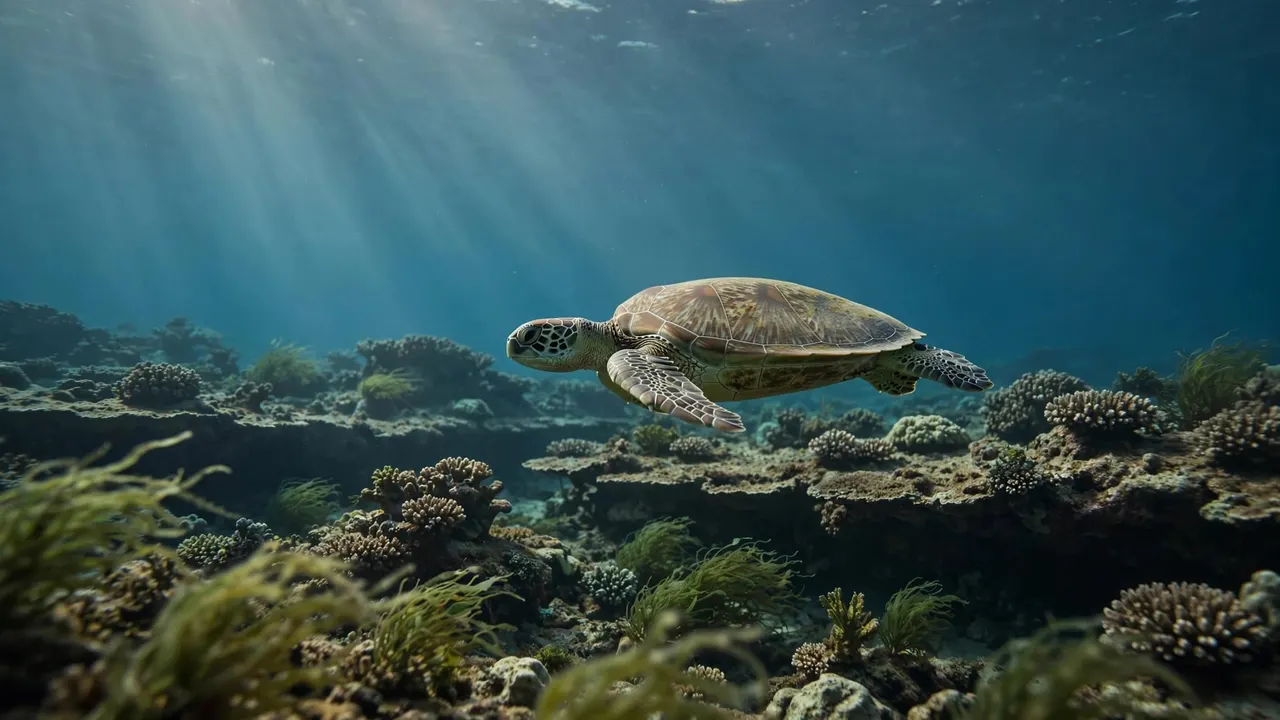
The answer to why green turtles look green starts beneath the shell: their name refers to greenish body fat. The shell you see while snorkeling can be brown, gray, or olive rather than bright green.
On our Turtle Canyon snorkeling tour, you explore Hawaiian green turtle habitat with us at Living Ocean Tours. Knowing the difference between the animal’s name and its appearance gives you more to appreciate during an encounter.
Start with the name, then look at what a honu’s shell, feeding habits, and reef behavior can tell you.
Key Takeaways
- Green turtles get their name from their greenish fat, not a consistently green shell.
- Adult Hawaiian green turtles eat mainly algae, including seaweed known locally as limu.
- Turtle Canyon is reef habitat where turtles may rest, travel, or visit cleaner fish. You shouldn’t expect a documented seagrass meadow.
- Watching calmly gives you a chance to notice shell patterns and natural behavior without disturbing wildlife.
You can explore this offshore habitat with our crew and professional in-water support.
Why green turtles look green: Name versus appearance
The green color behind the name
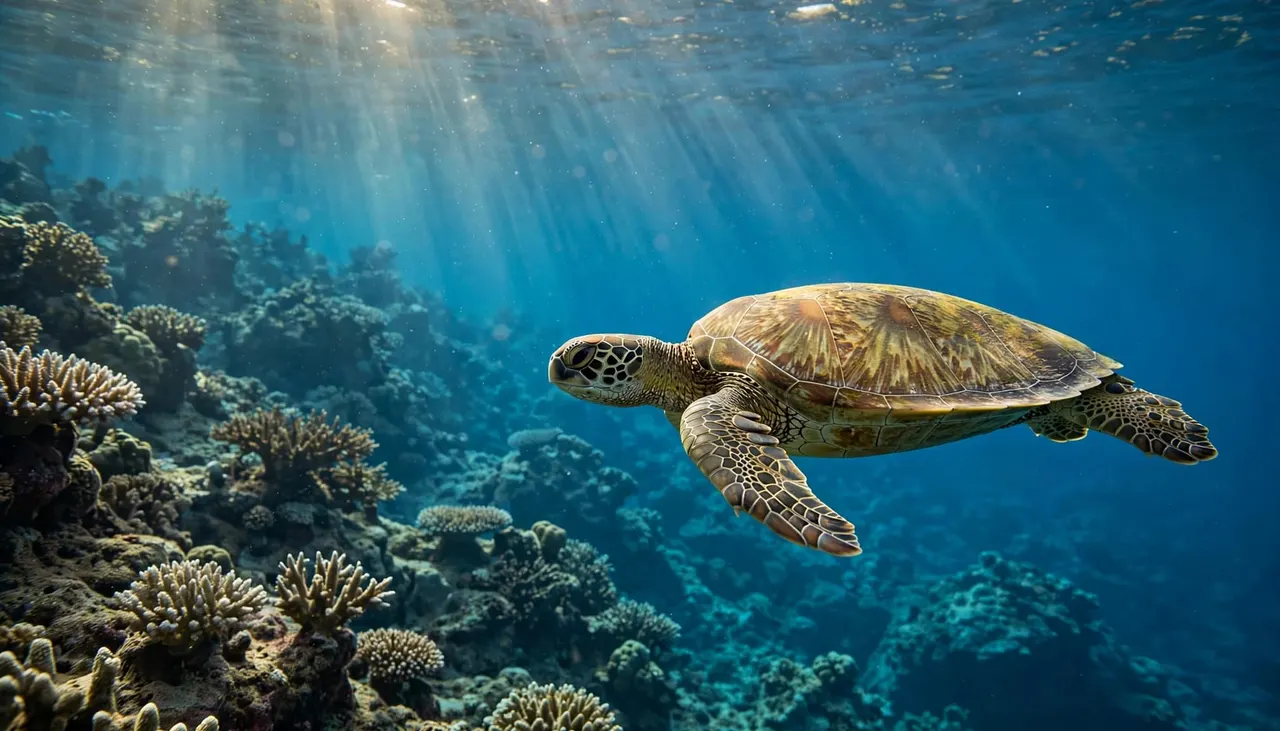
When you hear “green sea turtle,” you might expect a uniformly green animal. However, the common name describes tissue inside its body, which you can’t see during a snorkel encounter.
NOAA Fisheries’ green turtle profile explains that the name comes from the color of the turtle’s fat. NOAA also notes that people originally attributed that color to diet.
That distinction matters because the familiar dietary explanation isn’t a complete, settled account of the coloration. You can understand the name without assuming every green food produces a green-looking turtle.
The shell you see can vary
A green turtle’s upper shell, called its carapace, can look dark brown, gray, or olive. Its underside is lighter. Therefore, a brown-looking honu still fits the species’ normal appearance.
You may also notice contrasting patches and patterns across the shell’s plates, called scutes. Those markings make the animal more visually interesting than its common name suggests.
During your encounter, pay attention to the overall pattern rather than searching for a single green shade. Color alone doesn’t tell you what the turtle has eaten recently or what it’s about to do.
A Plant-Rich Diet Adds Context
What adult Hawaiian honu eat
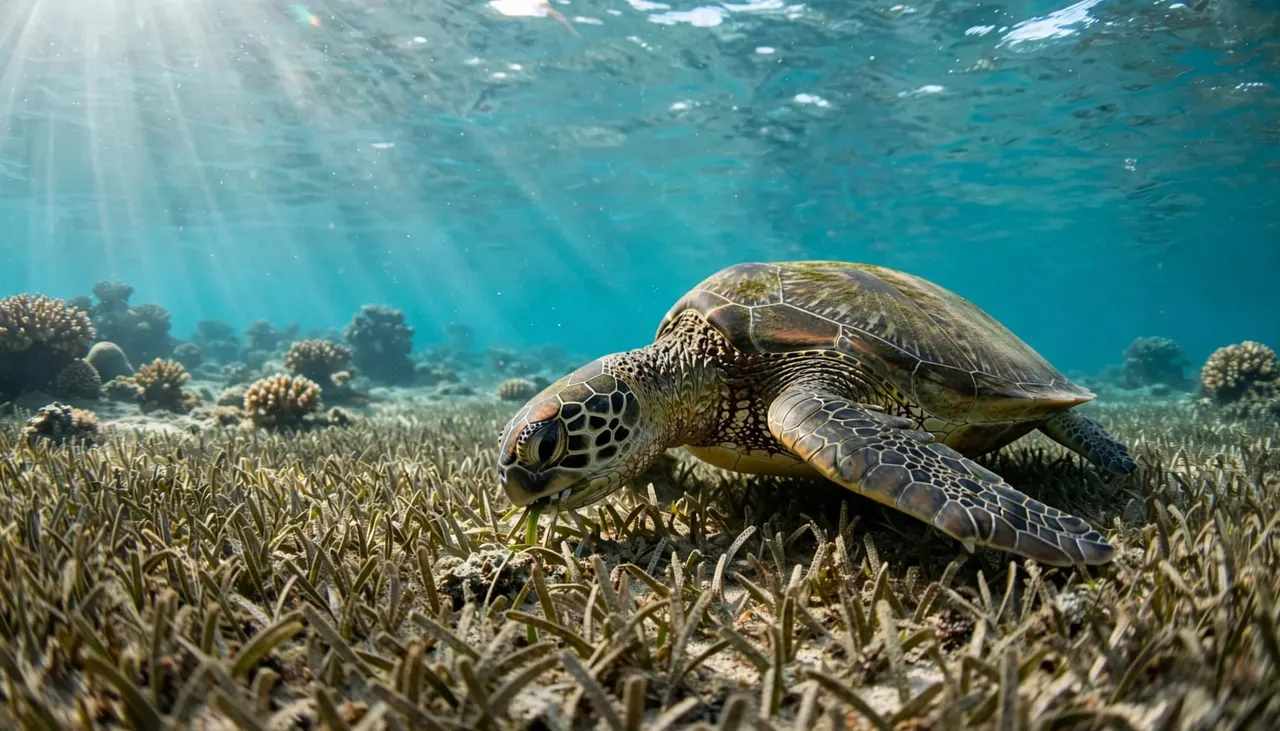
When you ask why green turtles look green, their plant-heavy diet naturally enters the conversation. Adult green turtles primarily eat marine plants, although they may also consume jellyfish and small invertebrates.
Around Oahu, algae are especially important. You may hear seaweed described as limu, a familiar term in Hawaii. Seagrass also supports green turtles where suitable meadows grow.
The Aquarium of the Pacific’s species profile connects the turtle’s diet with its greenish fat and common name. However, that connection doesn’t mean the shell takes on the color of each meal.
Turtle Canyon isn’t a seagrass meadow
You should picture Turtle Canyon as offshore reef habitat rather than a confirmed field of seagrass. A turtle swimming above the reef might be traveling, resting, or approaching cleaner fish.
Because those activities share the same habitat, location alone doesn’t prove feeding. You need to see the animal grazing before describing that particular moment as a meal.
Life stage matters, too. Hatchlings spend several years in open-ocean habitat before juveniles move into shallow coastal feeding areas. The adult diet doesn’t describe every stage of a green turtle’s life.
This broader view helps you connect the honu you watch with its ecology without assigning a feeding story to every reef visit.
What Turtle Canyon Lets You Observe
Cleaner fish working around a shell
At Turtle Canyon, we describe natural cleaning stations where smaller reef fish pick algae and other material from turtles’ shells and skin. You may see a turtle pause while fish approach.
That interaction gives you something more rewarding to watch than color alone. Notice where the fish gather and whether the turtle holds its position or continues swimming.
Our guide to why turtles gather at Turtle Canyon adds context to these encounters. Still, a turtle doesn’t have to stop for cleaning simply because it passes through the area.
Resting, traveling, and breathing
You may also see a honu resting near a reef ledge or moving steadily through the water. Several turtles sharing the reef don’t necessarily form a traveling group.
Meanwhile, a turtle rising toward the surface needs an unobstructed route to breathe. Its upward movement is your cue to give it space, not an invitation to follow.
These behaviors help you read the scene without guessing. A resting animal may barely move, while a traveling turtle can leave the viewing area whenever it chooses.
Every encounter happens on the turtle’s terms. Your visit may include cleaning, swimming, resting, or surfacing, but none of those activities is guaranteed.
Notice the Details Without Moving Closer
Curiosity about why green turtles look green doesn’t require a closer approach. You can appreciate shell patterns, flipper movement, and cleaner-fish activity while remaining a respectful observer.
First, settle your breathing and use the flotation support provided. Then let your attention move across the animal instead of swimming toward it. Controlled movement also helps you stay aware of nearby snorkelers.
If a turtle changes direction toward you, give it room rather than holding your position for a photograph. Never surround it or block the space above its head.
A turtle’s route to the surface matters more than your camera angle. Leave that route open, even when the animal approaches you.
Touching, feeding, chasing, or disturbing turtles can harm protected wildlife. You should also keep your fins away from coral and avoid standing on the reef.
For families, explain the hands-off rule before entering the water. Children can watch for a turtle’s next breath or notice fish near its shell without trying to get closer.
If you notice an obvious injury or entanglement, alert your guide. Don’t attempt to capture, reposition, or free the turtle yourself.
Our responsible turtle snorkeling guide offers more context for sharing the water respectfully. Patient observation leaves the animal free to continue its routine.
Explore Turtle Canyon With Our In-Water Guides
Our Turtle Canyons Snorkel Excursion departs from Kewalo Basin Boat Harbor, minutes from Waikiki. Trips start at $79 per person and include snorkeling equipment, flotation support, and professional in-water guidance.
We’re the only Oahu tour company with professional snorkel guides in the water with you. You have support while adjusting to unfamiliar equipment and observing wildlife around the reef.
Get comfortable before watching wildlife
Tell our crew if you’re new to snorkeling or helping a child become comfortable with a mask. You can ask for help with fit, breathing, and flotation before focusing on turtles.
Even confident swimmers benefit from that support. Snorkeling adds equipment, surface awareness, and wildlife-viewing responsibilities to an otherwise familiar activity.
Set realistic expectations for your encounter
Our Turtle Canyons excursion has about a 95% turtle-sighting success rate. However, wild animals choose where they go, so sightings aren’t guaranteed.
You can enjoy the outing without expecting a particular shell color or cleaning interaction. Watching a honu breathe or glide past the reef can be equally memorable.
To choose your departure, CHECK AVAILABILITY for our Turtle Canyon excursion.
Frequently Asked Questions About Green Turtle Color
Does algae explain why green turtles look green?
Algae growing on a shell can affect its apparent color, but that’s separate from the species’ name. The name refers to greenish body fat. You shouldn’t assume a greener-looking shell means a turtle recently ate more seaweed or needs help.
Can a brown turtle still be a green sea turtle?
Yes. Brown, gray, and olive shells fall within normal green turtle coloration. You don’t need to see a bright green shell for the identification to make sense. The common name describes an internal characteristic rather than a uniform exterior.
Will every turtle visit cleaner fish?
No. At Turtle Canyon, you may see turtles resting, passing through, swimming upward for air, or pausing near cleaner fish. The reef supports different activities. A turtle’s presence doesn’t guarantee that you’ll witness a cleaning interaction during your visit.
Are green turtles protected in Hawaii?
Yes. Hawaiian green turtles are listed as threatened under the U.S. Endangered Species Act. Give them space and avoid any contact or disturbance. A turtle approaching you doesn’t change your responsibility to let it swim, breathe, or leave freely.
Appreciate the Color Without Disturbing the Honu
Understanding why green turtles look green helps you separate the species’ name from the shell in front of you. At Turtle Canyon, the richer experience comes from noticing patterns and behavior while allowing wildlife room.
Bring your curiosity, accept our guides’ support, and practice hands-off observation. You’ll give each honu the freedom to continue its day while you enjoy the encounter.


