
Where to See Sea Turtles in Oahu: 7 Best Spots (2026)
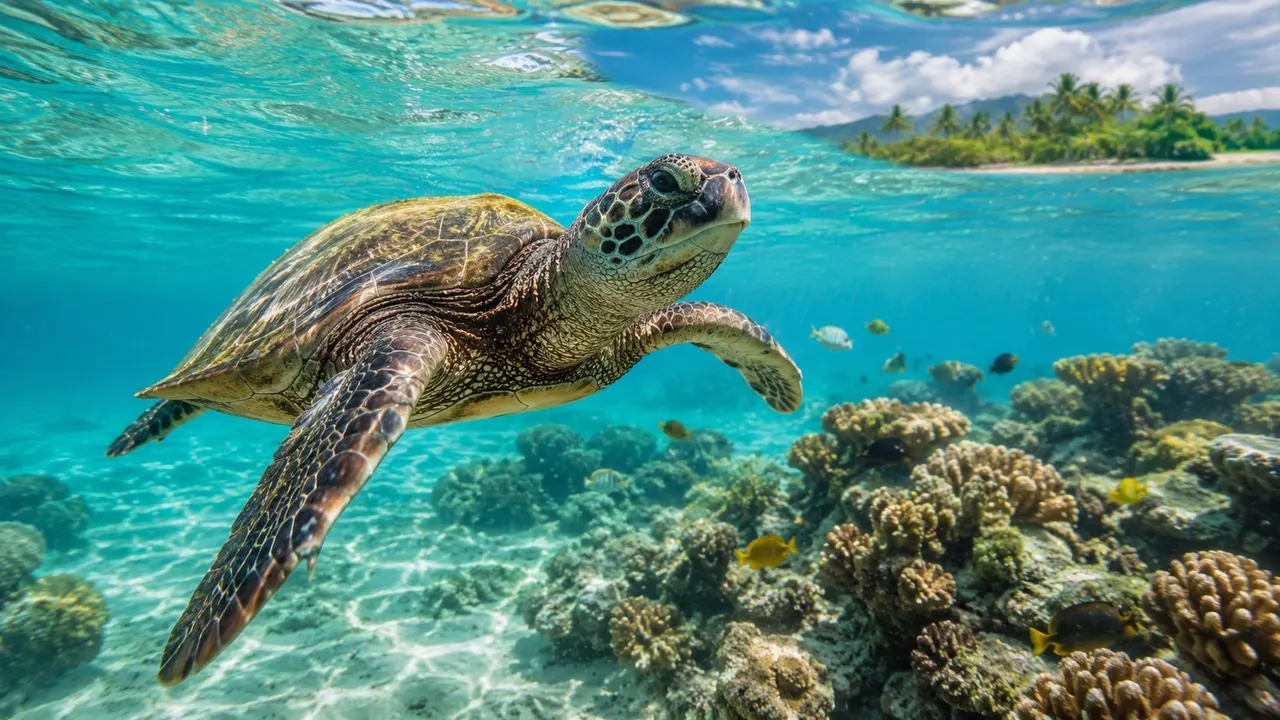
Your Guide to Finding Oahu's Majestic Honu (Sea Turtles)
Dreaming of swimming alongside a Hawaiian green sea turtle, or honu, in Oahu's warm blue water? You're in good company. For a lot of visitors, this is the wildlife moment they remember most. The catch is that turtle encounters on Oahu aren't all the same. Some spots are best for watching from shore, some are worth the drive only if ocean conditions cooperate, and some are far easier with a boat and a guide.
If you're trying to figure out where to see sea turtles in Oahu without wasting a beach day, start with the kind of experience you want. Do you want the easiest family-friendly option? A real snorkel session with strong odds of seeing turtles in the water? Or a roadside stop where you can often view honu from dry sand? This guide gets straight to the best options, mixing proven DIY beaches with one guided tour choice that removes a lot of guesswork.
1. Best Guided Tour Living Ocean Tours from Waikiki
You wake up in Waikiki, want to see turtles today, and do not want to spend half the morning checking surf reports, hunting parking, or guessing whether the entry will feel manageable. That is the main reason a guided boat trip works so well here. It gives you a clear plan, especially if your group includes beginners or anyone who wants support in the water.
Living Ocean Tours is a practical fit for that kind of day. They depart from Kewalo Basin, which keeps logistics simple for Waikiki visitors, and they focus on the kind of trip people usually mean when they ask where to see sea turtles in Oahu. You get gear, a briefing, and crew support instead of piecing the day together yourself.
Why this is the easiest choice
Their Turtle Canyons Snorkel Excursion is the option I would point most first-timers toward. The value is not just the boat ride. It is having a crew that can assess conditions, explain how to snorkel the site, pace the group, and keep the encounter respectful for the turtles. If you want more context on why this area produces reliable sightings, their guide to Turtle Canyon cleaner fish activity is worth a quick read before you go.
For families who want a broader ocean outing, the Deluxe Waikiki Snorkel & Wildlife Cruise can be the better choice. Some groups care most about getting in the water with turtles. Others need a trip that still feels fun for the people who are less focused on snorkeling. That is the trade-off, and it helps to choose based on your group rather than the name of the tour alone.
Practical rule: If turtle viewing is a priority and your schedule is tight, book the boat trip first. Treat shore snorkeling as a bonus if conditions line up later.
Crew quality matters a lot on turtle trips. Good guides make the safety briefing clear, help nervous swimmers settle in, and keep guests from drifting too close to wildlife or into poor positioning around the reef.
Who should book this
- First-time snorkelers: Guides handle gear, instructions, and in-water support.
- Waikiki visitors without a car: Getting to the harbor is much easier than building a full day around a North Shore or west side beach run.
- Families with mixed comfort levels: One organized trip is simpler than managing rentals, entry conditions, and timing on your own.
- Travelers who want a respectful turtle encounter: Guided trips usually do a better job of setting distance and behavior expectations around honu.
Book Your Turtle Canyon Adventure:
Or Try the Deluxe Family Fun Cruise:
2. Turtle Canyon Offshore Waikiki
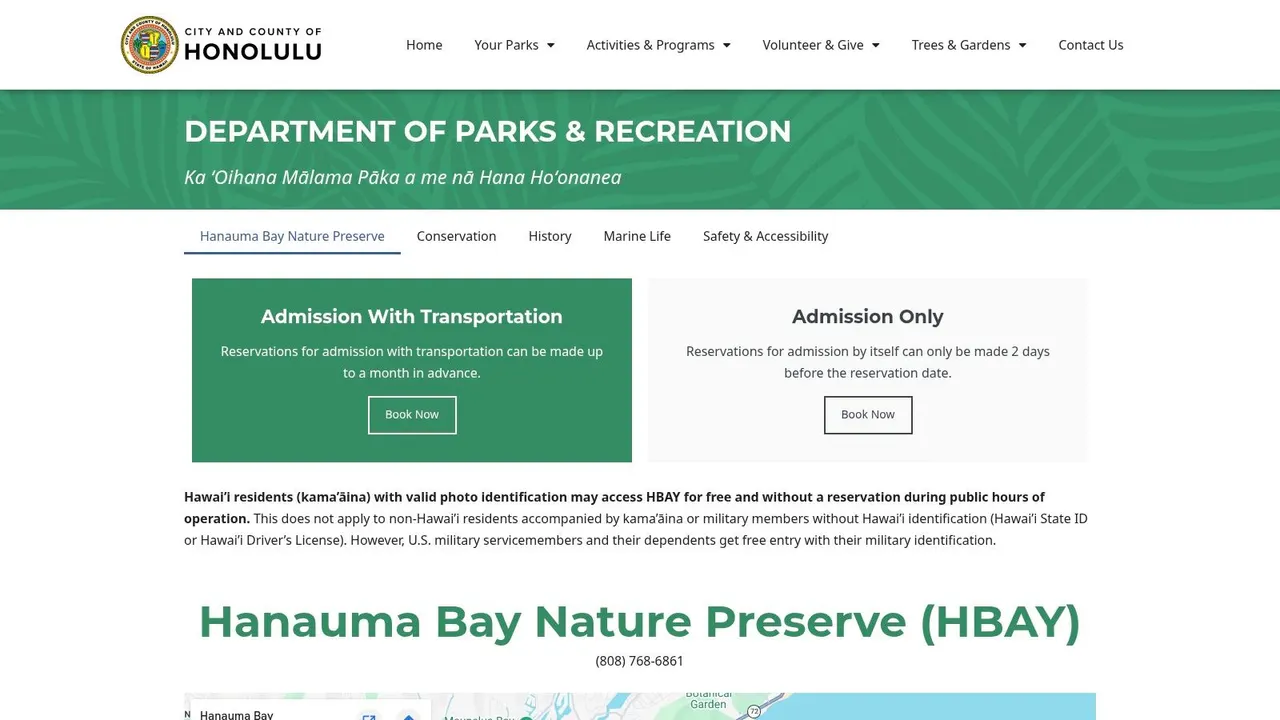
Turtle Canyon is the in-water turtle experience most Waikiki visitors have in mind. It's offshore, not a beach you walk onto, and that's the first thing people often miss. If you're planning to swim there from shore, don't. This is a boat-access site.
What makes it special is the turtle behavior. It's known for turtle cleaning activity, which is why sightings here are so consistent compared with random reef snorkeling. If you want a better feel for what's happening underwater, Living Ocean Tours has a useful explainer on Turtle Canyon and its cleaner fish.
Why Turtle Canyon works
This is one of the best answers for travelers who want to snorkel near turtles instead of hoping to spot one from the beach. The big advantage is location. You can stay in Waikiki, walk or take a short ride to the harbor, and be on the water fast.
The downside is just as clear. Because Turtle Canyon is famous, it can feel busy. You may share the area with other boats, and if the ocean is choppy that day, some guests enjoy the wildlife but not the ride.
Some travelers do better at Turtle Canyon than at shore-entry beaches because they skip the rocky entries, the long surface swims, and the stress of reading conditions alone.
NOAA's Honu Count program gives good context for why turtle-viewing sites across Hawaiʻi stay so popular. Since 2017, nearly 600 citizens have reported 688 sightings of 253 individual turtles, and NOAA notes that the Hawaiian green sea turtle is the most commonly encountered sea turtle species on reefs and beaches in Hawaiʻi.
If your goal is convenience plus a legitimate chance to see honu in the water, Turtle Canyon earns its reputation.
3. Laniakea Beach Turtle Beach
Laniakea Beach is the classic North Shore answer when people ask where to see sea turtles in Oahu. If you want the iconic image of honu resting on the sand, this is the spot widely recognized for that iconic image. It's great for non-swimmers too, because you can have a memorable turtle encounter without getting in the water at all.
This beach is best approached as a viewing stop, not a full-service beach day. Access is simple in theory because it sits off Kamehameha Highway, but parking is the limiting factor. The practical recommendation from a local Oahu turtle guide is to arrive before 9 AM, especially in calmer summer months, and everyone must keep at least 10 feet, or 3 meters, away from the turtles according to this Laniakea viewing guidance.
Best way to visit
Bring patience. Midday traffic on the North Shore can turn a quick stop into a headache, and roadside parking fills quickly. If you arrive early, the whole experience feels calmer and more respectful for both visitors and turtles.
A second thing people get wrong here is expecting a close-up photo opportunity. Don't plan around that. Plan around watching from a respectful distance.
- Best fit: Families, non-swimmers, photographers, and anyone doing a North Shore drive.
- What doesn't work well: Showing up late, circling for parking, and trying to turn the beach into a long swim session during rougher conditions.
- Helpful extra reading: Living Ocean Tours also has a location roundup on where to see turtles on Oahu.
4. Hanauma Bay Nature Preserve
Hanauma Bay is the polished, structured option. If you like order, education, and calmer beginner-friendly snorkeling water, it's a strong choice. If you hate reservations and fixed rules, it can feel like work before you even get there.
The big win at Hanauma Bay is environment. The bay is protected, the reef is managed, and first-time visitors get conservation messaging before entry. That usually leads to a better visitor mix than at totally open-access spots.
What works here
This is a good place for beginners who want to snorkel in a setting that feels supervised and established. It's also good for travelers who care about marine protection and don't mind planning ahead. Living Ocean Tours has a separate guide for Hanauma Bay snorkeling if you want to compare it with boat-based options.
There's one planning detail people miss all the time. Hanauma Bay is closed every Monday and Tuesday to rest the ecosystem, which is one of the clearest practical reminders that turtle viewing on Oahu happens inside active conservation rules, not just vacation marketing, as noted in this Oahu turtle-viewing guide focused on crowding and access.
Respectful turtle viewing starts before you enter the water. At Hanauma Bay, planning around closures and rules is part of the experience.
If you want easy logistics from Waikiki, a boat tour often wins. If you want a protected bay with educational structure, Hanauma Bay is still one of Oahu's best-known choices.
5. Electric Beach Kahe Point Beach Park
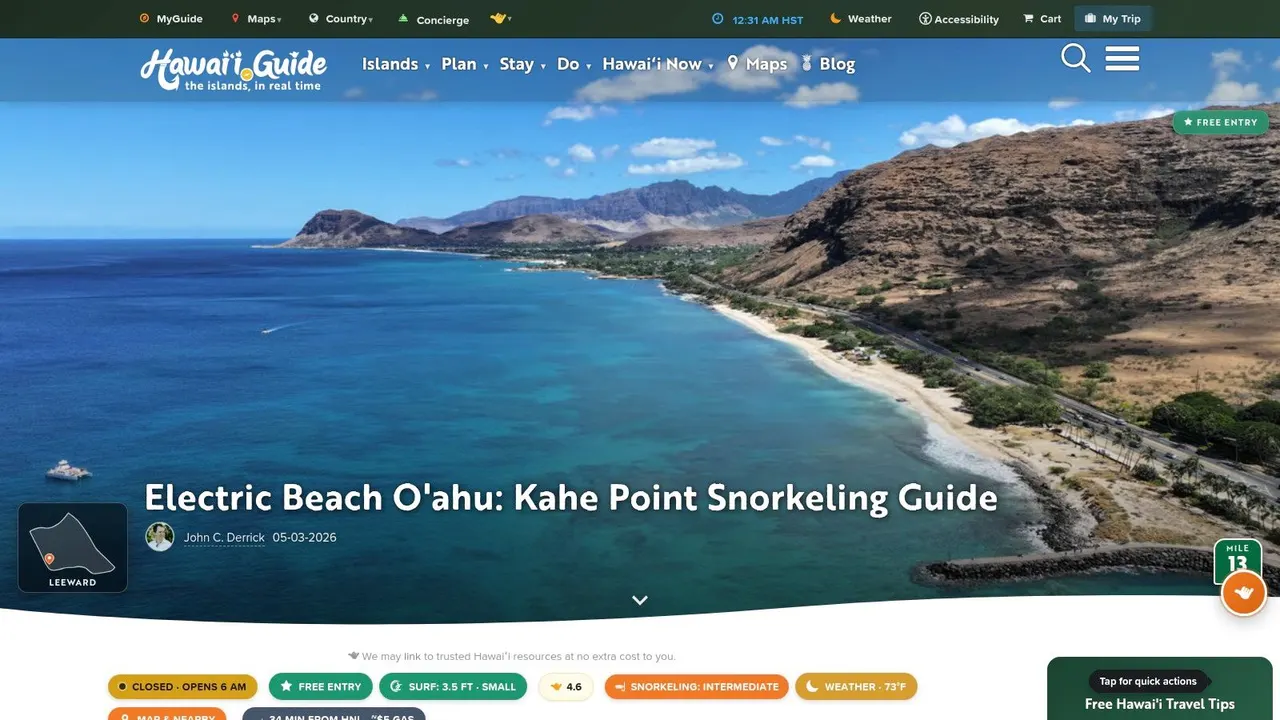
Electric Beach is for stronger swimmers and confident snorkelers. I wouldn't send a nervous first-timer here just because they heard turtles are around. This is open ocean, not a protected beginner bay.
What people like about Electric Beach is the active marine life and the chance for a more local-feeling snorkel session. What pushes some visitors away is the entry, the deeper water feel, and the fact that conditions matter a lot more than social media photos suggest.
Real trade-offs
If you know how to judge surf and current and you're comfortable swimming out from shore, Electric Beach can be rewarding. If you're unsure, choose a guided boat instead. That's not being overly cautious. It's just the honest call.
- What works: Early arrival, calm conditions, solid fins, and confidence in open water.
- What doesn't: Learning to snorkel here, pushing farther than your comfort zone, or treating it like a casual float.
- Extra local reading: Living Ocean Tours has more context on Electric Beach snorkeling.
This spot is often best for visitors who've already done an easier snorkel elsewhere and want a more independent session after that.
6. Kuilima Cove at Turtle Bay Resort
Kuilima Cove is one of the calmer North Shore entries, and that's exactly why it belongs on this list. It isn't the most famous turtle site on Oahu, but it solves a common problem: visitors want a North Shore snorkel without dealing with rougher conditions or intimidating water.
The cove's appeal is simple. Sandy entry. Sheltered feel. Easier swimming for families and cautious snorkelers. If you're on the North Shore and don't want the chaos of a more exposed spot, this is a sensible backup.
Best fit for families
Choose Kuilima Cove when your priority is comfort first, turtles second. Honu do pass through, especially near the rocky edges, but this isn't the place I'd promise for the strongest turtle odds. It's the place I'd choose when the group needs a lower-stress snorkel.
That trade-off is worth being honest about. A lot of people have a better vacation day at a calm cove with a chance of turtles than at a “better” turtle spot that leaves half the group anxious or sitting on shore.
- Best for: Beginners, kids, and mixed-age groups on the North Shore.
- Less ideal for: Travelers who only care about maximizing turtle sightings.
- Planning tip: Public access helps, but parking can still get tight.
7. Ko Olina Lagoons
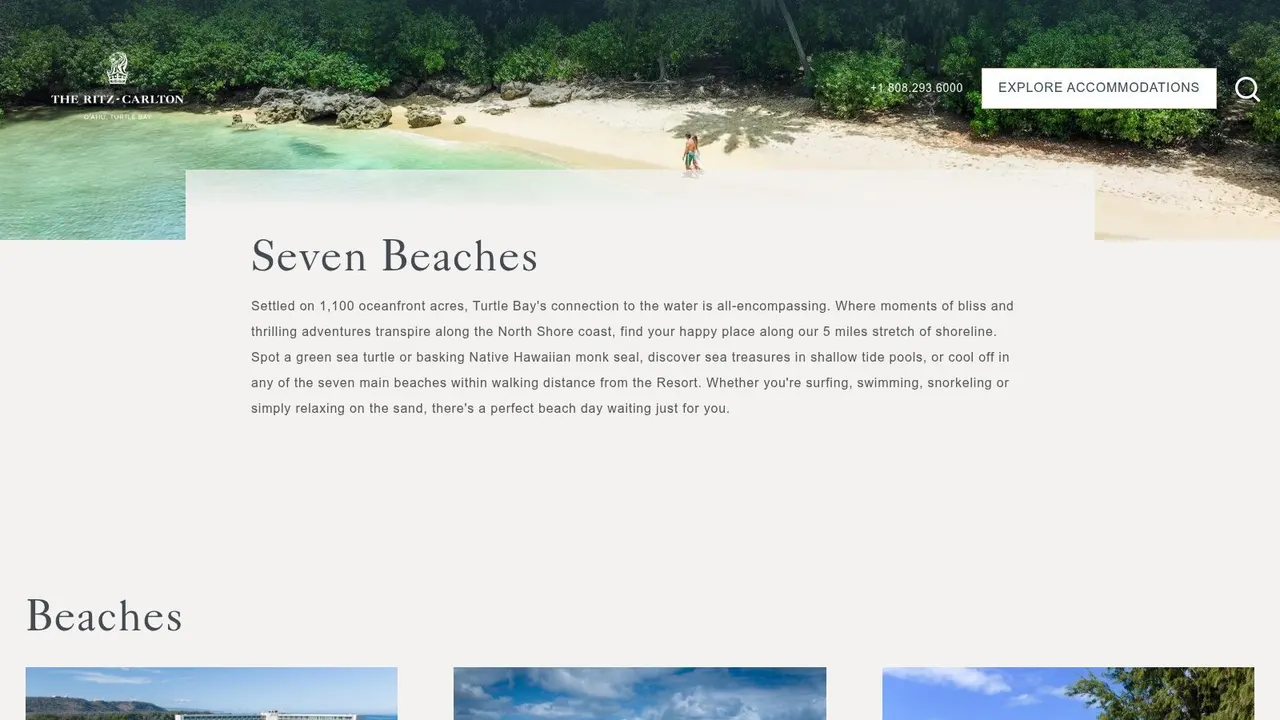
Ko Olina is the safest-feeling choice on this list for very young kids and absolute beginners. That's the strength. The weakness is that it's not a true top-tier turtle habitat compared with places like Turtle Canyon or Laniakea.
People sometimes choose Ko Olina expecting an easy turtle guarantee because the lagoons look so gentle. The water is gentle. The turtle odds aren't the reason to go. Choose it for a comfortable family ocean day, then treat any honu sighting as a bonus.
When to choose Ko Olina
If your group wants calm water, paved walking paths, clean resort-area surroundings, and easy entry, Ko Olina makes sense. It's a good confidence-building stop for kids learning masks and snorkels.
The downside is simple. If your main goal is where to see sea turtles in Oahu with the best odds, Ko Olina ranks below the dedicated turtle spots. It's more of a family beach base than a focused turtle mission.
Go to Ko Olina for comfort. Go elsewhere if turtles are the main event.
7 Oahu Sea Turtle Viewing Sites Compared
| Location / Option | 🔄 Implementation Complexity | ⚡ Resource Requirements | ⭐ Expected Outcome | 📊 Results / Impact | 💡 Ideal Use Cases |
|---|---|---|---|---|---|
| Best Guided Tour: Living Ocean Tours from Waikiki | Moderate, book tour; guides handle logistics | Paid tour; boat, gear, and instruction included | Very high, reported ~95% turtle sightings | Memorable, eco-conscious encounters; family-friendly | Families, first-time snorkelers, guaranteed turtle viewing |
| Turtle Canyon (Offshore Waikiki) | High, boat access only; guided trips recommended | Boat ride from Kewalo Basin; snorkel gear and guide | Very high, natural turtle cleaning station with consistent activity | Reliable sightings; can be busy with multiple boats; occasional chop | Snorkelers seeking dependable turtle encounters |
| Laniakea Beach ('Turtle Beach') | Low, shore access but parking/traffic can be difficult | Free shoreline access; limited roadside parking; volunteer stewardship | High for beach sightings (basking turtles); snorkeling variable | Excellent photo/opportunity from shore; high crowds and traffic | Non-swimmers, families, casual visitors wanting easy viewing |
| Hanauma Bay Nature Preserve | Moderate, reservations and mandatory education video | Entry/reservation fee; rentals and lifeguards on-site | High, calm bay, clear water; turtles often in outer sections | Controlled capacity improves reef health and visitor experience | Beginners, conservation-minded visitors, educational outings |
| Electric Beach (Kahe Point) | Moderate–High, shore entry into open ocean; currents possible | Free access; confident swimmers and personal gear recommended | Good, high marine-life density; turtles frequently present | Excellent visibility for photography; some safety risks from currents | Experienced snorkelers, underwater photographers |
| Kuilima Cove (Turtle Bay) | Low, sheltered cove with easy shore entry | Free public access; limited parking; calm, shallow entry | Moderate, occasional turtle sightings along rocky edges | Very safe, calm snorkeling; fewer turtles than dedicated spots | Families, beginners, those seeking calm conditions |
| Ko Olina Lagoons | Low, man-made, wave‑free lagoons | Free/limited parking; resort amenities nearby; calm water | Low–Moderate, turtles rare inside lagoons; better near openings | Extremely safe for kids; limited marine biodiversity inside lagoons | Small children, absolute beginners, relaxed beach days |
A Pledge to Protect Viewing Honu Responsibly
You finally spot a honu after days of hoping for it. The moment goes bad fast if a crowd closes in, someone blocks its path, or a swimmer chases the turtle for a photo. Good turtle encounters on Oahu depend as much on visitor behavior as location.
That matters even more now. The U.S. Fish and Wildlife Service reported 83 honu nests on Oahu in 2024, compared with 9 nests in 2019 and 0 to 2 nests per year earlier in the recovery period, with the main nesting season running roughly from mid-April through October in Hawaiʻi, according to the U.S. Fish and Wildlife Service update on honu recovery on Oahu. More nesting activity is encouraging. It also means people need to give turtles more room on the beach and in the water.
Keep the main rule simple. Stay at least 10 feet, or 3 meters, from sea turtles at all times. Do not touch them, feed them, corner them, or swim over them as they surface to breathe. If the turtle changes speed or direction because of you, back off.
A few habits make a real difference on Oahu:
- Give basking turtles a wide buffer: Resting on shore burns less energy than repeatedly moving away from people.
- Hold your position in the water: Let the turtle pass. Following it usually turns a calm encounter into a stressful one.
- Watch the crowd, not just the turtle: If the area is getting tight, noisy, or camera-heavy, leave and try another spot later.
- Match the outing to your skill level: Shore snorkeling works well for confident swimmers who can judge entry conditions. Guided trips work better for visitors who want help with gear, ocean safety, and responsible wildlife viewing.
That last trade-off is the one many visitors get wrong. DIY spots can be excellent, but they also require you to read surf, manage your entry, and make good decisions in real time. A guided tour can be a great choice if you want a more controlled setup, especially with kids, beginners, or anyone who is not comfortable assessing ocean conditions on their own.
As noted earlier, Living Ocean Tours is one practical option for Waikiki visitors who want support with logistics and a wildlife-first approach. However you choose to see honu, treat the encounter like a privilege, not a performance. Mahalo for your kōkua.
If you want an easy, family-friendly way to see turtles on Oahu without guessing about access, gear, or conditions, book with Living Ocean Tours. Their Waikiki departures, beginner-friendly guidance, and turtle-focused snorkel options make them a reliable choice for a well-run ocean day.


