
When Is the Best Time for Whale Watching in Hawaii?
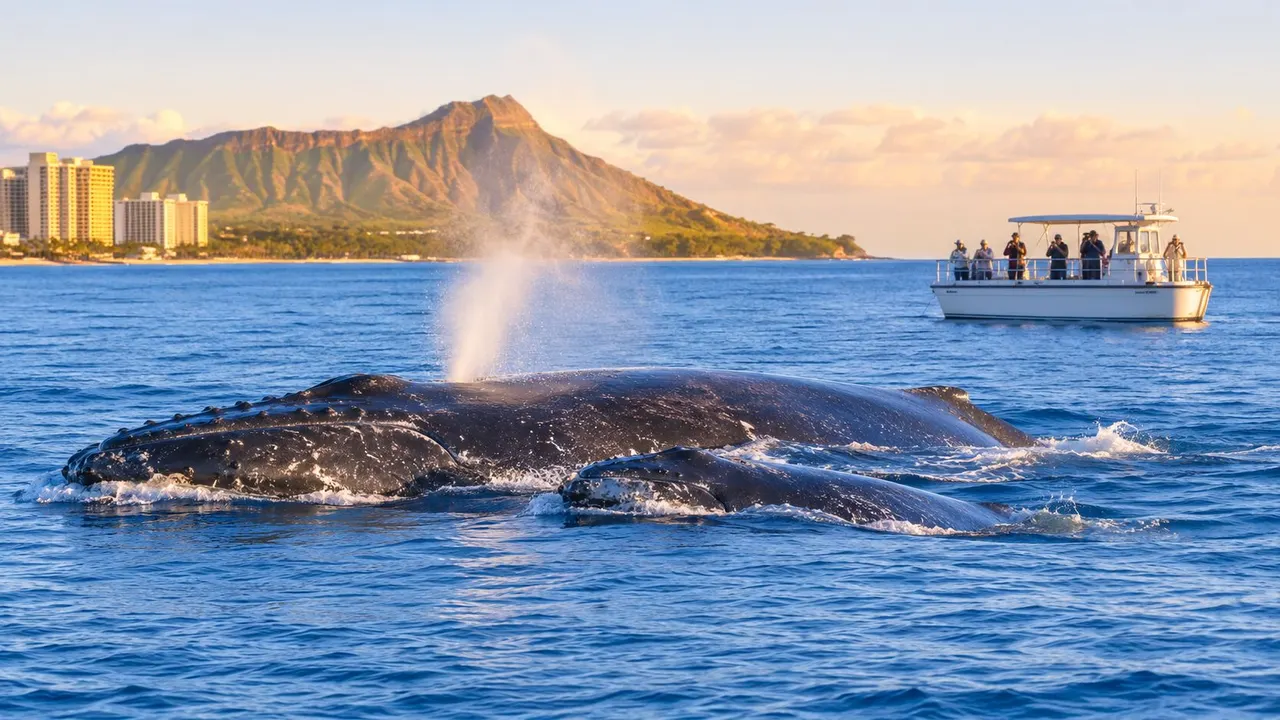
Table of Contents
- Why the seasonal window matters
- Choose a window, not a promised spectacle
- Is an island switch worth it?
- Keep a shoreline option
- Read the marine forecast, not just the sunshine icon
- Protect your opportunity before departure
- What responsible boat handling looks like
- What passengers should do
- Prepare for the people in your group
- Make the booking fit your vacation
January through March is the peak window for humpback whale watching in Hawaii. The full season generally runs November through May.
For a Waikiki visitor, the useful distinction is between whales being in Hawaii and having favorable conditions to find them. Your island, the marine forecast, and the departure you choose all affect the experience. A peak-season booking improves your prospects, but it doesn't turn wild animals into a scheduled attraction.
The best plan combines the right seasonal window with a comfortable boat trip and enough flexibility to handle a weather change. That's especially important when you're traveling with children or grandparents who may enjoy a smooth, patient search more than a rough ride chasing distant splashes.
Peak Months for Humpback Whale Watching in Hawaii
January through March is the strongest planning window off Waikiki and across Oahu, and it's better to treat that period as a block than to hunt for a supposedly perfect week.
Humpback whale sighting outlook by month
These are qualitative planning categories, not measured tour success rates. Best doesn't mean guaranteed, and low doesn't mean a sighting is impossible.
Hawaii hosts approximately 10,000 wintering humpbacks, with state boating guidance describing seasonal numbers as high as 12,000 between November and April, according to the Hawaii Department of Land and Natural Resources. That statewide scale helps explain the appeal of winter whale watching, but it isn't a count of whales off Waikiki or within reach of any particular excursion.
Why the seasonal window matters
Humpbacks travel from cold northern feeding waters to Hawaii's warm breeding and nursery habitat. Adults mate, mothers give birth, and calves nurse before the migration back toward feeding grounds.
That purpose shapes what visitors should expect. You're watching animals using important habitat, not animals arriving to perform. A distant blow, an arching back, or a mother and calf moving together can be the encounter, even when nobody sees a breach.
December and April are useful shoulder-month choices because they sit within the stronger winter population period. They're worth considering if your hotel and flight plans are already fixed, rather than rejecting a trip just because it falls outside the central peak.
May requires a different mindset. Book only if you'll enjoy the outing without needing a whale sighting to justify it. Summer and early fall are poorer choices for a vacation built specifically around humpbacks.
Choose a window, not a promised spectacle
A calendar tells you when whales are most likely to be in the region. It doesn't tell you which animals will surface along your boat's route, whether a calf will be visible, or whether an adult will breach.
Planning rule: Choose the peak window for seasonal presence, then choose your departure for the conditions. Neither decision replaces the other.
If your dates are flexible, start with a peak-season departure. If they're fixed in a shoulder month, look for a suitable morning trip early in your stay and regard a sighting as a bonus rather than a commitment the ocean has made.
How Sighting Odds Change from Oahu to Maui
Oahu offers regular humpback sightings, but it isn't Hawaii's highest-frequency viewing area. The Hawaii state parks whale-watching guidance describes sightings as generally less frequent around Oahu than around Maui, Lanai, Molokai, Kauai, and the Kohala Coast, identifies January through March as Oahu's peak, and notes viewing at Kaiwi State Scenic Shoreline from roughly November through May.
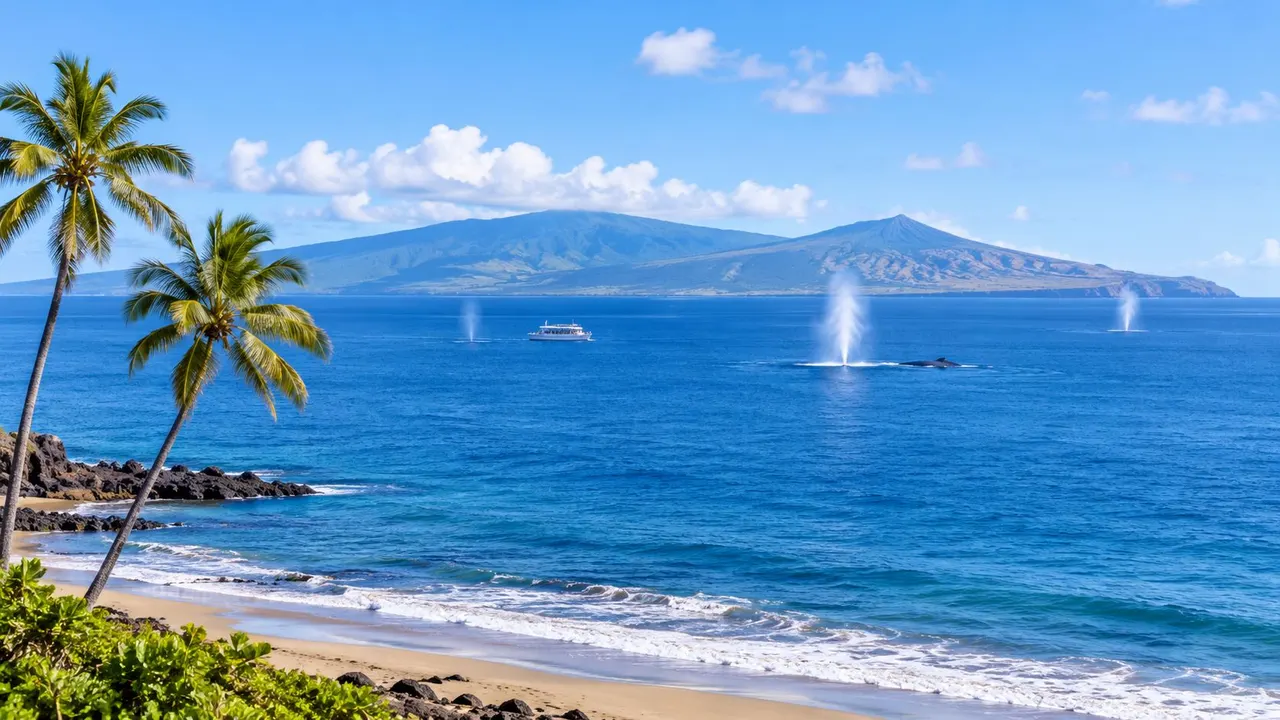
Whale sighting odds by island and area
The comparison doesn't establish a numerical chance per hour or make every Big Island departure better than every Oahu trip. Kohala Coast is a specific area, not a finding about all waters surrounding the Big Island.
Is an island switch worth it?
If whales are the main reason for your vacation, Maui deserves serious consideration. Higher general sighting frequency is relevant when you'd willingly arrange lodging, transport, and several outings around wildlife viewing.
For a family already staying in Waikiki, switching islands introduces another set of costs and logistics. Airport transfers, luggage, hotel changes, and tired children may outweigh the benefit of moving to a higher-frequency viewing area.
A well-timed Oahu excursion is a sensible choice when whale watching is one activity among several. You can keep your Waikiki base and devote your attention to selecting a suitable departure rather than rebuilding the whole holiday.
Keep a shoreline option
Kaiwi State Scenic Shoreline gives southeast Oahu visitors a land-based alternative. Check current access conditions before driving, use designated paths and viewpoints, and don't approach exposed edges to improve a photograph.
Shore viewing trades mobility for simplicity. You can't reposition as a boat can, and distant animals may require binoculars, but you can leave when children lose interest without committing everyone to more time afloat.
Morning Timing and Weather That Affect Sightings
I would choose the first departure when the marine forecast supports it. The advantage is usually visibility and comfort, not proof that whales are more active before breakfast.
A smoother surface makes a blow, back, or tail easier to separate from surrounding water. Wind chop adds white patches and movement, so passengers have more visual clutter to sort through while the boat rolls.
Sea and weather conditions and what they change
Read the marine forecast, not just the sunshine icon
A sunny beach forecast doesn't tell you whether offshore conditions will be comfortable. Look at wind and swell, then let the crew assess whether the planned route is appropriate.
Morning isn't automatically calm, either. A weather system can make the first departure less suitable than a later one, so don't reject a better forecast merely to follow a morning-only rule.
Afternoon trips can fit a relaxed vacation schedule, especially for families who don't want an early start. The trade-off is accepting the possibility of more wind chop. When comfort matters more than a leisurely breakfast, choose the smoother forecast rather than the more convenient clock time.
A calm afternoon is a better choice than a rough morning. The forecast matters more than the label on the departure.
Before leaving your hotel, check messages from the operator and allow time to reach the harbor without rushing. Bring polarized sunglasses to reduce surface glare, a camera with zoom for distant animals, and a secure strap so you aren't juggling loose equipment when the boat moves.
For photographs, start with a wider view than you think you need. Finding a whale through a tightly zoomed lens is harder than locating it with your eyes first and then bringing the camera up.
What to Do If Whales Are Not Seen
A trip can finish without a sighting even during peak season. Whale movements and sea conditions change, and a responsible crew can't force an encounter.
Before paying, distinguish weather cancellation terms from no-sighting terms. A trip cancelled before departure and a completed cruise without whales are different situations. Don't assume either automatically brings a refund or another outing.
Protect your opportunity before departure
Book early enough in your stay to leave a buffer day. Check the forecast the day before and again before leaving your accommodation, and confirm rescheduling terms in writing.
If conditions deteriorate, ask whether moving to a calmer departure is possible. Don't assume a later, windier trip is a useful replacement just because it still fits the day's itinerary.
- Weather cancellation: Ask what happens to your payment and whether another departure has space.
- Completed trip without whales: Check the stated policy rather than relying on the word guarantee in advertising.
- No room to reschedule: Keep a land-based activity available so the family isn't left waiting around the harbor.
A quiet cruise can still teach children how crews search, distinguish distant surface activity, and make wildlife decisions without chasing animals. That educational value is real, but it shouldn't be presented as a substitute for honest expectations before booking.
If boat plans are cancelled, a southeast Oahu lookout may work as a backup only when land access and local conditions are safe. Keep binoculars or a camera ready, give everyone permission to enjoy the coastline, and don't make another sighting attempt the sole measure of the day.
Responsible Viewing Rules That Protect Whales
Approaching a humpback whale within 100 yards is prohibited in Hawaiian waters, and NOAA Fisheries' humpback whale guidance applies that restriction to boats, kayaks, paddleboards, swimmers, drones, and other means of approach. NOAA describes that distance as approximately the length of a football field.
The responsibility goes beyond keeping a gap beside the boat. Operators must avoid placing a vessel in a whale's path, causing it to surface within the protected distance, or disrupting normal behavior.
What responsible boat handling looks like
A crew shouldn't intercept an animal to manufacture a better photograph. Sometimes the correct choice is to hold back, change course, or let an encounter end while passengers still want more.
NOAA's sanctuary recreation guidance also recommends a maximum transit speed of 15 knots, or a safe planing speed, in whale habitat. That's boating guidance, distinct from the federal approach restriction, and it supports safer transit where whales may surface.
If you're considering entering the water, read our explanation of whether you can swim with whales in Hawaii. Switching from a boat to swimming or paddling doesn't remove the protection.
Responsible viewing: A good operator manages the boat around the whale's behavior, not the whale around the passengers' expectations.
What passengers should do
- Follow the crew's signals: Move only when directed, and keep passageways clear when people turn toward a sighting.
- Stay secure and quiet: Remain seated when instructed; don't climb, lean beyond the rail, or shout for a closer approach.
- Keep children with an adult: Help them find the animal without lifting them onto rails or blocking other passengers.
- Report unsafe approaches: Tell the crew if another vessel appears to be approaching too closely, and use official reporting channels when appropriate.
Give the captain room to make decisions without pressure from the viewing rail. A distant, undisturbed whale is a better encounter than a close approach that interrupts its behavior.
Booking Your Family Whale Watch and Locking In Your Window
Living Ocean Tours is Oahu's top rated and most reviewed snorkel company, and our tours depart daily from Kewalo Basin Boat Harbor near Waikiki Beach. Our seasonal whale watch follows humpbacks wintering along the Waikiki coastline.
Our Waikiki Whale Watching Cruise operates January 2 through March 31, lasts 1.5 hours, welcomes ages 3 and up, and costs $49 per person. That operating calendar lets families book within the core viewing window rather than assuming every month in the broader season has a scheduled departure.
Prepare for the people in your group
Book early if you want a peak-season weekend, particularly when coordinating several households. Choose an available morning departure when conditions favor it, but leave enough room in your plans to respond to a forecast change.
A short cruise still calls for practical preparation. Wind on the water can feel cooler than the harbor, and children who are comfortable at boarding may need another layer once underway.
- Pack light layers: Bring a wind-resistant outer layer that can go on over comfortable clothing.
- Use sun protection: Pack sunscreen, polarized sunglasses, and a hat that won't blow away easily.
- Plan motion-sickness care: For children, ask a pediatrician or pharmacist about an age-appropriate remedy and follow its directions. Don't share an adult medication or improvise a dose.
- Allow check-in time: Plan your journey to the harbor, not just the departure time shown on the reservation.
- Agree on expectations: Tell children they're going to search for wild whales, not attend a show with a promised breach.
For a multigenerational group, discuss comfort before booking. Anyone with mobility limitations, a medical concern, or difficulty balancing on a moving deck should contact us about boarding and participation requirements rather than assume that every boat outing will suit them.
Make the booking fit your vacation
Keep the cruise page open while comparing your flight and hotel plans. Check the departure location carefully, leave transfer time from your accommodation, and avoid placing the outing immediately before a tightly timed airport journey.
Confirm the weather policy before paying. The operating dates, duration, and price tell you what you're reserving; cancellation and rescheduling terms tell you how much flexibility you retain if conditions change.
When you're deciding when is the best time for whale watching in Hawaii for your own family, make these choices in order:
- Choose the seasonal window. Put January through March at the center of a whale-focused itinerary.
- Choose suitable conditions. Favor a calm-forecast morning and understand the weather terms before completing payment.
- Coordinate the reservation. Book early enough to match the cruise with your flights, hotel stay, and available backup day.
Don't overfill the hours around the outing. A relaxed arrival and an unhurried meal afterward are more useful than squeezing a wildlife trip between appointments that can't move.
Check availability for a peak-season morning cruise, then build that day around the reservation. Leave space for weather, pack for everyone aboard, and arrive ready to enjoy an encounter on the whales' terms.
Living Ocean Tours offers seasonal Waikiki whale watching from Kewalo Basin Boat Harbor, conveniently located near Waikiki Beach. Visit Living Ocean Tours to plan your winter outing and check a morning departure that fits your family's Oahu stay.


