
When Is Best Time to See Whales in Hawaii? Peak Months
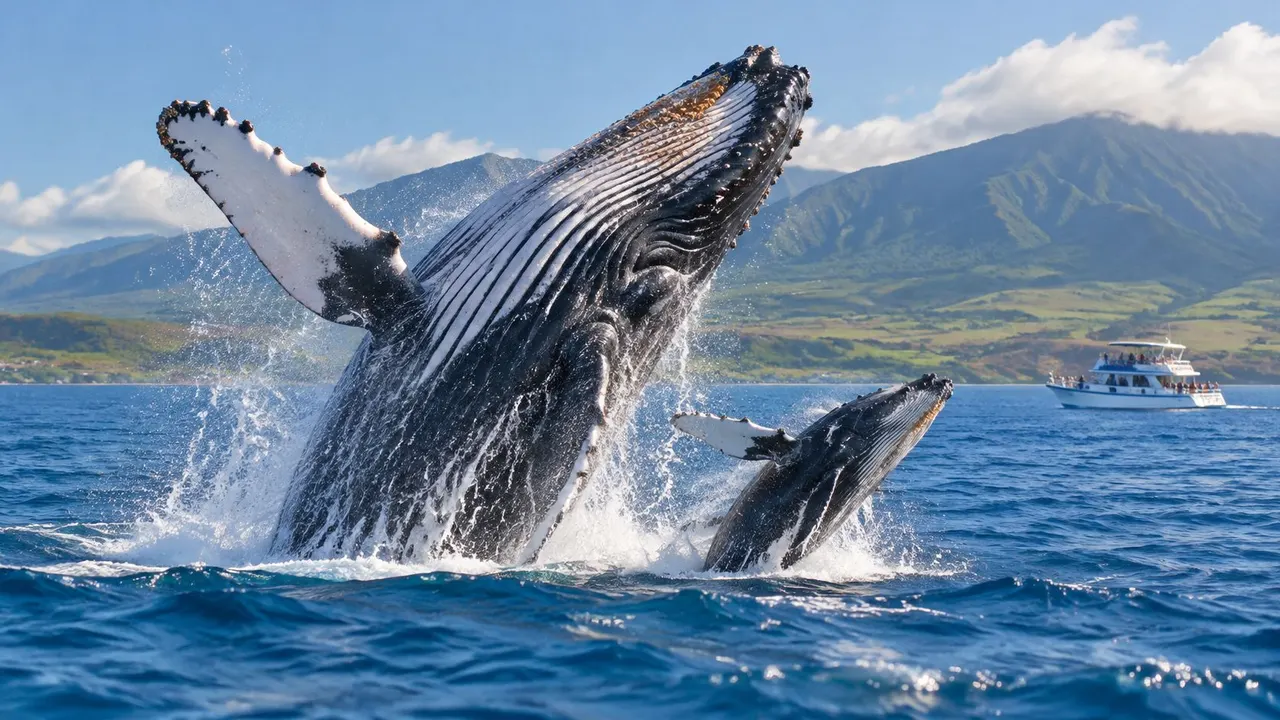
Table of Contents
- How the Calendar Actually Breaks Down
- Pick by Priority, Not by Hope
- Oahu for Convenience
- Maui Nui for a Dedicated Whale Day
- Morning First, Late Afternoon Second
- Three Checks Before You Book
- When a Boat Earns Its Cost
- What Happens When a Whale Approaches You
- Three Checks You Can Run on Any Tour
- Book in This Order
- Build a Trip That Works Either Way
- Your Next Actions
January through March is the best time to see whales in Hawaii, with February and March the strongest months, and whales are present roughly November through May. If you can choose only one month, choose February.
Why do so many visitors book in peak season, pick a calm morning, and still see only a distant blow? Because most advice treats whale watching as a calendar problem. It isn't. It's a probability problem shaped by month, island, sea conditions, distance rules, and whether your trip still feels worthwhile when whales stay far away.
Book for the peak, but plan for variance. Pick the island that fits your base, favor flat water over a pretty sunset, and choose an operator who slows down and keeps distance. That approach gives you the best odds without promising what no honest guide can deliver.
Best Months to See Whales in Hawaii
January through March is the best window, and February and March are the strongest months within it. Humpbacks migrate from high latitude feeding grounds to Hawaii's warm, shallow waters to breed, give birth, and nurse calves, so abundance builds through winter and then falls as they leave.
The Hawaiian Islands Humpback Whale National Marine Sanctuary page from NOAA reports that whales generally arrive in November and remain through April, while other NOAA guidance describes the broader season as November through May, with January through March the most reliable period when abundance typically reaches its annual peak. NOAA estimates as many as 12,000 humpbacks, more than half of the North Pacific population, return to Hawaiian waters during winter.
How the Calendar Actually Breaks Down
November and May are edge months. You may get lucky, but you shouldn't build a dedicated whale trip around them. December and April are different. They're shoulder months with real presence, lower demand for some travelers, and a meaningful chance of sightings if you accept weaker odds than late winter.
Long term photo identification data summarized by NOAA's Hawaiian Islands Humpback Whale National Marine Sanctuary covered 37,384 sightings from 2002 to 2023, found whales in every month except June and September, and placed 99.97% of sightings from November through May. A separate NOAA abundance model in that summary estimated about 4,465 whales in December and about 3,401 in April, dropping sharply to about 404 in May.
Pick by Priority, Not by Hope
If behavior matters most, pick February or March. That's when you're most likely to see breaching, tail slapping, and repeated surface activity rather than a single back rolling under. Families and first time viewers who get one shot should stay in that window.
If you want a quieter trip and can tolerate uncertainty, December or early April can work. Don't market them to yourself as equal to the peak. They aren't. They're a trade, fewer people and more flexibility for lower odds.
Practical rule: Book February or March for a dedicated whale trip. Use December or April only when the rest of the Hawaii trip matters as much as the whales.
No month guarantees a sighting on a specific morning. Weather, whale movement, and where animals happen to be that day still decide the outcome. Pick your month from the table, then choose your island with the same honesty.
Island Hotspots Where Whales Gather Most
Whales don't spread evenly around Hawaii. If you're staying on Oahu, you have a real chance. If whales are the main reason for the trip, other waters usually reward you more.
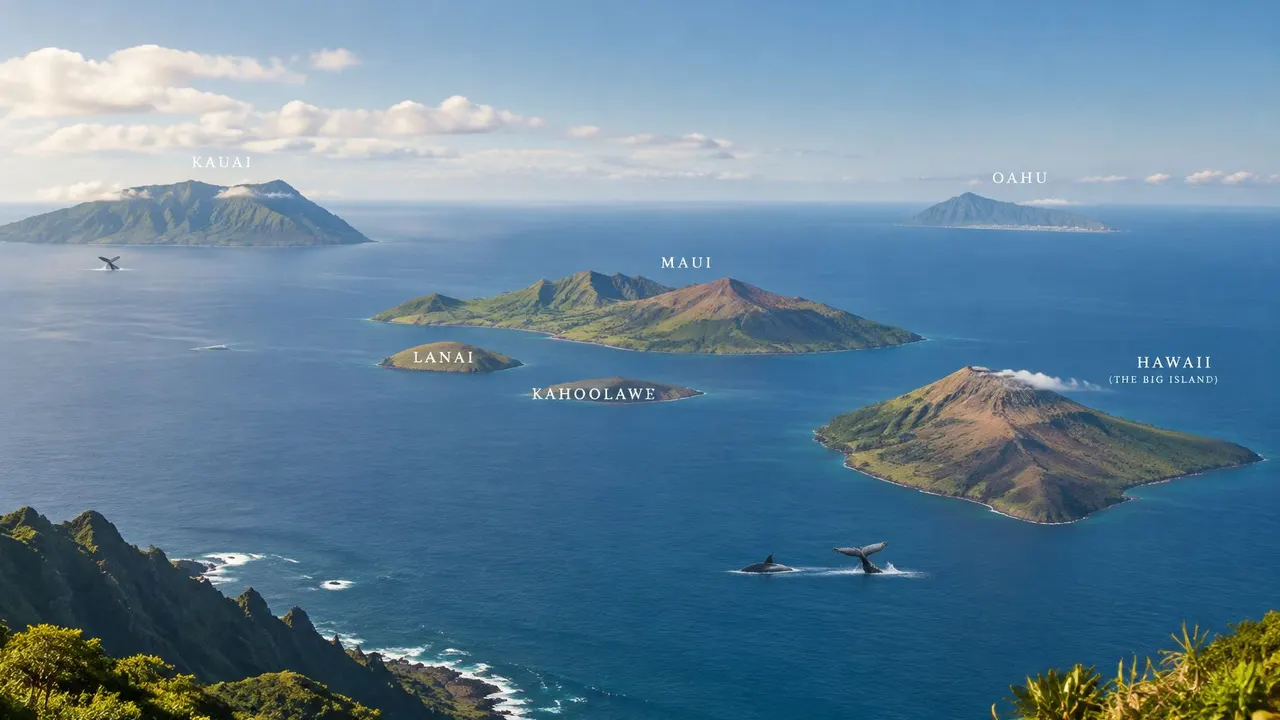
Hawaii Division of State Parks whale watching guidance identifies January and February as peak months, notes NOAA describes January to March as the usual peak in abundance, and says Oahu can produce common sightings while concentrations are generally higher in Maui Nui, Kauai's north coast, and Hawaii Island's Kohala coast. Treat that ranking seriously when you're deciding whether to island hop.
Oahu for Convenience
Most visitors land here, and winter boats depart from Waikiki and Kewalo Basin without an interisland flight. Headland lookouts give you a free first check on a clear morning, and shorter trips fit families who don't want a full day committed. The trade off is predictability. You'll work a bit harder for the same encounter you'd expect in higher concentration waters, so read up on whale watching on Oahu's North Shore if you're comparing coasts before you book.
Maui Nui for a Dedicated Whale Day
Maui Nui, the waters around Maui, Lanai, Molokai, and Kahoolawe, is the pick when seeing whales outranks convenience. The concentration justifies the travel if you can add a day or base part of your stay there. The trade off is time and cost to get there from Oahu, plus planning around ferry or flight schedules and a separate departure harbor.
Kauai's north coast suits travelers who want dramatic coastline and calmer, less hurried viewing. You'll find fewer departures than Waikiki, so book earlier and keep a backup morning. The Kohala coast on Hawaii Island makes sense if you're already staying on the Big Island. It doesn't make sense as a rushed day trip from Oahu just to chase marginally better odds.
If your trip is Oahu only, book a winter tour and keep expectations flexible. If whales are the point of coming to Hawaii, add Maui Nui or stay where concentration is strongest. Don't split the difference with a rushed hop that leaves you one weather delay away from missing everything.
Best Time of Day and Weather for Sightings
Whales aren't on a schedule. Conditions decide whether you spot them. A whale that's active but hidden by chop and glare might as well not be there for a family scanning from a moving boat.
Flat water and light wind make blows, backs, and flukes easy to read. Midday glare flattens contrast, and whitecaps break up the surface so a blow disappears in seconds. That's why morning is the preferred departure as general planning guidance, not because whales perform on cue after sunrise. For a fuller breakdown, see this guide to the best time of day to see whales before you lock a departure.
Morning First, Late Afternoon Second
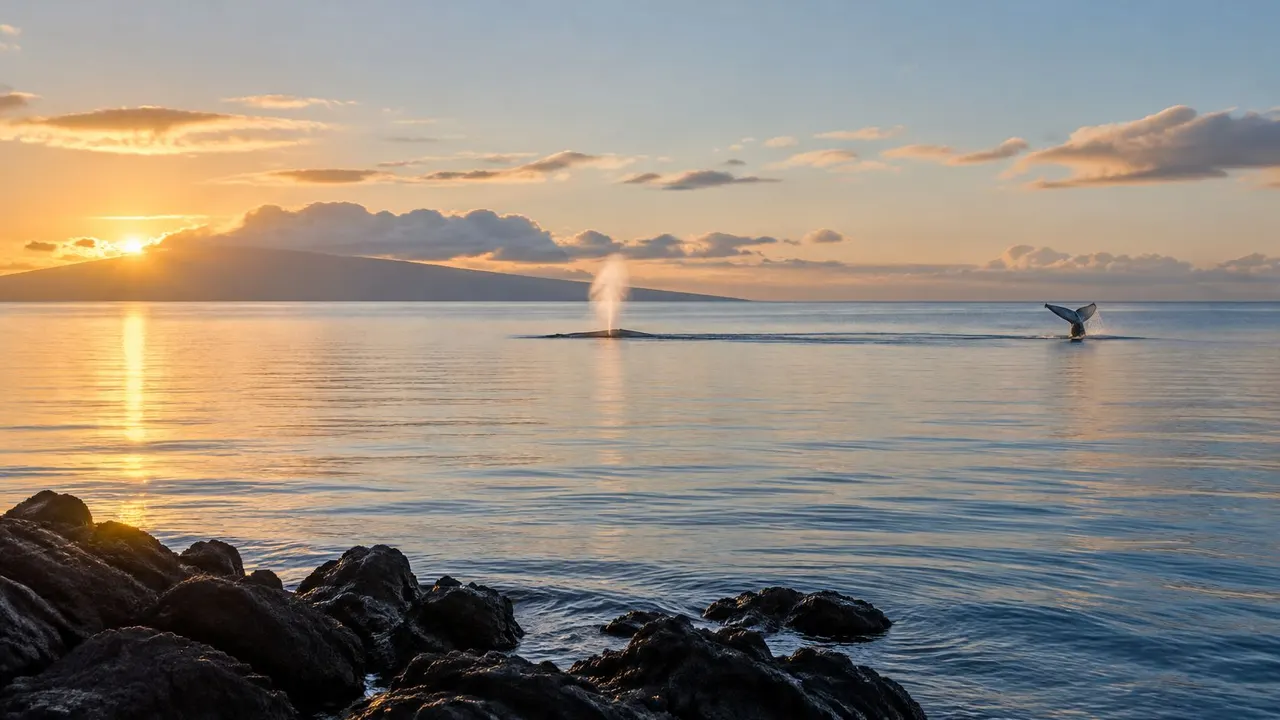
Choose morning when the operator offers it. You'll usually get calmer seas, softer light for photos, and an easier ride for kids and anyone prone to motion sickness. Early afternoon can still work on a settled day.
Late afternoon gives you warm light, but winds often rise and the surface gets messy. Take it for the scenery if that's the slot you have. Don't choose it over a calm morning when sightings are your priority.
University of Hawaii research on humpback acoustic activity found activity increased from November through January, peaked in February and March, declined during April and May, and whale song became the dominant source of underwater ambient sound between December and April. Whales can be present and singing below you even when none show at the surface, which is another reason a quiet trip doesn't mean an empty ocean.
Three Checks Before You Book
- Sea forecast first: Look for light wind and low swell, and rebook if high swell is forecast rather than hoping it settles.
- Recent sightings: Ask what the crew saw on the last few departures, including distance and behavior, not just whether they saw a whale.
- Departure time: Take morning or early afternoon, and keep a second morning open in peak season if your schedule allows.
Pack for changeable weather even on a bright Waikiki morning. A small dry bag protects your phone and camera, and a light layer helps when spray and wind pick up offshore. Scan slowly in sectors, look for the blow first, then wait in that direction. Whales surface in patterns, and impatient sweeping is how people miss the second, better look.
Shore Watching Versus Boat Tours
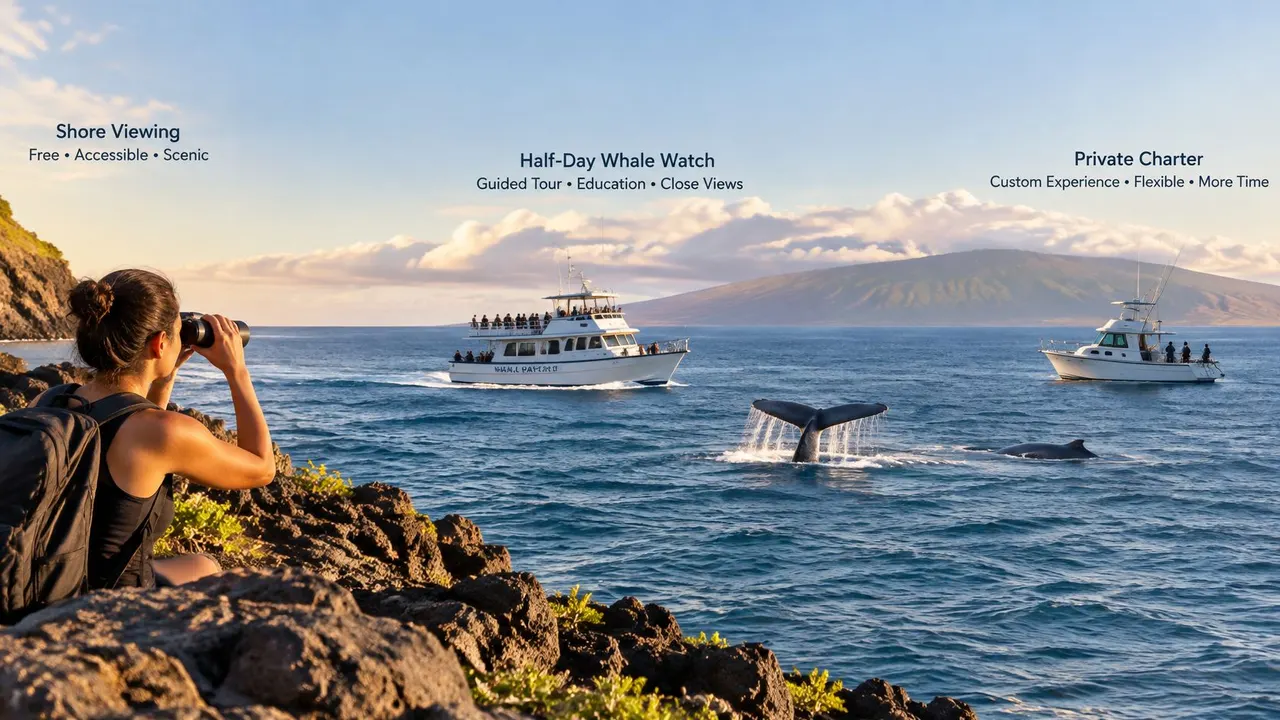
Start with the free option, then decide if paying for a boat improves your trip. For many families it does. For a patient traveler with binoculars and several winter mornings, it may not need to.
Shore watching costs nothing beyond parking and lets you leave when kids get restless. A headland or higher lookout on a clear, calm morning can produce blows and distant breaches. The limit is control. If whales stay far offshore, you watch specks, and there's nothing you can do about it.
When a Boat Earns Its Cost
A boat moves to where whales are, within the law. Crew who run the same coastline daily read blows, bird activity, and recent reports faster than a first time visitor can. That matters most when you have one morning, young children who need more than a distant splash, or grandparents who can't manage a rocky lookout trail.
You don't get closer than the law allows, and you shouldn't want to. You get position, time on the water, and guidance. A good crew also narrates behavior so a tail slap or a mother and calf pair means something, instead of becoming a photo you can't explain later.
A shore lookout is a fine first check. A boat is what you book when a distant blow won't satisfy the group you brought.
Private charters follow the same distance rules as group tours. What you're buying is timing, route flexibility, and space for a small group or celebration. You're not buying proximity, and any operator who implies otherwise is telling you to book elsewhere.
Families and first timers should choose a boat tour in the peak window. Budget travelers and short stay visitors can start from shore on a clear winter morning and upgrade if that first look hooks them. Pick the option that fits your group and budget, then pick a date in February or March. Reversing that order leads people to great dates on the wrong kind of trip.
Responsible Viewing Rules That Protect Whales
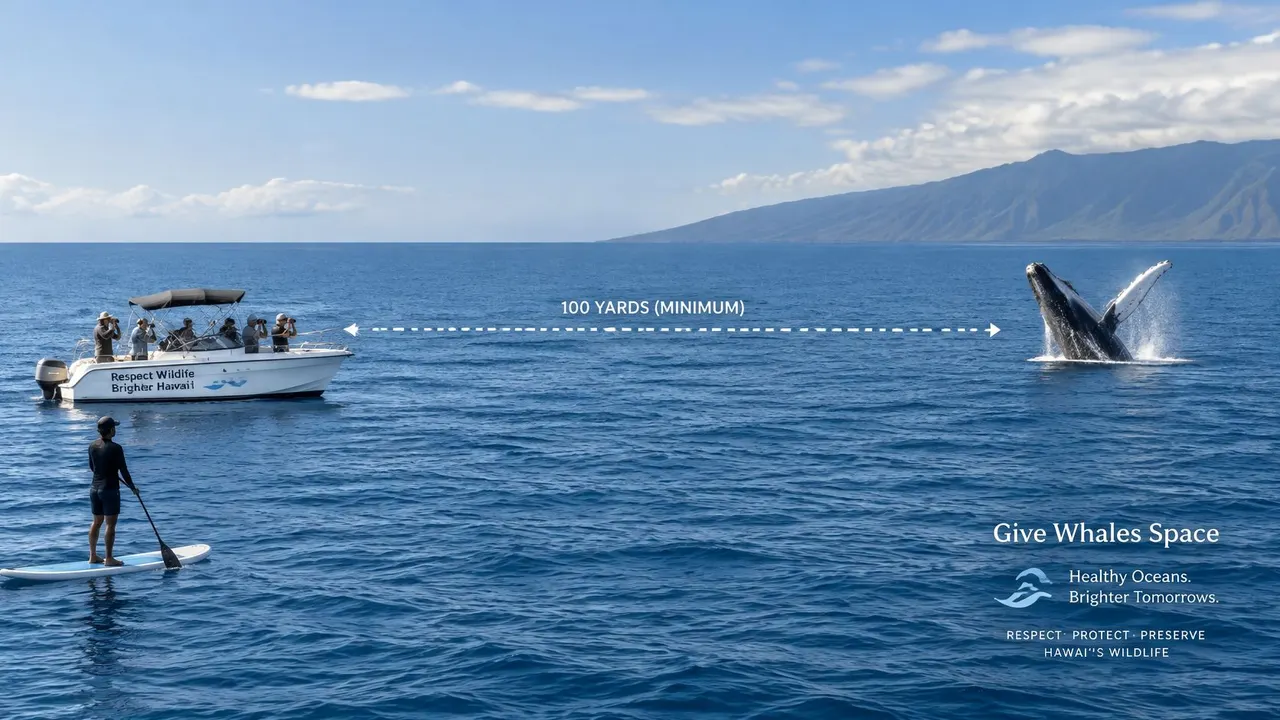
Getting closer isn't a better experience. It's often an illegal one, and it changes the behavior you came to see. The rules aren't courtesy suggestions you can waive for a photo.
Hawaii Division of Aquatic Resources marine protected species guidance states federal and Hawaii guidance prohibits approaching humpback whales within 100 yards (90 meters) by boat, swimmer, kayak, paddleboard, drone, or other means, while Hawaii guidance recommends remaining at least 400 yards away when practicable and NOAA specifies the enforceable 100 yard minimum. Operators should avoid pursuit or leapfrogging, reduce speed near whales, and let animals determine any closer encounter.
What Happens When a Whale Approaches You
Whales sometimes close the distance themselves. Then the vessel stays put or goes to neutral until the whale moves away. No one chases, turns toward, or follows it for a longer look. For information about getting in the water, read whether you can swim with whales in Hawaii and accept the answer before you arrive at the harbor.
Speed matters as much as distance. Hawaii's Go Slow Whales Below guidance from DLNR recommends 15 knots or less, or minimal planing speed, in waters up to 100 fathoms deep during whale season, and 6 knots or less when approaching or departing whales within 400 yards. Boats must not cut across a traveling whale's path and should pass behind it while keeping more than 100 yards of separation.
Three Checks You Can Run on Any Tour
- Distance briefing: The crew states the 100 yard rule before departure and explains what happens if a whale approaches.
- Speed near whales: The captain slows early, reduces wake, and doesn't race between groups.
- No pursuit: The boat holds position or passes behind, never leapfrogging ahead to intercept a whale's path.
Your job is simpler. Use binoculars or a telephoto lens instead of leaning for closeness you can't have. Stay seated when asked, keep voices calm, and don't feed, touch, or swim toward animals. Calm daylight departures give you the best view inside those limits.
This matters most from January through March, when more whales and calves raise the chance of vessel interactions. Before booking, ask three questions. How do you keep 100 yards, how slow do you go within 400 yards, and what do you do if a whale surfaces beside the boat? A licensed operator answers all three without hesitation.
Booking Your Whale Watch and Next Steps
Living Ocean Tours is Oahu's top rated and most reviewed snorkel company, and its Waikiki Whale Watching Cruise runs from January 2nd through March 31st, lasts 1.5 hours, is for ages 3 and up, and costs $49 per person. The cruise views humpback whales that winter in the Hawaiian Islands along the Waikiki coastline and departs from Kewalo Basin Boat Harbor near Waikiki Beach. That season lines up with the peak window, so you're not paying peak attention to shoulder season odds.
Book in This Order
- Choose a date in February or March: Pick the month first, while peak dates are still open, and keep December or April only as a deliberate shoulder backup.
- Pick a morning departure: Calmer water improves spotting and comfort, especially with children and older travelers.
- Confirm age rules and group size: Check that everyone in your party meets the age minimum and that the boat fits your group without crowding the rail.
- Book early: Peak winter dates fill, and waiting until you land in Waikiki leaves you with leftover times in worse conditions.
- Ask about distance and speed: Confirm how the crew keeps the 100 yard distance and slows near whales, using the checks that matter.
Before you pay, read the cancellation, weather, and no sighting policy in one pass. You need to know what happens if swell cancels the trip, whether you can move to another morning, and what's offered if whales don't show. If you're comparing operators, this guide to the best whale watching tour on Oahu helps you weigh departure point, trip length, and group size side by side. Details and dates are on the Waikiki whale watch tour page.
Build a Trip That Works Either Way
A whale may pass close enough to hear the blow, or it may stay a gray back on the horizon. Plan so both outcomes still give you a good morning on the water. That means a reasonable trip length for your youngest traveler, a coastline worth seeing for its own sake, and a crew who can talk about what you're seeing when whales are quiet.
Say you're traveling with a five year old and a grandparent. A 1.5 hour morning cruise from Kewalo Basin in late February is a sensible fit. It's long enough to search properly, short enough that no one is trapped if seas build, and close to Waikiki so the rest of the day stays intact. Say you're a photographer with several days. Book the boat for your best morning and use shore lookouts on the others, so one slow trip doesn't end your chances.
Book the peak, bring binoculars, and judge the trip by time well spent on the water. A close breach is a bonus, not a contract.
Your Next Actions
- Pick a month: February or March first, December or April as a shoulder backup if winter dates are full.
- Choose an island: Stay on Oahu for convenience or add Maui Nui for a dedicated whale day.
- Select shore or boat: Start free from shore if you're patient, book a boat if your group needs better odds.
- Pack properly: Bring binoculars, sunscreen, water, and a light jacket, plus a dry bag for your phone.
- Keep a backup morning: Leave one unscheduled winter morning so weather doesn't end your whale plans.
That's the honest answer to when is best time to see whales in Hawaii. February and March, on calm water, with an operator who respects distance, and with an itinerary you still enjoy if the whales keep theirs.
Ready to put a peak season morning on the calendar? Book the Waikiki Whale Watching Cruise with Living Ocean Tours for a 1.5 hour winter departure from Kewalo Basin Boat Harbor, and give your family the strongest odds the season offers.


