
Whale Watching in Waikiki While Pregnant: What to Ask First
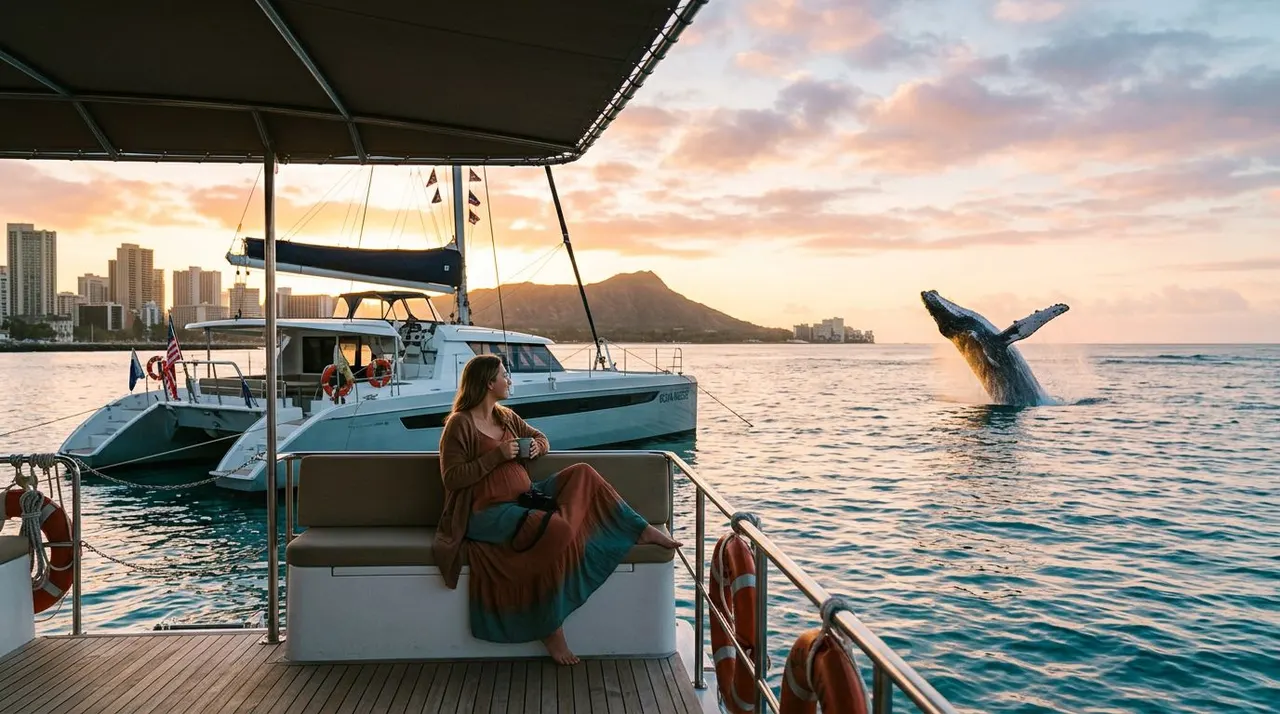
Living Ocean Tours runs ocean cruises out of Kewalo Basin Boat Harbor, minutes from Waikiki Beach, and if you’re pregnant, a whale watch deserves a few extra questions before you book. A beautiful view doesn’t help if the ride is rough, the deck feels cramped, or the crew can’t answer basic comfort questions.
A calm trip can still be a great fit when your doctor says yes and the operator can explain the boat, the weather plan, and the onboard setup. Ask the practical questions first, then decide whether the timing and conditions work for you.
Key Takeaways
- Ask your doctor first, especially if your pregnancy is high-risk or you already struggle with nausea, dizziness, or fatigue.
- Choose a boat with shade, restrooms, stable seating, and a crew that can explain sea conditions in plain language.
- Shorter cruises are usually easier to handle than longer outings when you are pregnant.
- A good operator keeps whale encounters respectful, gives clear safety answers, and treats your comfort like part of the trip.
Is Whale Watching in Waikiki Safe While Pregnant?
Many pregnant travelers can enjoy whale watching in Waikiki when their provider says it’s fine and the water stays calm. The bigger issue is usually motion, heat, dehydration, and fatigue, not the whales themselves. A steady cruise with shaded seating and easy bathroom access feels very different from a choppy ride that asks you to stand and balance for long stretches.
Your trimester matters, and so does how you feel that week. If you’re dealing with nausea, dizziness, blood pressure concerns, bleeding, contractions, or a history of pregnancy complications, take that seriously. The right trip should feel like a relaxing ocean outing, not a test of endurance.
The crew should also keep a respectful distance from wildlife and follow the rule of observing, not touching. That matters for the whales and for your peace of mind. When the boat feels steady and the pace stays unhurried, you can actually enjoy the sighting instead of bracing for the next wave.
If the trip sounds uncertain, the calmer choice is the better choice.
Questions to Ask Before You Book
Before you reserve a seat, ask how the trip will feel in real life. The answers tell you far more than a photo ever will.
How long will you actually be on the water?
Shorter trips are easier to handle when you’re pregnant, especially if nausea still shows up without warning. Ask about total time, boarding time, and how long the captain usually stays out before heading back. A two-hour cruise can feel very different from a half-day outing if your energy fades quickly.
What kind of boat do you use?
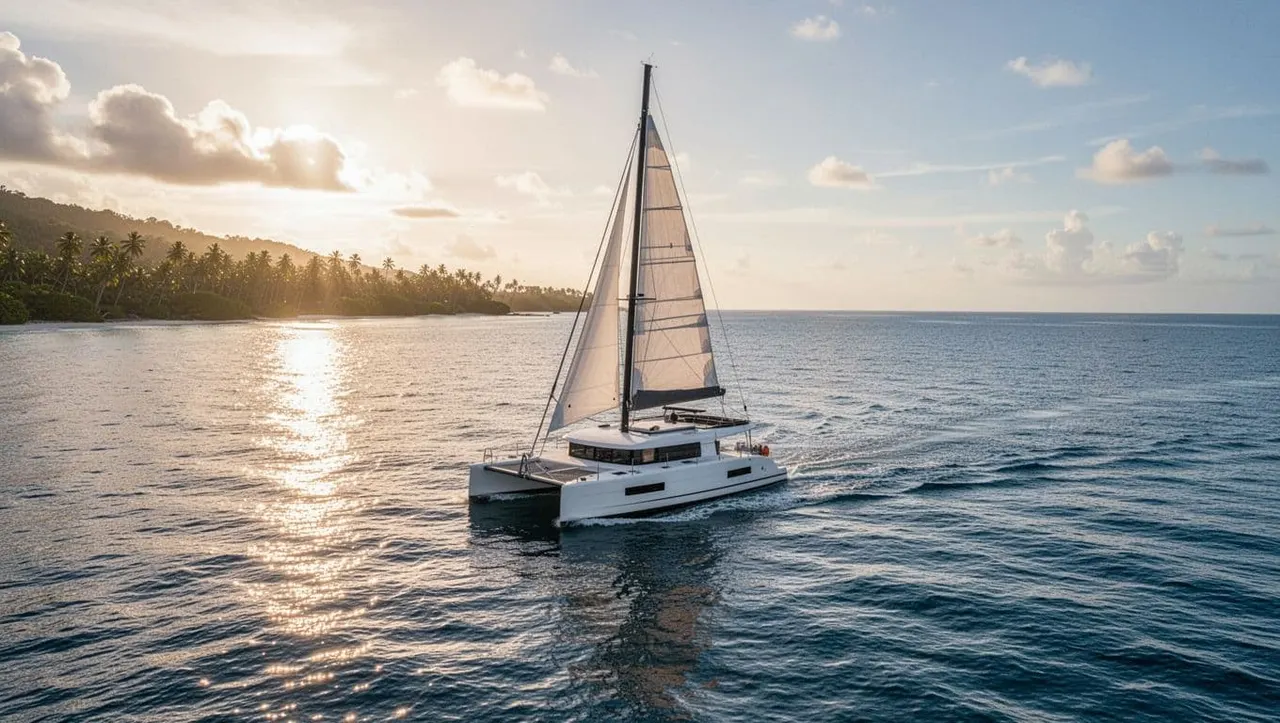
Bigger, stable vessels usually feel better than small boats that bounce in every wave. Ask whether the boat has shaded seating, railings, restrooms, and a place near the center of the deck where the motion is gentler. If the operator can’t describe the ride clearly, keep looking.
Where can you sit, and can you move around?
Pregnancy changes how you balance, so you need more than a vague promise of “plenty of room.” Ask whether you can stay seated for most of the cruise, whether there is shade nearby, and whether stairs or narrow ladders are part of the route. You shouldn’t have to fight for space just to enjoy the view.
What happens if the weather changes?
Ocean conditions around Oahu can shift fast. Find out whether the company cancels, reschedules, or reroutes when the water gets rough. Ask what happens if you feel seasick after departure. A good crew will have a plan instead of hoping everyone pushes through.
What comfort items are available?
Restrooms, cold water, and a place to store a small bag matter more than they sound. The same goes for shade and dry seating. If you’re bringing sunscreen, ginger chews, or a snack approved by your provider, it helps to know where those items can stay within easy reach.
What Your Doctor Should Know Before You Go
Your doctor should have the final say. Tell them how far along you are, how long the cruise lasts, and whether you tend to get motion sickness. Ask about blood pressure, bleeding, contractions, nausea, and any travel limits already in your chart.
If your pregnancy care team says no, that answer is enough.
You should also ask about medication for nausea or motion sickness. Don’t guess, because pregnancy changes what counts as okay. A quick call can save you from an uncomfortable day on the water.
If your provider recommends avoiding rough water, long outings, or too much heat, listen to that advice. You can always choose a different day or a different kind of outing. A whale watch should fit your pregnancy, not the other way around.
Why the Operator Matters in Waikiki
The right company can make the difference between a tense ride and a restful one. Living Ocean Tours runs from Kewalo Basin Boat Harbor, just minutes from Waikiki, and its fleet is built for comfort and stability. The company is also the only tour company with professional snorkel guides, which tells you a lot about the level of care behind the scenes.
If you want to compare boat options and seasonal trips, start with all Oahu tours. Living Ocean Tours also offers seasonal humpback whale watching cruises from January through March, so you can plan around the months when sightings are most likely.
Guest feedback helps you see whether the experience matches the promise.
When you ask about the whale watch itself, ask how the crew handles pregnant guests, where the smoothest seats are, and what happens if the swell builds. You want straight answers, not a sales pitch. A crew that explains the ride in plain language is usually a crew that will take your comfort seriously.
If the fit feels right, tap CHECK AVAILABILITY to see current whale watch dates.
A Calm Trip Starts with Better Questions
Whale watching in Waikiki while pregnant starts with one simple habit, asking better questions before you book. If your doctor clears the trip, the boat feels steady, and the crew answers clearly, you can relax and enjoy the season.
If the ride sounds too long, too bouncy, or too uncertain, trust that feeling. The right whale watch should leave you with ocean views, a calm body, and a story you’re glad you asked about first.


